I don’t think anybody really enjoys taking their car to the dealership, especially when the problem seems like something that could be fixed with a software update. Luckily, General Motors is working on technology that could make those visits far less frequent.
The automaker is developing a new centralized computing system that will allow future vehicles to receive much more extensive over-the-air (OTA) software updates. In theory, that means certain issues currently requiring a dealership appointment could eventually be resolved without ever leaving the driveway.
Speaking to The Drive, GM Senior Vice President of Vehicle Products Jaclyn McQuaid explained that reducing dealership visits is one of the project’s main objectives. The system is also intended to make the company’s vehicles easier to update and improve over time.
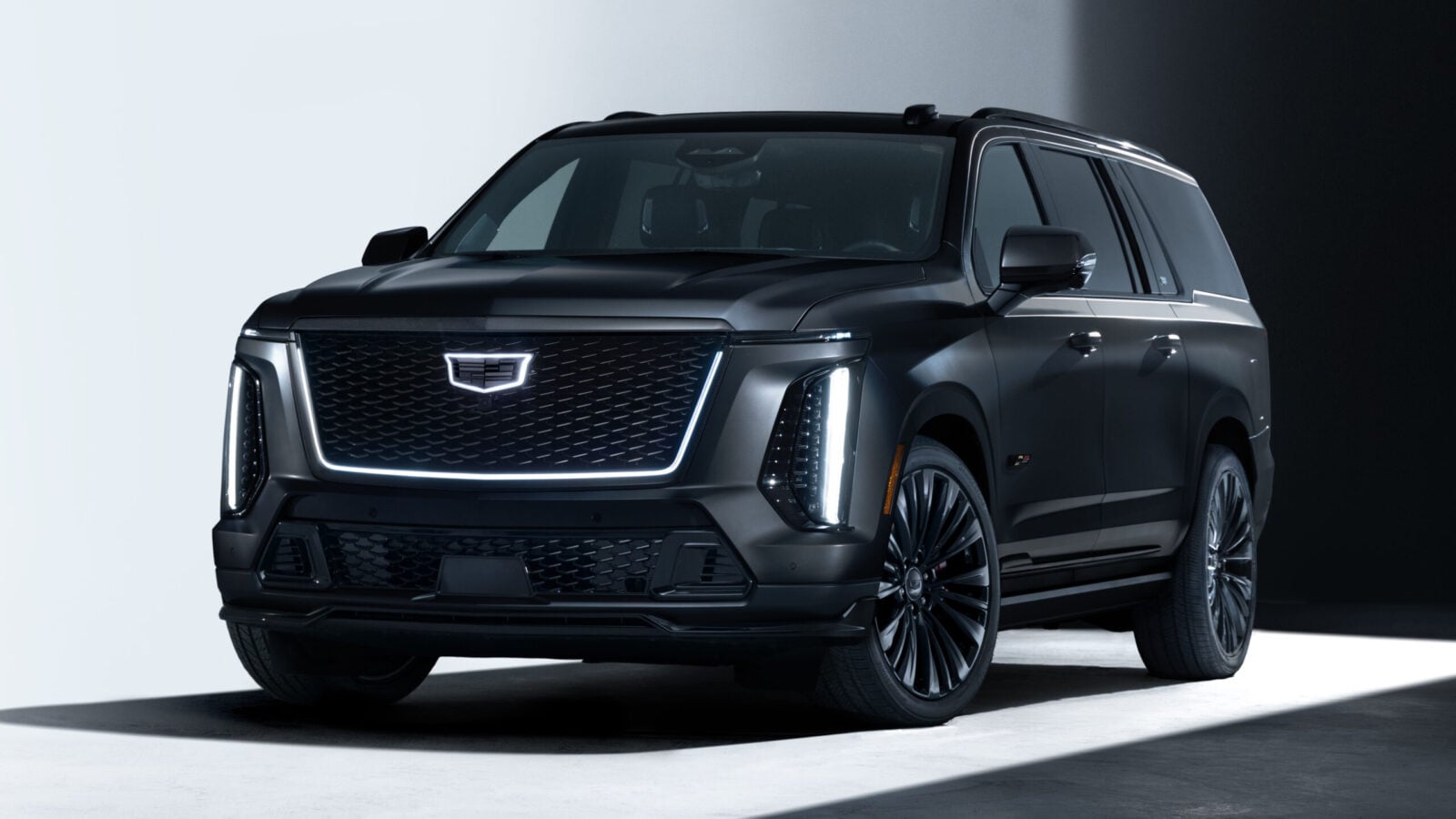
The technology will make its debut in the 2028 Cadillac Escalade IQ before expanding across GM’s lineup, including future ICE vehicles, meaning Chevrolet Silverado owners could eventually benefit, too.
One Computer Instead Of Dozens
Today’s GM vehicles already support OTA updates, but their capabilities vary depending on the vehicle and its electronic systems. Some software modules can be updated remotely, while others still require a technician.
GM’s new architecture aims to consolidate functions currently handled by dozens of separate electronic modules into a central computing unit. This should allow software updates to reach significantly more vehicle systems.
According to McQuaid, the new setup will offer approximately 40 times the computing power of GM’s current architecture. It should also provide additional capacity for new features and improvements after a vehicle has been purchased.
The Same Software In Different Vehicles
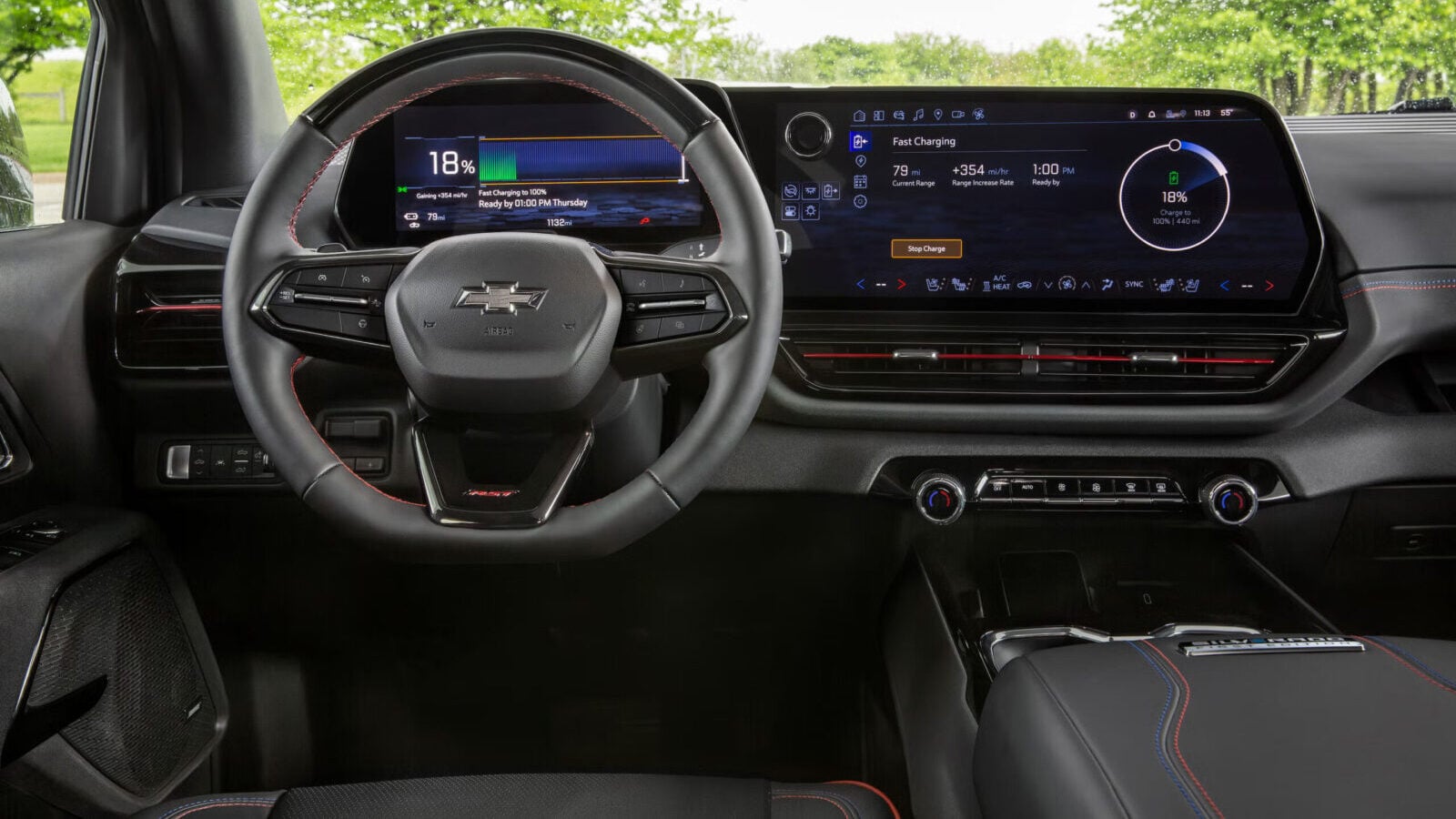
Another major advantage is that GM intends to use a common software foundation throughout its gasoline and electric vehicles. Instead of developing and validating separate software for numerous models, engineers could apply certain updates to multiple vehicles.
That could make fixing bugs and introducing improvements faster and less complicated. Functions such as Bluetooth connectivity or headlight programming are among the examples of systems that could benefit from this approach.
GM is also bringing more software development in-house, giving its engineers greater control over how the technology operates. McQuaid believes the combination should improve connectivity and allow vehicles to gain additional capabilities throughout their lifespan.
Dealerships Aren’t Going Anywhere
Of course, GM isn’t suggesting that dealerships will eventually become unnecessary. Mechanical repairs, tire replacements, and other work involving physical components will still require a visit to a workshop.
McQuaid also acknowledged that not every software-related issue will necessarily be fixable remotely. The goal is to substantially reduce the number of appointments required, rather than eliminate them entirely.
If GM delivers on its ambitions, owners could spend less time visiting dealerships for software fixes and updates and more time on the road enjoying their vehicles.