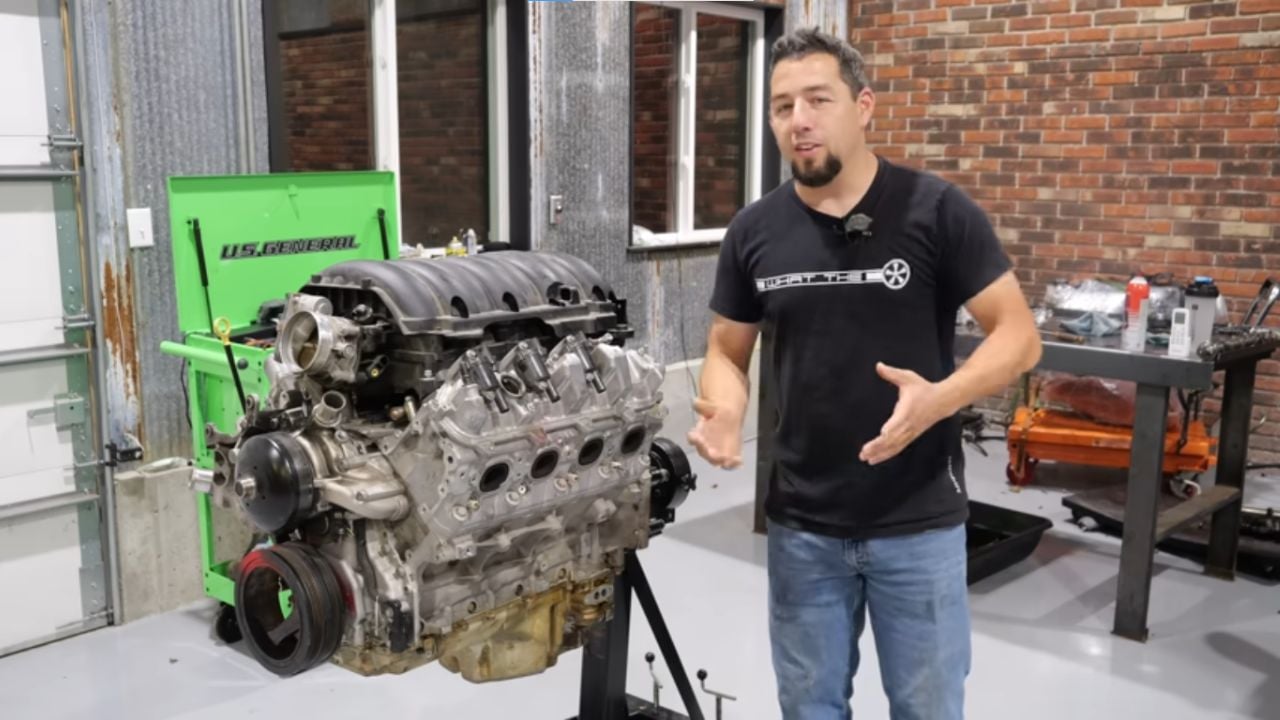

In late April 2025, General Motors launched a sweeping recall affecting nearly 600,000 full‑size trucks and SUVs in the United States.
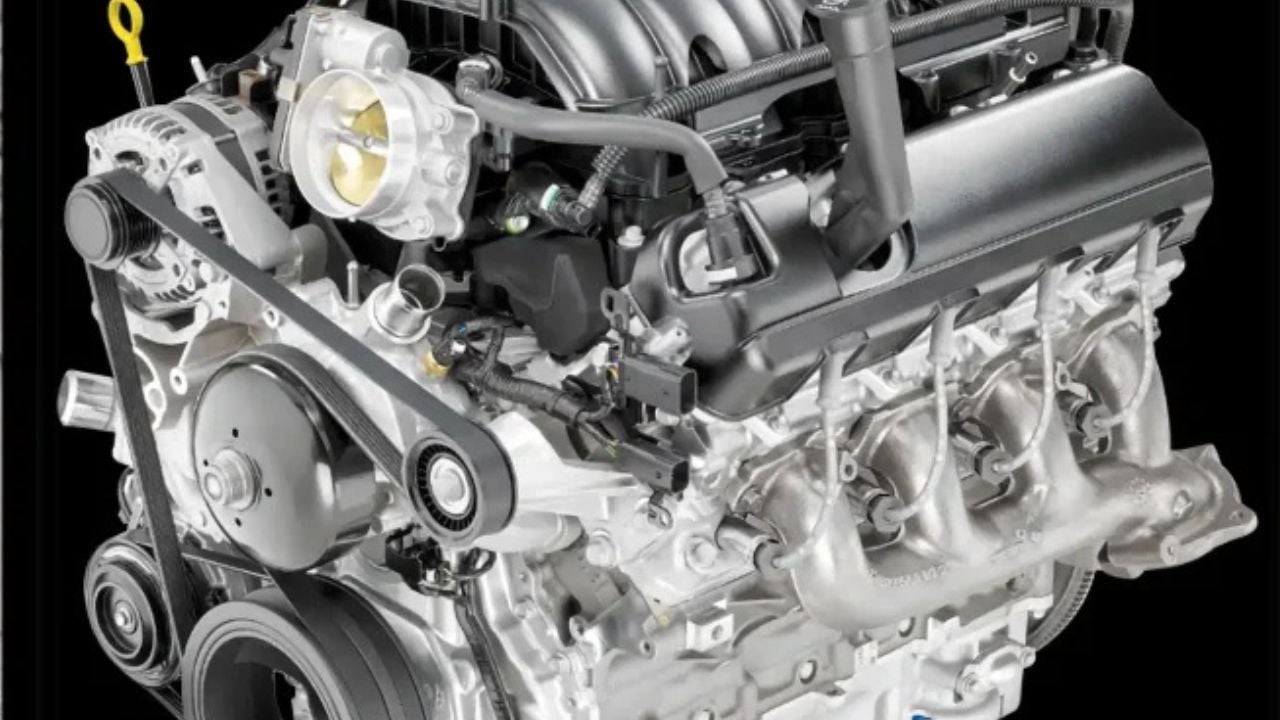
Federal records show this recall targeted vehicles equipped with the naturally aspirated 6.2‑liter L87 V8 gasoline engine that powers Cadillac Escalades, Chevrolet Silverados and Suburbans, and GMC Sierra and Yukon models from the 2021–2024 model years.
Regulators cited potential defects in internal engine components, specifically the connecting rods and crankshaft, that could lead to engine damage or complete failure while the vehicle was in operation. Owners reported noises, check engine lights, loss of power and, in some cases, engine compartment fires.
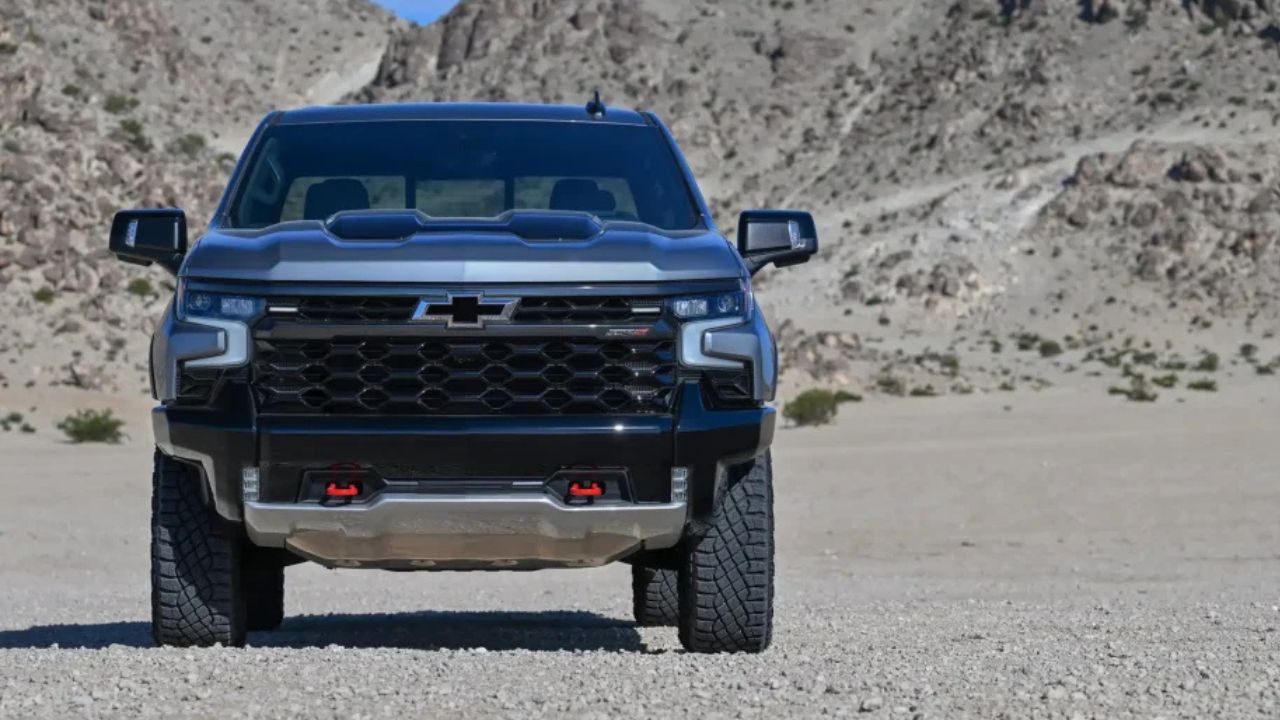
The National Highway Traffic Safety Administration (NHTSA), after receiving tens of thousands of complaints, determined the issue was serious enough to warrant a formal recall and inspection program. Vehicles that passed this inspection have been treated differently than those found with defects.
Engines that fail must be repaired or replaced at no cost, while units deemed “sound” receive a prescribed oil change and other service measures.
The Initial Remedy and the Role of Motor Oil
Almost immediately after the recall notice, GM instructed dealers to replace factory 0W‑20 engine oil with a thicker dexosR‑approved 0W‑40 grade in engines that passed inspection but were not replaced outright.
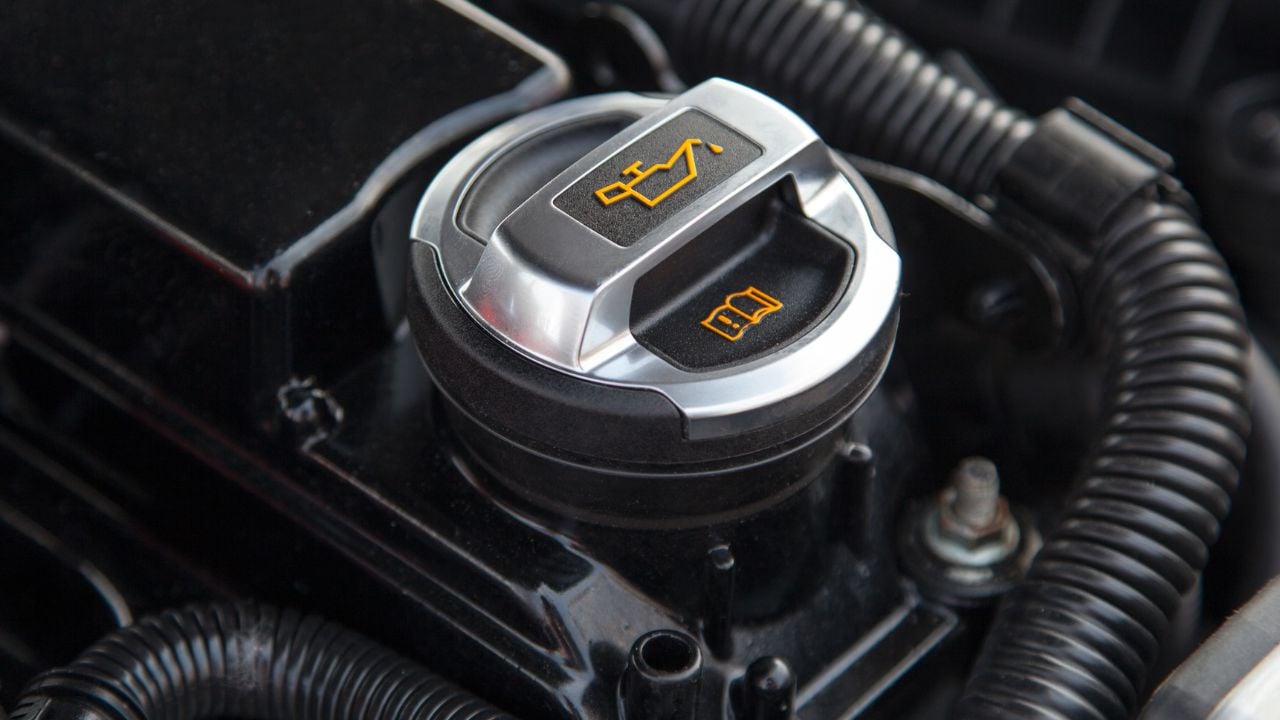
This was intended to improve lubrication and reduce stress on critical engine bearings believed to be a root cause in pre‑failure conditions. Owners were also to receive a new oil filter and a special oil fill cap that reflected the updated specifications.
This solution drew swift criticism from drivers and consumer lawyers. Multiple class action lawsuits accused GM of offering an inadequate remedy that does not truly fix the underlying mechanical flaws.
Plaintiffs in these suits argue that a simple oil change cannot address manufacturing errors in the crankshaft or rod bearings, and that many vehicles will continue to fail even after the recall work. One complaint argues GM knew or should have known about the engine problem for years before recalling the vehicles.
New Bulletin: Oil Blend Swapped Again in 2026
On February 8, 2026, automotive outlets (including Carscoops) and dealer technical bulletins revealed a subtle but noteworthy change.
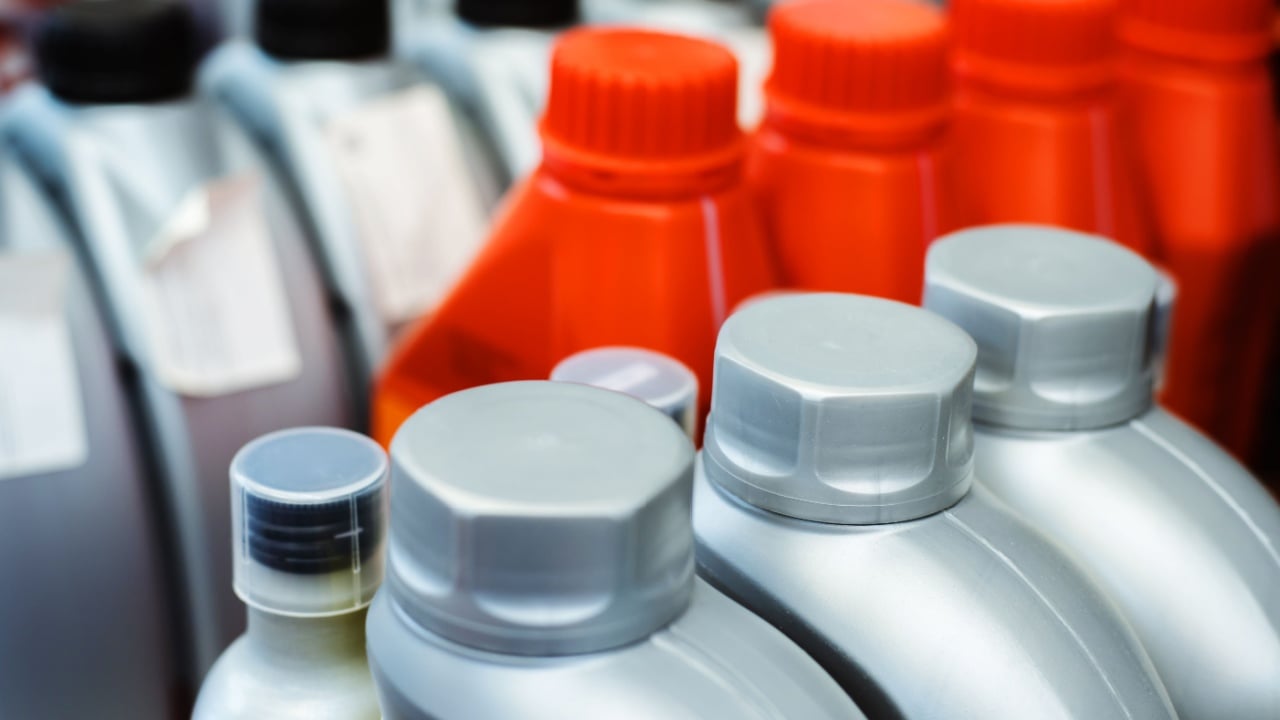
GM is now directing its authorized service centers to use a different 0W‑40 oil blend—Mobil 1 FS 0W‑40—in place of the previously specified Mobil 1 Supercar 0W‑40 for vehicles that pass inspection under the recall program.
While both oils share the same viscosity rating, they are formulated for different purposes.
The Supercar designation is primarily marketed toward high‑performance applications and may be harder to source and more expensive than the FS variant.
The FS blend is more widely available, often approved for a broader array of gasoline and diesel engines and likely more affordable per quart.
Both meet GM’s high‑load, high‑temperature performance spec for the recalled engines. Some technical commentary suggests the FS formula may have slightly higher anti‑wear additive levels, but GM’s own shift appears driven less by performance than by logistics and cost.
Owner Frustration and Dealer Challenges
The recall has sparked notable frustration across social media and owner forums. Some owners report limited availability of approved oil at local dealerships, added costs of oil changes over time, and confused messaging about what constitutes proper service under the recall.
Others have shared stories of long waits for appointments, cancelled parts orders and uncertainty over whether replacement engines are reliably solving the problems.
Dealers themselves have reportedly struggled with inventory constraints and have at times deferred service or been unable to perform work outside the recall process.
Some owners with serious engine failures prior to the recall window were told their vehicles were not covered, even as they exhibited the same defects described in the official safety action.
As of early 2026, multiple lawsuits remain active over this core issue, alleging GM’s fixes are insufficient and that the company concealed known defects for an extended period.
Plaintiffs seek more comprehensive remedies, including new engine designs or broader compensation for owners who argue their vehicles are unsafe or worth less than advertised. Federal safety regulators continue to monitor complaint trends and GM’s execution of the recall program.
Sources: Reuters, valerolaw.com