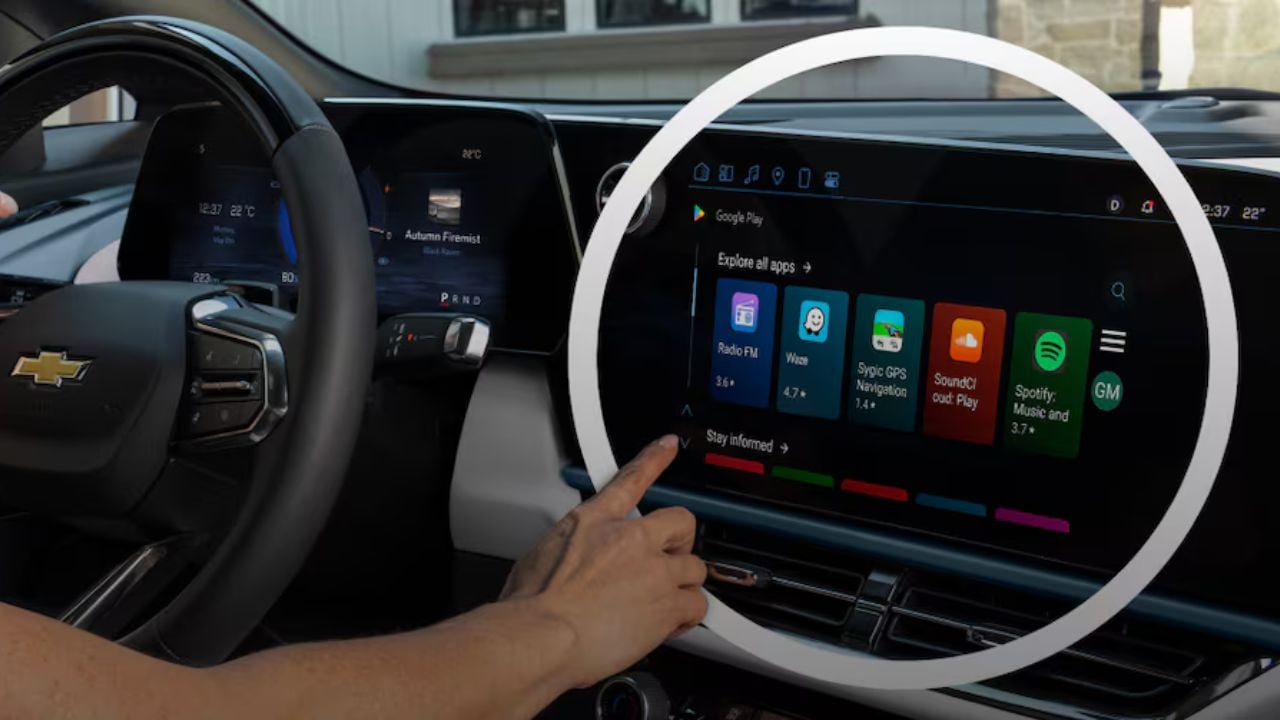
Car enthusiasts have a running list of things they claim to despise: touch screens that replaced perfectly good buttons, fake engine noise piped through speakers, and above all else, subscription services. “I already paid for the car” has become the battle cry of every forum thread, subreddit, and comment section since automakers started charging monthly fees for heated seats. And yet, General Motors is sitting on data that suggests something uncomfortable: people might actually be subscribing.
GM’s CFO Paul Jacobson recently told investors that the company’s OnStar and Super Cruise subscription business is growing at a pace that could eventually become a defining part of how the automaker makes money. Not a side hustle. A core revenue pillar.
GM’s Subscription Numbers Are Climbing Fast
In 2020, GM pulled in about $1.7 billion in realized subscription revenue with almost nothing deferred, according to Automotive News. By 2025, that realized number jumped to roughly $2.7 billion, with an additional $5.4 billion sitting in deferred revenue from long-term plans already sold. For 2026, the company projects $3.1 billion in realized revenue and $7.5 billion deferred.
That is not the trajectory of a gimmick.
The key to how GM got here is actually clever, even if it sounds sneaky at first. Starting with 2025 model year vehicles, every new GM vehicle comes loaded with an eight-year basic OnStar subscription baked into the purchase price. Super Cruise equipped vehicles come with a three-year subscription included. The logic is simple and a little bit psychological: if you live with something for years instead of a few trial weeks, you might actually get used to it. Revolutionary concept, really.
Right now, around 13 million people are subscribed to GM services, generating roughly $20 per person per month. About a third of those on the basic OnStar tier opt to upgrade to premium features. And at least 30 percent of drivers whose initial three-year Super Cruise subscriptions expired in 2025 went ahead and renewed.
Yes, the same drivers who insist they will never pay for a subscription. At least 30 percent of them renewed.
The Margins Are What Make This Actually Exciting
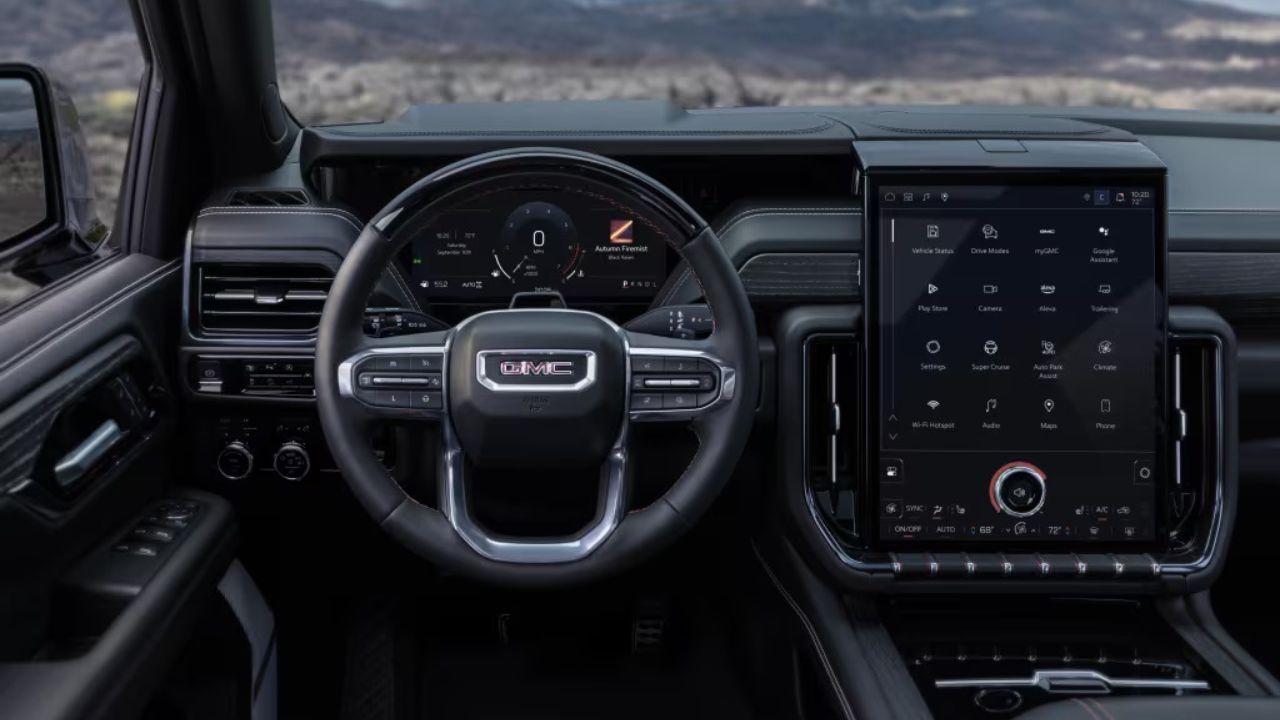
Here is where the story gets interesting for anyone who cares about whether GM survives the next decade. Subscription services in the tech and software world are notorious for their high profit margins, and GM’s connected services are operating in that same territory. Analysts who follow the company point out that tech services like these can carry gross margins around 70 percent, which is a universe away from the thin-margin world of building and selling physical cars.
Jacobson himself described the potential as almost “exponential,” noting that software-like margins coming from connected services could eventually dwarf even GM’s core vehicle sales business over time. That is a bold statement from a CFO of a company that sells hundreds of thousands of trucks per year.
GM also sees a clear runway for Super Cruise growth. The feature was historically locked behind higher-end trims, meaning a lot of buyers never even had the option. GM plans to make it available across a wider range of vehicles going forward, betting that more drivers with access means more drivers who get hooked and eventually renew.
The Bottom Line
Nobody wants to hear this, but GM appears to be executing on a subscription strategy that actually accounts for human behavior. Give someone eight years with a service, let them get comfortable, and then ask if they want to keep it. It is not exactly a hard sell at that point.
The car buying public has made it very clear in comment sections everywhere that they reject the subscription model on principle. Meanwhile, 13 million of them are currently subscribed and a third are upgrading. The gap between what car buyers say they will do and what they actually do has apparently become its own revenue stream.
For GM, that gap is looking more profitable by the quarter.