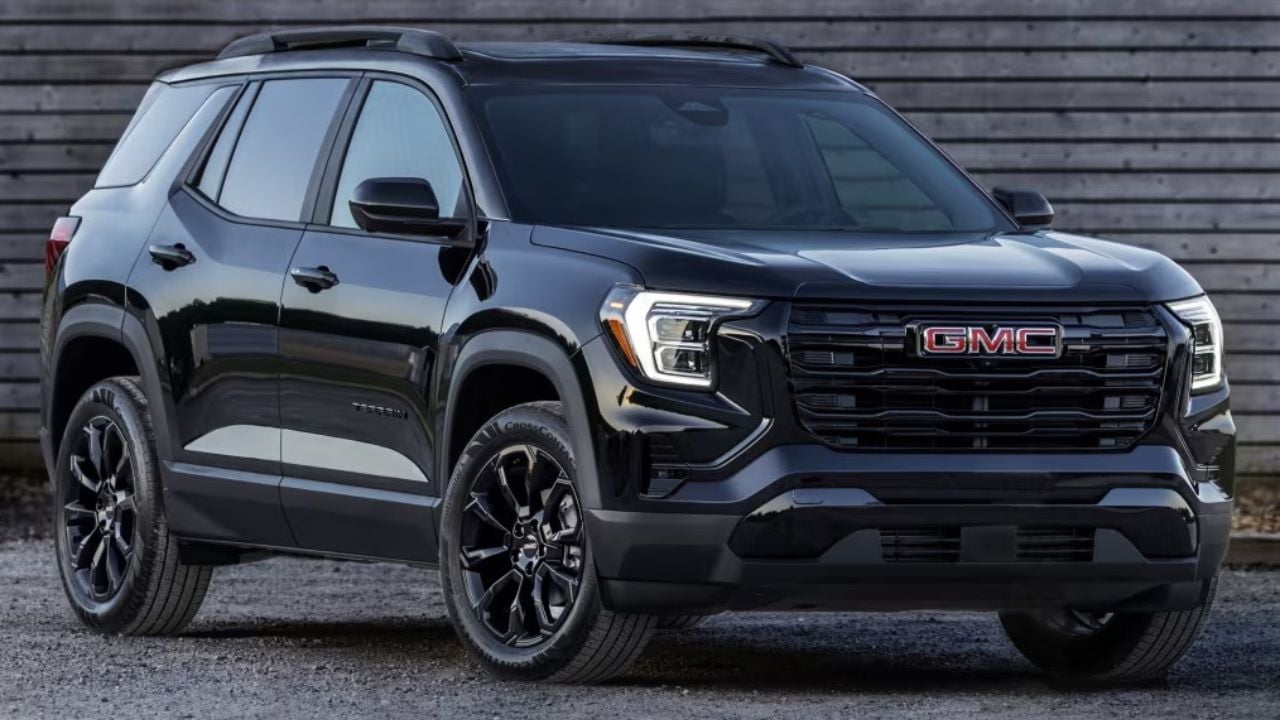
Subscription models are no longer just a tech industry habit. At General Motors, they are becoming an increasingly important part of how the company plans to make money long after a vehicle is sold.
The numbers help explain why. GM finished 2025 with about $5.4 billion in deferred revenue from software and services, and the company said it expects that figure to rise to roughly $7.5 billion by the end of 2026.
That does not mean software is replacing car sales. It does mean services such as OnStar and Super Cruise are becoming a much larger part of GM’s long-term profit strategy.
The approach is straightforward. Give buyers time to live with the technology, make it part of the ownership experience, and then turn that familiarity into renewals and higher-margin revenue.
Why GM Is Pushing Harder Into Subscriptions
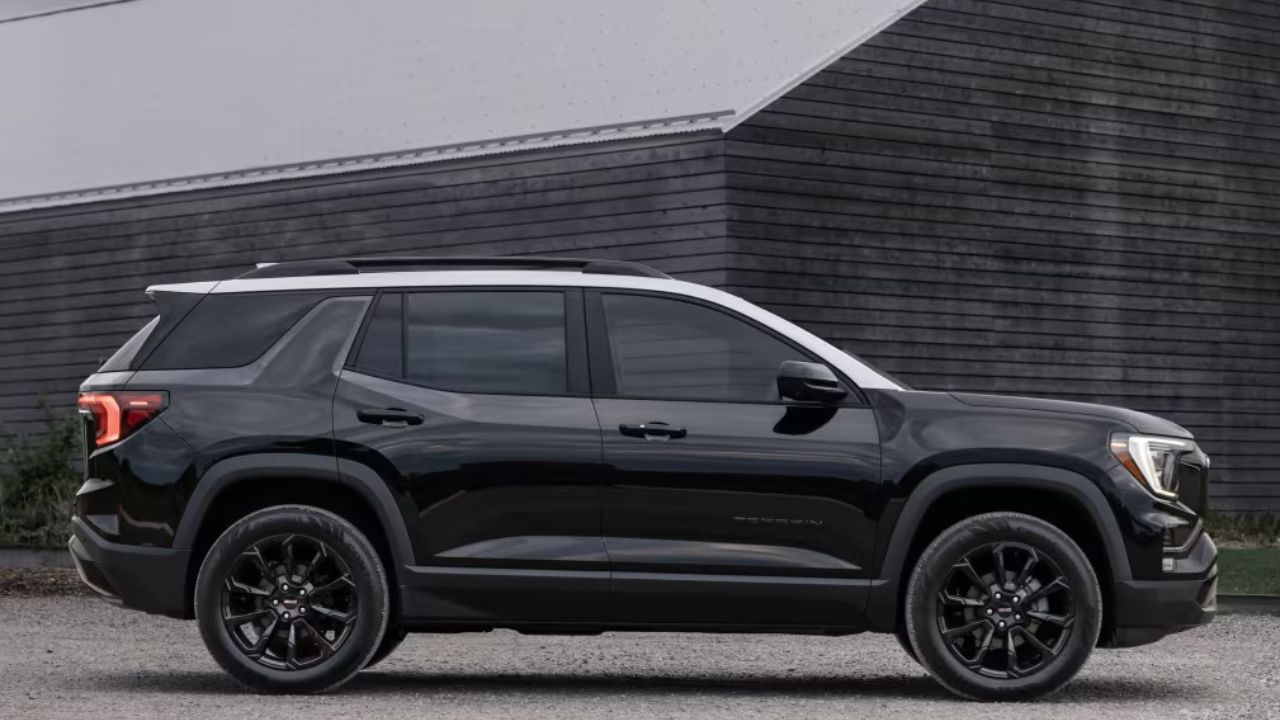
GM’s own leadership has made it clear that this is no side business. Mary Barra said OnStar reached a record 12 million subscribers in 2025, and CFO Paul Jacobson later said the company expects that figure to move toward 13 million by the end of 2026.
The financial appeal is obvious. Jacobson said these tech services can deliver gross margins of about 70%, which is dramatically richer than the margins attached to the traditional vehicle business.
That is why the company keeps talking about software and services as a value driver. A growing share of the money arrives as deferred revenue that GM recognizes over time, which gives the business a longer earnings tail after the initial sale.
What OnStar And Super Cruise Now Include
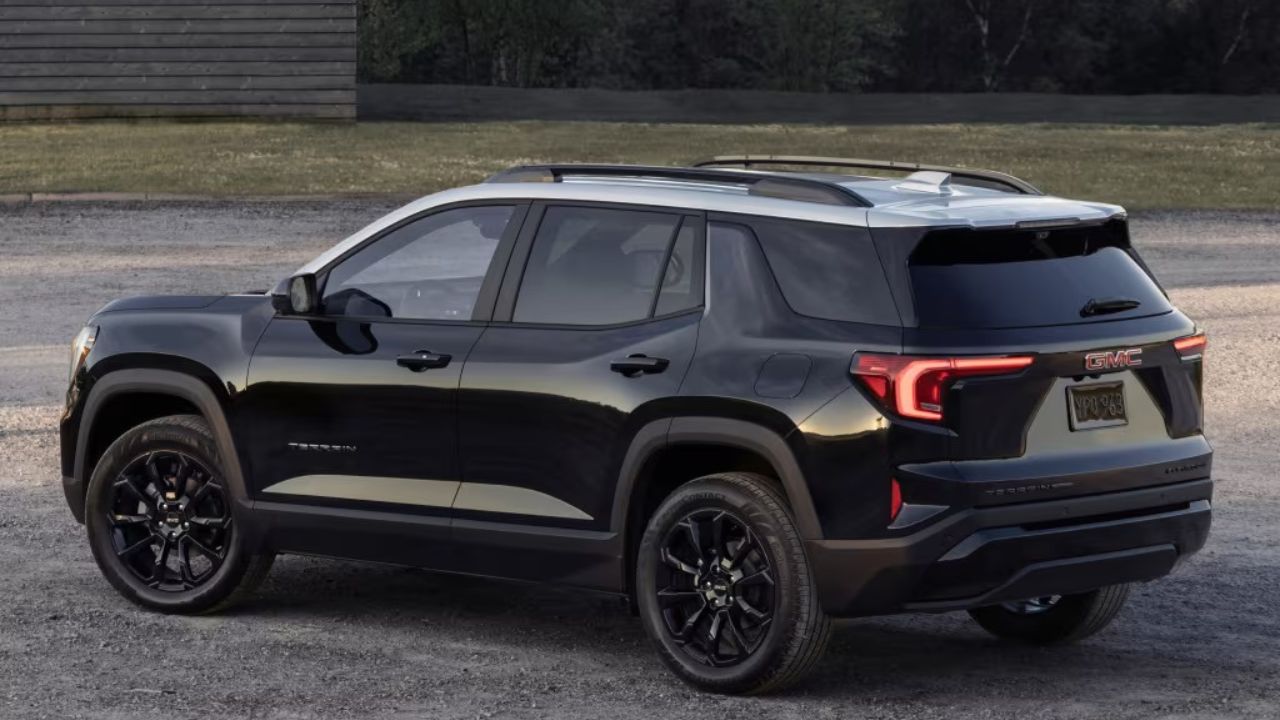
OnStar sits at the center of that plan. For 2025 and newer GM vehicles, the company says core OnStar features are included for 8 years, with standard content such as automatic crash response, remote commands, navigation apps, and voice assistance.
The paid layers go further. GM’s current OnStar plans also offer features such as in-vehicle Wi-Fi, video streaming, and stolen vehicle assistance, depending on the plan a customer selects.
Super Cruise sits above that as the higher-profile technology play. GM says Super Cruise-equipped vehicles include 3 years of connectivity to support the system, after which owners need an eligible paid OnStar plan to keep using it.
Where The Bigger Opportunity And Risk Sit
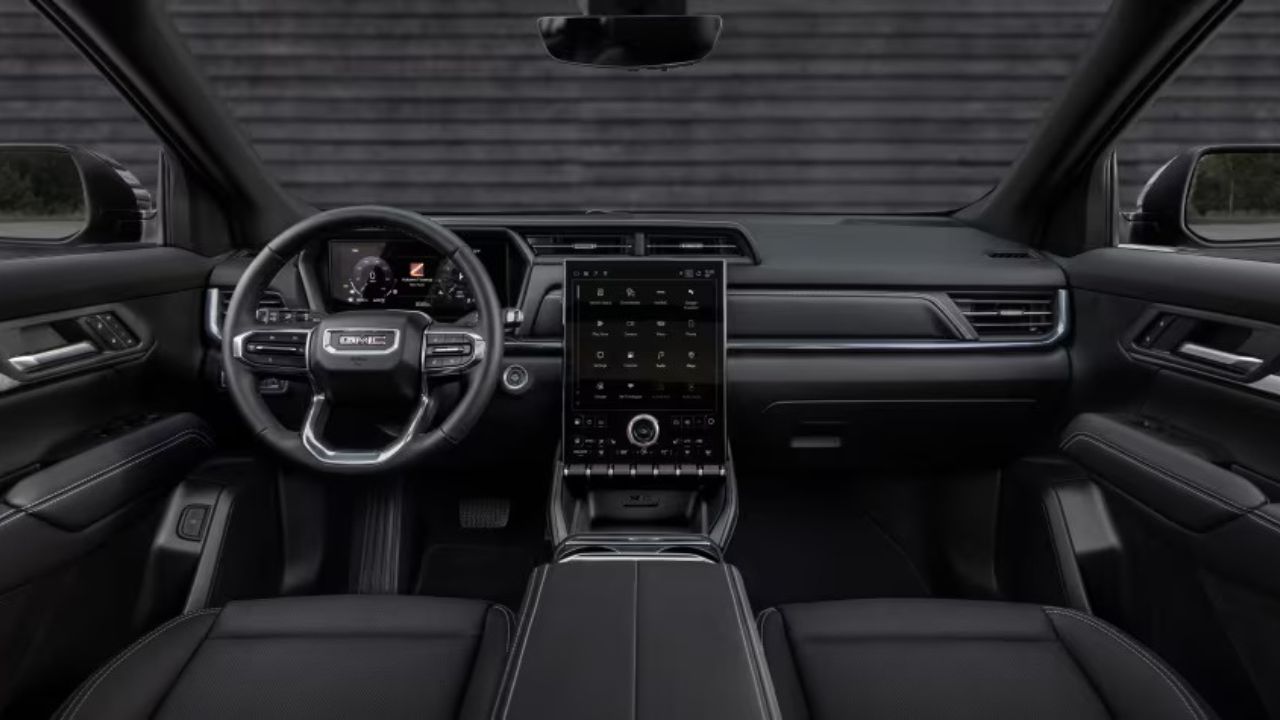
GM has already spread Super Cruise widely across its U.S. portfolio. The company said in early 2025 that the system was available on more than 20 models across Chevrolet, Cadillac, Buick, and GMC, and it later confirmed that a more advanced eyes-off highway driving system is planned for 2028.
That gives GM a clear upsell path. Buyers who regularly spend time on mapped highways may see real value in continuing to pay for the technology after the included period ends, although that is still partly an inference because renewal behavior will depend on how customers actually use the feature.
There is also a trust issue GM cannot ignore. In January 2026, the FTC finalized an order settling allegations that GM and OnStar collected and sold precise geolocation and driving behavior data without consumers’ informed consent, which means the future of this subscription strategy will depend not only on convenience and automation but also on privacy credibility.
This article originally appeared on Autorepublika.com and has been republished with permission by Guessing Headlights. AI-assisted translation was used, followed by human editing and review.