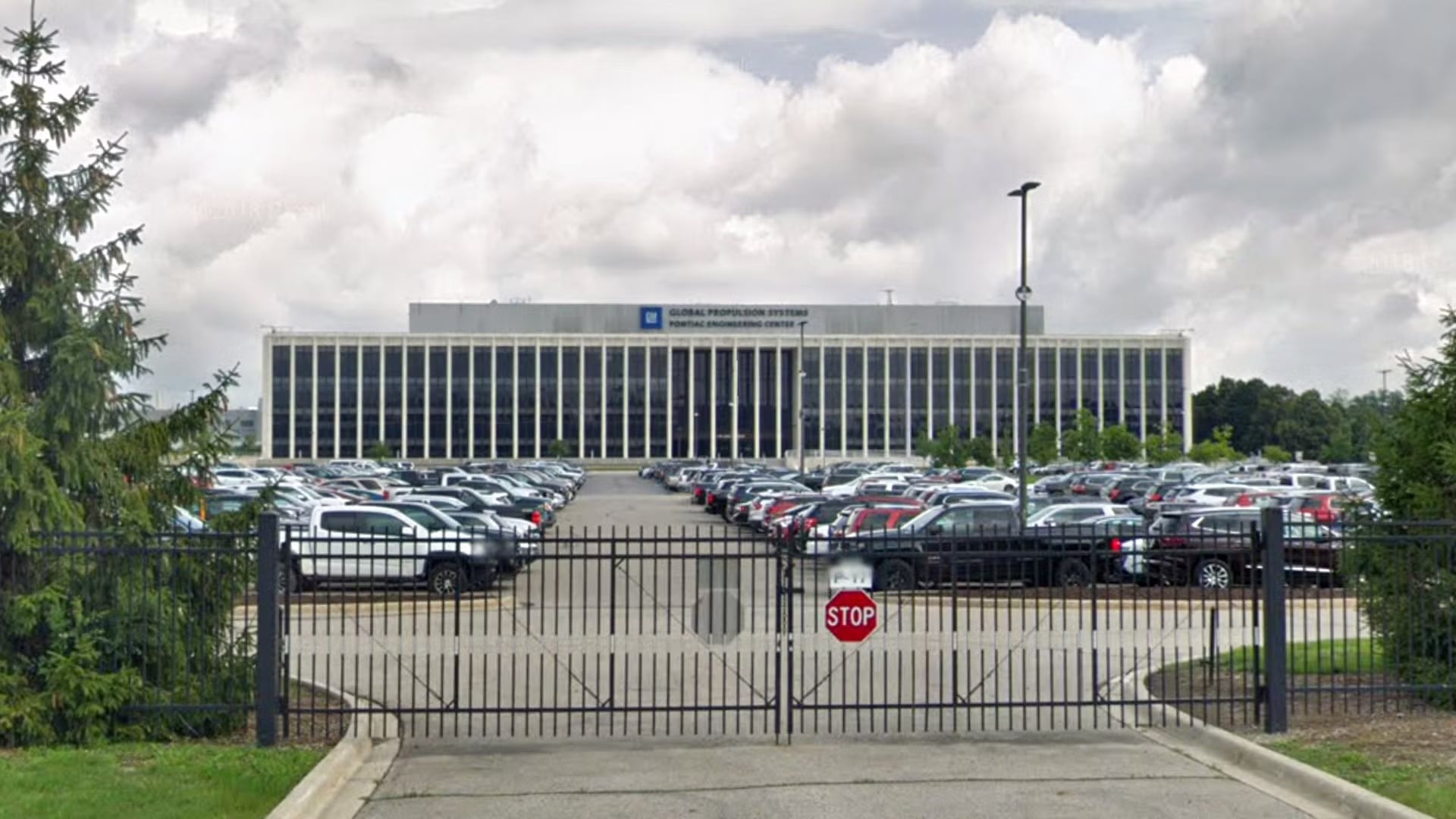
General Motors is preparing to demolish the former headquarters of its long-defunct Pontiac division, removing one of the last major physical symbols of a brand that played a defining role in American performance-car culture. The building, originally known as One Pontiac Plaza, opened in 1970 in Pontiac, Michigan.
The midcentury-modern office complex later became known as Pontiac Engineering Center Building A and remained in use long after the Pontiac brand itself disappeared. GM says the building has been vacant since 2020 and will now be removed as part of the efforts to streamline its real estate footprint.
No demolition timeline has been announced, and GM has not said what will eventually replace the structure. The company says the work will follow a detailed plan intended to minimize disruption while meeting environmental and local regulatory requirements.
For Pontiac enthusiasts, the loss is still significant. Although many of the division’s most famous cars were conceived before the building opened, One Pontiac Plaza became closely associated with Pontiac during the decades when models such as the Firebird and Trans Am carried the brand’s performance image into the 1970s, 1980s, and beyond.
A Headquarters From Pontiac’s Glory Years
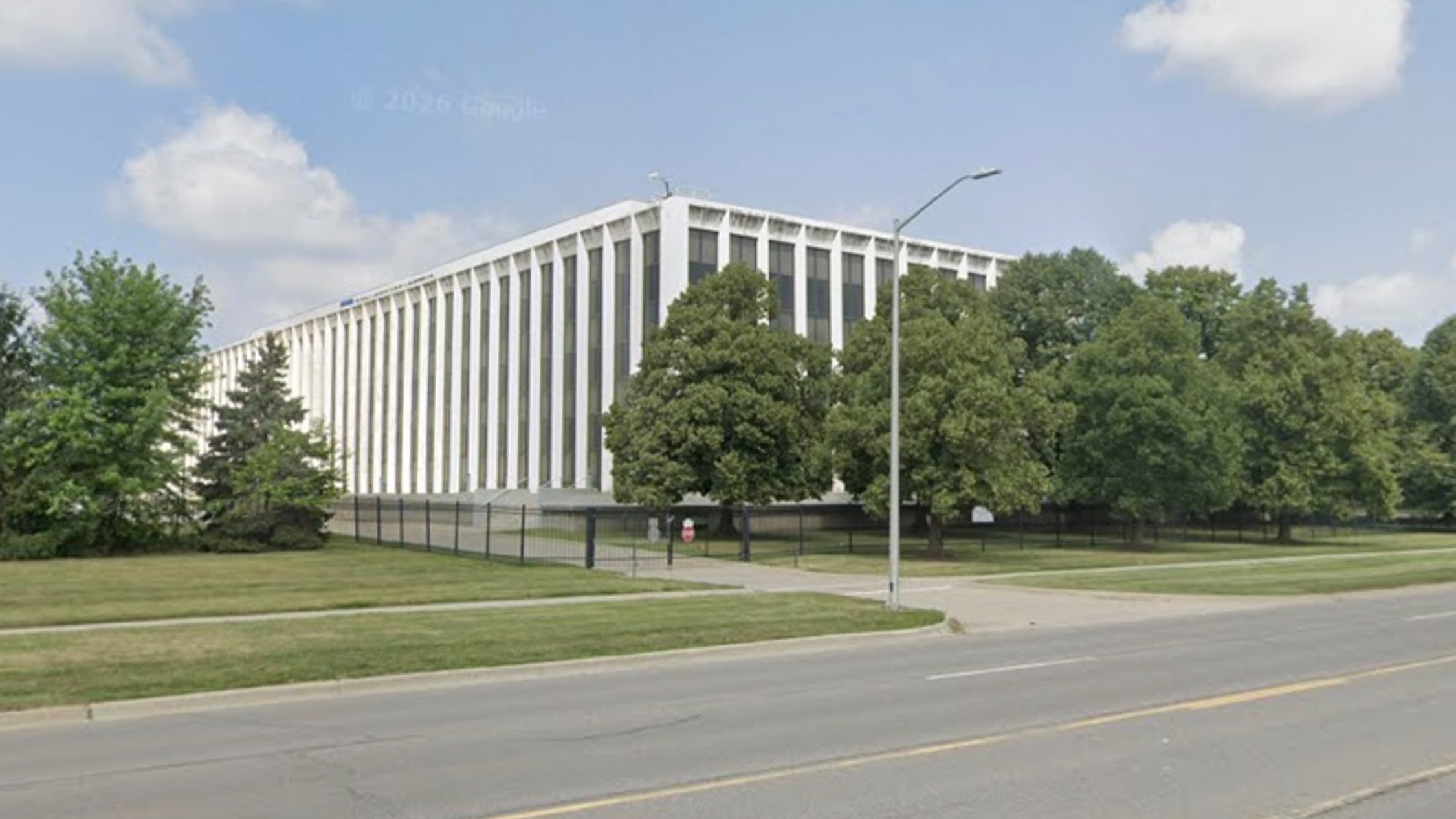
One Pontiac Plaza opened at a time when Pontiac was still riding the momentum created by cars such as the GTO, which arrived in 1964, and the Firebird, introduced in 1967. The original Trans Am followed in 1969, meaning all three iconic nameplates predated the headquarters building itself.
Still, the facility became an important nerve center for Pontiac’s later operations. Sales, marketing, public relations, engineering, and other corporate functions were tied to the broader Pontiac campus during some of the division’s most memorable years.
The building is also often linked with John DeLorean, one of Pontiac’s most influential executives. DeLorean had already moved on to Chevrolet before One Pontiac Plaza officially opened, but the headquarters nevertheless stood as a monument to the performance-driven era he helped shape.
For fans of the brand, that symbolism matters almost as much as the precise timeline. The building represented Pontiac at the height of its cultural influence, when the division had a distinct identity built around style, performance, and enthusiast appeal.
Pontiac Once Dominated the City That Shared Its Name
GM’s presence in Pontiac was once enormous. According to the city’s mayor, Mike McGuinness, the automaker at one point employed as many as 33,000 people in the area and operated facilities connected with both Pontiac and what would eventually become GMC.
That footprint shrank dramatically over the following decades. By the time Pontiac itself was discontinued as part of GM’s post-bankruptcy restructuring, the local workforce had fallen to a fraction of its former size.
The city was also left with a significant amount of vacant former GM property. Some sites were later sold or redeveloped, while others continued serving different functions within the company.
Today, GM still maintains a presence in the area through facilities including the Pontiac Engineering Center, Pontiac Metal Center, and Pontiac Redistribution Center. Nearby Orion Assembly also remains an important employer for residents in the region.
The Building Outlived the Pontiac Brand by 16 Years

Pontiac built its final vehicles in 2010, officially ending a brand whose history stretched back more than eight decades. The former headquarters managed to survive for another 16 years, although GM says the building itself has not been occupied since 2020.
In its final period of use, the facility housed work related to GM’s global propulsion operations. Its demolition is therefore not simply the removal of an abandoned Pontiac office, but part of GM’s continuing effort to consolidate and modernize its physical operations.
For longtime Pontiac followers, however, the building’s disappearance carries a deeper emotional weight. It was a tangible connection to a division whose identity has otherwise largely survived through restored cars, enthusiast communities, and the increasing collectability of models carrying badges such as GTO and Trans Am.
Pontiac’s Legacy Will Have to Live Without the Building
Pontiac’s disappearance from GM’s lineup already marked the real end of the brand, but losing its former headquarters adds another sense of finality. Buildings can serve as physical anchors for automotive history, especially when the brand they represented no longer exists.
The good news is that Pontiac’s legacy was never confined to one office complex. It survives in the cars themselves, from early GTOs and Firebirds to later Trans Ams and the final Australian-derived GTOs of the 2000s.
The demolition of One Pontiac Plaza will still be bittersweet for the city and for enthusiasts who remember what Pontiac once represented. GM may be removing an aging and unused building, but to the Pontiac faithful, it is also taking down one of the last landmarks connected to a performance brand that helped shape generations of American car culture.