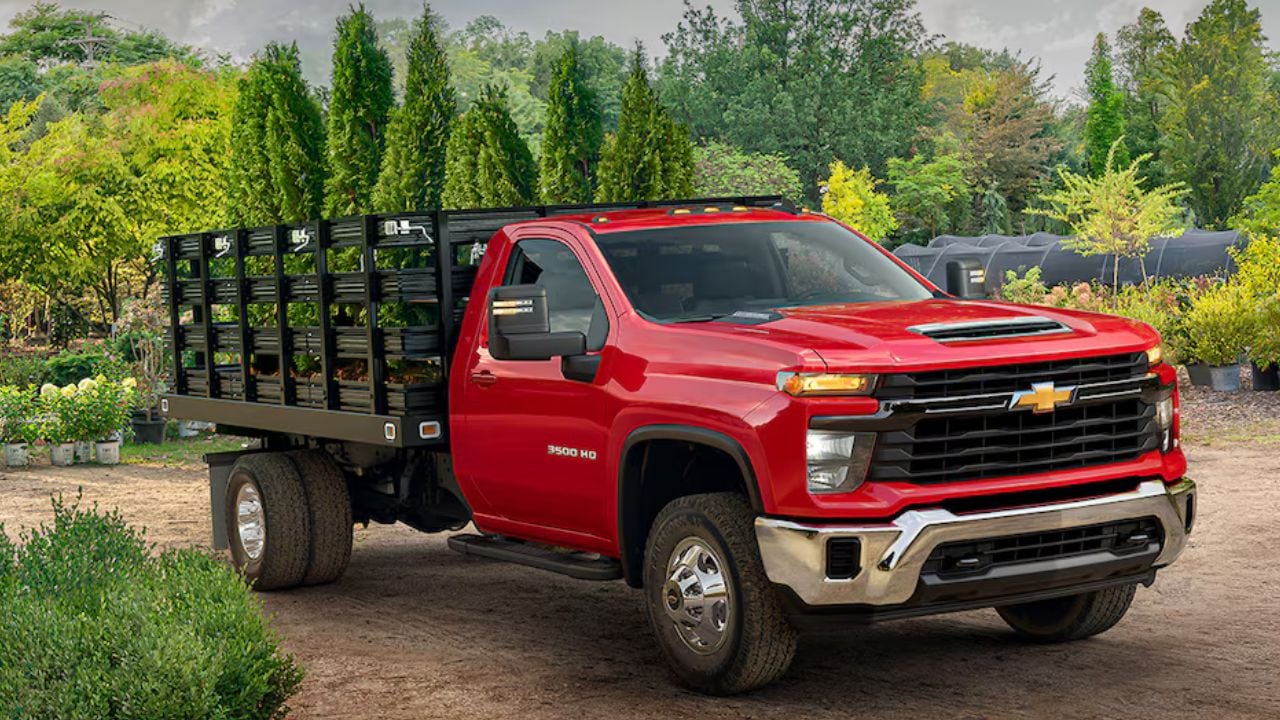

General Motors is investigating a fuel system problem that can cause certain heavy duty pickup trucks to run out of gasoline even when the dashboard indicates that fuel remains in the tank.
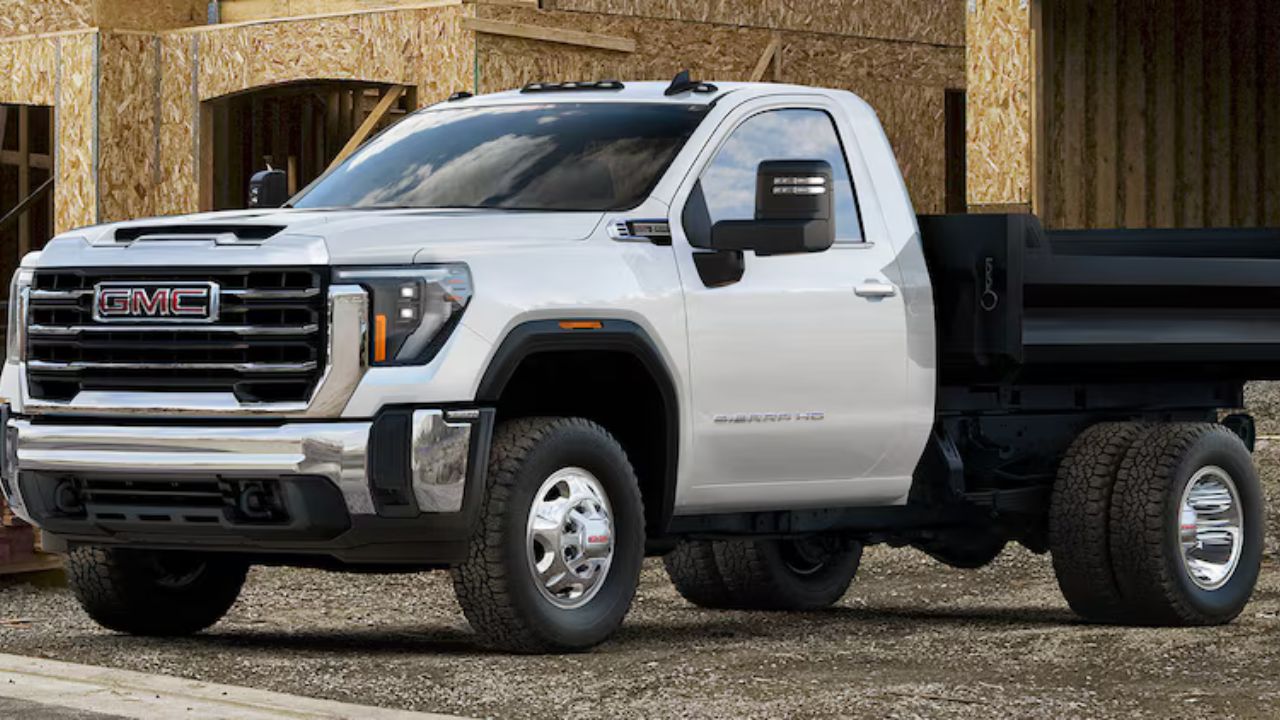
The issue affects some units of the Chevrolet Silverado 3500 HD and GMC Sierra 3500 HD, specifically 2025 and 2026 chassis cab models equipped with the 6.6-liter L8T gasoline V8 engine.
According to an internal service bulletin circulated to dealerships, the trucks may stall or display inaccurate fuel readings because fuel stored in a secondary tank may not be transferring correctly to the primary tank.
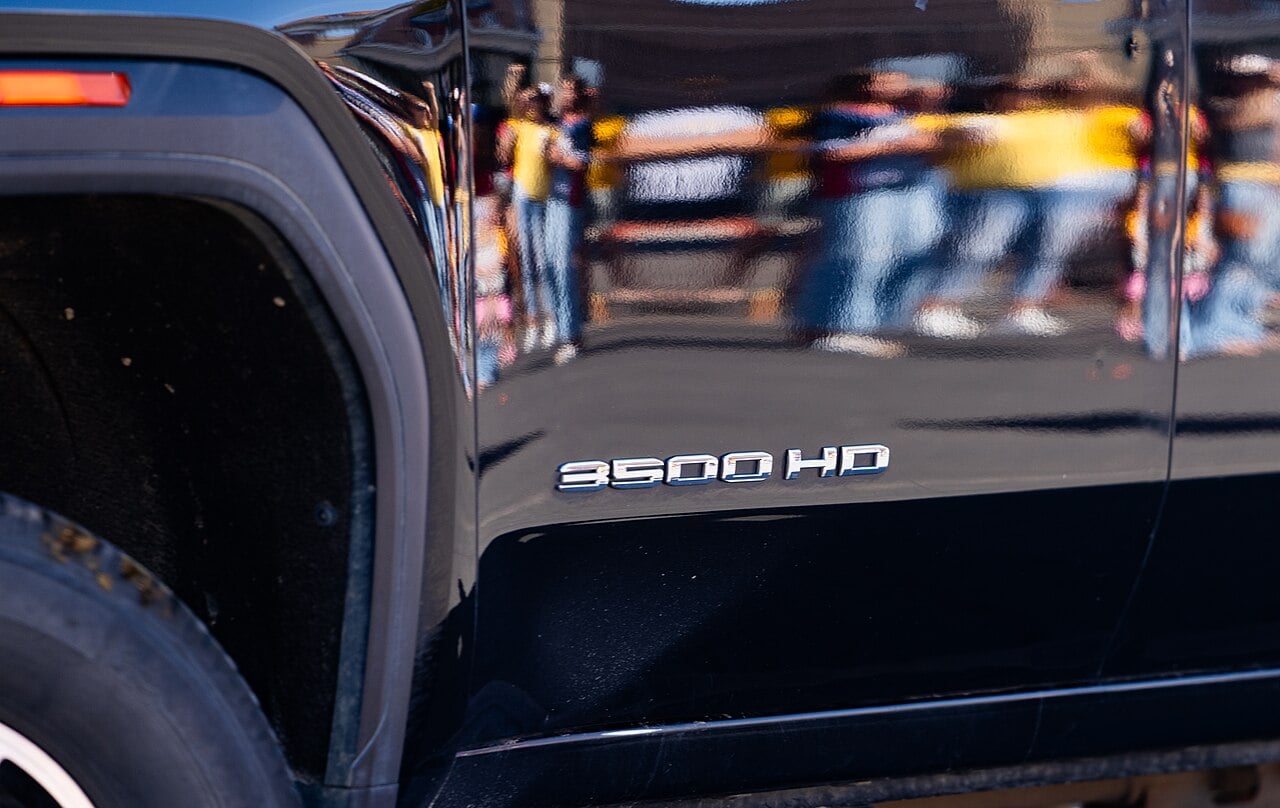
The problem is documented in GM preliminary information bulletin PIT6467A, which confirms that engineers are reviewing reports of trucks unexpectedly running out of fuel. The condition can occur even when the fuel gauge suggests there is still fuel available.
How the Dual Tank System Works
The affected trucks use a dual tank fuel system commonly found on heavy duty chassis cab work trucks. In this configuration, the vehicle carries two tanks positioned at the front and rear of the chassis. Together they provide a combined capacity of roughly 63.5 gallons.
Under normal operation, fuel from the rear tank is transferred to the front tank through a transfer pump or related components. The truck then draws fuel from the front tank while the system automatically balances the supply between the two tanks. The dashboard fuel gauge displays the combined level of both tanks.
In the trucks under investigation, GM suspects the transfer process may not be functioning correctly. When fuel fails to move from the rear tank to the front tank, the engine may run out of usable fuel in the front tank even though the rear tank still contains gasoline.
This can result in the vehicle stalling or the fuel gauge incorrectly defaulting to empty while fuel remains in the secondary tank.
No Recall Yet as GM Investigates
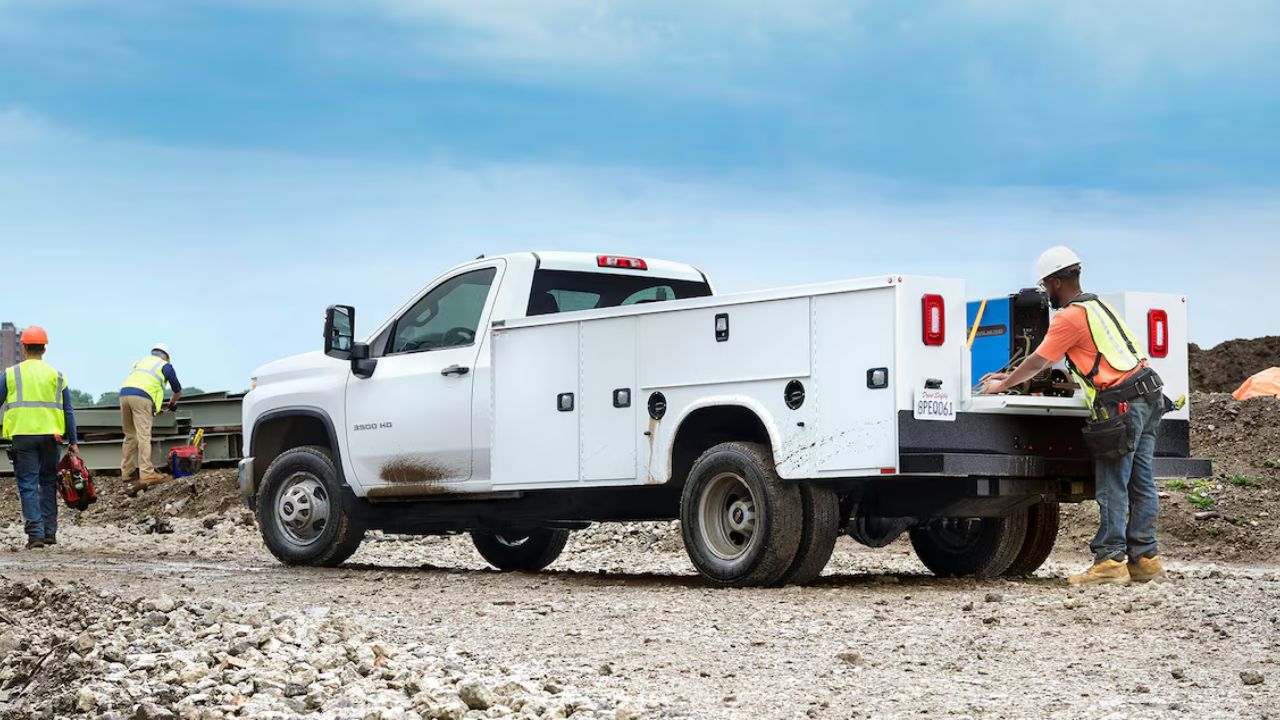
The issue appears limited to chassis cab versions of the trucks. These variants are commonly used for commercial and vocational applications such as dump trucks, tow trucks, utility vehicles, and flatbeds.
Because these trucks often operate with heavy loads and long work cycles, the dual tank setup is intended to extend range and reduce refueling stops.
For now, General Motors has not issued a recall or identified a confirmed fix. Instead, the company has instructed dealers not to replace components until engineers determine the root cause of the malfunction.
The bulletin notes that the preliminary information will be updated or replaced with a technical service bulletin once the investigation is complete.
While the exact cause remains unclear, possible explanations include a faulty transfer pump, a sensor malfunction, or an issue with the fuel system control logic. Engineers may also examine assembly processes or component suppliers if evidence suggests a manufacturing defect.
A Familiar Challenge for Heavy Duty Trucks
This is not the first time GM’s heavy-duty pickups have experienced complications involving dual fuel tank systems. Earlier iterations of the trucks with similar configurations have faced transfer related problems, highlighting the complexity of managing fuel flow between multiple tanks in work-oriented vehicles.
The current investigation remains ongoing, and GM has not disclosed how many vehicles may be affected. Owners who experience unexpected stalling or inaccurate fuel readings may be advised to keep fuel levels higher than usual until the issue is resolved.
Fleet operators and commercial customers who depend on these trucks daily should watch for the outcome of GM’s engineering review. A definitive fix could come in the form of updated hardware, revised software controls, or new service procedures once the underlying cause is identified.
Sources: GM Authority