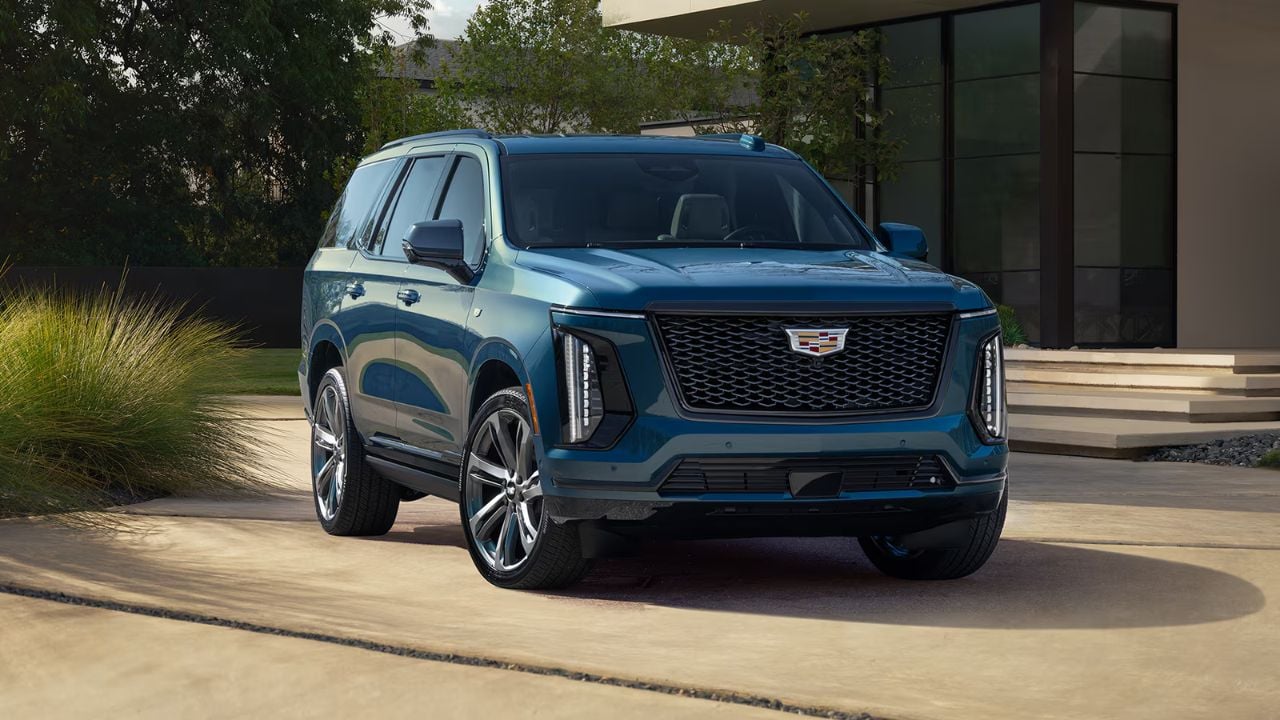
General Motors has reportedly hit pause on a key software fix affecting some of its most expensive 2026 SUVs, creating fresh headaches for dealers and buyers alike.
The issue centers on so-called phantom braking, where a vehicle suddenly applies the brakes after detecting a hazard that may not actually exist.
GM had already rolled out a repair process for certain models, but that update has now reportedly been suspended for flagship SUVs packed with advanced driver-assistance tech.
That means showroom-ready luxury vehicles costing well into six figures could remain unsold while customers wait for answers.
What Is Phantom Braking?
Phantom braking happens when a vehicle’s safety systems mistakenly believe a collision is about to occur.
Modern SUVs rely on radar, cameras, and software to power features like automatic emergency braking and adaptive cruise control.
Sometimes those systems can misread shadows, overpasses, roadside objects, or surrounding traffic.
The result can be a sudden and unexpected braking event, something that can be alarming, especially at highway speeds.
Which GM SUVs Are Affected?
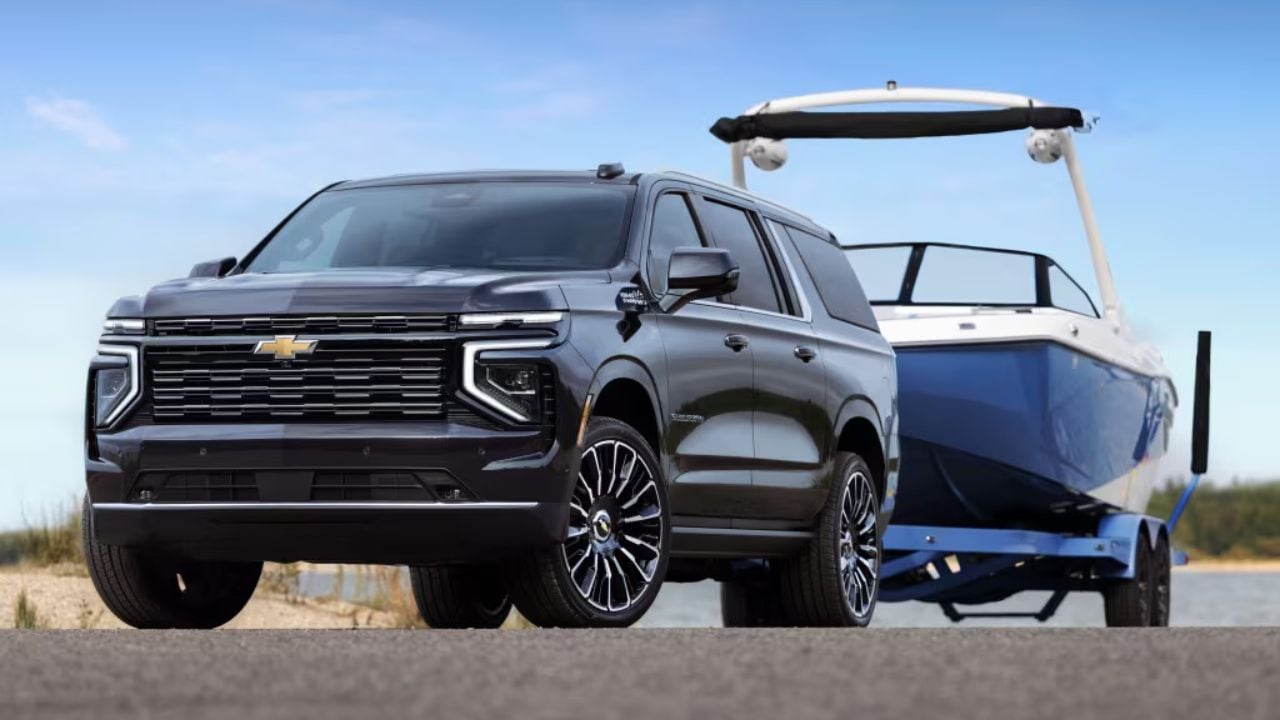
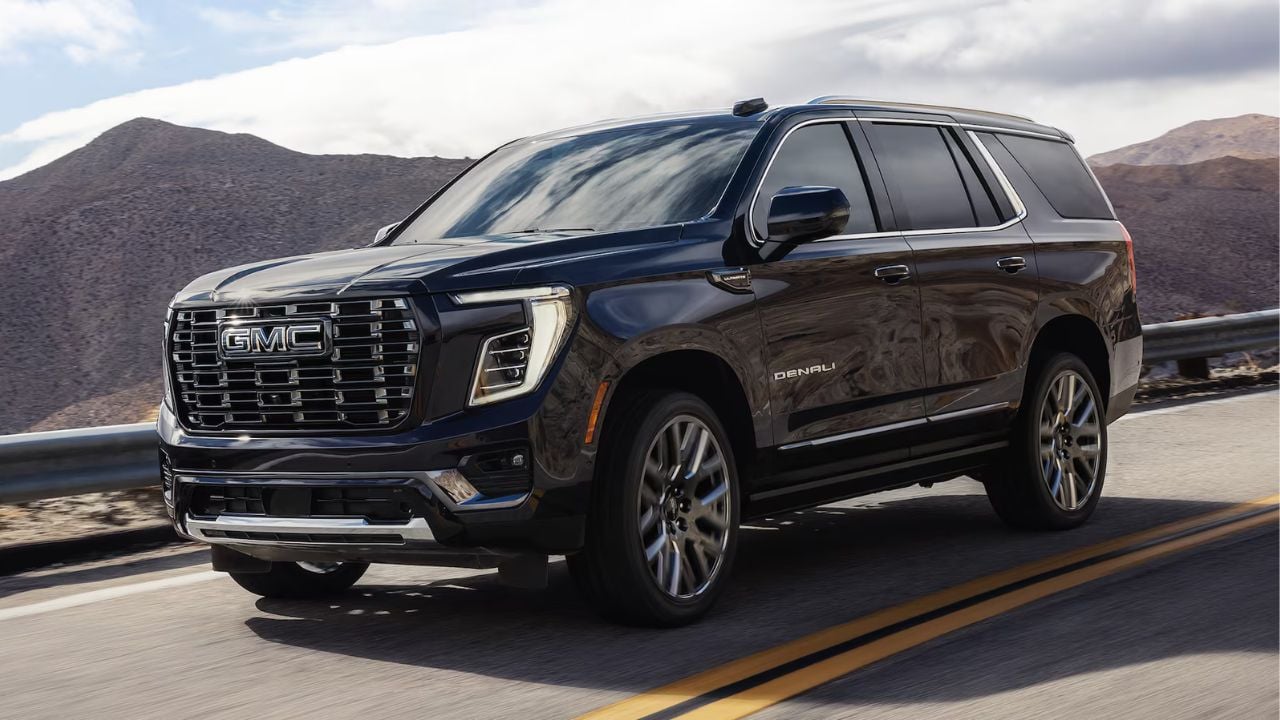
Reports say the paused fix impacts high-end 2026 full-size SUVs including the Cadillac Escalade, Chevrolet Tahoe, Chevrolet Suburban, and GMC Yukon.
These models are among GM’s biggest profit generators and often carry premium price tags.
Well-equipped Tahoes and Yukons can stretch past $80,000, while loaded Escalades frequently move far beyond $100,000.
That makes any stop-sale order especially painful for dealers.
Super Cruise May Be Complicating Things
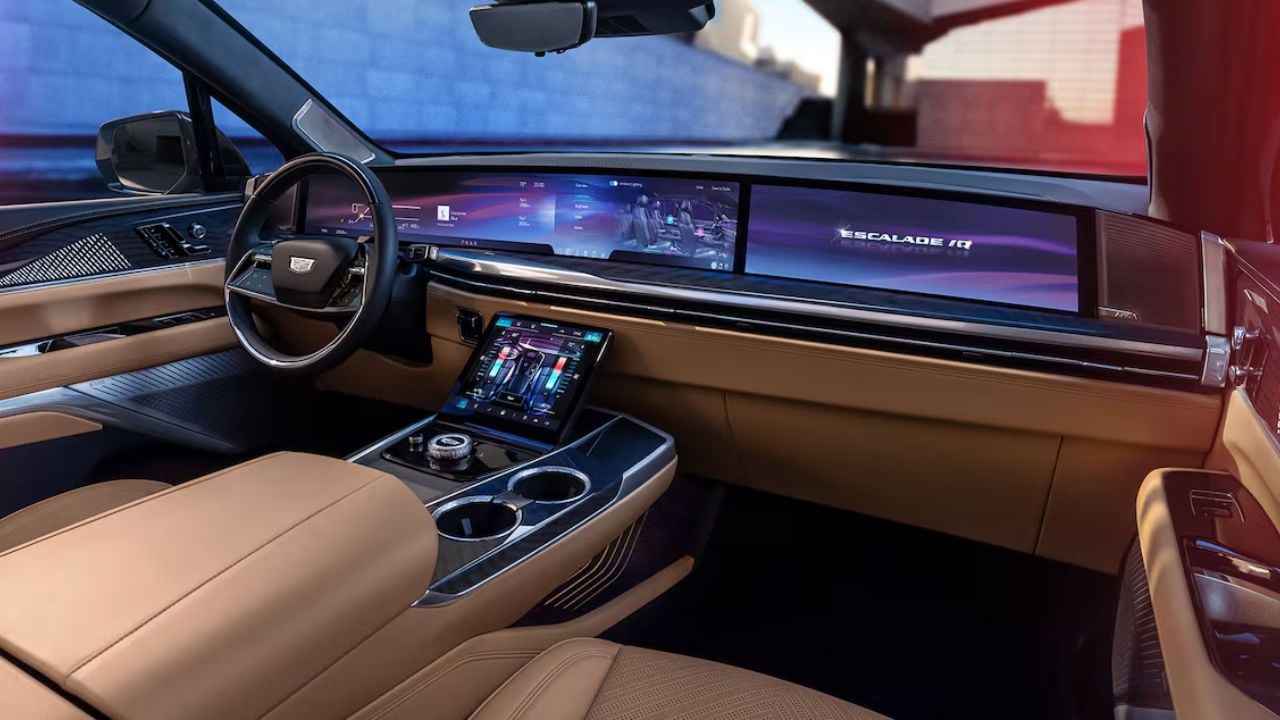
One likely reason for the delay is the presence of Super Cruise on many of these vehicles.
Super Cruise is GM’s hands-free highway driving system and one of the company’s showcase technologies.
Because it integrates mapping data, cameras, radar, and lane-centering functions, any braking-related software update may require deeper validation.
When a system allows hands-off driving, manufacturers have little room for error.
Dealers Stuck With Unsellable Inventory
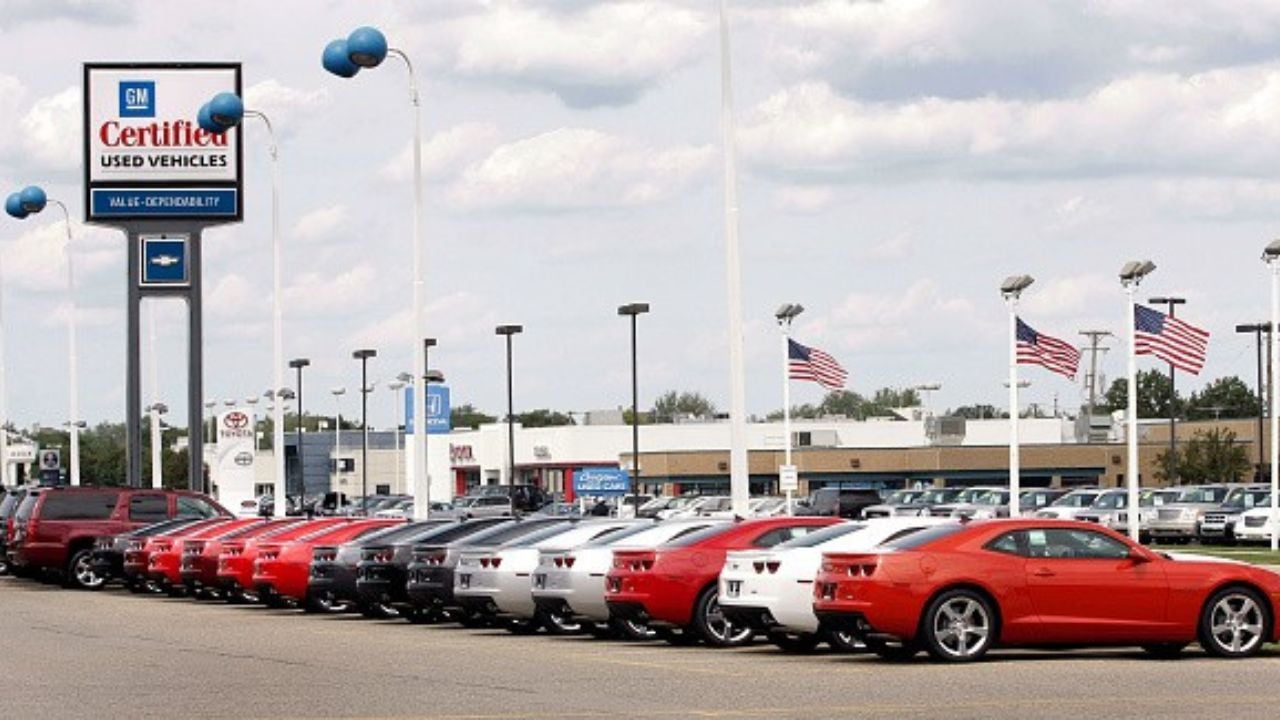
A stop-sale order does not always mean a recall, but it does mean dealers cannot legally deliver affected new vehicles until the issue is resolved.
That leaves lots filled with high-demand inventory that cannot be handed to buyers.
It also creates frustration for customers who may have placed custom orders months ago.
For premium buyers expecting a seamless purchase, delays like this can damage confidence quickly.
EV Models Reportedly Still Moving

Some reports suggest newer GM EVs and other unaffected vehicles are still receiving fixes and being sold normally.
That indicates the issue may be more specific to certain platforms or software combinations rather than a company-wide shutdown.
Still, the spotlight remains on GM’s most visible SUVs.
Those are the vehicles customers notice first, and the ones dealers most want to deliver.
What Happens Next?
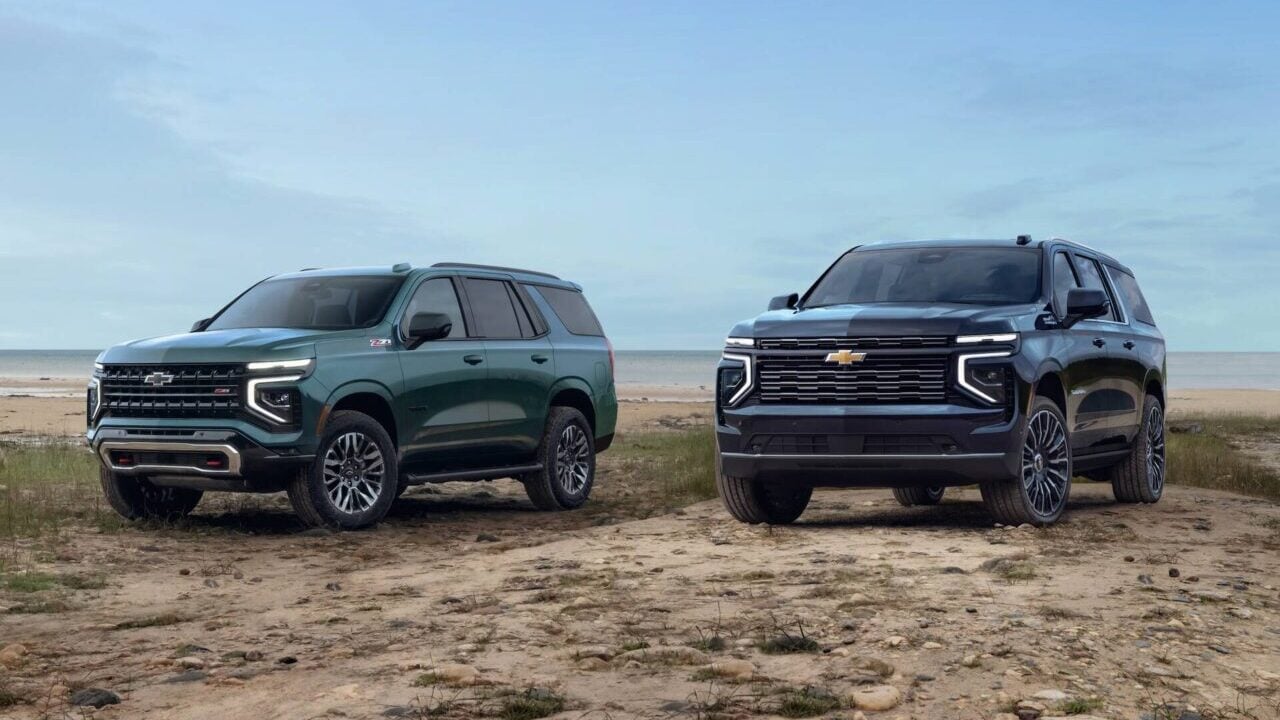
GM has not reportedly provided a firm public timeline for when the suspended patch will resume.
Until then, dealers and customers remain in a holding pattern.
If engineers can solve the phantom braking concern without disrupting Super Cruise functionality, sales should restart quickly.
But until that happens, some of America’s most expensive new SUVs may stay parked exactly where they are.