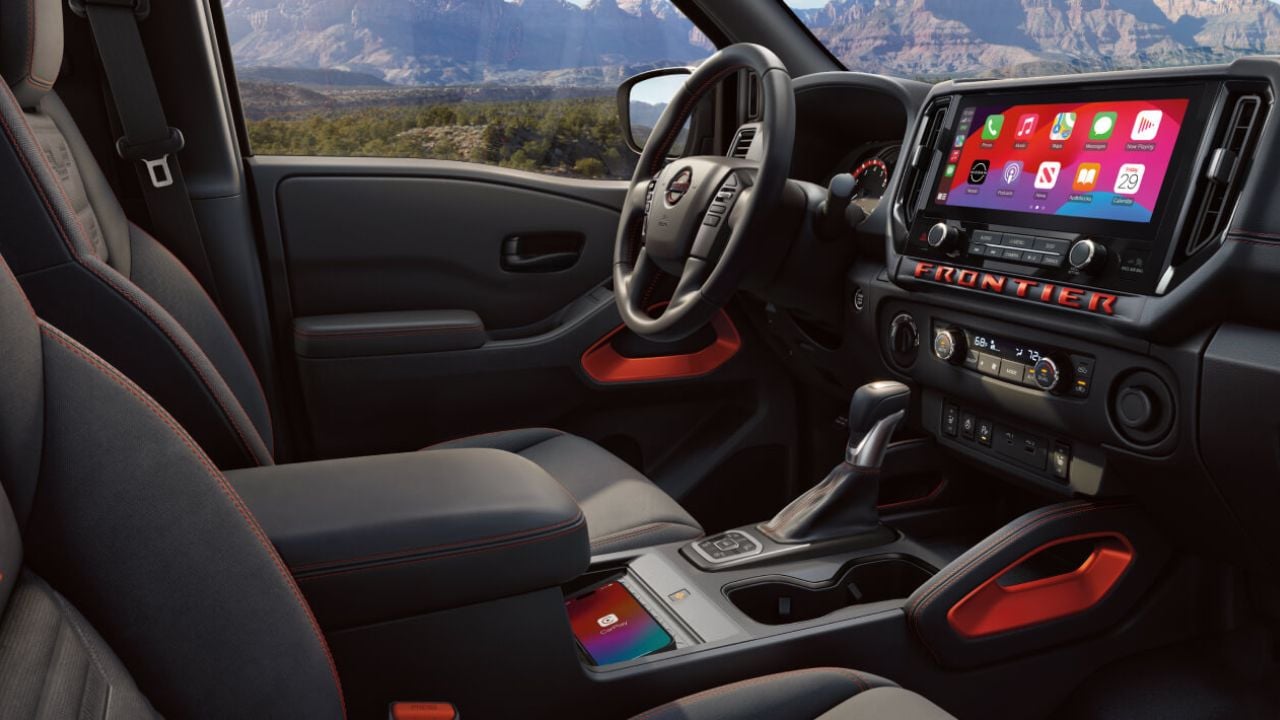
Your next car may eventually watch you just as closely as you watch the road.
A provision buried inside the 2021 United States Congress Infrastructure Investment and Jobs Act requires automakers to develop technology capable of detecting impaired drivers.
The idea sounds simple enough. Stop drunk driving before it happens.
The problem? The technology needed to make that work reliably doesn’t really exist yet.
Automakers Face A 2027 Deadline
The law gave the National Highway Traffic Safety Administration and automakers three years to figure out how this system would work.
The goal was to begin implementation by 2027. There’s just one major issue.
According to a recent NHTSA report to Congress, current systems aren’t close to being ready.
Current Tech Isn’t Accurate Enough

NHTSA said there are currently no production vehicles with technology capable of passively detecting blood and/or breath alcohol concentration, and that’s a major problem.
Even if a system were somehow 99.9% accurate, NHTSA says that would still create millions of false positives annually.
That means sober drivers could potentially be locked out of their own vehicles.
Cameras Could Become A Bigger Part Of Your Car
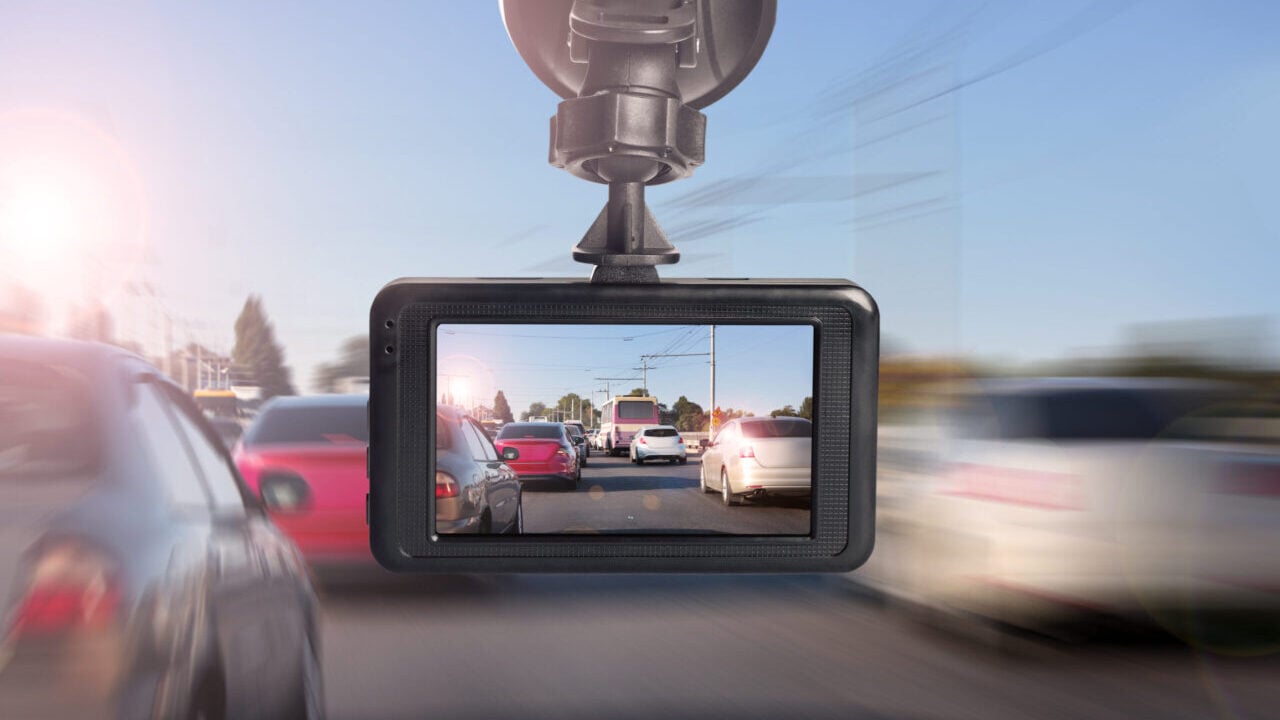
This is where privacy concerns start getting uncomfortable.
Automakers may eventually rely heavily on cabin cameras, steering sensors, eye tracking, and driver behavior monitoring.
Many modern vehicles already track drowsiness, distraction, and medical emergencies.
Expanding those systems into alcohol or drug detection raises obvious questions about privacy and data collection.
Your Car Already Collects More Data Than You Think
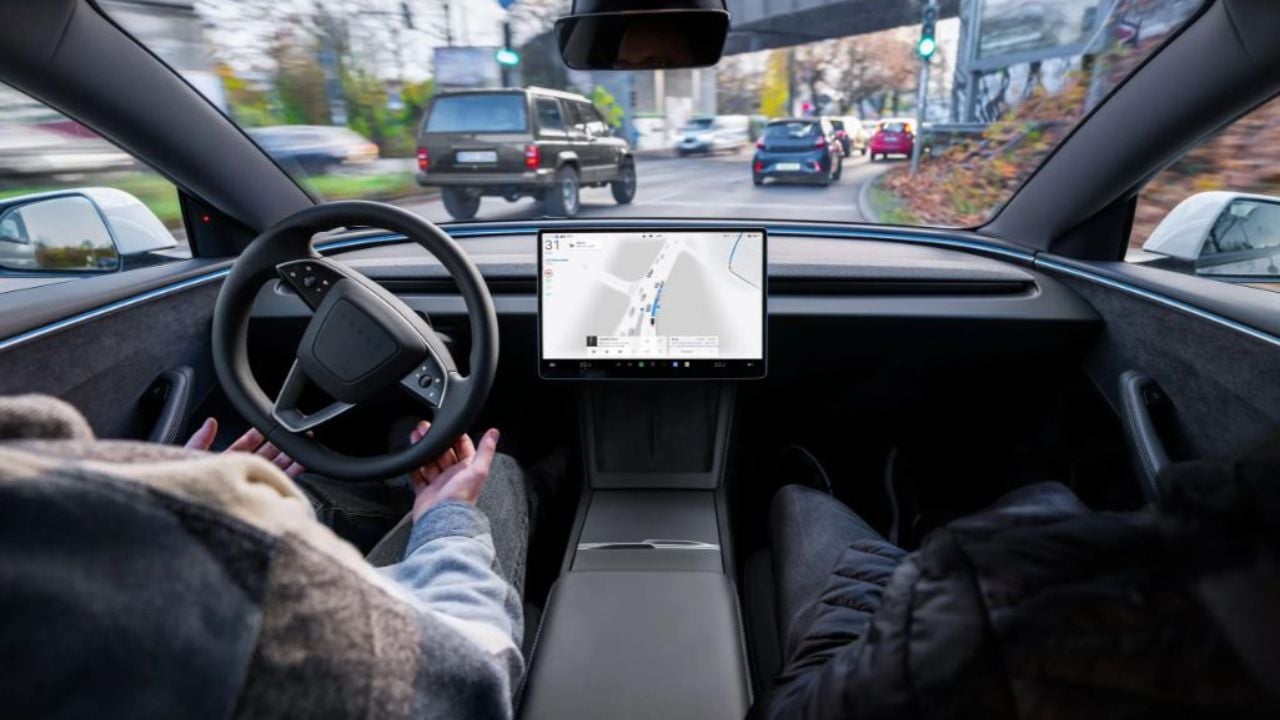
Modern vehicles already generate huge amounts of user data, including driving habits, speed data, location information, vehicle diagnostics, and camera footage in some cases
Critics worry this new mandate could create even more opportunities for misuse.
Safety Groups Are Pushing Hard
The Insurance Institute for Highway Safety is also pressuring automakers to adopt impaired-driving detection technology.
The organization wants future safety awards to include these systems as part of its ratings criteria.
Automakers Are Walking A Fine Line
Companies like BMW, Ford Motor Company, General Motors, and Toyota have reportedly expressed support for reducing drunk driving.
However, they’ve also warned regulators that consumers may reject systems that feel overly invasive, or simply don’t work reliably.
The Bigger Question

Nobody wants impaired drivers on the road. That part is obvious.
The real debate is whether drivers are comfortable handing their car the power to decide whether they’re allowed to drive in the first place.
Right now, the technology doesn’t appear ready for that responsibility.