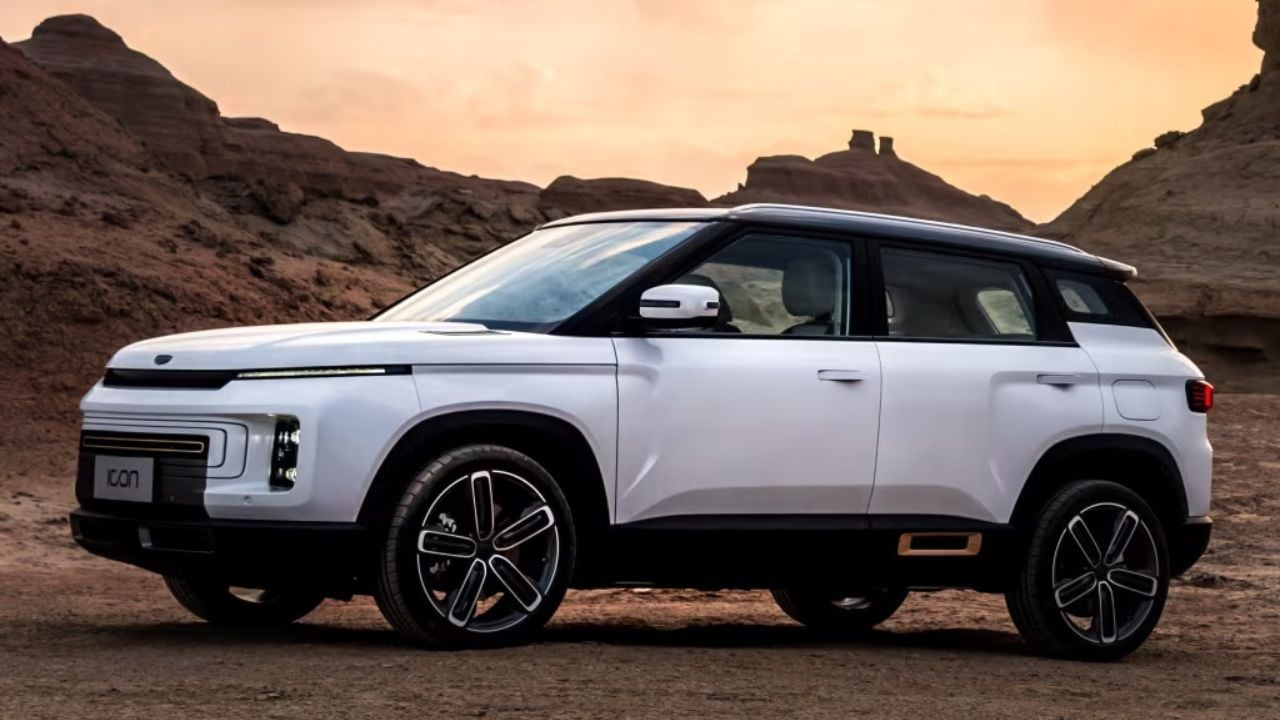
Chinese auto giant Geely may have found one of the smartest ways to enter the U.S. market without directly colliding with the political resistance that has surrounded Chinese automakers in America in recent years.
While companies such as BYD and Nio are still trying to find a clear route to American buyers, Geely already has something its rivals lack.
It owns established infrastructure, production sites, and recognizable brands that have been operating in the United States for years.
That could give Geely a quieter and more practical path into one of the world’s most difficult car markets.
Volvo, Lotus, And Polestar Give Geely A Head Start

The key to Geely’s strategy lies in its ownership of well-known European brands. The company controls nearly 79% of Volvo, owns 51% of Lotus, and has major influence over Polestar.
Through those names, Geely already operates in the U.S. market almost like a local player. It has access to existing dealer networks, service infrastructure, and production capacity.
The most important piece of this strategy may be Volvo’s factory in Charleston, South Carolina. The plant currently operates well below its maximum annual capacity of about 150,000 vehicles, which leaves room for additional production from the wider Geely group.
Volvo executives have already suggested that the factory could build new hybrids and crossover models for the U.S. market. Analysts see that as a major opportunity for Geely to avoid heavy tariffs on vehicles imported from China.
Local Production Could Reduce Political Pressure
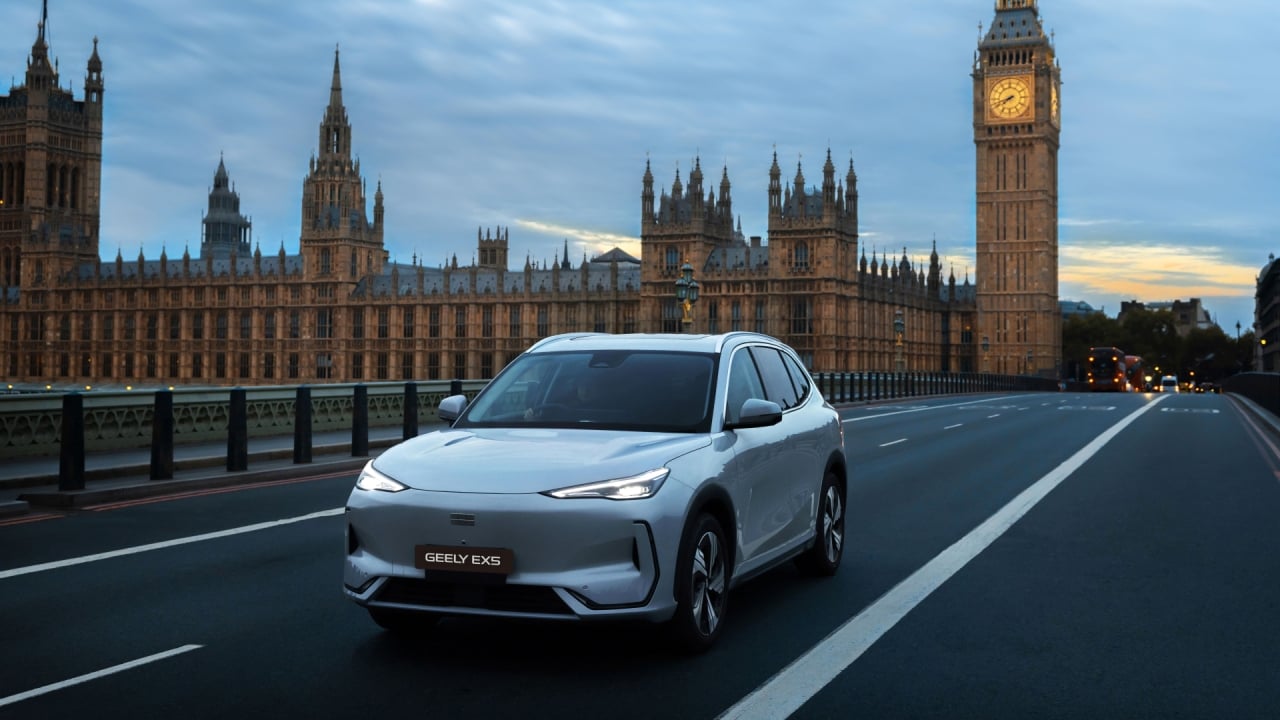
U.S. tariffs on Chinese battery electric vehicles currently reach 100%, with the possibility of additional restrictions tied to concerns over connected car technology and data security.
Production inside the United States could change that equation. Instead of importing finished vehicles from China, Geely could use existing factories and American labor.
That would make the political argument against the company much more difficult. A Chinese-owned vehicle built in South Carolina would create a very different public reaction than one shipped directly from China.
This is where Geely’s ownership structure becomes especially useful. The company does not need to introduce itself as an unfamiliar Chinese brand from zero. It can move through names American buyers already recognize.
Zeekr Could Be The First Real Candidate
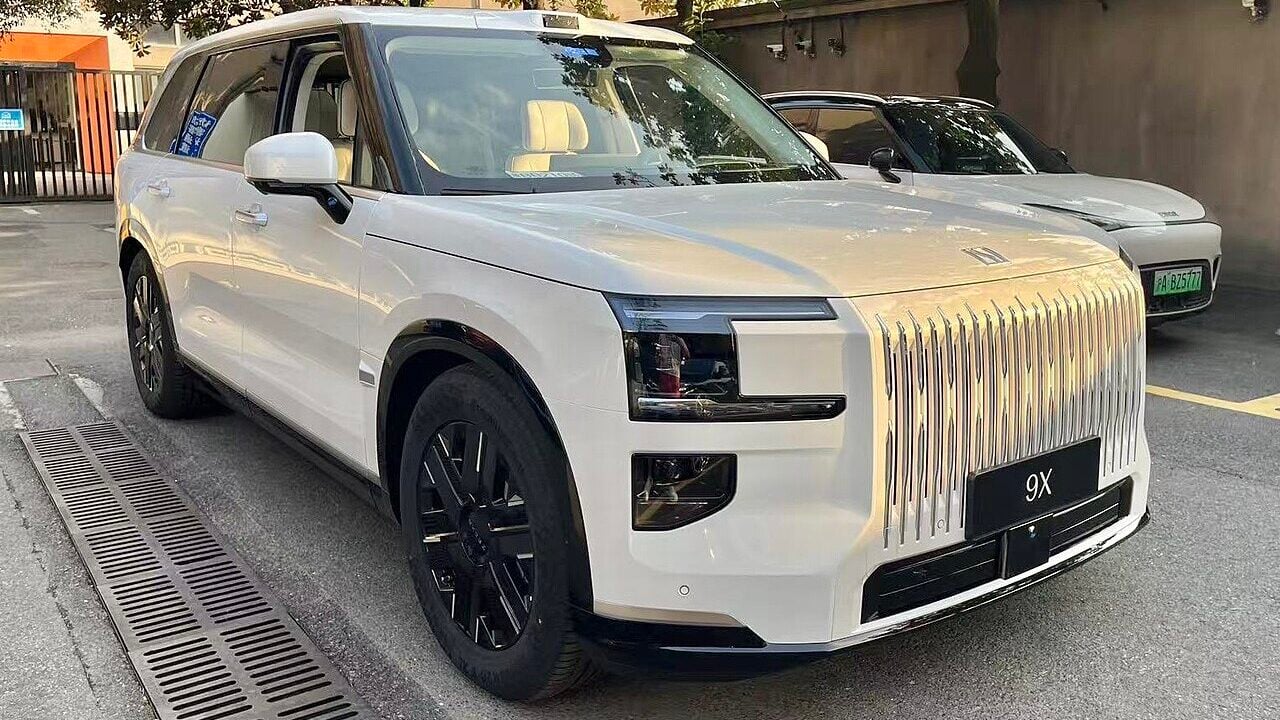
Among Geely’s many brands, analysts believe Zeekr is currently the most realistic candidate for an official U.S. launch.
Zeekr is a premium battery electric brand focused on performance, technology, and upscale design. It sits somewhere between Volvo and the group’s more expensive luxury offerings.
The brand is already quietly present in America through its cooperation with Waymo. The autonomous robotaxi vehicles used by Waymo in San Francisco are based on Zeekr platforms.
That gives Geely a valuable advantage. Instead of presenting American buyers with a completely unknown Chinese car, the company is already building visibility through existing technology partners.
Analysts believe Zeekr could become the first Chinese EV brand accepted by American buyers with fewer prejudices, especially among younger customers who are more open to Chinese cars and new technology.
Geely Already Has Global Experience
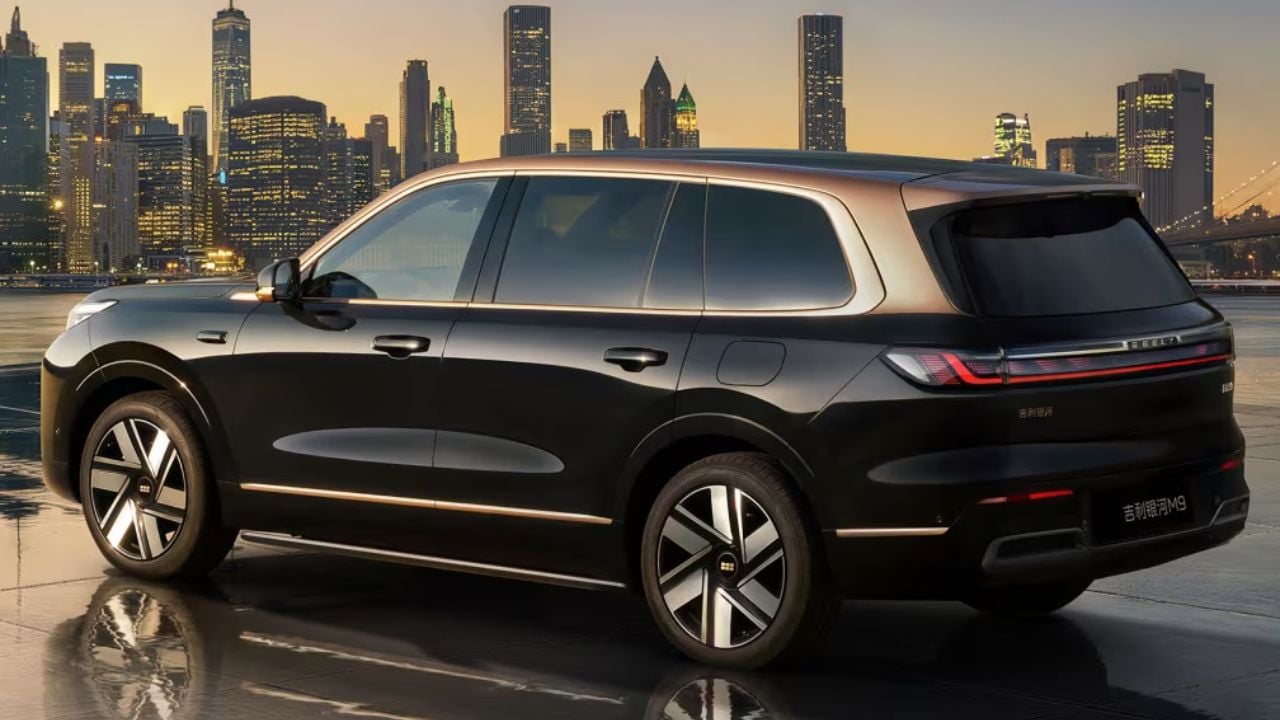
Geely’s global expansion further strengthens its position. In the first quarter of 2026 alone, the company sold almost 1 million vehicles worldwide.
Its aggressive expansion in Europe has also given Geely valuable experience operating outside China. That experience may be the biggest difference between Geely and other Chinese manufacturers still trying to become global players.
The political tone in Washington adds another layer to the story. While some American politicians want to block Chinese vehicles, others support local production regardless of where the parent company is based.
Donald Trump recently said Chinese companies would be welcome if they built factories in the United States and hired American workers.
That may become the future model for Chinese automakers in America. Less direct export from China and much more production on American soil.
This article originally appeared on Autorepublika.com and has been republished with permission by Guessing Headlights. AI-assisted translation was used, followed by human editing and review.