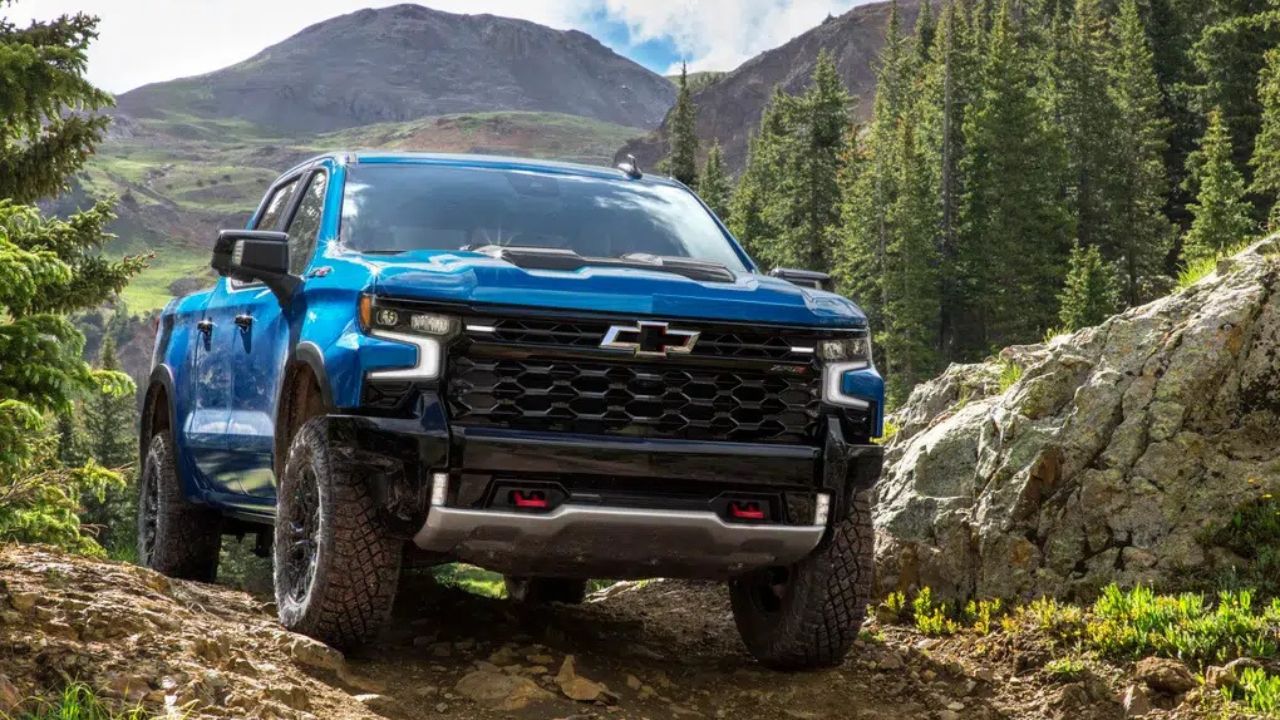
Full-size pickups consistently rank among America’s top-selling vehicles year after year, led by models like the Ford F-Series, Chevrolet Silverado, and Ram. But here’s the thing: just because everyone’s neighbor has one doesn’t mean you need one parked in your driveway.
These capable machines excel at specific tasks and lifestyles, while presenting challenges for others. Understanding whether a full-size truck fits your actual needs, not just your wants, can save you thousands of dollars and plenty of headaches.
We get the appeal of a capable, big truck. And to be honest, you don’t need a reason to have one in your driveway. Some of us just find them fun to drive and that’s fine, too. However, you may want to consider some of the following big truck conundrums before making the purchase.
The Fuel Economy Reality Check
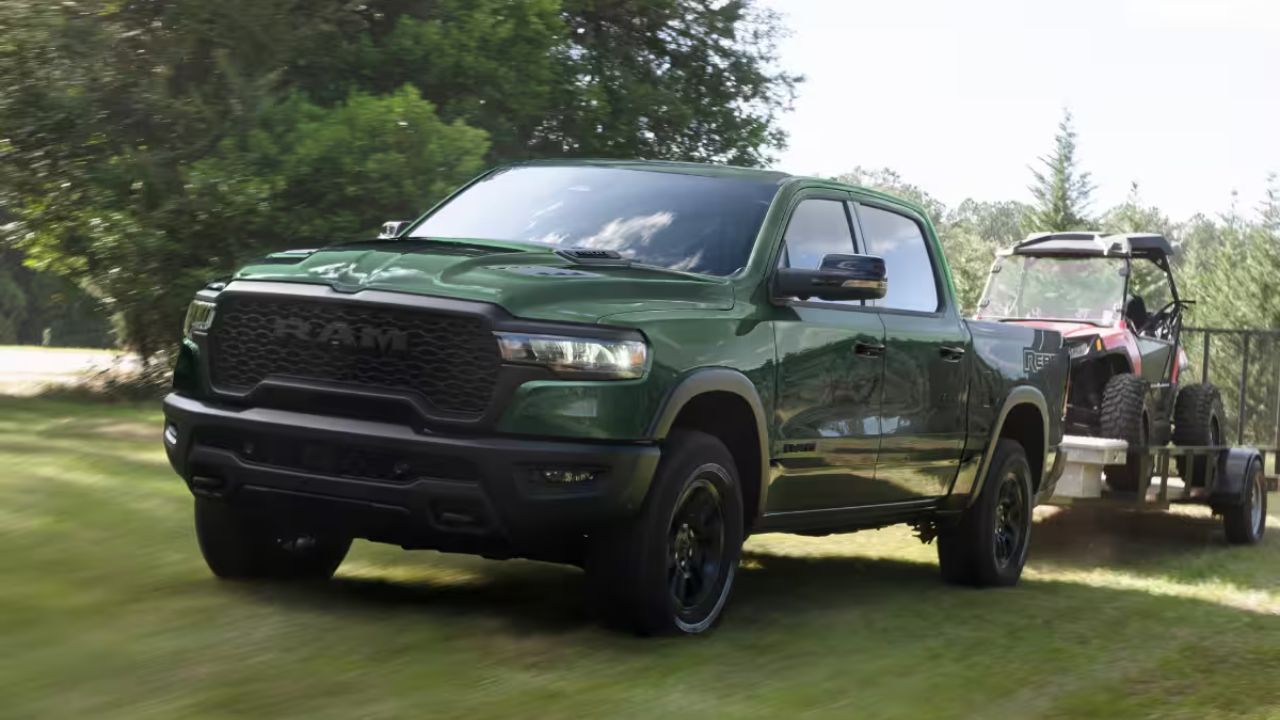
Let’s address the elephant in the room: full-size trucks drink fuel like it’s their job, because, well, it kind of is.
Most modern half-ton trucks land around 18–21 mpg combined depending on engine and drivetrain, with some configurations rated about 19–21 mpg combined on EPA-style figures, which sounds manageable until you’re commuting 50 miles each way to work five days a week. If you’re racking up serious highway miles for your daily grind, you’ll feel that at the pump, we’re talking potentially $300-400 monthly in fuel costs depending on current gas prices. However, if your truck spends most of its time hauling equipment around your property or making occasional trips to the hardware store, those fuel bills suddenly become a lot more reasonable.
The key question isn’t whether trucks use more gas (they do), but whether your driving patterns make that cost worthwhile.
Purchase Price Considerations

Sticker shock is real when you’re shopping for a new full-size truck.
Base-model MSRPs for full-size trucks generally start in the high-$30k to mid-$40k range before destination fees, depending on brand and configuration, but let’s be honest, nobody buys the base model. Once you add the trim level you actually want, four-wheel drive, and a few creature comforts, with popular trims and options, transaction prices often land around $55,000–$75,000+. That’s serious money that could alternatively go toward a capable SUV or midsize truck with cash left over for other priorities. For contractors, ranchers, and folks who genuinely need the capability, this investment pays dividends through years of hard work.
But if you’re mostly envisioning yourself using that truck bed for the occasional Costco run, you might want to reconsider whether that price tag makes sense for your situation.
The Parking Lot Dance
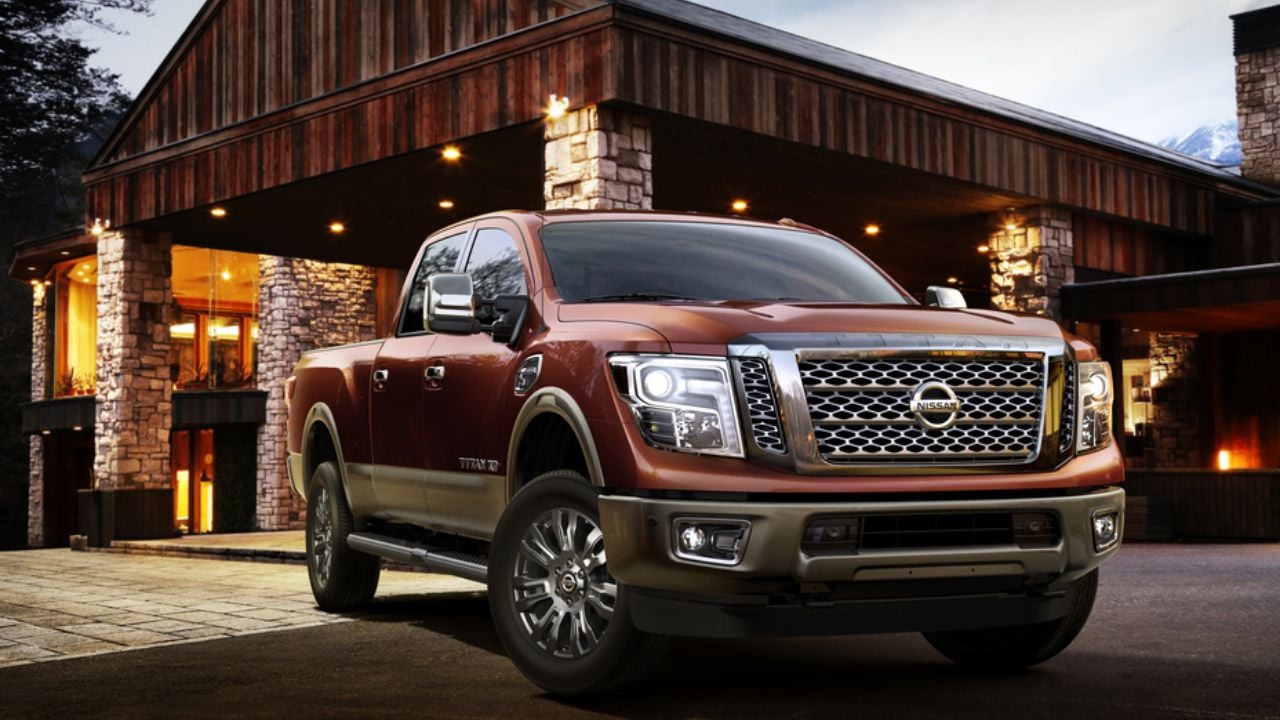
Modern full-size trucks have gotten, well, not-so-small.
The latest F-150s, Silverados, and Rams can stretch over 19 feet long in crew cab configurations, depending on bed length, and they’re over 6.5 feet wide, and can exceed 7 feet with mirrors extended. Navigating crowded parking garages becomes an exercise in precision driving, and forget about those “compact” spaces at the grocery store.
Urban and suburban dwellers often find themselves circling for ages looking for end spots or grudgingly parking way out in the boonies. On the flip side, if you live in rural areas or suburbs with generous parking, this barely registers as an inconvenience.
Your environment matters enormously when considering whether a truck’s footprint will be a minor quirk or a daily frustration.
Insurance Premiums Add Up

Here’s something that surprises first-time truck buyers: insurance costs for full-size pickups run noticeably higher than sedans or crossovers.
For full-coverage policies, annual premiums for pickups are commonly reported in the ~$2,300–$2,700 range, though it varies heavily by location, driver, and trim, sedans and crossovers can be cheaper to insure, but the gap depends strongly on model, theft rates, and where you live. Those extra hundreds per year stem from higher repair costs, increased theft rates for popular models, and the greater potential damage these heavy vehicles can cause in accidents.
Over a typical six-year ownership period, you’re looking at roughly $2,400-$4,200 more in insurance expenses compared to a standard passenger vehicle. For business owners who can write off these costs or folks who budget accordingly, it’s just part of owning the right tool.
For others, this ongoing expense might tip the scales toward something more economical.
The Ride Quality Tradeoff
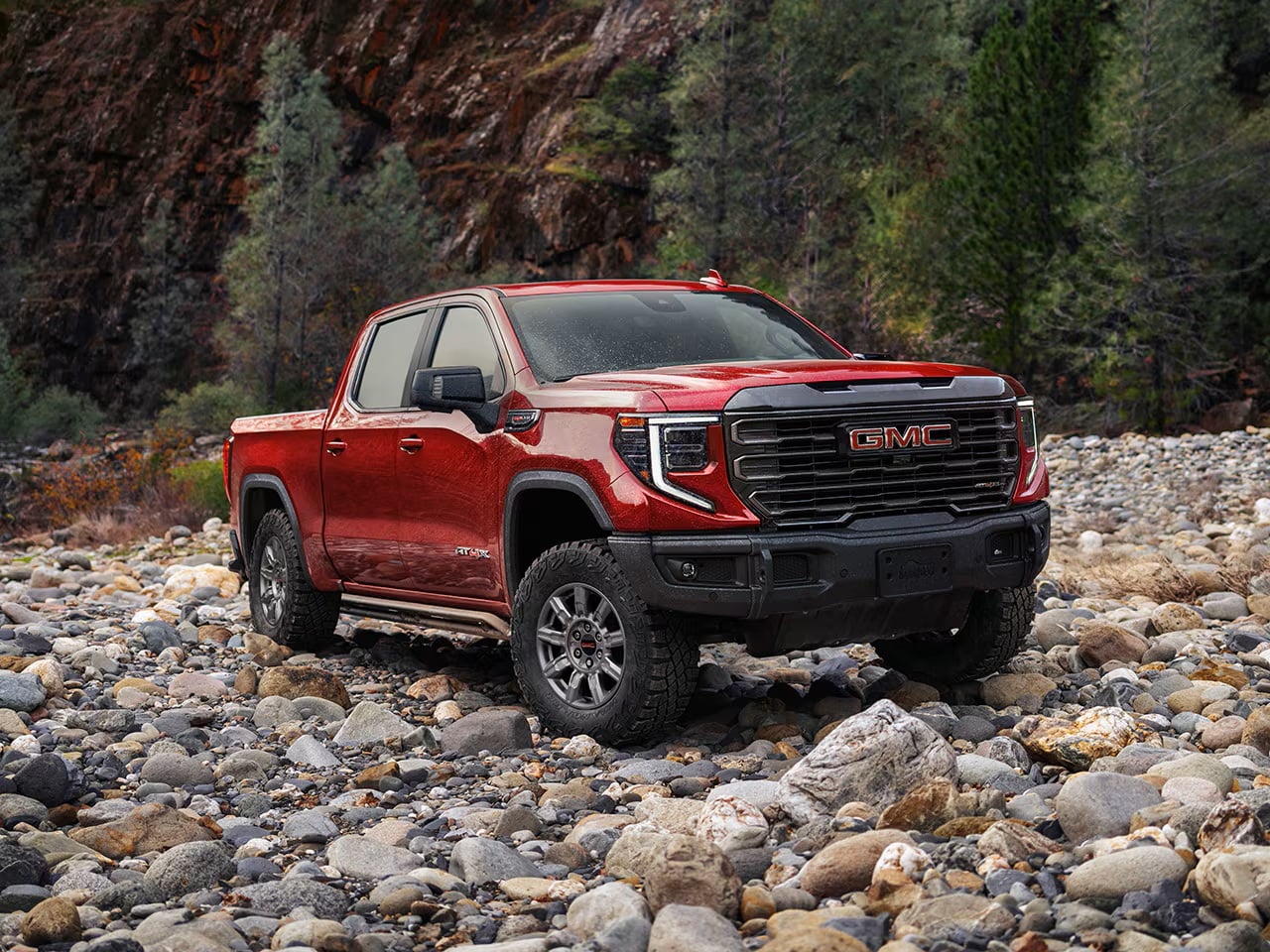
Truck suspension systems are engineered to handle payload and towing, not to cosset passengers over every road imperfection.
When empty, many full-size trucks exhibit a choppy, bouncy ride that can feel downright harsh compared to car-based SUVs or sedans. The rear leaf springs that enable serious hauling capability tend to hop over bumps when there’s no weight pressing them down. Load that same truck with 1,500 pounds of gravel or hook up a trailer, though, and suddenly it settles into a composed, planted feel.
If your typical drive involves just you and maybe a passenger, that empty-truck jostling might get old fast. But if you’re regularly putting your truck to work, you’ll appreciate that the ride quality actually improves when you’re using it as intended.
Passenger Comfort and Access
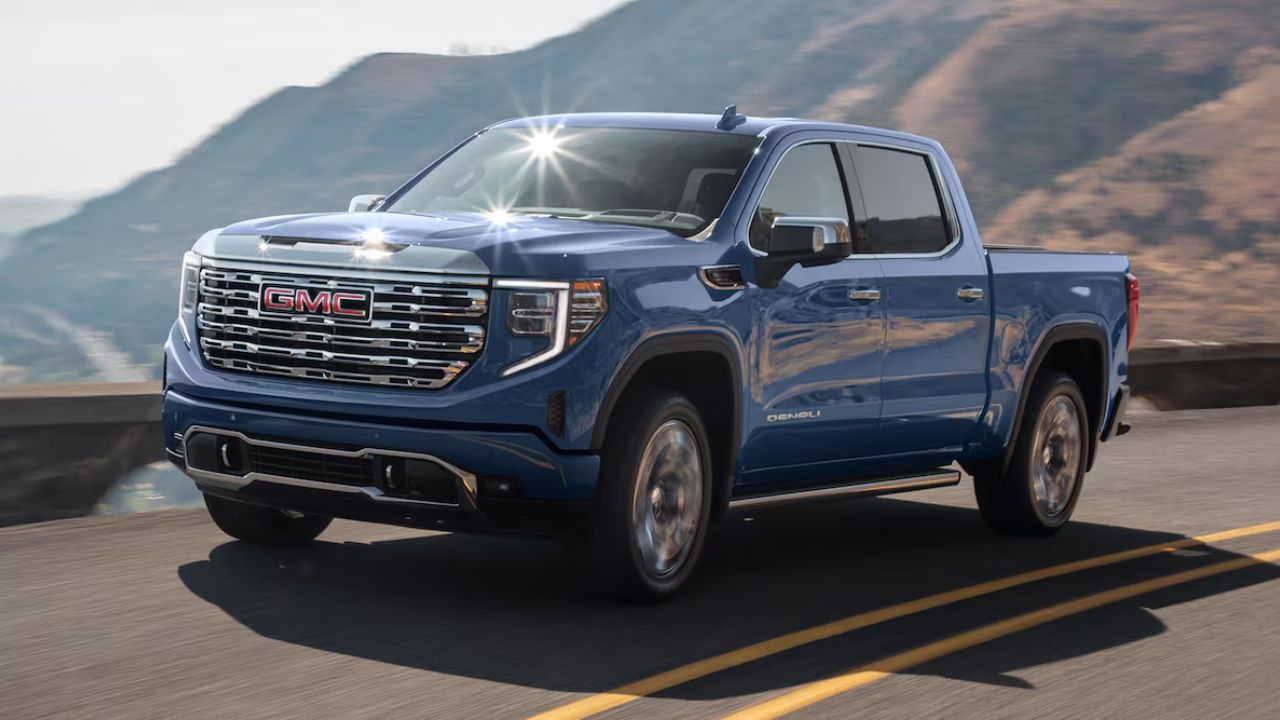
Climbing into a modern 4×4 pickup requires either a good step or reasonable flexibility, especially for shorter folks, kids, or elderly passengers.
Ground clearance that’s fantastic for off-road adventures or deep snow becomes a hindrance during everyday use. Rear seat access in crew cabs is better than it used to be, but it still involves a bigger step up than most SUVs require.
Many truck buyers add aftermarket running boards or power-deployable steps to ease entry, which adds another $500-$2,000 to the tab. If you’re frequently chauffeuring people around, kids to school, parents to appointments, this accessibility factor deserves consideration.
For solo operators or folks with able-bodied passengers, it’s barely noticeable after the first week.
Maintenance and Repair Costs

Full-size trucks are generally built tough, but keeping them running properly isn’t exactly cheap.
Brake jobs cost more because the rotors and pads are larger, oil changes require more fluid (especially in diesel models), and tire replacements for all-terrains or serious rubber can easily run $1,200-$1,600 for a set. Factor in the occasional ball joint, U-joint, or other wear items, and you’re looking at higher annual maintenance than your average commuter car.
The saving grace? These trucks are designed for durability and high mileage, so while individual services cost more, major repairs are relatively rare if you keep up with maintenance. For contractors whose livelihood depends on their truck, this is just the cost of doing business.
Weekend warriors might find themselves questioning whether they’re getting their money’s worth.
The Towing Capability You Might Never Use

Here’s a truth many truck buyers don’t want to admit: that impressive 12,000-pound towing capacity sounds amazing until you realize you don’t own a boat, camper, or trailer.
Most full-size trucks spend their entire lives never towing anything heavier than an occasional U-Haul trailer. You’re essentially paying for and hauling around capability that sits dormant.
Now, if you actually do own toys that need towing, or you’re planning to buy that dream camper, this capability is absolute gold. Just be honest with yourself about whether “I might tow something someday” is really worth the compromises.
That said, it’s better to have towing capacity you rarely use than to need it once and not have it. Sometimes.
Bed Length Decisions Matter
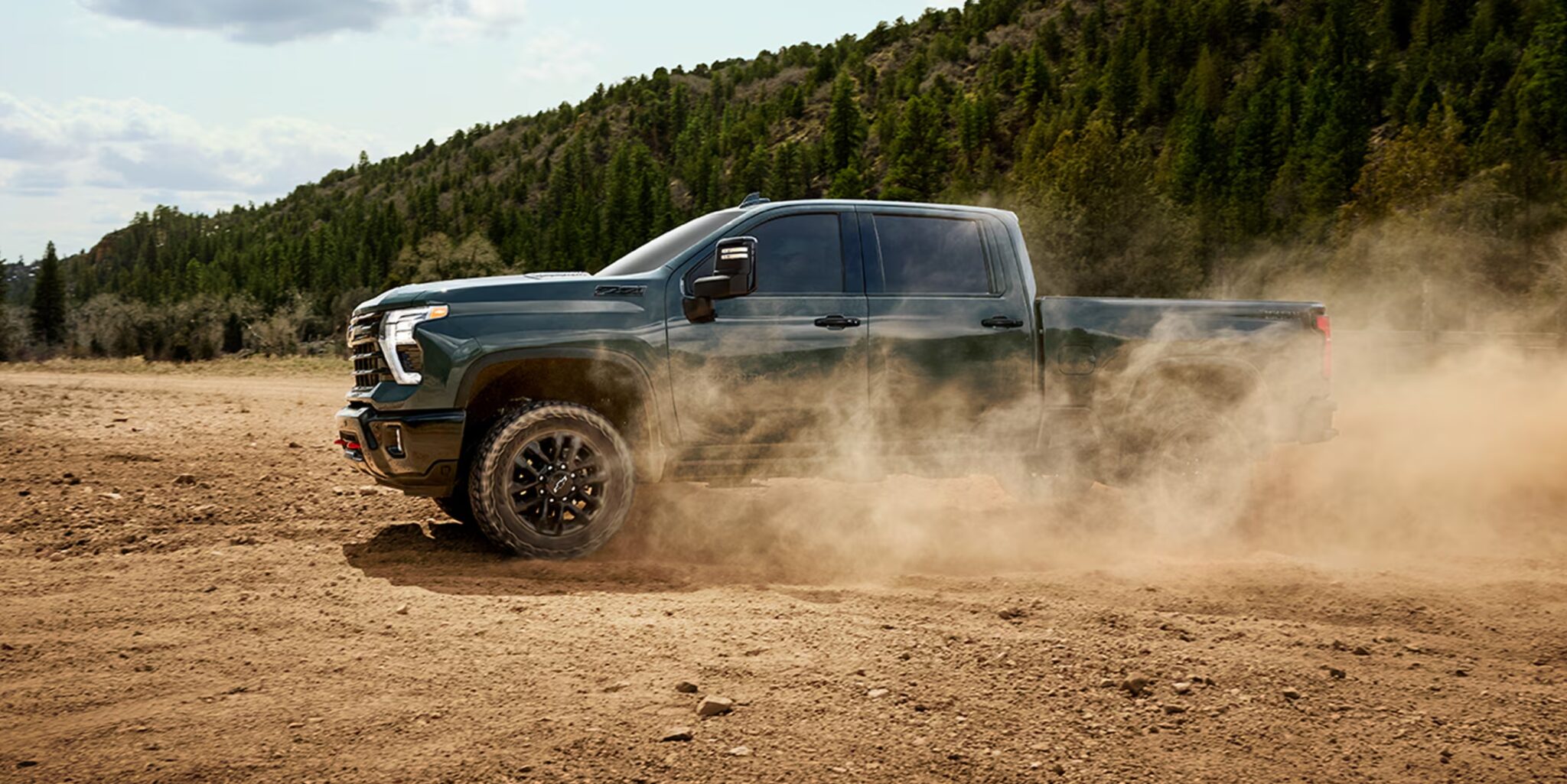
Choosing between a 5.5-foot, 6.5-foot, or 8-foot bed seems straightforward until you start considering real-world scenarios.
Short beds are easier to maneuver and park, but they won’t fit a standard 4×8 sheet of plywood flat between the wheel wells. Long beds swallow building materials and equipment with room to spare, but they push overall vehicle length past 20 feet.
Most buyers end up compromising with a 6.5-foot bed, which handles most tasks reasonably well without being too unwieldy. If your work regularly involves full sheets of material or long lumber, that 8-footer becomes essential rather than optional.
For occasional haulers, the short bed’s convenience might outweigh the rare moments when you need to angle materials or make a second trip.
Weather Capability vs. Daily Overkill

Four-wheel drive and high ground clearance make full-size trucks phenomenal for snow, mud, and off-road adventures.
But in reality, most trucks spend 95% of their lives on paved roads in decent weather. That 4WD system you’re paying extra for, often around $2,800–$4,000 depending on trim and manufacturer.” On the sticker price, might only get activated a handful of times per year. In snowy climates or rural areas with unpaved roads, this capability transitions from luxury to necessity real quick.
For folks in mild climates with maintained roads, though, you’re essentially paying for peace of mind and occasional convenience. There’s nothing wrong with that if your budget allows, but a good set of all-season or winter tires on a 2WD truck handles most situations just fine.
Depreciation Patterns Work Both Ways

Full-size trucks typically hold their value better than most vehicles, which is great news when it’s time to sell or trade.
Full-size trucks often retain around the mid-50% range after five years on average, with some models higher depending on demand and condition, compared to 45-50% for many sedans or crossovers. This means your $60,000 truck might be worth $33,000-36,000 down the road, cushioning the financial blow somewhat.
However, this also means used trucks command premium prices, making them expensive to buy even secondhand. If you’re planning to run your truck into the ground over 10-15 years, resale value becomes less critical.
But if you like trading vehicles every few years, those strong resale values can actually work in your favor, making the total cost of ownership more palatable than the sticker price alone suggests.
The Psychological Factor of “Truck Person” Identity
There’s an interesting cultural element to truck ownership that goes beyond pure practicality.
Owning a full-size truck often comes with an identity, you become “a truck person” in your social circle. For some folks, this identity aligns perfectly with their lifestyle and self-image, making the truck feel like an extension of themselves.
For others, it can feel like wearing someone else’s clothes, especially if they bought primarily for capability they rarely use. Neither experience is wrong, but it’s worth considering whether you’re drawn to trucks for what they can do for you, or for what they might say about you.
The most satisfied truck owners tend to be the ones whose practical needs and personal identity align naturally with what these vehicles offer.
Conclusion

Full-size trucks represent a significant investment that makes perfect sense for the right buyer and less sense for others. If your lifestyle involves regular towing, hauling, off-road adventures, or work that demands serious capability, these machines deliver value that’s hard to match.
The higher fuel costs, maintenance expenses, and purchase prices become reasonable tradeoffs when you’re actually using what you’re paying for. On the other hand, if you’re attracted to trucks mainly for their image or occasional utility, you might find yourself paying a premium for capability that sits idle most days.
The smartest approach is honest self-assessment about your real needs versus your wants, because that clarity will save you money and buyer’s remorse in the long run…