

The Federal Trade Commission has issued a sweeping warning to dozens of auto retailers across the United States, reminding them that the prices they advertise must reflect what buyers actually pay.
In an announcement on March 13, the agency said it sent warning letters to 97 auto dealership groups about pricing practices that may mislead consumers.
The move signals growing scrutiny of how vehicles are marketed online and in dealership promotions, particularly as more shoppers begin their purchase journey on the internet.
The Core Rules: What Dealers Must Disclose
According to the FTC, advertisements for vehicles must clearly include all mandatory fees that a customer would have to pay to purchase the car. If certain costs are unavoidable, such as required dealer add ons or fees that apply to every buyer, those charges should already be reflected in the advertised price.
The agency said advertisements that appear to offer a low price but then add unavoidable costs later in the transaction could be considered deceptive. This practice is commonly referred to as “drip pricing,” where the advertised number does not represent the true cost of the product.
The warning letters also highlight another common complaint from car buyers. Some dealerships advertise vehicles that are not actually available to purchase. The FTC said that promotions must reflect vehicles that are genuinely in inventory or otherwise available to consumers.
Advertising a vehicle that cannot be purchased at the promoted price could violate federal consumer protection rules.
Discounts, Rebates, and Fine Print
Another issue involves discounts or rebates that are presented as broadly available even though only a limited group of buyers can qualify for them. The FTC stressed that if an advertised price depends on special conditions, such as a military discount, loyalty rebate, or financing requirement, those limitations must be clearly disclosed.
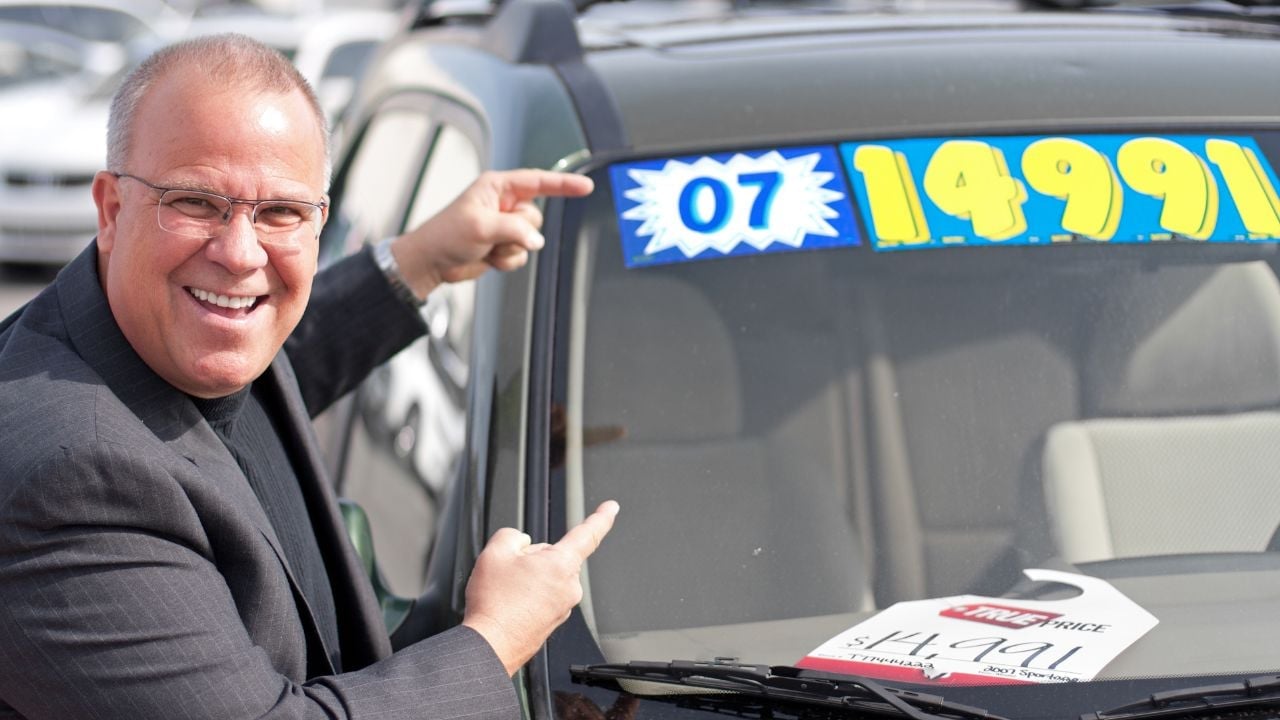
Prices that only apply to a narrow subset of customers should not be presented as the general purchase price.
“Misleading price claims can cost consumers thousands of dollars,” the FTC said in its announcement. The agency noted that clear and honest pricing allows shoppers to compare vehicles and financing offers more effectively before visiting a dealership.
The warning letters themselves do not accuse the dealerships of specific violations. Instead, they serve as a formal reminder that businesses must comply with federal laws that prohibit deceptive advertising. The FTC said companies that receive such warnings should review their advertising practices carefully.
However, the agency also made clear that the letters are not merely informational. If investigators later determine that a company continues to engage in misleading conduct after receiving a warning, the FTC could pursue enforcement action.
A Broad Push for Transparency
The crackdown reflects a broader effort by regulators to address concerns about pricing transparency in the car market.
Consumers increasingly rely on digital listings when shopping for vehicles, which means misleading advertisements can spread quickly across dealership websites, online marketplaces, and social media promotions.
Consumer advocates have long argued that unclear pricing contributes to frustration during the car buying process. Many shoppers report seeing a low advertised price online only to discover additional mandatory charges when they arrive at the dealership.
The FTC says its goal is to ensure that the price consumers see in an advertisement is the same price they can realistically expect to pay when they decide to buy.
The Bottomline for Dealerships
Summarily, the FTC’s message to dealerships is that advertised prices should include unavoidable fees, vehicles promoted in ads should actually be available, and discounts should not be presented as universal if they only apply to select buyers.
The agency said it will continue monitoring the marketplace and reviewing complaints from consumers. If it finds evidence that dealerships ignored the warnings and continued deceptive practices, enforcement actions could follow.
The announcement and details of the warning letters were published by the Federal Trade Commission on March 13, highlighting what regulators describe as a renewed push for transparency in auto retail pricing.
Sources: Federal Trade Commission