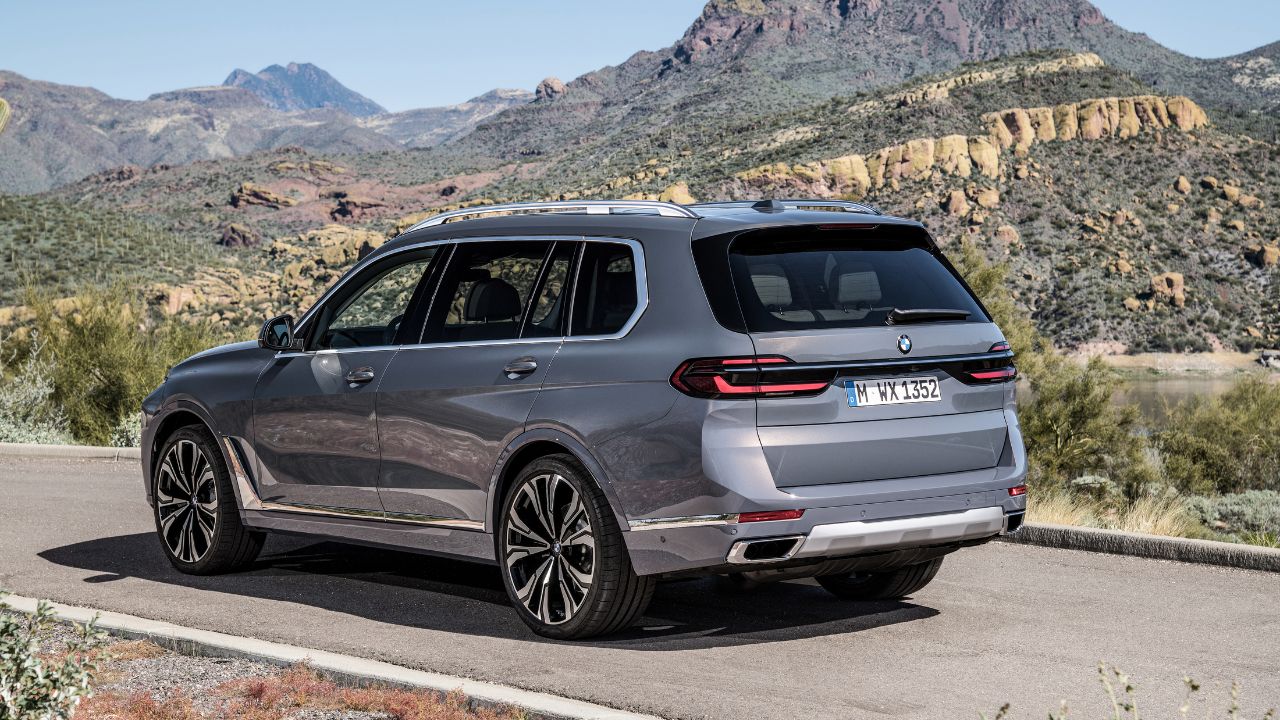

There is a smell to a BMW that’s hard to forget, and if you’ve ever owned one, you know exactly the smell I’m talking about. You close the door, the outside world fades, and for a moment it’s just you, the car, and the road ahead. BMW has been perfecting that feeling for decades, slipping clever ideas into its vehicles in ways that feel natural, not showy.
We’re not saying BMW invented every feature on this list; in fact, far from it. Plenty of brands have done similar things. But there’s something about the way BMW executes them that makes drivers notice, remember, and keep coming back. From the way the steering wheel seems to read your mind to the way the cabin feels tailored just for you, these are the touches that turn owning one BMW into owning another, and another… and another.
Under the Hood of Our Choices

We approached this list the way a restorer approaches a barn-find classic: carefully, respectfully, and with a sharp eye for what makes it truly special. We went back through BMW’s history, looking for the exact moments they pulled ahead of the pack. Not just clever gadgets or fleeting trends, but ideas that rewrote the rules and stuck around.
The research came from a mix of official archives, engineering records, and the kinds of stories you hear from longtime owners over coffee at a cars-and-coffee meet. Some of these innovations shaped racing wins, others quietly made everyday driving better without you even noticing until you drove something else.
iDrive Infotainment System
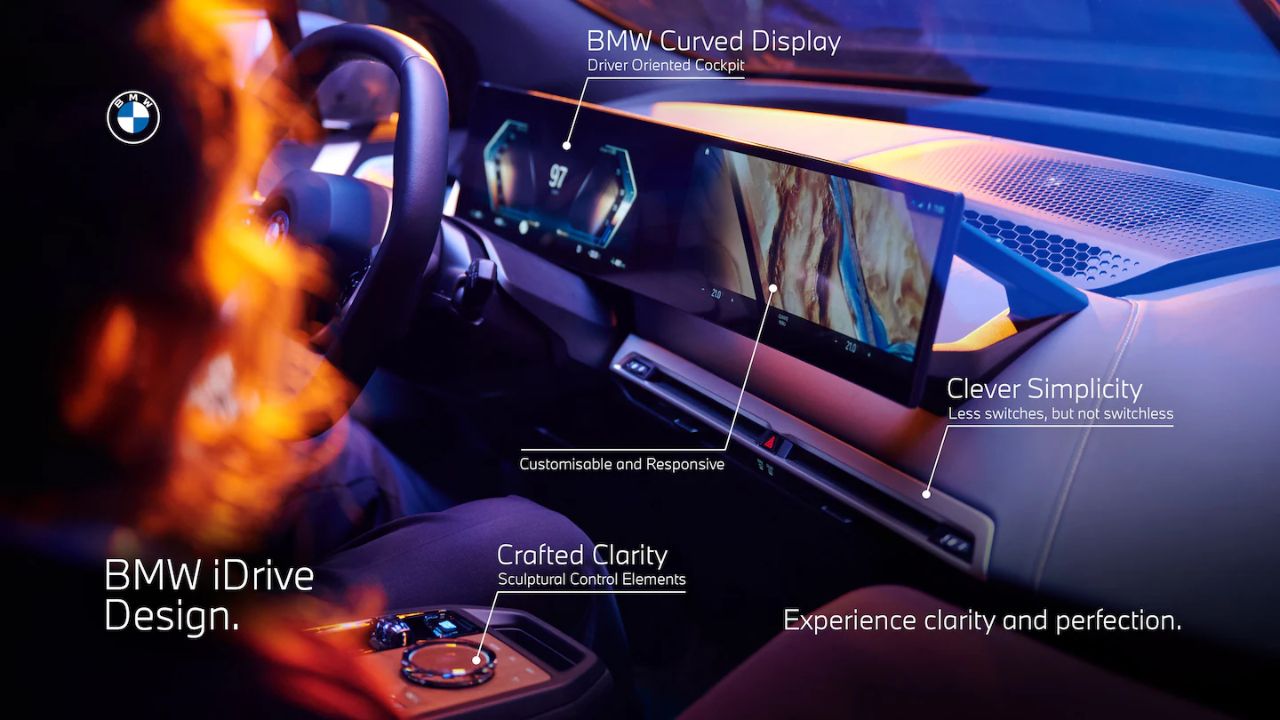
In 2001, BMW introduced iDrive in the 7 Series (E65), using a push and turn controller on the center console to operate functions like navigation, audio, and climate through a central display. Drivers could twist, press, and scroll their way through menus, adjusting everything from climate settings to navigation, all without hunting for a mess of buttons. The screen sat proudly on the dashboard like a digital lighthouse guiding you through a sea of information. It was a bold, tech-forward step that made you feel like the car was listening to you in a new, almost personal way.
The system’s menus felt endless, as if BMW had given drivers the keys to a private digital clubhouse. Passengers would lean over and marvel at the little cursor zipping around the display. Road trips suddenly came with a ritual: the driver showing off how many settings they could access without touching the road. Dealers began demonstrating it like a magician revealing a final trick. The interface’s rotating logic felt oddly satisfying, like opening a well-oiled safe. Even today, iDrive’s DNA lives on in countless infotainment systems, each one echoing BMW’s first leap into merging driver and machine.
Turbocharged Inline-Six Engines
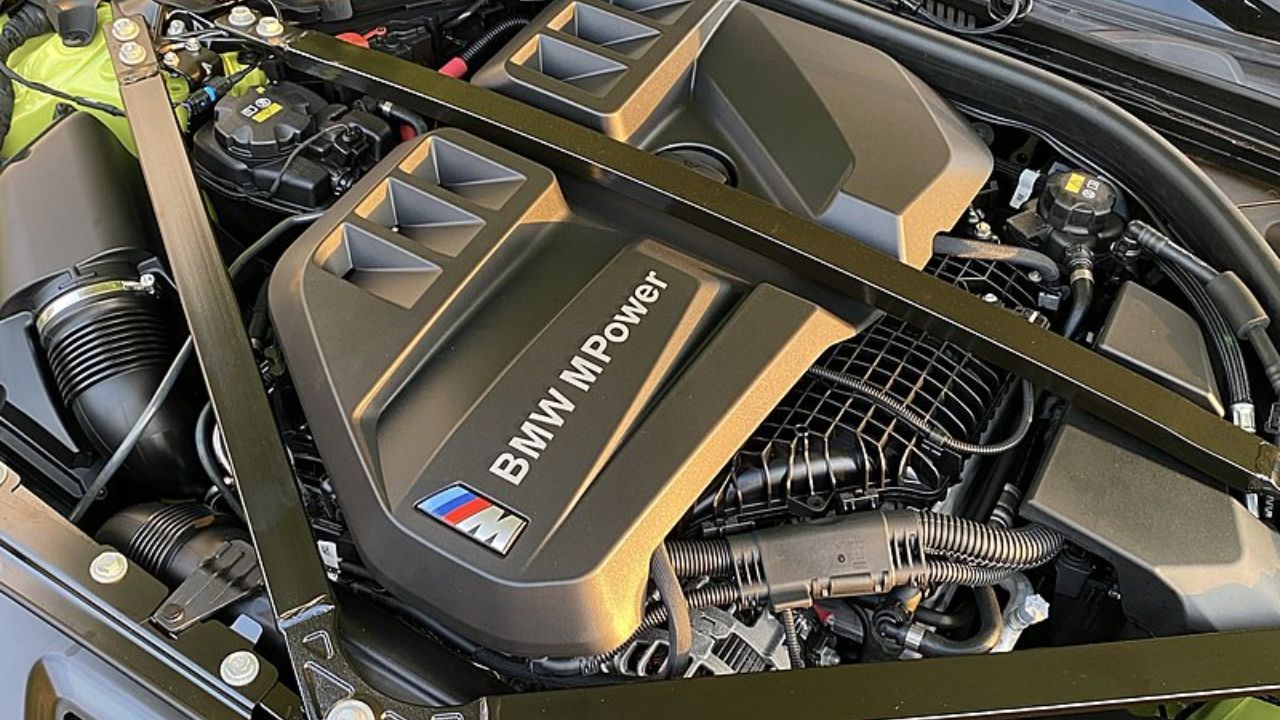
BMW’s inline-six has long been a thing of beauty, like a symphony of pistons that purrs with power and pure German engineering. When BMW started turbocharging them, it was as if the same orchestra got a fresh set of golden trumpets. The power delivery became smooth yet eager, surging forward with the quiet confidence of a seasoned sprinter. Drivers could ease onto the throttle and feel the whole car swell with purpose, as if the air itself was joining the performance. These engines loved to rev, yet also seemed content to loaf along, saving their strength for the right moment.
Engineers tuned the sound so that it felt both modern and familiar, a rare feat in a world of homogenized exhaust notes. The balance between performance and refinement became a BMW calling card, and enthusiasts found themselves chasing that same recipe across decades of models. It turned commutes into concerts and highways into long, gentle crescendos. Owners bragged about the buttery smoothness to anyone who would listen. The legend of the BMW turbo-six is one of enduring affection, a relationship between driver and machine forged in the perfect blend of engineering precision and mechanical soul.
Lightweight Carbon Fiber Reinforcement
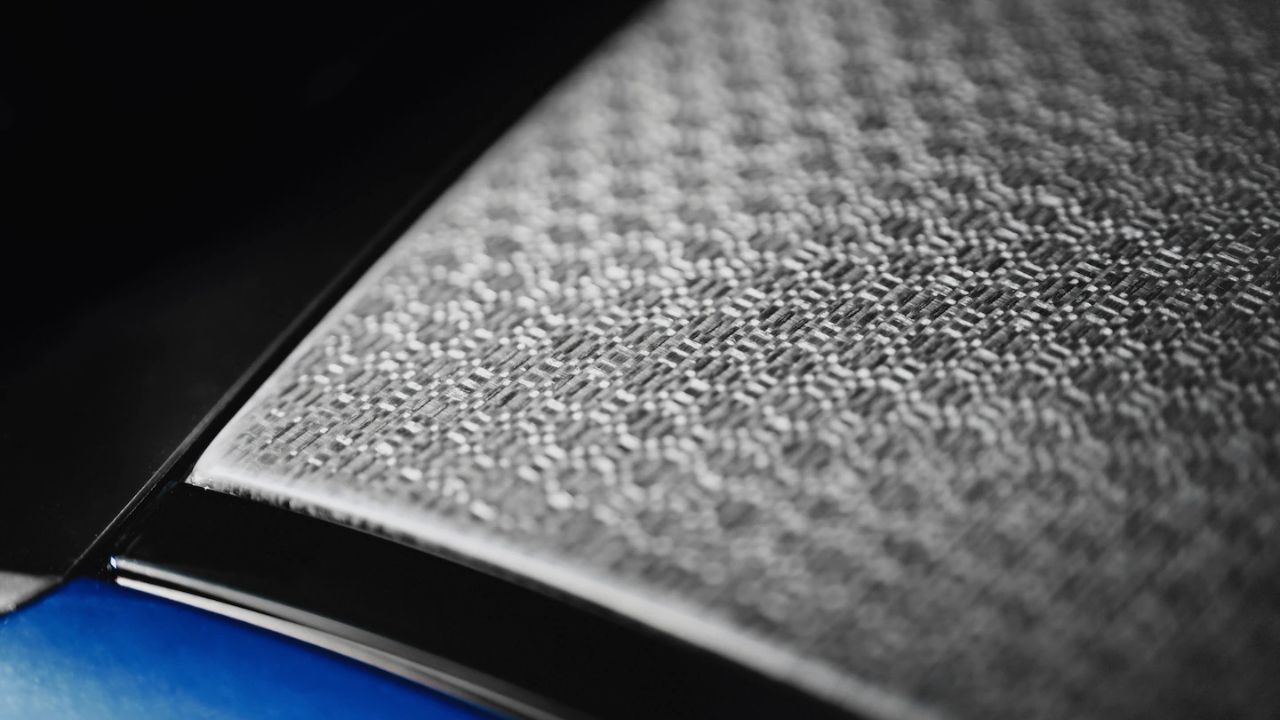
BMW used carbon fiber reinforced plastic (CFRP) structures to cut weight while maintaining stiffness, most visibly in BMW i models like the i3 and i8, and later by integrating CFRP into the 7 Series passenger cell as part of its Carbon Core construction. On the road, the weight reduction translated to a kind of nimbleness that felt like the car was eager to dance. Corners came and went with a crispness that felt almost choreographed. Owners loved to point out that their roofs or chassis had the same material used in exotic race cars, giving the cars a proper power-to-weight balance in times when new technologies and safety features added pounds.
BMW’s CFRP intensive BMW i construction, especially in models like the i3 and i8, brought futuristic technology into suburban driveways, and BMW later introduced Carbon Core as a CFRP based material mix in the 7 Series passenger cell. It was a conversation starter at gas stations and car meets alike. Mechanics admired the structural integrity that came with such advanced materials. Even decades later, the move would stand as a reminder that BMW had the vision to make cutting-edge composites part of everyday driving.
The Hofmeister Kink
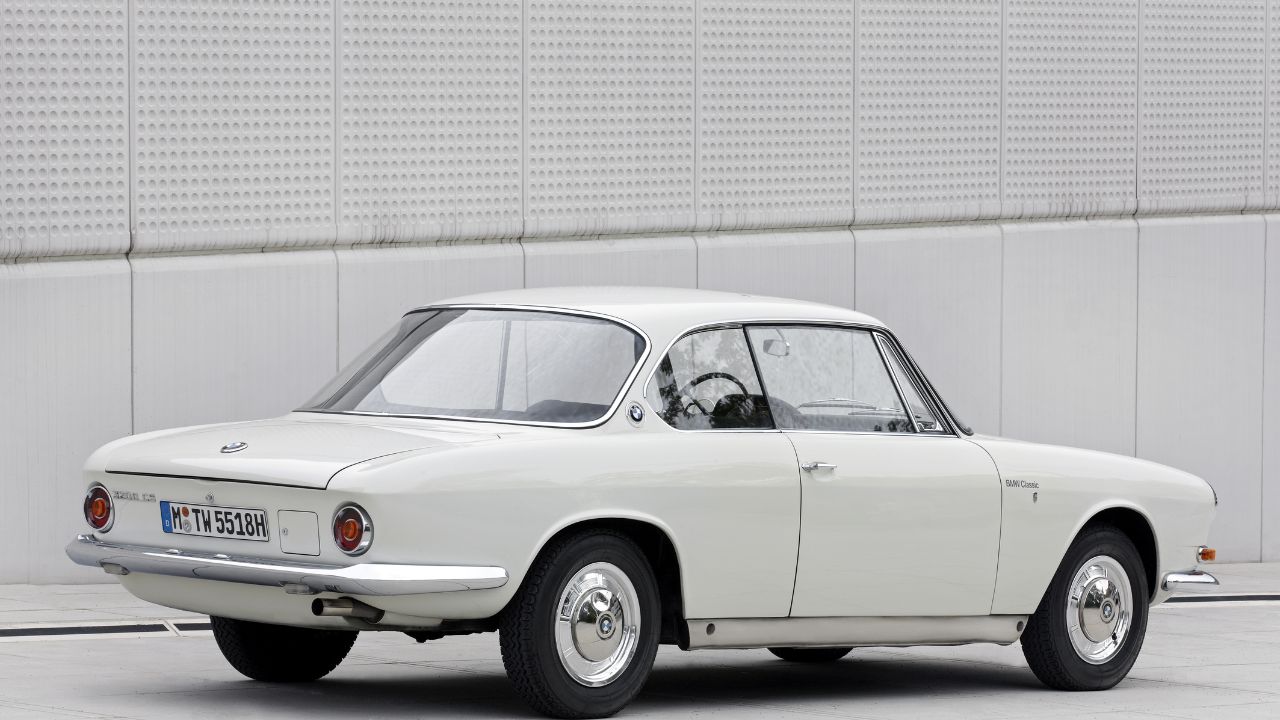
Some styling cues are just decoration, but the Hofmeister kink became a kind of secret handshake among BMW fans. That little forward-leaning notch in the rear side window frame whispered of heritage, design discipline, and an unbroken line of identity. The Hofmeister kink was first seen on the BMW 3200 CS and BMW 1500 shown at the Frankfurt Motor Show (IAA) in September 1961. The shape framed the rear glass like a piece of art in a gallery, drawing your eye without you even realizing it. Photographers loved to catch the curve in soft light, where metal and glass met like a quiet sculpture.
Designers across the globe studied it, often attempting their own versions, but always tipping a hat to the original. It became a generational marker, older enthusiasts pointing it out to younger ones like a family heirloom. In the rain, droplets would trace the contour, adding a fleeting highlight to the form. Owners would notice it in reflections, as if catching their own car in a candid moment. To this day, the Hofmeister kink remains as much a part of BMW’s identity as the roundel itself.
M Division Performance Tuning
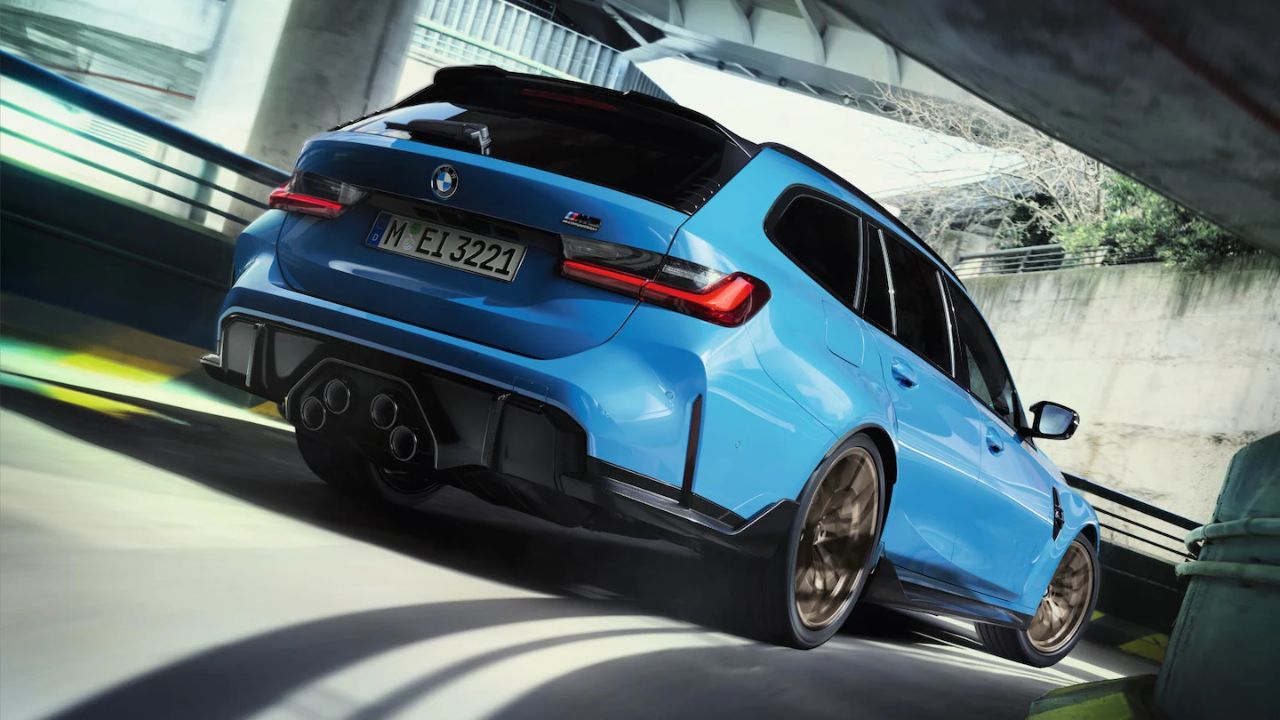
BMW’s M Division cars arrived with a certain magic in their DNA, as though they had been whispered to by racing spirits in the night. The engines sang louder, the suspensions responded with stiffness, and the steering tightened up. An M car felt like a regular BMW that had spent months at a high-altitude training camp, returning leaner, faster, and hungrier. Each gear change came with a physical punctuation, a crispness that thrilled the fingertips.
The brakes could reel in speed like a fisherman pulling in a prized catch. The seats hugged in just the right way, giving you the courage to take that extra corner a little faster. Owners relished the duality, a car that could conquer a track and still pick up groceries with grace. M badges on the grille and trunk carried weight, a subtle nod to those in the know. The lineage built an unshakable community of fans who celebrated the blend of precision and passion. BMW’s M Division became the gold standard for making performance accessible yet deeply special.
Active Steering Systems
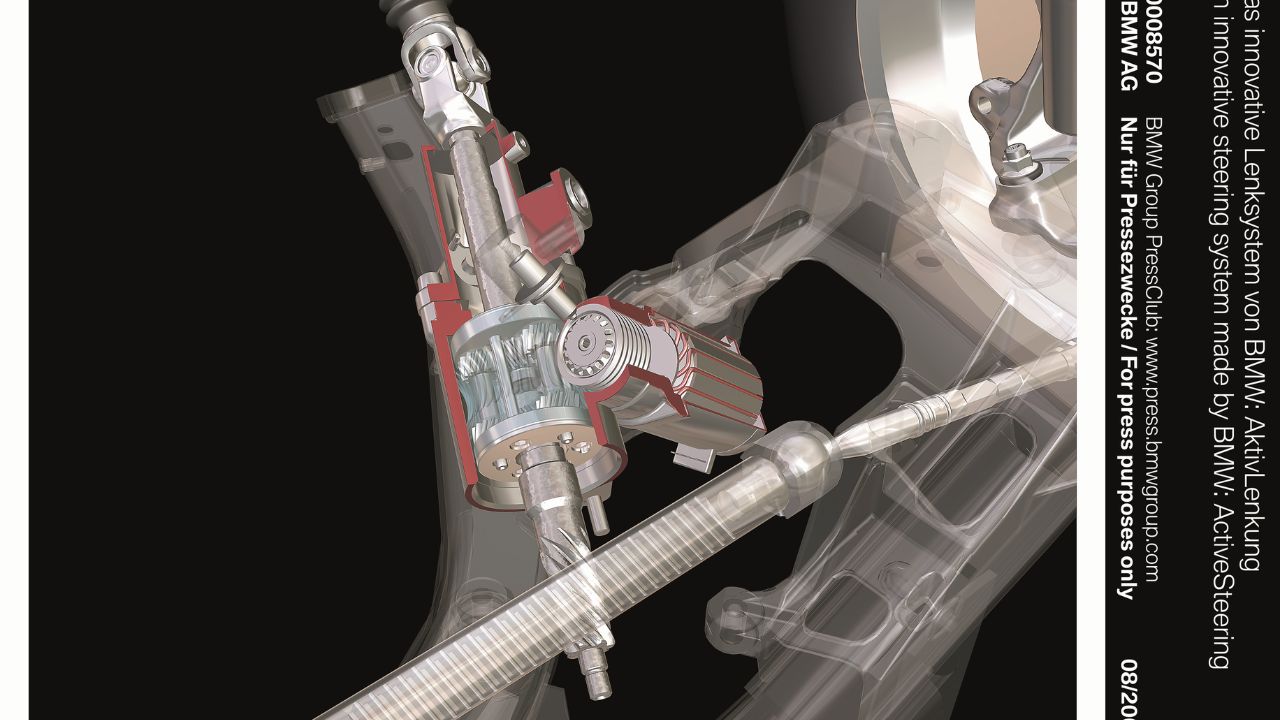
When BMW introduced Active Steering in 2003, first offered on the E60 5 Series, it felt like the steering wheel had learned a new language. At low speeds, the car could pivot with surprising ease, turning tight parking lots into playgrounds. On highways, the same wheel would slow its ratio, making lane changes smooth and calm. It was as if the car had an intuitive understanding of your intentions, adjusting its own behavior to match. The sensation in your hands felt both familiar and somehow elevated.
Drivers quickly appreciated how it took the strain out of urban driving while adding security to faster travel. Long trips felt less fatiguing, with fewer micro-adjustments needed. Winding roads became opportunities to experience just how fluid the system could be. Passengers often noticed the calmness in the cabin, a result of the subtle stability at speed. The engineering behind it reflected a deep understanding of the human-machine connection. Active steering stood as a quiet revolution, changing the way drivers felt about control.
Efficient Dynamics Program
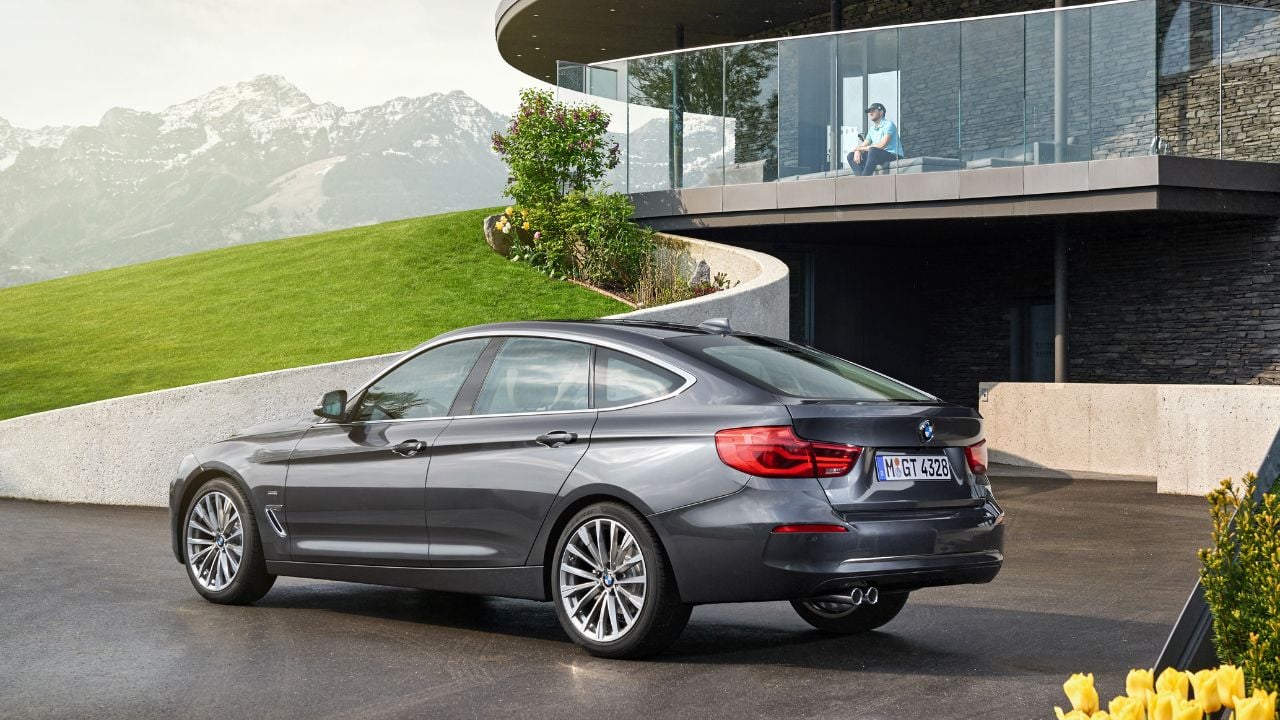
BMW’s Efficient Dynamics was more than a marketing phrase, it was a philosophy applied broadly across the lineup. The goal was to squeeze more joy out of every drop of fuel while keeping performance alive. Auto Start Stop, brake energy regeneration through intelligent alternator control, and aerodynamic tweaks all worked together in a seamless orchestra. The dashboard displays gave drivers gentle encouragement, rewarding efficient habits without feeling preachy. Engineers designed engines to breathe better and roll more freely, as if the mechanical parts had been to a yoga retreat. Even high-performance models carried subtle adjustments to make them thriftier without losing their soul.
Owners began to notice the extra miles between fill-ups, turning fuel stations into rarer stops. The whole program felt like a quiet pact between driver and manufacturer, to enjoy the road while respecting resources. Over time, Efficient Dynamics helped shift industry expectations, proving that sustainability could still wear a smile. It was a win for drivers, engineers, and the open road alike.
Laser Headlights
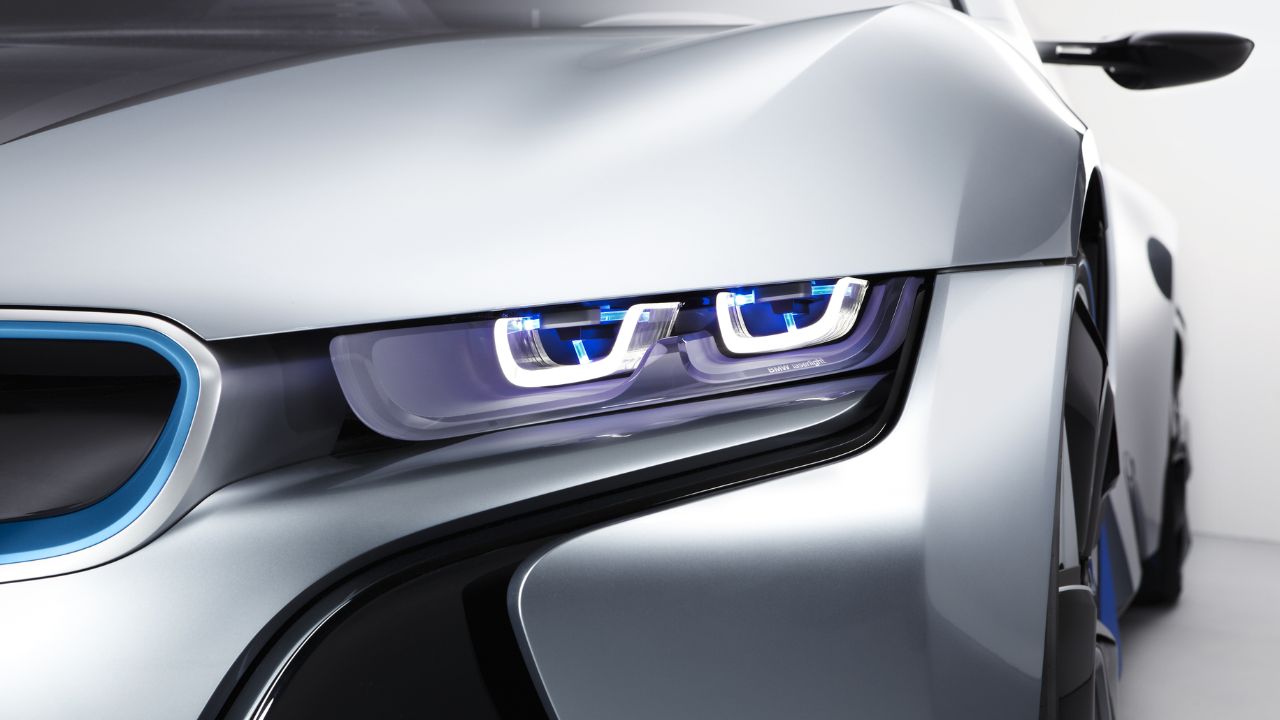
BMW announced BMW Laserlight for series production in 2014, first offering it on the i8 in some markets from late 2014, and later expanding the technology to additional models. The beams reached astonishing distances, turning night into something close to daylight. Drivers could spot road signs and curves well before they arrived, gaining both safety and confidence. The crisp, bluish hue gave the front end a distinctly modern signature. Engineers found a way to keep them energy-efficient while delivering unparalleled illumination. Passersby often commented on the unusual light quality, curious about the technology.
In fog or rain, the focused beam helped cut through the gloom with precision. The slim headlight housings gave designers freedom to create sleeker front-end shapes. Owners would sometimes demonstrate them in empty parking lots, amazed at how the beam stretched toward the horizon. Laser headlights set a new standard for what lighting could mean in automotive safety and design.
xDrive All-Wheel Drive

BMW’s xDrive system turned slippery days into just another excuse to go for a drive. The system constantly adjusted power between the wheels, always seeking the best grip without fuss. Drivers could feel the subtle shifts in traction, as if the car had invisible hands keeping it steady. On snowy mornings, the confidence it inspired was priceless. Even in dry conditions, xDrive helped the car corner with a sure-footed poise.
Families appreciated the extra security it brought to long trips, especially through unpredictable weather. The system worked seamlessly with BMW’s balanced chassis, enhancing performance rather than muting it. Road testers praised the way xDrive preserved the car’s rear-drive character while adding extra capability. Owners grew attached to the peace of mind it delivered. Over the years, xDrive became a trusted companion for those who valued both performance and all-season readiness.
The Kidney Grille Evolution
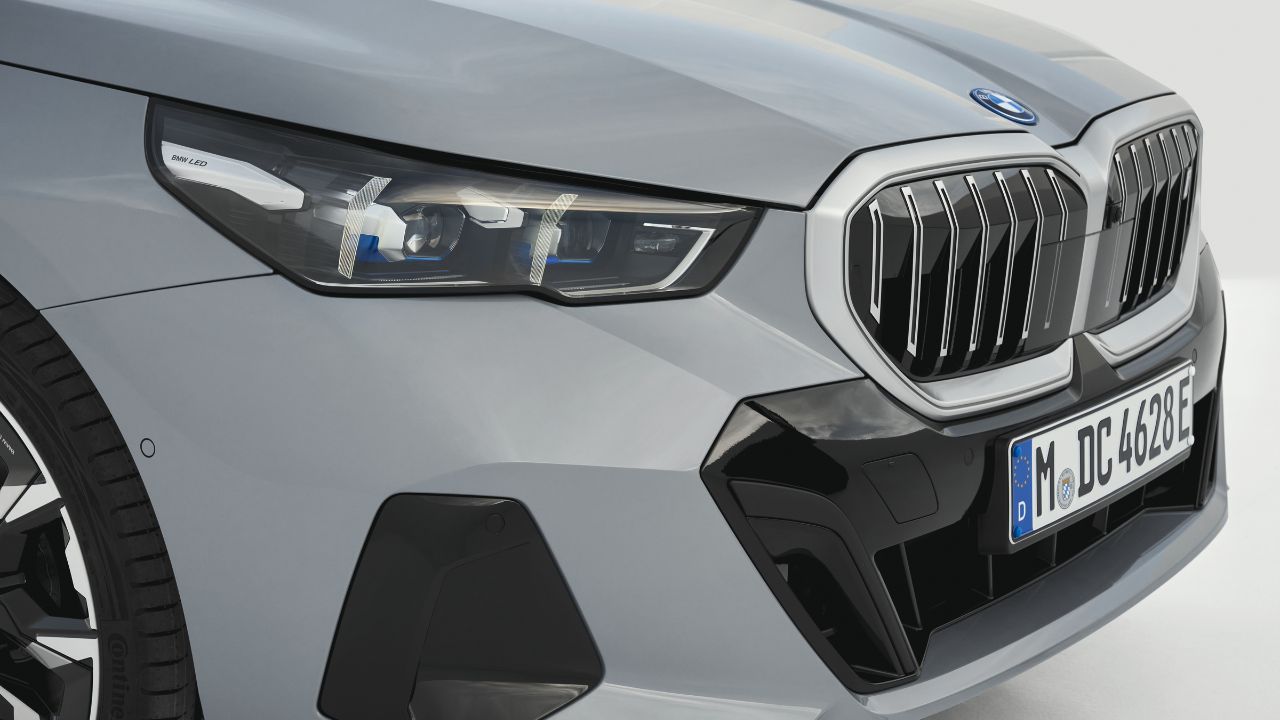
The twin kidney grille has been a BMW signature since the 1933 BMW 303 and has appeared on most BMW cars for generations, with notable exceptions such as the Isetta, 600, and 700. Each new model has carried a fresh interpretation, reflecting the spirit of its era while preserving the familiar shape that enthusiasts know by heart. Designers have stretched it, sharpened it, and sculpted it with the same care a jeweler gives to a treasured piece. On a city street, the grille catches the light in a way that draws the eye and invites recognition. In vintage models, it sits with a kind of dignified restraint, while modern versions carry a bold confidence suited to contemporary tastes.
Engineers have shaped the openings for airflow and cooling, blending beauty with purpose in every iteration. Car photographers often capture the grille as the first frame of a story, knowing it tells you immediately what brand you are meeting. The shape sparks conversations at car shows, with fans comparing generations and sharing memories tied to each style. It has become a part of BMW’s handshake with the world, a greeting as unmistakable as the badge above it. The kidney grille’s journey shows how a simple design element can grow into an enduring emblem of identity.
The Last Turn in the Road

Every drive has that moment when the car feels perfectly in tune with you, and BMW has spent decades chasing that feeling. The ten features here aren’t rare, mysterious secrets; they’re bright ideas that BMW has put its own stamp on, often enough that they feel like part of the brand’s DNA.
Other automakers may offer similar tech or touches, but BMW’s versions tend to stick in your memory. They’ve found ways to make these features feel seamless, personal, and worth talking about. And the next time you see that roundel in your rearview mirror, you’ll know it’s carrying more than just horsepower; it’s carrying decades of small, clever details that drivers still love.