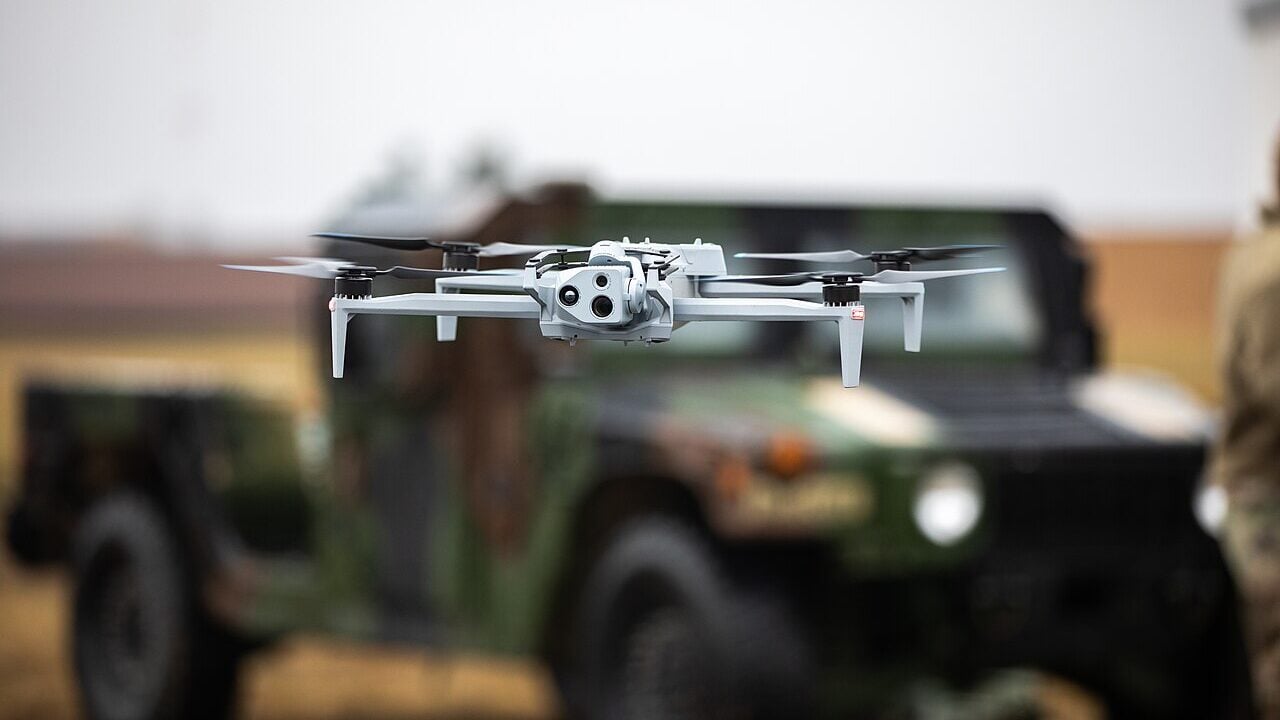

The U.S. Army is investigating the theft of four advanced military drone systems from a base in Kentucky, an incident that has raised questions about security at one of the country’s most important military installations.
According to reporting by Military Times, the drones were stolen from Fort Campbell, a large Army installation that supports several key units including the 101st Airborne Division.
The missing aircraft were identified as Skydio X10D unmanned aerial systems, small but sophisticated drones designed for military reconnaissance and surveillance operations.
Investigation Develops New Leads
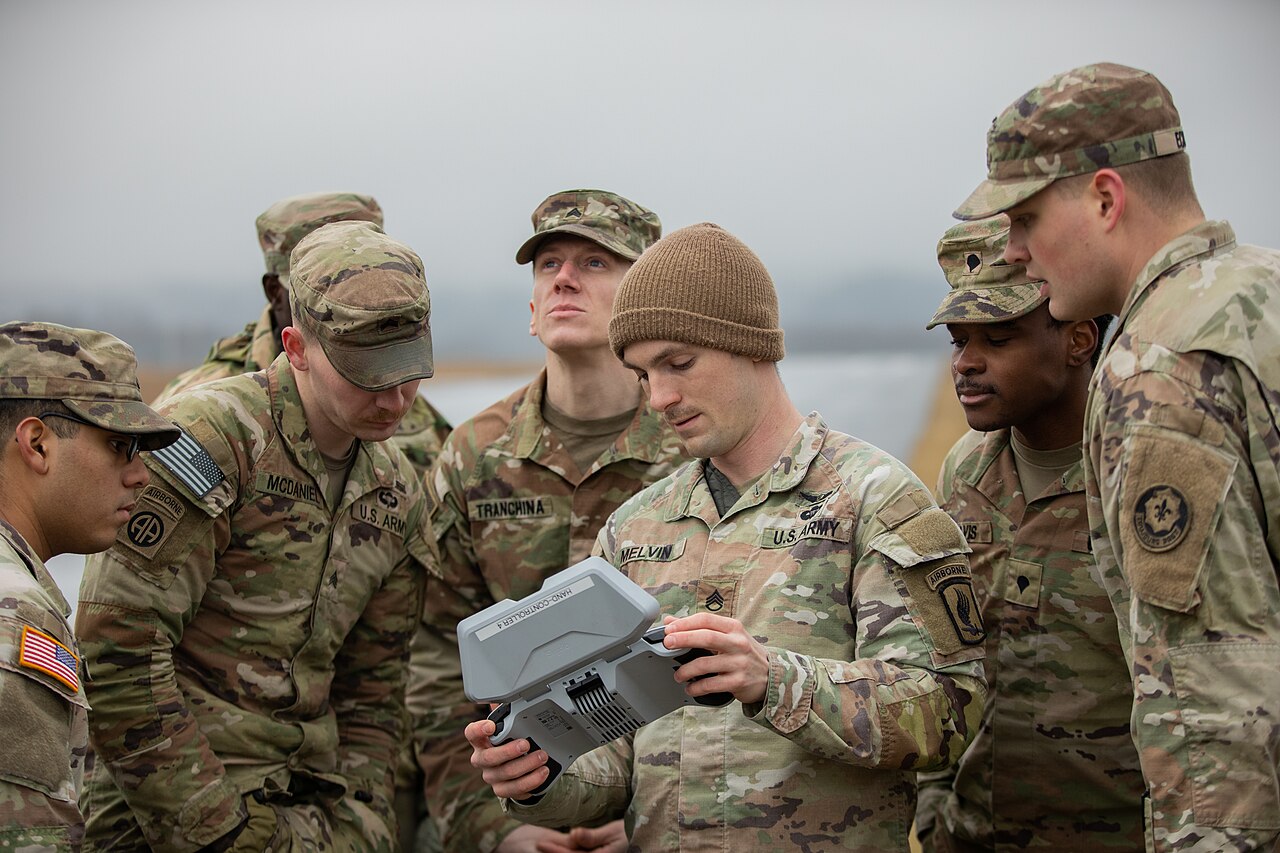
Officials say the drones belonged to the 326th Engineer Battalion and were taken from Building 6955 at Fort Campbell sometime between November 21 and November 24, 2025.
The aircraft were last accounted for on November 21 before the equipment was discovered missing several days later, prompting an investigation by the Department of the Army Criminal Investigation Division.
The investigation has since developed new leads. Army officials say investigators have now identified two suspects connected to the theft. Authorities indicated the incident appears to have been a targeted act carried out by individuals who had authorized access to the installation.
According to the Army, investigators have gathered credible evidence regarding the missing drones and possible information about where the equipment may currently be located.
Officials emphasized that the situation does not pose a threat to the public. The drones are equipped primarily with small cameras used for reconnaissance missions rather than weapons systems.
Authorities also confirmed that security at the facility has been upgraded following the incident, including improvements to doors and locks at the building where the drones were stored. The investigation remains ongoing.
The Stolen Technology
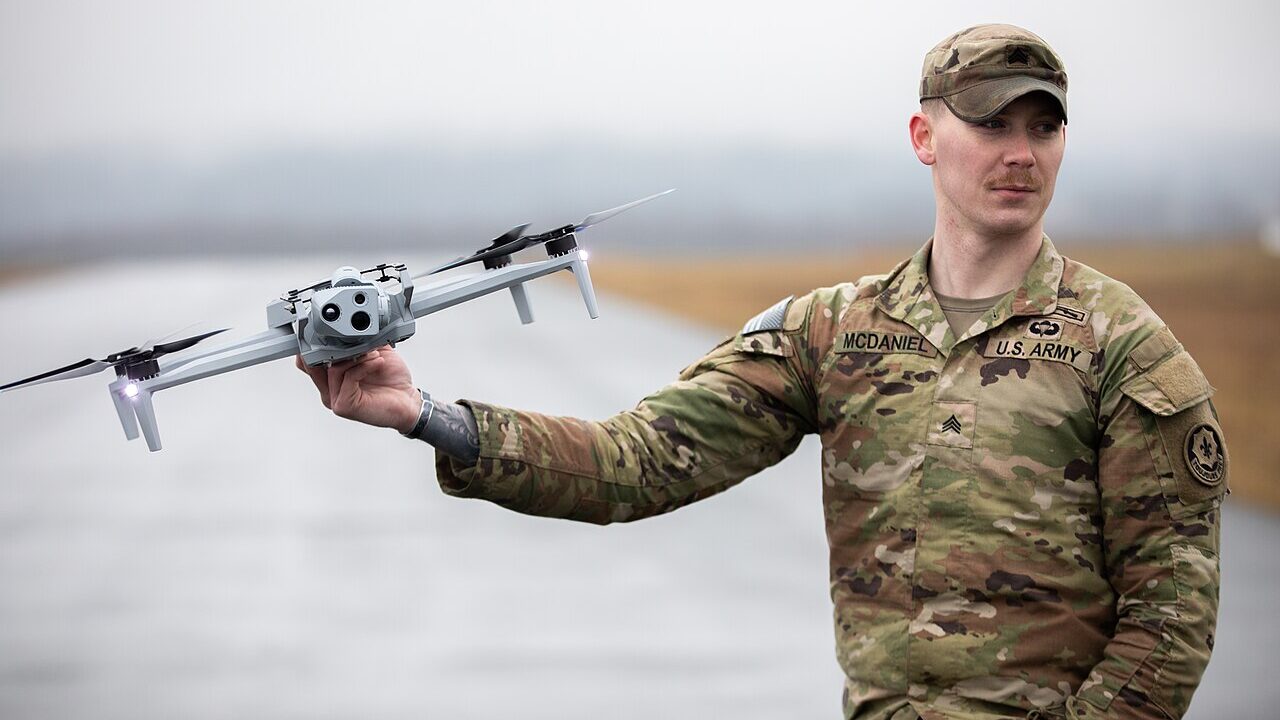
The drones themselves represent a significant piece of military technology. Developed by California-based drone manufacturer Skydio, the Skydio X10D system is designed specifically for defense and security missions.
The aircraft uses advanced onboard computing and artificial intelligence to assist operators during reconnaissance missions. Among its most notable capabilities is autonomous obstacle avoidance, which allows the drone to navigate complex environments such as dense urban areas, forests, or damaged structures without constant manual control.
This capability has made the platform useful for a wide range of missions, including battlefield intelligence gathering, search and rescue operations, infrastructure inspections, and security surveillance.
Although relatively compact compared with larger military unmanned aircraft, the drones are still considered sensitive equipment due to the technology they contain and the missions they support.
Military officials have not publicly disclosed the value of the stolen systems. However, similar military-grade reconnaissance drones can cost tens of thousands of dollars per unit depending on sensors, communications equipment, and mission packages.
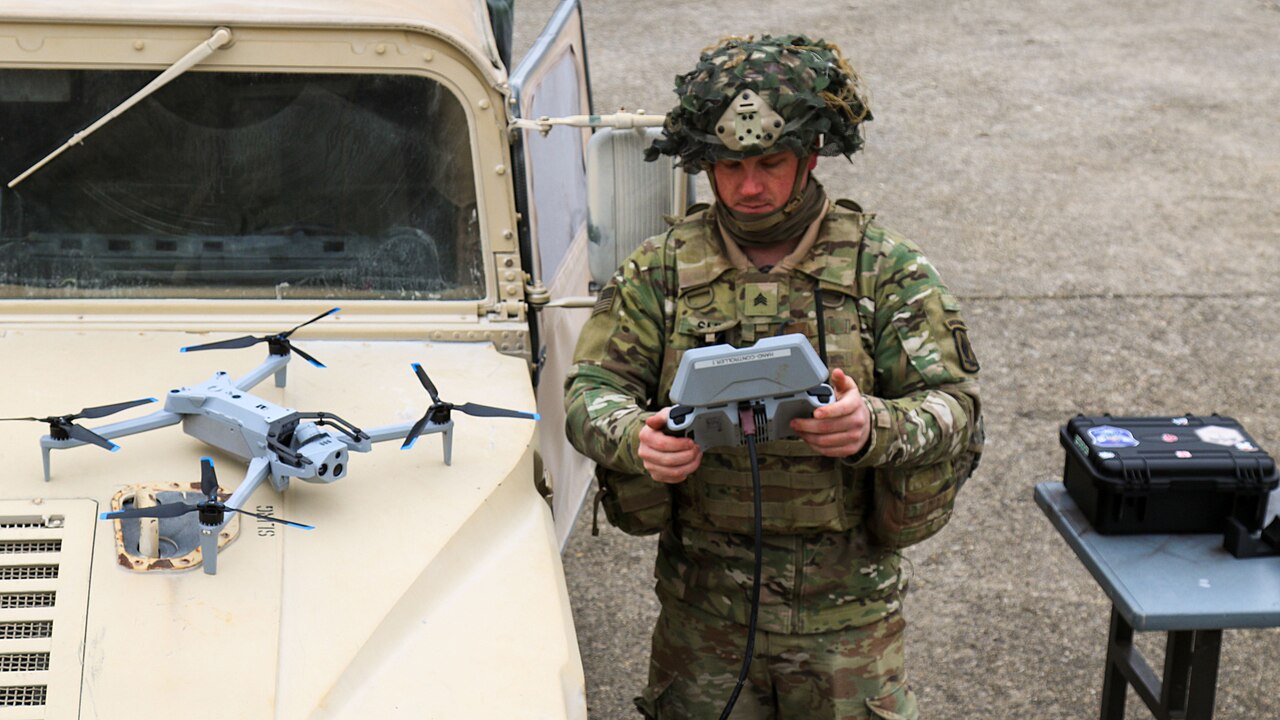
Security breaches involving military technology are taken seriously because of the potential for advanced equipment to be sold, reverse engineered, or used for unauthorized surveillance.
Security Questions at a Major Army Installation
Fort Campbell is one of the U.S. Army’s most active bases. Located along the Kentucky and Tennessee border, it serves as a major hub for training and deployment operations, particularly for air assault and rapid response units such as the 101st Airborne Division.
The installation houses thousands of soldiers and contains numerous training ranges, maintenance facilities, and secure buildings that store sensitive equipment.
The fact that the suspects allegedly had authorized access to the base may help explain how the drones were removed without immediate detection. Still, the incident has raised questions about internal security procedures and equipment storage protocols.
Investigators continue reviewing evidence as they work to recover the missing drones and determine exactly how the theft was carried out.