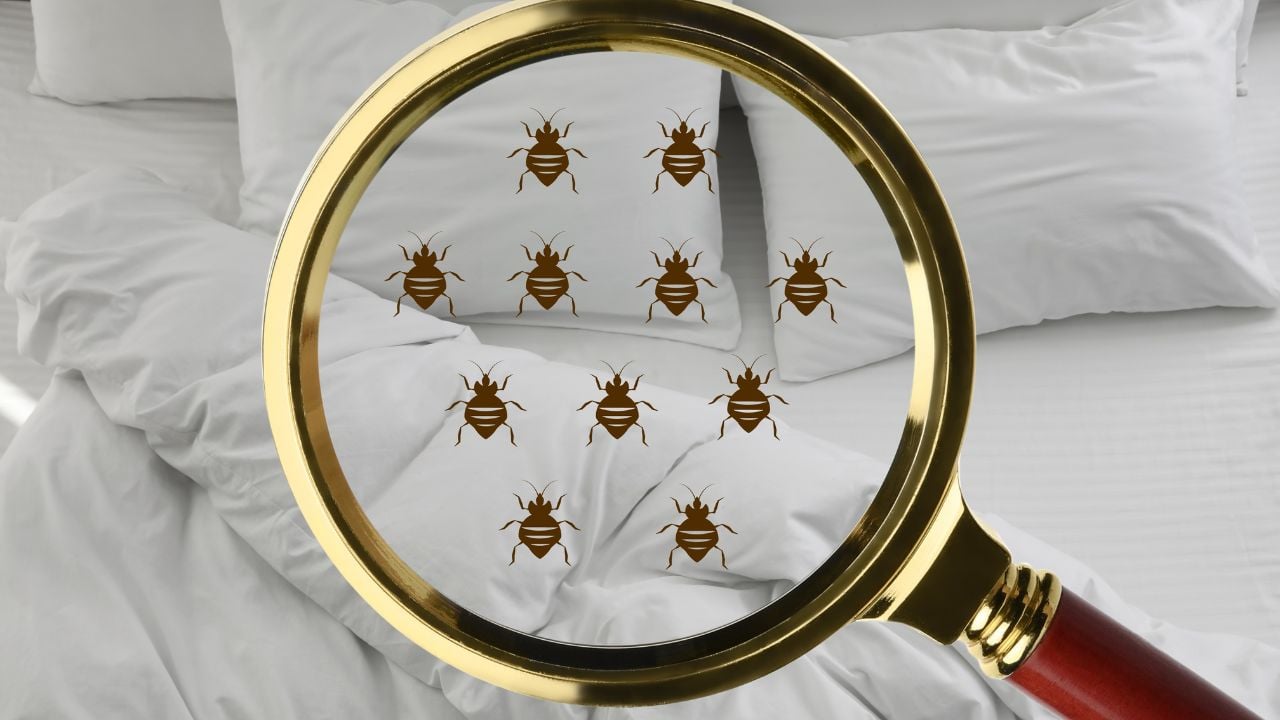
Checking into a hotel room usually triggers the same little ritual: bag on the bed, shoes off, curtains open, then a quick scan for the minibar and thermostat. One piece of advice turns that sequence upside down. In a Fox 26 Houston segment, travel advisor Halee Whiting said one of her first moves is to switch off the lights and use a flashlight to inspect the bed seams for bedbugs.
That sounds dramatic at first, but the underlying logic is solid. The EPA says travelers should inspect any room where they will stay, notes that a flashlight can be useful, and specifically recommends checking the mattress, headboard, and luggage rack before settling in. The CDC likewise says bed bugs spread easily through the seams and folds of luggage and advises travelers to look for signs of infestation in sleeping areas.
So the smartest way to read this trick is not as a spooky hotel hack, but as a disciplined arrival routine. Inspect first. Unpack later. That small change can save a traveler from carrying an infestation home in a suitcase, overnight bag, or folded clothing.
1. The Lights-Off Trick Is Really an Inspection Trick
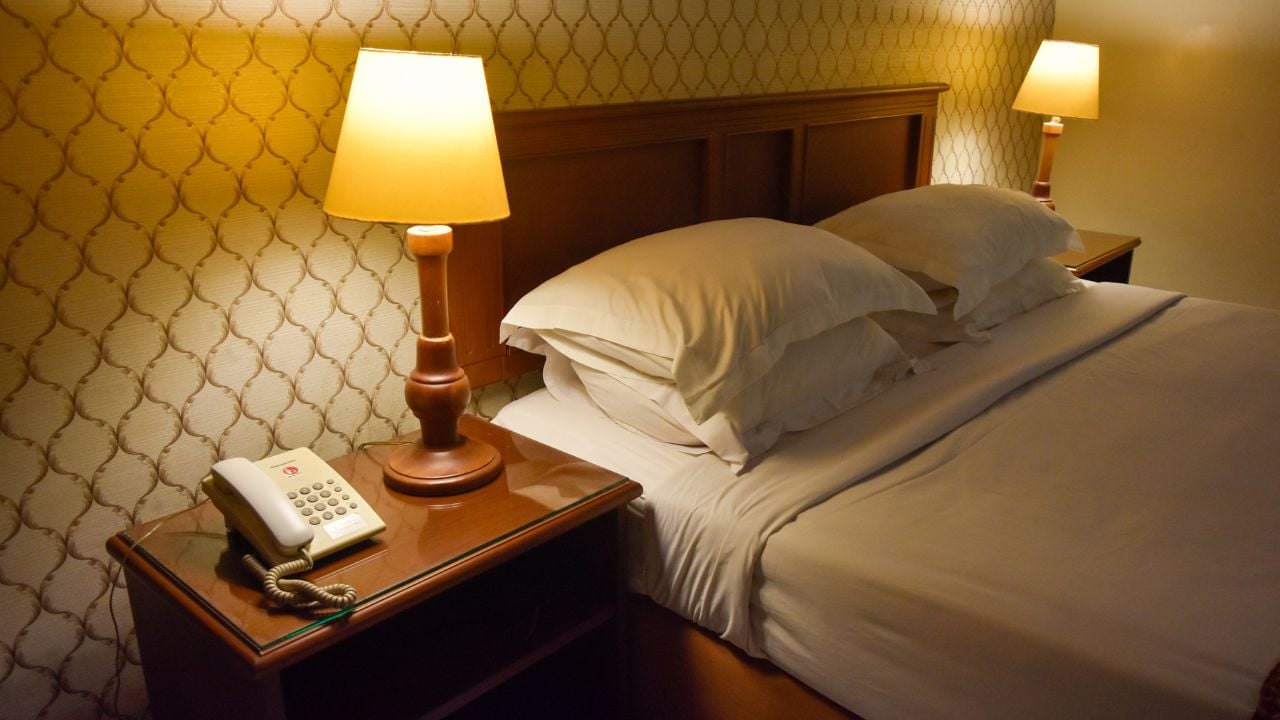
The point is not that darkness magically fixes anything. The real benefit is that it forces you to pause, avoid unpacking, and do a focused inspection before the room becomes yours. Whiting’s version is simple: darken the space, use your phone light, and go straight to the bed seams where trouble often starts.
That approach lines up with standard travel guidance. The EPA says a flashlight can help during a hotel-room inspection, and both the EPA and CDC say the mattress, headboard, and nearby sleeping area are the right places to start. It is also worth remembering that CDC guidance says bed bugs can show up even in five-star hotels and resorts, so a polished room is not proof that a room is pest-free. The method is less about theatrics than discipline.
2. The Bed Is Not the Only Place Worth Checking
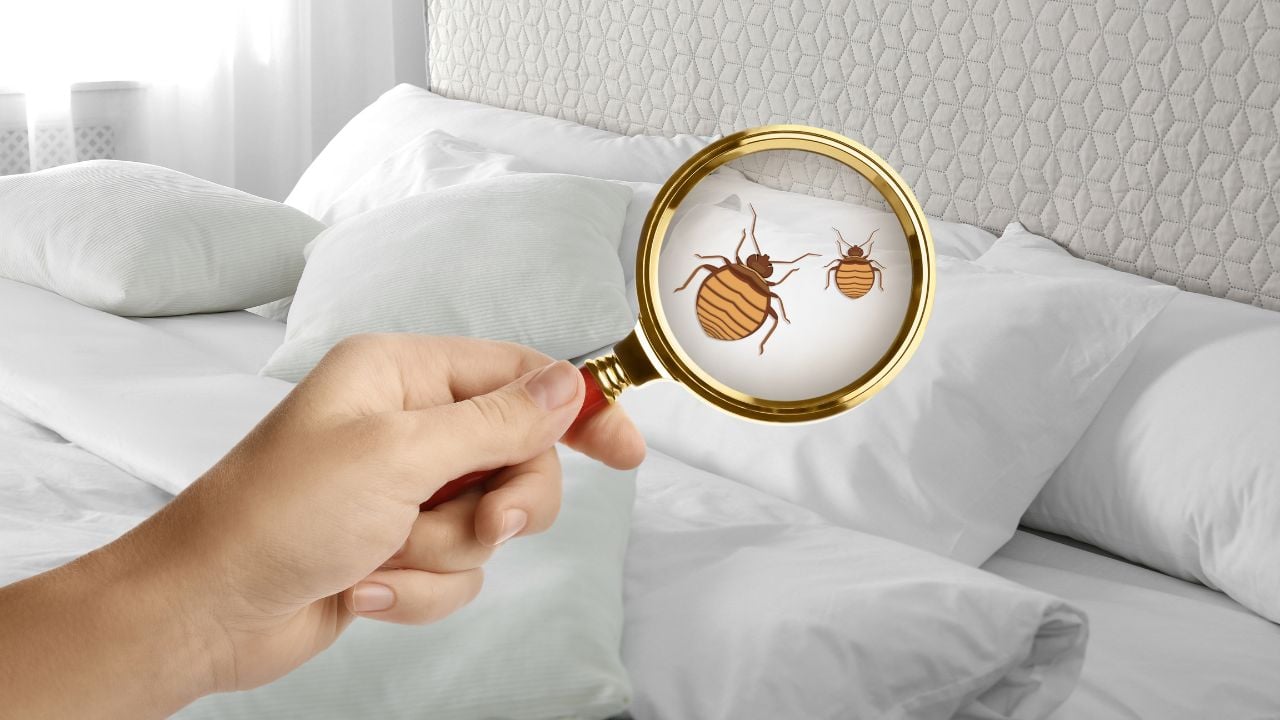
A quick glance at the pillows is not enough. The EPA says travelers should inspect the mattress and headboard, while AAA advises checking more than just the bed, including the box spring, cracks in the bed frame and headboard, curtains, fabric furnishings, and even the luggage rack before using it. Bed bugs are good at finding narrow hiding places close to where people sleep.
That is why the phone-flashlight move makes practical sense. A concentrated beam helps with seams, folds, tags, piping, and shadowy joins that ordinary room lighting can make easy to ignore. What you are looking for includes the bugs themselves, along with dark spots, shed skins, pale eggs or eggshells, and rust-colored traces on bedding or nearby surfaces.
3. Your Suitcase Should Not Touch the Bed Yet
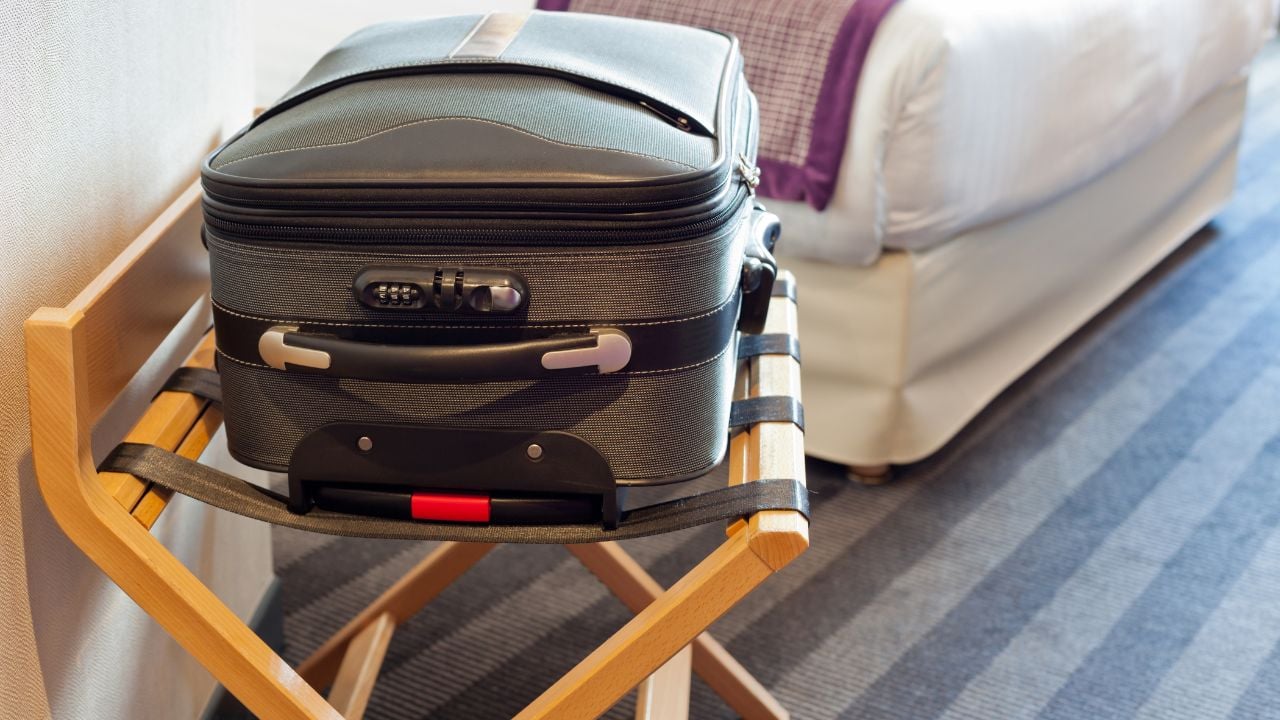
One of the easiest mistakes happens before the inspection even begins. The CDC says bed bugs spread by getting into the seams and folds of luggage and folded clothing, which is why so many travel authorities warn against dropping a bag on the bed right away. The EPA says travelers should inspect luggage racks before using them and try to keep luggage away from the bed.
AAA goes a step further and recommends placing luggage in the empty bathtub or on another hard surface while you inspect the room. That advice keeps your belongings out of the most obvious hiding zones until you have checked the mattress, headboard, and surrounding furniture. A neat room is not proof of anything, so the suitcase should wait until the inspection is finished.
4. Darkness Helps, but It Is Not a Magic Shield
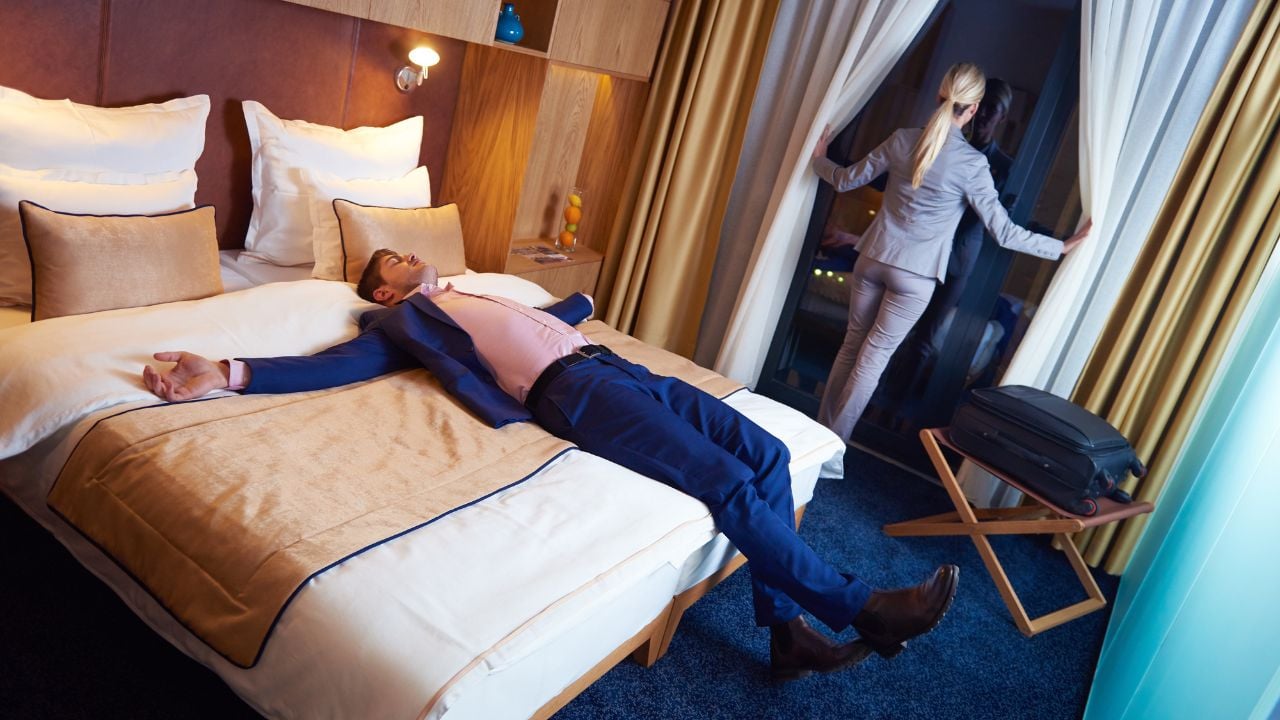
There is one important limit to this tip. The EPA says bed bugs prefer darkness, but also makes clear that keeping the light on at night will not stop them from biting. In other words, turning the lights off can help you inspect with intention, but it is not some clever trick that makes the pests disappear.
That is why the strongest version of this advice is also the least sensational. Use the dark only as part of a short check-in routine: do not unpack, put the bag somewhere safer, inspect the sleeping area carefully, then decide whether the room passes. The inspection matters far more than the lighting gimmick.
5. If You Spot Something, Act Before You Settle In

Travelers sometimes make the problem worse by second-guessing themselves. If you find live bugs, dark spotting, shed skins, or other suspicious signs, the best move is to notify management immediately and ask for another room rather than trying to persuade yourself it is probably nothing. The CDC says early detection makes infestations easier to control, and that logic applies just as much to a hotel stay as it does at home.
That is the part of the advice worth keeping. Turning off the lights is not about mood, thrift, or some mystical hotel secret. It is a reminder that smart hotel guests do one thing before they relax: inspect first, then unpack.