
Everyone and their dog remembers the Dodge Charger, the Plymouth Barracuda, and the Chevrolet Chevelle, to name but three iconic machines from the heyday of the muscle car era. But what about the unsung heroes? Those lesser-spotted and indeed lesser-recognized brutes from that glorious period in automotive history when horsepower was king and cool points were plentiful?
Naturally, those aforementioned models, along with a whole host of other big names, cast a rather large shadow, and it’s within this darkness that many other seemingly (and rather unfairly, we might add) inferior cars were subsequently shrouded. So join us as we shed some well-deserved light on 12 of these underrated and underappreciated muscle cars.
Muscling In
What makes a muscle car? Ask ten car enthusiasts, and you’ll get ten slightly different answers, but most agree that it comes down to big engines, bold styling, and a focus on straight-line speed. For this list, we wanted to shine a light on muscle cars that don’t always get the attention they deserve — underrated classics that still turn heads.
Our picks are based on performance, collector interest, cultural impact, and good old-fashioned car enthusiast opinion. We referenced trusted sources like Hemmings, Hagerty, and historical sales data from classic car auctions to support our selections. Now, there will be some cars on this list that aren’t from the true “Muscle Car Era”, but they are real American Muscle according to every other aspect, so please, just go with the flow, okay? These are the muscle cars true gearheads never forgot — but you might not see them at your local cruise night.
Oldsmobile Rocket 88
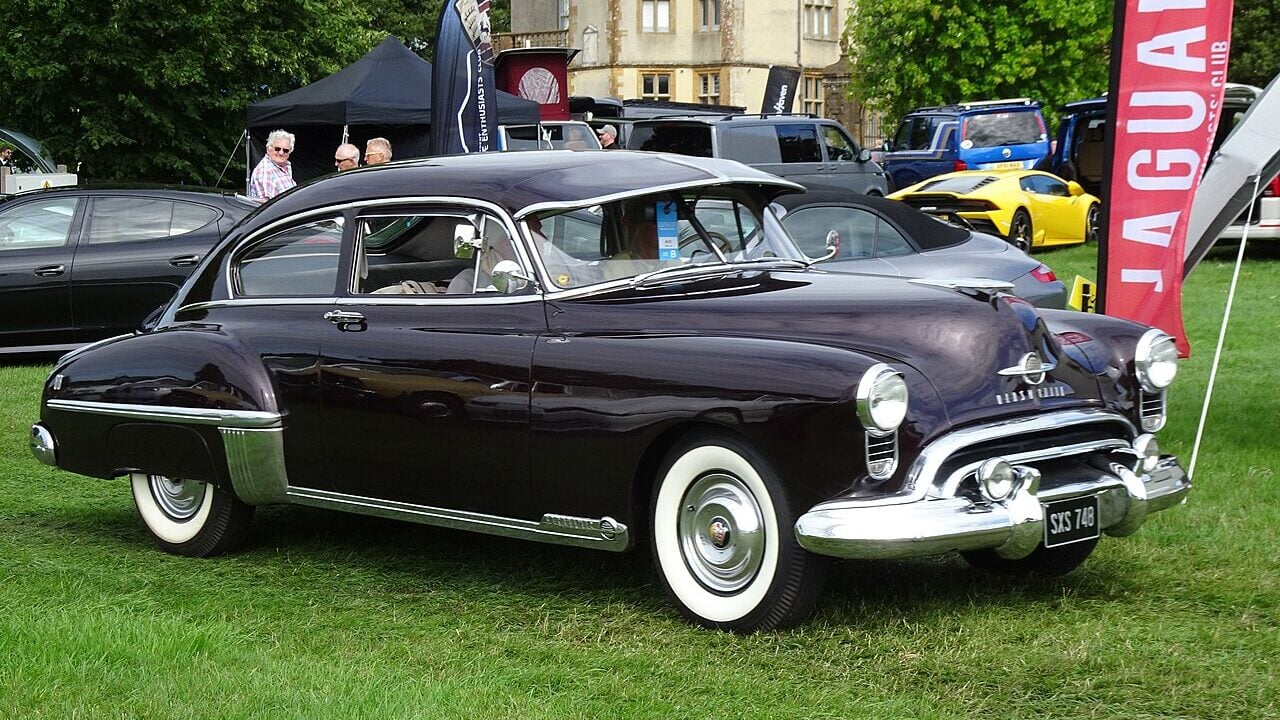
We thought it would be logical to start at the very beginning, and many people cite the Oldsmobile Rocket 88 as the first true muscle car. Released all the way back in 1949, Oldsmobile stuffed its 304ci V8 into the small 88 coupe decades before Pontiac had the same idea — even the term “muscle car” was not yet coined.
This progenitor of an entire movement has since been left in a cloud of tire smoke created by other, more shouty models as manufacturers continually tried to outdo each other in the power stakes, but the OG shouldn’t be ignored. According to the NASCAR Hall of Fame, the performance credentials of the 88 made it the model of choice not only for racers but also for the rather more nefarious, as it was faster than pretty much anything else on the road.
Ford Torino GT
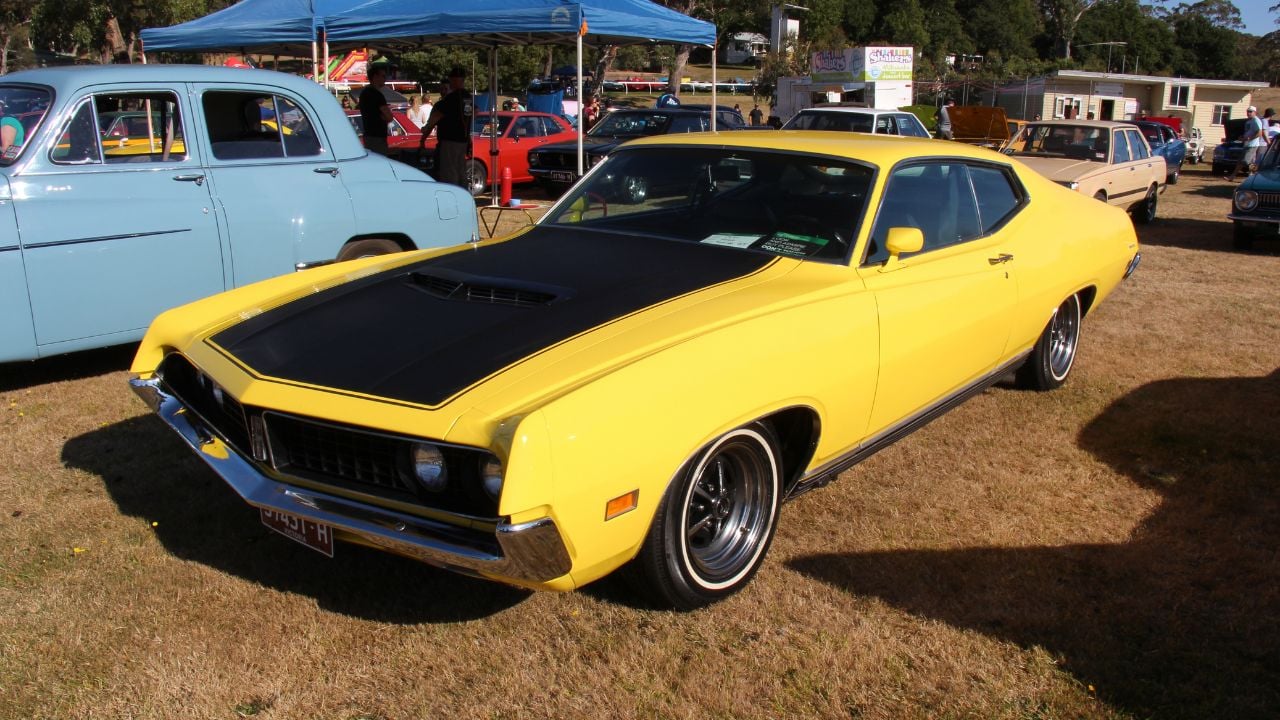
The Mustang will forever receive top billing when it comes to Ford’s performance car roster, with little else having the presence to muscle in on the action (sorry, we couldn’t resist), but we think the Torino GT merits a special mention. Yes, the ’70s third-gen Gran Torino was immortalized by Starsky and Hutch, but the original GT remains criminally overlooked.
It would be unfair to label the Torino GT as a redesigned Fairlane with fewer doors, but no matter how you cut it, Ford’s intermediate offering, produced from 1968 to 1976, remains a bona fide muscle car. There were a ton of different engines available, but particularly potent was the wonderfully-named 429 cubic-inch Cobra Jet V8, packing over 370 horsepower. So good was it that there was even a version built purely for racing, as covered by Motor Trend, but sadly, the project was shelved before making it into production.
Pontiac Grand Prix
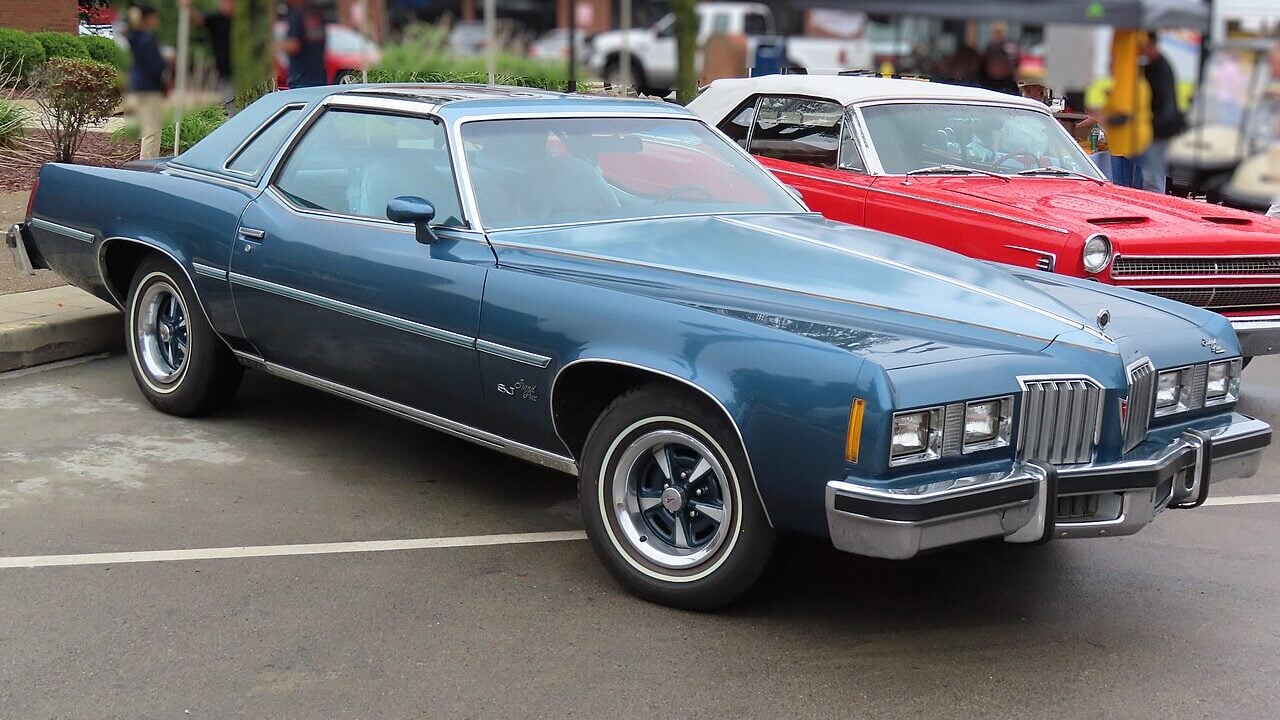
Perpetually overshadowed by the GTO — the car that GM claims put muscle cars on the map — the Pontiac Grand Prix is still rowdy royalty as far as we’re concerned. The beauty of the Grand Prix, rather ironically given the name, is its price. Despite being a proper V8-equipped muscle car with almost 400 hp in some instances (we’re looking at you 428 HO V8), the Pontiac remains an affordable alternative to many other similarly equipped cars.
According to Hagerty, prices for Grand Prix models in decent condition are as low as $12,000 at the time of writing, making them a great choice for the discerning and budget-conscious power merchants, so if you’re after serious power at a fraction of the cost than a lot of the big boys, then look no further.
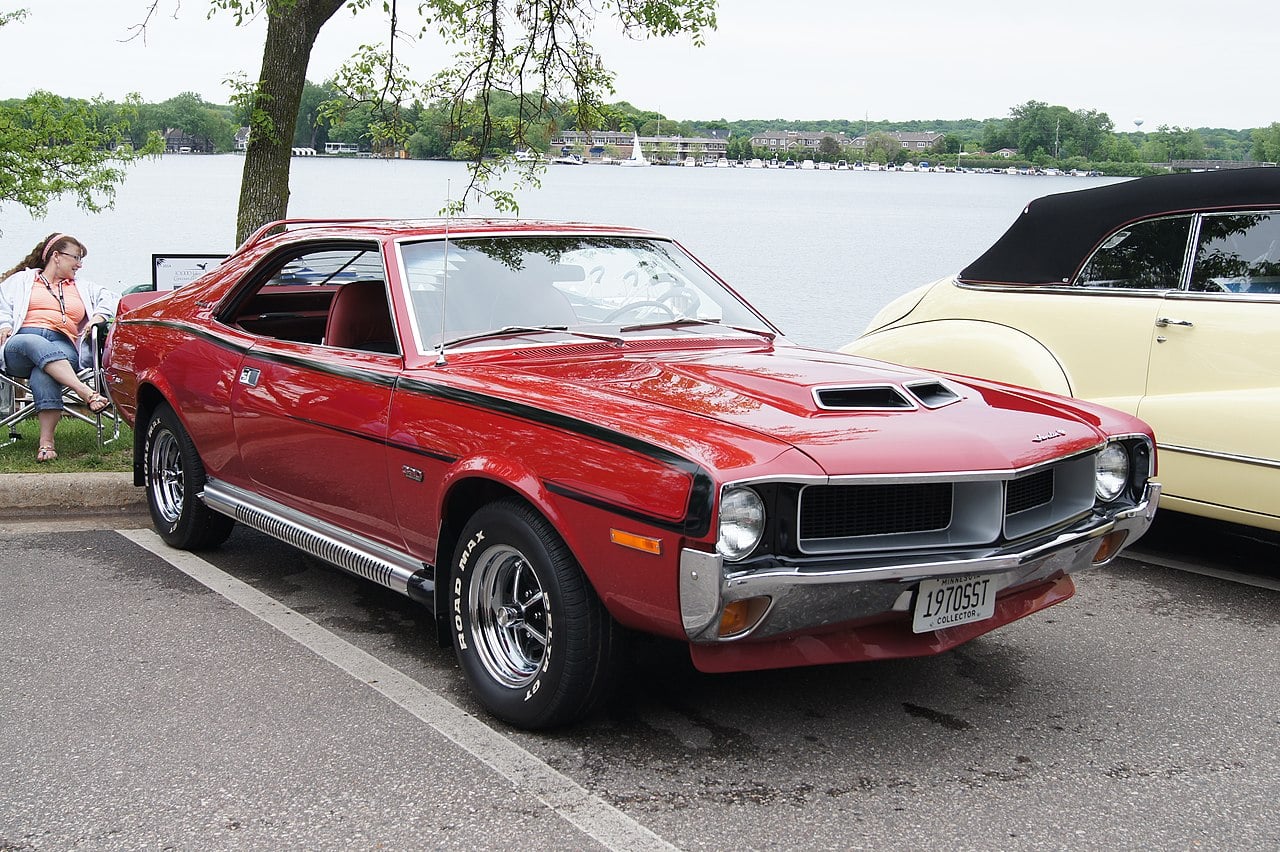
AMC AMX
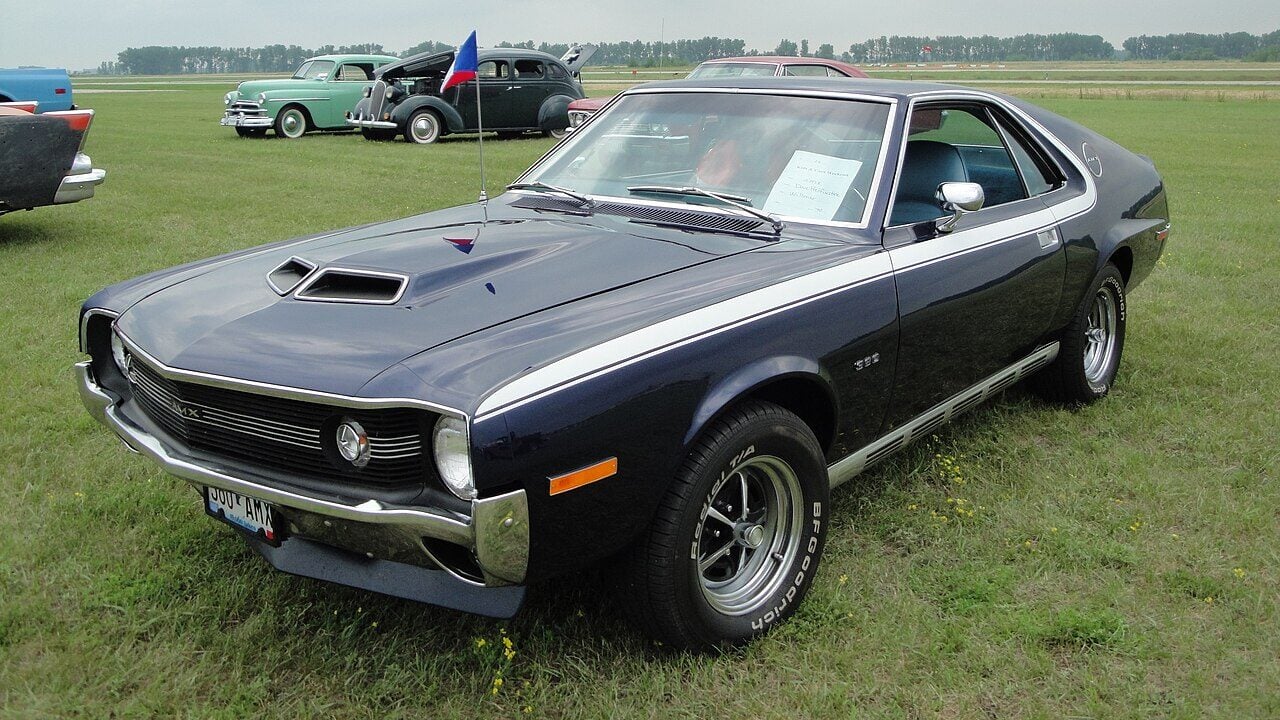
Whenever we think of AMC, we think of Wayne Campbell and his Pacer from the 1992 hit comedy Wayne’s World, but not even those with the most meager knowledge of cars would ever consider that a muscle car. One model from American Motors Corporation that most definitely can be called a muscle car, however, is the AMX, which, sadly, doesn’t seem to get the credit it deserves. Hot Cars claims it’s the most underrated muscle car of the ’60s.
It might not have a cool name like “Challenger” or “Firebird,” but that doesn’t make it less deserving of its genuine muscle car credentials. This two-door fastback may have only been produced for two years between 1968 and 1970, but it certainly packed a punch, and the 6.4-liter V8 Super Stock version produced 340 hp. Not too shabby. Another five engines were also available with varying engine displacements and power output, depending on individual requirements.
Chevrolet Monte Carlo
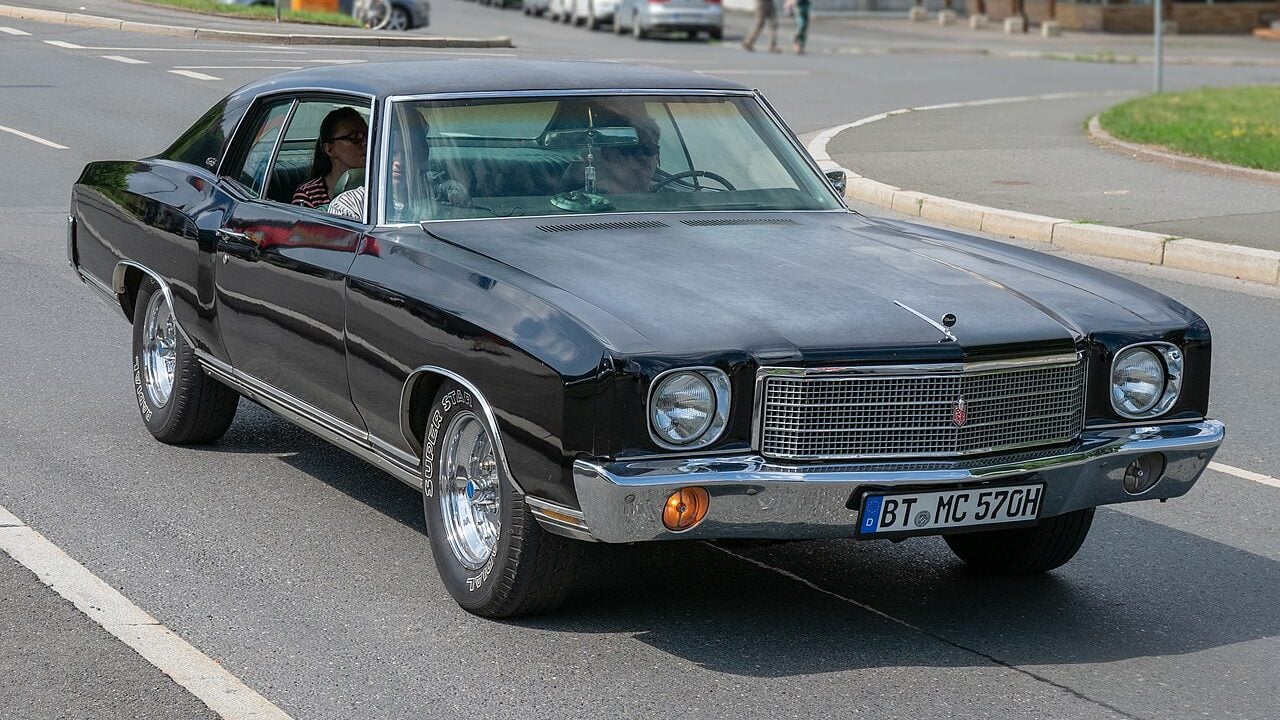
Some of the most revered muscle cars in the world have a Chevy badge on the trunk, but the Monte Carlo, arriving at the tail end of the muscle car era, isn’t widely recognized as belonging. Aside from its starring role alongside Denzel Washington in Anton Fuqua’s 2001 corrupt cop drama Training Day, it almost pales into insignificance next to the likes of the Chevelle and Corvette.
But we’re here, candle in hand, to extol the Monte Carlo’s virtues. Eminently handsome with those sweeping body lines and more than enough grunt, especially in the form of the SS454 with its 7.4-liter big-block V8 producing 360 hp and 500 lb-ft of torque, Chevrolet’s personal luxury coupe has all the right hallmarks. As Car & Classic confirms, the Monte also enjoyed a successful NASCAR career during its whopping 37-year production run.
Buick Wildcat
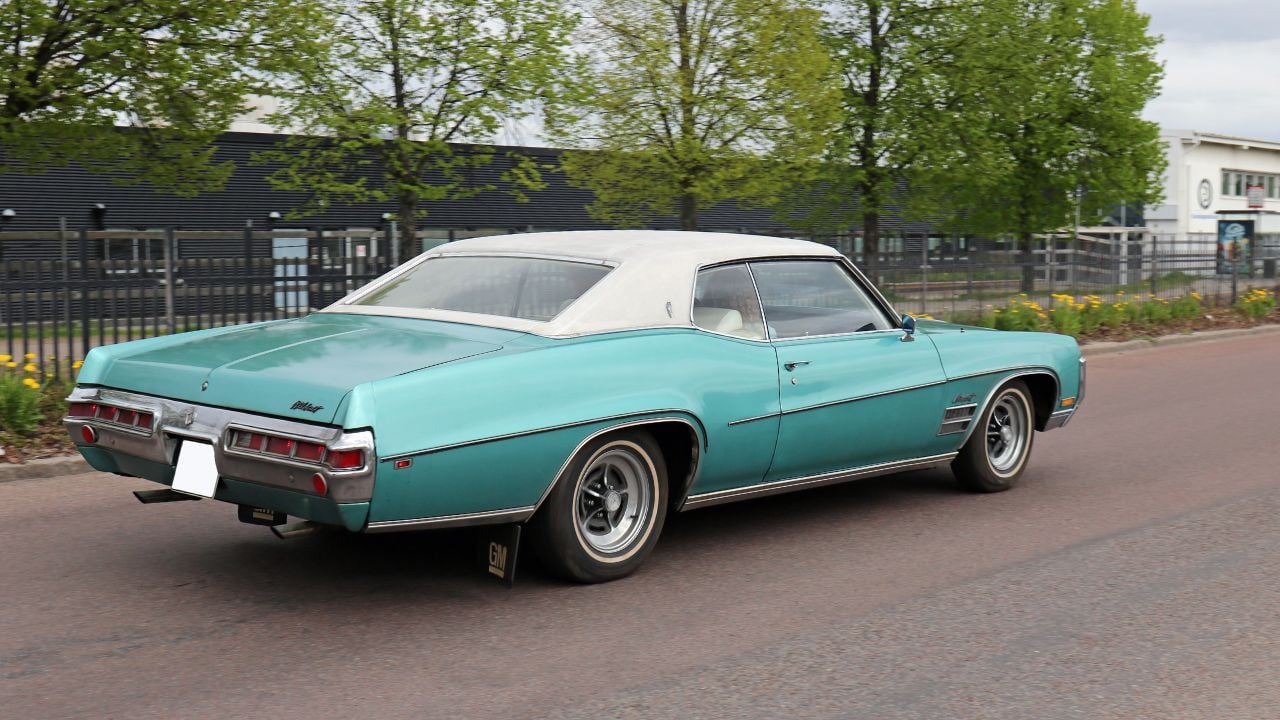
We’ve all probably heard of the GSX and the GNX, two wildly different but equally impressive offerings from GM’s Buick division, but there’s a less-discussed muscular model, and one with a somewhat more evocative moniker — the Wildcat. Built over two generations using GM’s full-size B-body platform, the Wildcat was produced between 1963 and 1970, with the most powerful second-gen variant housing the mighty Buick 455 V8, producing 370 hp and 500 lb-ft of torque, which is a lot.
We reckon it’s time for the Wildcat to be on the prowl once again because prices are incredibly reasonable, considering the amount of bang you get for your buck. It’s a fraction of what you’ll pay for similarly powered but lesser spec’d cars from the likes of Dodge and Chevrolet. Don’t just take our word for it, though; Hagerty has been beating this particular drum for a good few years now.
Dodge Magnum SRT8

From Volvo 240 sleepers to the original Audi RS2, we love a wagon, especially when it’s hiding something particularly zesty under the hood, and the Dodge Magnum SRT8 certainly fits that bill. Packing a 370 cubic-inch Hemi V8 producing 425 hp meant a 0-60 mph dash of 5.1 seconds, and with enough space for all the family, the weekly groceries, and whatever else you cared to haul around.
Car and Driver tested the Dodge Magnum SRT8 back in September 2005 confirming those figures above and they praised the car for feeling light despite its rather lardy curb weight. Whatever the case, with so much power making its way to the rear wheels, there’s a lot of fun to be had with this wacky wagon.
Pontiac GTO
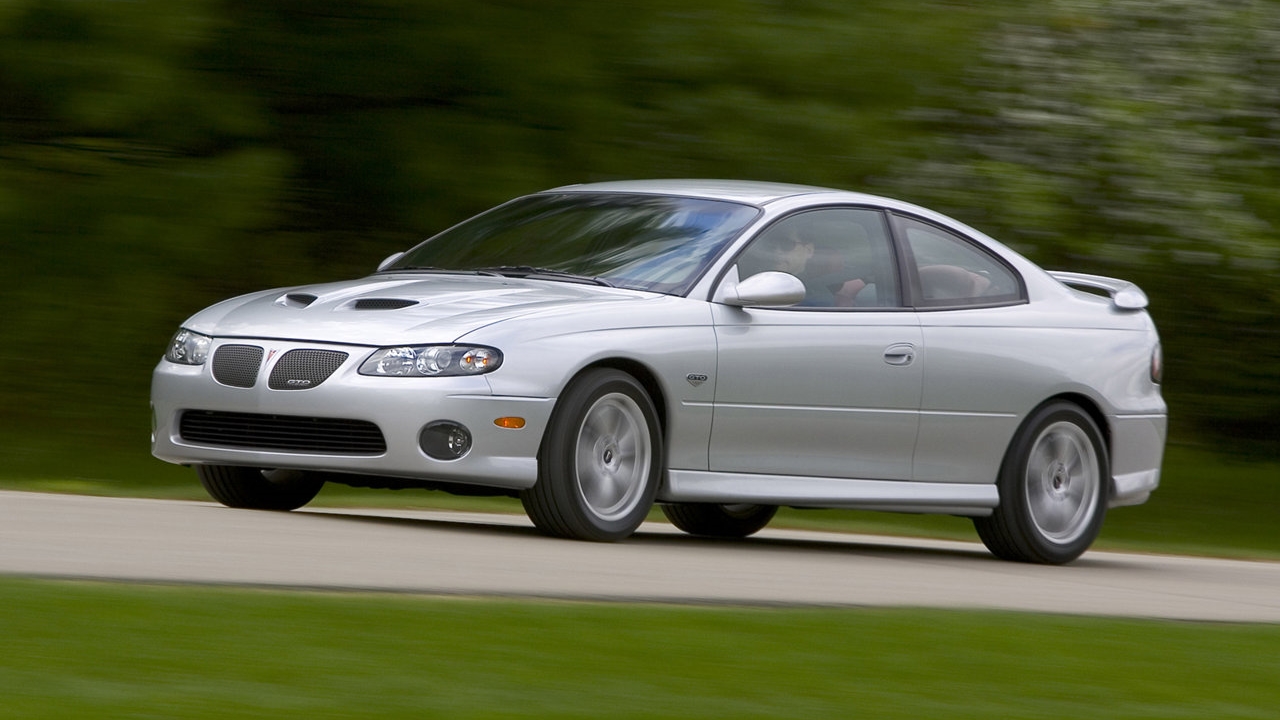
No, not that GTO. We’re not talking about the Judge here, but rather the fifth-generation GTO that Pontiac produced from 2004 to 2006. In actual fact, this was a re-badged third-gen Monaro VZ — a car built by GM’s Australian division, Holden. It may not have looked particularly stylish, but with the Holden’s 6.0-liter V8 under the hood, it sure had the grunt.
It was GM’s North American chairman, Bob Lutz, who had the bright idea to import the car and sell it as a Pontiac, but he still had to convince the top brass it was a good one. While he did manage to bring it to the States, CarBuzz reports that it wasn’t particularly well-received by the American public. The badge engineering didn’t end there either, and the car was also sold in the United Kingdom under the Vauxhall brand and in the Middle East as the Chevrolet Lumina SS.
Mercury Marauder
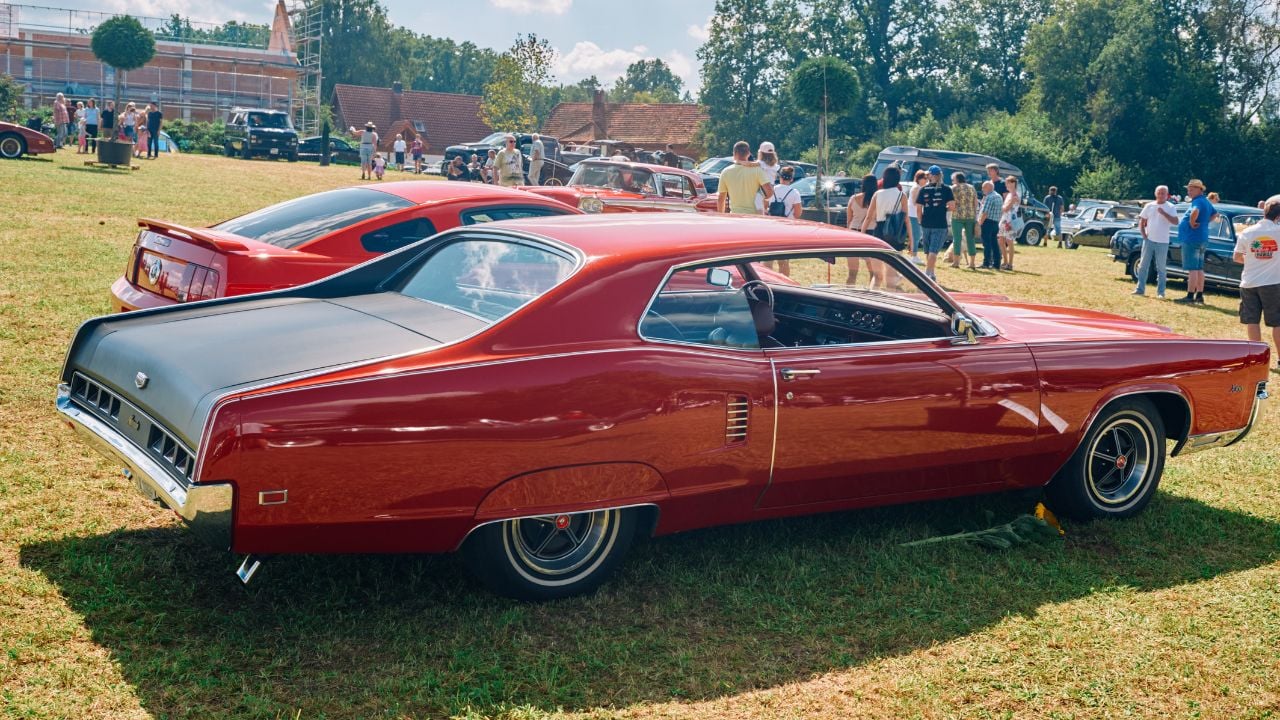
It’s time for a spot of luxury now with the second-generation Mercury Marauder, a car that was produced for just two years in ’69 and ’70. But don’t let the car’s opulence fool you into thinking it’s not a proper muscle car. Oh no. The Marauder was available with two different motors: a 390 and a 429 cubic-inch V8, with the latter producing 360 horsepower.
The X-100, as pictured above, was the range topper and featured an improved interior and better wheels, among other upgrades, as listed by Hagerty. Despite being a flash in the pan in its period, the Mercury Marauder remains an eminently comfortable and stylish muscle car that still cuts quite a dash today.
Chrysler C-300

We’re heading all the way back to the ’50s with this one, folks. Named for the power output of its 331 cubic inch ‘Firepower’ Hemi V8, the 300-C was built for one purpose and one purpose only — to go racing. Intended to be used at NASCAR circuits, the C-300 was made available to the public in order to qualify for homologation purposes, and a legend was born in the process.
Hemmings tells the story of the very first C-300, extolling the model’s virtues and claiming it to be one of the most significant cars in Chrysler’s history. We find it hard to refute that statement and it’s a perfect example of the whole “win on Sunday, sell on Monday” ethos that made the car so desirable, not just in period but in today’s classic market too.
Ford Capri Perana
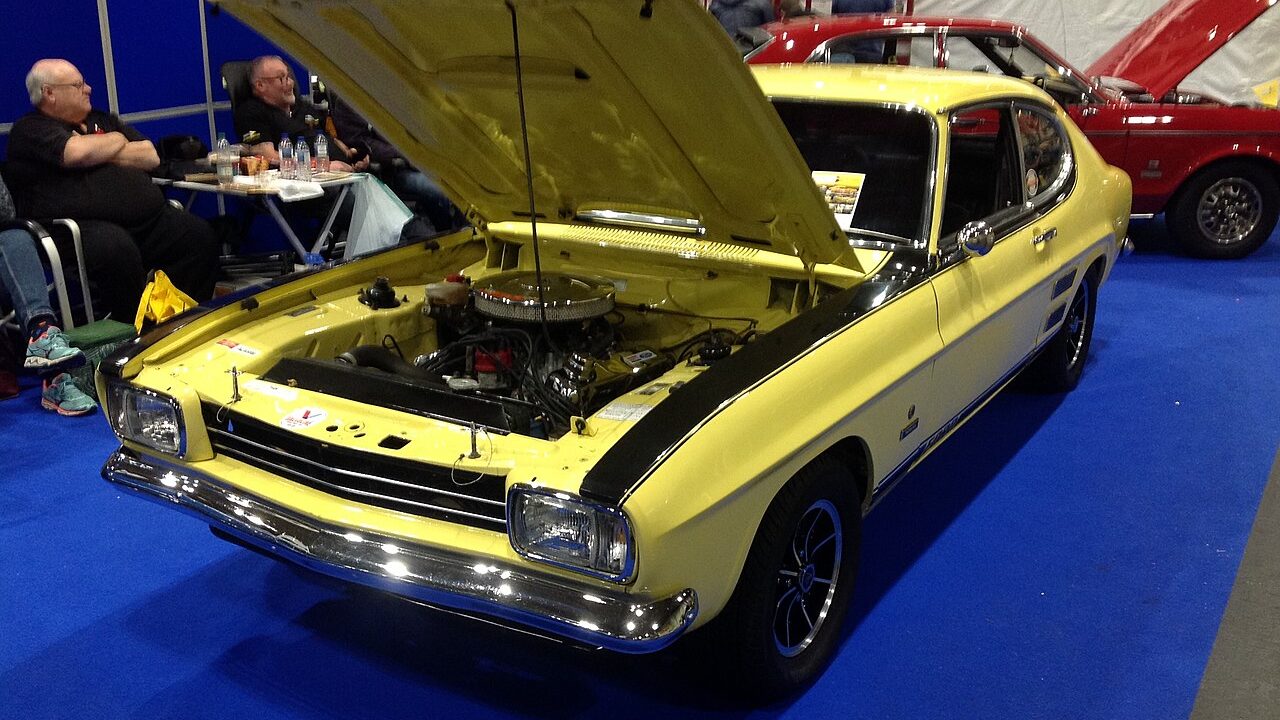
The story of the Ford Capri Perana can seem a little convoluted to the uninitiated. Here, we have an American company making a car for the European market that ends up in South Africa with an engine that should have been an option from the very beginning. See what we mean?
Intended as the European Mustang, the original Capri was a handsome beast, if a little underpowered. That changed when Ford fettler Basil Green, of Basil Green Motors in Johannesburg, decided to shoehorn the 5.0-liter Windsor V8 from the aforementioned Mustang under the hood of a Mk 1 Capri. So good was it that, as reported by SpeedHunters, Ford actually sanctioned the thing, making it available to the public with a full factory warranty.
Remembrance Day

Well, we’ve certainly redirected the spotlight on some of the lesser-known and lesser-discussed muscle cars out there, but the list goes on, and we hope that this has piqued your interest to seek out other cars afflicted by the same neglect as these forgotten paragons of performance.
So next time you hear someone waxing lyrical about the Dodge Charger or the Pontiac GTO, spare a thought for the forgotten and the fallen, and perhaps offer a gentle reminder of the rich and varied strokes that make up this most exciting of automotive tapestries.