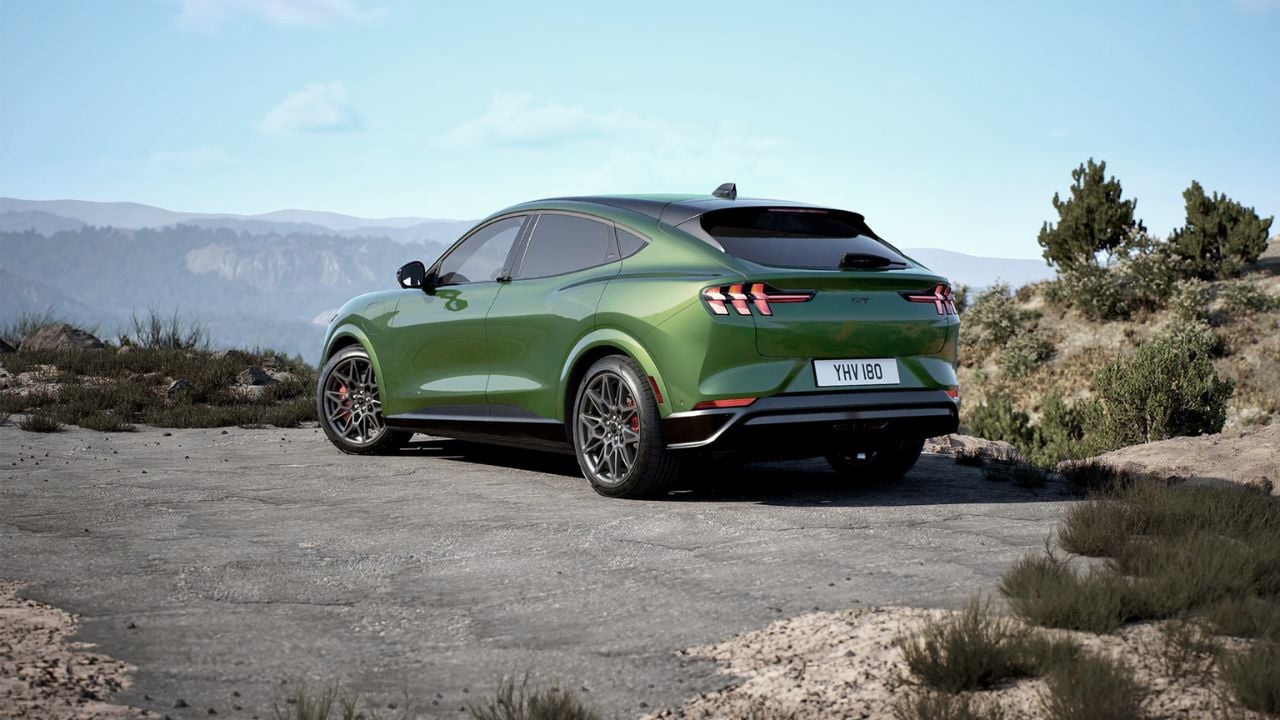
Ford may be exploring one of the strangest, and potentially smartest, automotive safety ideas yet: vehicles that can move themselves while parked to avoid getting hit. A newly published patent from the automaker outlines a predictive crash-avoidance system capable of detecting incoming threats and autonomously repositioning the vehicle before impact occurs.
The patent, officially published in May 2026 under U.S. patent number US-12617393-B2, describes a “System for Detecting Moving Objects.” While patents do not guarantee future production features, the concept offers a glimpse into how advanced vehicle safety systems could evolve beyond simply protecting occupants during a crash.
Unlike current collision-avoidance systems that primarily assist drivers while the car is moving, Ford’s proposal focuses heavily on unattended vehicles. The system is designed to monitor the surroundings even while parked and determine whether an approaching object poses a likely collision risk.
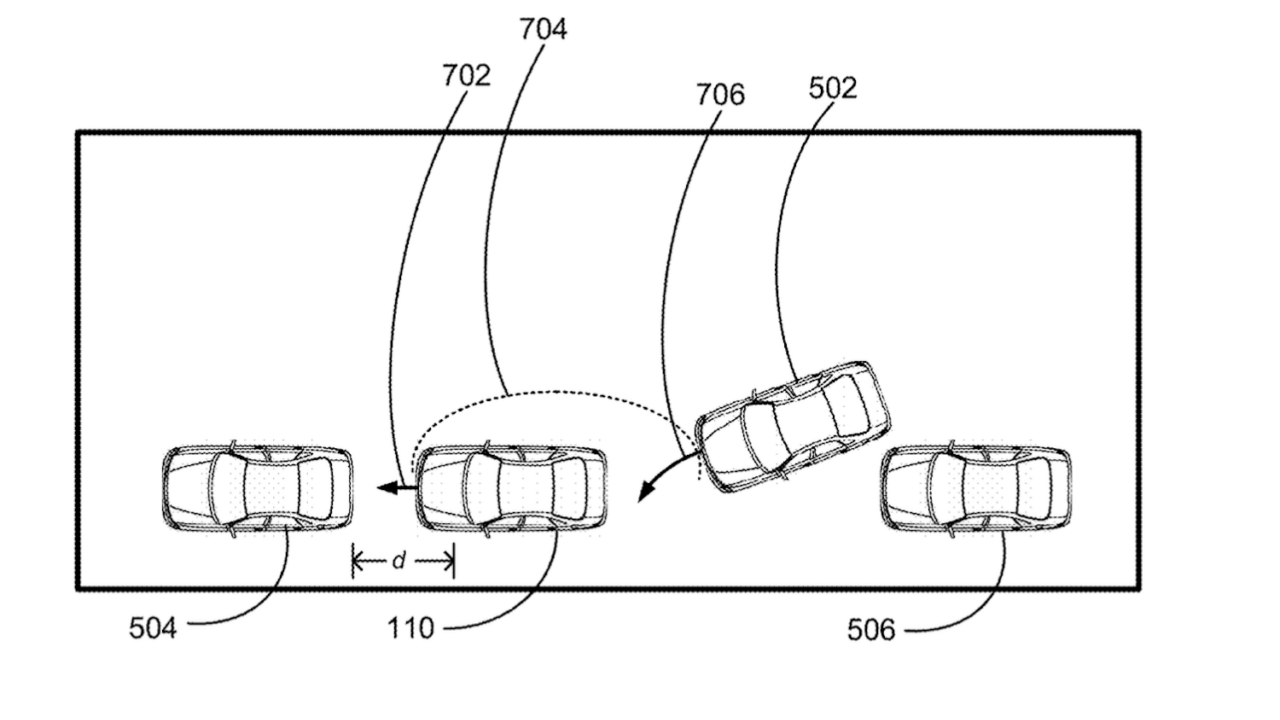
If the software concludes that an impact is unavoidable, the vehicle could theoretically move itself out of harm’s way, provided there is enough space to do so safely. It is an idea that sounds futuristic, but one that may not be as technically unrealistic as it initially seems.
Ford Wants Cars To Predict Danger Before Impact Happens
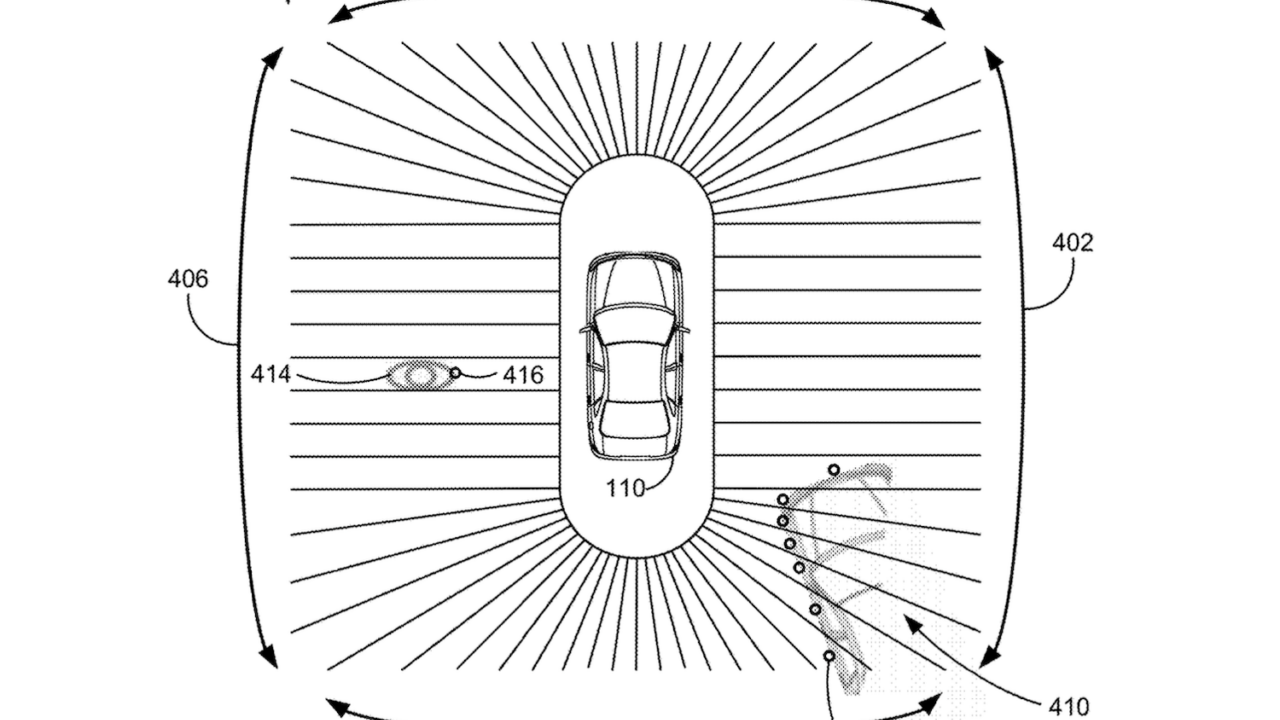
According to the patent documents, the system relies on a combination of sensors already common in many modern vehicles. Cameras, radar, LiDAR, ultrasonic sensors, and other monitoring systems would work together to create what Ford describes as a “virtual sensing grid” around the vehicle.
Rather than simply reacting to immediate obstacles, the system would attempt to predict the future path of moving objects nearby. That could include another vehicle drifting toward the car, a runaway shopping cart, or even heavy equipment moving unpredictably in a parking lot.
The software would continuously analyze speed, trajectory, and threat level to determine whether an incoming impact appears likely. If the danger reaches a certain threshold, the vehicle could begin taking defensive actions on its own.
Ford’s patent suggests the car could brake, accelerate, steer, or reposition itself depending on available escape routes and surrounding obstacles. The system would also monitor stationary objects nearby, including parked vehicles, barriers, pillars, and structures, to avoid causing secondary collisions while maneuvering.
The Car Could Warn People Before Moving
Before autonomously repositioning itself, the vehicle would reportedly attempt to warn nearby people and drivers. The patent mentions flashing exterior lights or sounding the horn in an effort to alert the approaching object or attract attention before taking evasive action.
If the threat continues and impact appears unavoidable, the vehicle will then attempt to move itself to reduce or avoid damage entirely. In situations where avoiding the collision is impossible, the system could still record video footage and data related to the incident for insurance or investigative purposes.
The concept pushes vehicle safety into a completely different category compared with today’s systems. Current technologies like Automatic Emergency Braking and evasive steering assistance are designed primarily to help drivers avoid collisions during active driving. Ford’s proposal imagines vehicles acting more like defensive operators even when nobody is inside.
Ford May Already Have Much Of The Hardware Needed
One reason the idea feels more plausible than some experimental patents is that many of the required technologies already exist in production vehicles. Modern Ford models equipped with BlueCruise already rely on extensive sensor arrays capable of monitoring road conditions and surrounding traffic in real time.
Theoretically, a parked collision-avoidance system could leverage many of the same hardware components. The major challenge may not be technological capability so much as legal and regulatory approval.
Allowing unattended vehicles to autonomously move themselves introduces a host of questions involving liability, safety standards, and public infrastructure rules. Regulators would likely need to establish entirely new frameworks governing how and when a parked vehicle could reposition itself without human supervision.
There is also the obvious concern of unintended behavior. False detections, sensor errors, or mischievous attempts to intentionally trigger the system could create complications if vehicles begin moving unexpectedly in crowded parking environments.
The Future Of Vehicle Safety May Extend Beyond Driving
Despite the challenges, Ford’s patent highlights how quickly automotive safety technology is evolving. The industry is steadily moving beyond passive crash protection and toward predictive systems designed to avoid accidents altogether.
Features that once seemed futuristic, such as adaptive cruise control, automated braking, lane-centering assistance, and hands-free highway driving, are now increasingly common across mainstream vehicles. A decade ago, many of those systems sounded just as far-fetched as self-moving parked cars do today.
Whether Ford’s patent ever reaches production remains uncertain. Automakers file thousands of patents that never become reality, and some ideas exist primarily to secure intellectual property rights rather than signal imminent product plans.
Still, the concept reveals how manufacturers are beginning to think about vehicle safety differently. In the future, cars may not simply protect passengers during crashes. They may actively try to avoid getting hit at all, even while sitting unattended in a parking space.