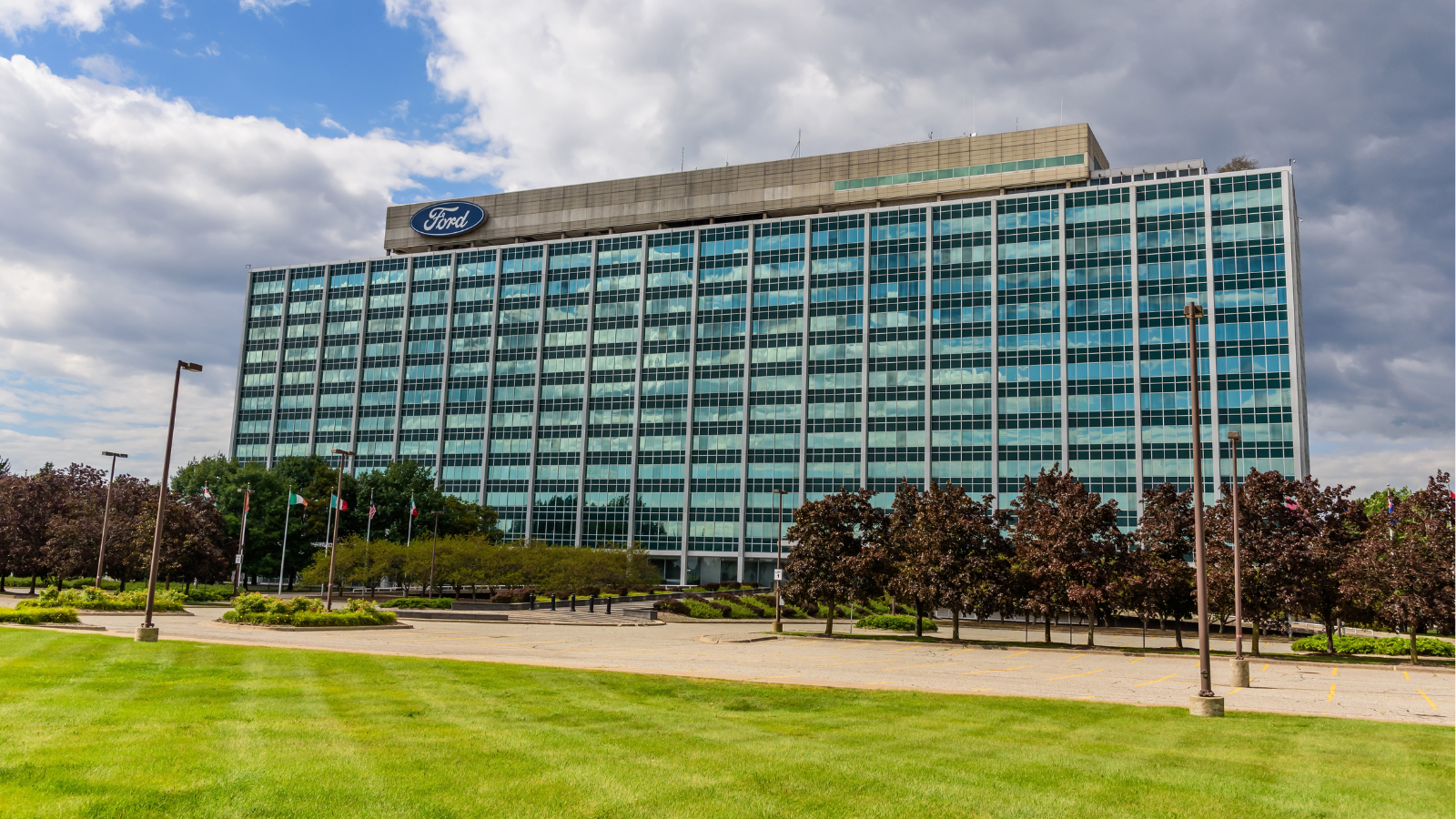
For the want of a $1.95 package of cookies, Ford now finds itself facing weeks of headlines, thousands of unfavorable news impressions, and a public relations challenge stemming from a dispute over a snack. Whether the company ultimately bears legal responsibility remains to be seen, but in the court of public opinion, the story has already taken on a life of its own.
What began as one Kentucky electrician’s dispute over an allegedly unpaid package of cookies has grown into one of the summer’s biggest automotive stories. First reported by automotive journalist Phoebe Wall Howard in her Shifting Gears newsletter, it has since been advanced by the Detroit Free Press, the New York Post, The Independent and numerous other news organizations.
Along the way, the story has spread across major news platforms and social media. One discussion in the r/antiwork community collected more than 4,000 upvotes as commenters debated Ford’s handling of the case and the risks of relying on automated payment systems when an employee’s livelihood may be at stake.
Companies spend enormous amounts of money shaping public perception. Yet some of the biggest stories about a brand begin far from its marketing department, with an operational or employment decision that grows into something much larger. In Ford’s case, an allegation involving less than two dollars became a reminder that reputational consequences can far exceed the amount that started them.
A Quick Recap of the Cookie Dispute
Kurt Kromm, 60, worked for Ford for 11 years as an electrician at the Kentucky Truck Plant in Louisville. According to the original reporting by Shifting Gears, Kromm is diabetic and experienced a drop in his blood sugar during an overnight shift on May 9.
He selected a $1.95 package of cookies from an Aramark-operated self-checkout kiosk. Kromm later told the New York Post that the terminal displayed an error after he swiped his debit card. He tried again and, because the machine did not clearly reject the second attempt, believed the payment had gone through.
About a week later, Kromm said he was accused of taking the cookies without paying and was terminated. He subsequently produced bank records showing that the $1.95 payment had been processed.
According to the Post, Ford reversed the termination, paid Kromm approximately $33,000 in back wages and offered to reinstate him. By then, he had accepted another electrician position that reportedly paid more and declined to return.
“There was no apology. There was no serious, ‘We’re sorry,’” Kromm told the Post. “I expected to work for Ford until I retired. This was tremendously difficult for me, but I couldn’t go back.”
Kromm Has Now Hired an Attorney
For many employers, reinstating a worker and restoring lost wages might bring a dispute to an end. This one continued growing.
Shifting Gears first reported that Kromm had retained Kentucky attorney J. Will Huber. The New York Post later interviewed Huber and reported that he intended to send a demand letter to Ford and Aramark.
Huber argued that proof of Kromm’s payment was available from the beginning and said his client was considering legal claims arising from the accusation.
The Independent conducted its own follow-up reporting and obtained additional comments from Huber, Ford and Aramark. Huber told the outlet that he was exploring all available claims, including defamation.
“Neither Aramark nor Ford has published a retraction, and to this day neither has cleared Mr. Kromm’s name,” Huber told The Independent.
Ford told the outlet that it does not comment on pending litigation and said it was reviewing the limited instances in which concerns involving Aramark kiosks had been raised. Aramark declined to discuss potential litigation and said it remained focused on operating with integrity and accountability.
No lawsuit had been publicly filed at the time of that reporting. Ford reversed the termination and restored Kromm’s lost wages. Kromm, however, maintains that the accusation caused reputational harm that an offer of reinstatement could not erase.
Viral Stories Often Attract More Stories
As Kromm’s account spread, journalists began examining whether other Ford workers had experienced similar problems.
The Detroit Free Press reported that additional employees had been fired following disputed purchases from Aramark-operated self-checkout stores. At least three workers at Ford’s Michigan Assembly Plant were reportedly reinstated after investigations cleared them.
Another employee, Nick Nabozny, remained off the job while pursuing a union grievance. He said he scanned his snacks, tapped his debit card and heard the kiosk chime, only to later learn that the transaction had timed out before reaching his bank account. Nabozny maintains that he made a good-faith attempt to pay and believed the purchase had been accepted.
Workers also told the Free Press that they had experienced frozen screens, failed transactions, duplicate charges and missing receipts. Ford acknowledged that concerns had been raised regarding kiosk functionality in a limited number of cases and said it was reviewing those situations with Aramark.
That does not prove a kiosk malfunction caused any particular termination. It does illustrate how a viral story can grow. One worker’s account receives attention, others with similar experiences step forward, and reporters gain new leads that can transform an isolated dispute into a broader company problem.
Why the Story Became So Difficult to Contain
The cookie story had nearly every ingredient needed to travel quickly online. The amount involved was tiny, the consequences were enormous, and the technology at the center of the dispute was familiar to almost everyone.
Many consumers have encountered frozen self-checkout screens, rejected cards, duplicate charges or unclear confirmation messages. Readers could easily imagine believing a purchase had been completed and later being told otherwise.
Kromm’s employment history added to the reaction. He had worked for Ford for more than a decade and reportedly earned more than $200,000 in 2025 while working extensive overtime. The contrast between his career and the $1.95 at the center of the dispute became a recurring focus of online discussions about the case.
Ford’s size gave the story an even larger audience. Had the same dispute involved an obscure local employer, it might have remained local. Instead, every new development carried the name of one of the world’s most recognizable automakers.
The Real Cost Was Never the Cookie
Inside a large corporation, plant managers, human resources employees, contractors, lawyers and communications teams may all have distinct responsibilities. Outside the company, the public usually sees only the brand.
Readers are unlikely to distinguish between Ford, Aramark, plant management and the disciplinary process. To them, the story is much simpler: Ford fired a longtime worker over a $1.95 package of cookies.
Whether that perception ultimately affects purchasing decisions is impossible to know. It has, however, shaped much of the online conversation surrounding the case.
By the time Kromm hired an attorney, Ford had already reversed the termination, paid approximately $33,000 in back wages, and become the focus of sustained national media coverage. The original story had also led to additional reporting about other employees and concerns involving the kiosks.
Whether the company ultimately faces additional legal liability remains unknown. The public relations consequences, however, arrived long before any courtroom verdict.
For companies as large as Ford, that may be the larger lesson. The most expensive part of a controversy is not always the lawsuit. Sometimes it is the story itself.
What do you think? Did Ford do enough by reinstating Kromm and paying his back wages, or should Ford and Aramark have investigated the transaction more thoroughly before his career and reputation were placed at risk?
No, Ford didn’t do all that they could.
In 1945 during the Battle of the Bulge, Field Marshall Montgomery made an off the cuff statement in an officer’s briefing that he felt the actions of some US units fighting the German push amounted to cowardice.
Eisenhower heard about it and was not pleased. After several drafts he wrote a two page telegram documenting the timeline. US actions and requiring Montgomery to retract his statement.
Montgomery did after reviewing that timeline. He hand wrote a reply, stating his assessment had been “in error.” Not taken out of context or misconstrued. “In Error.” His own words.
Ford would do well to consider that.