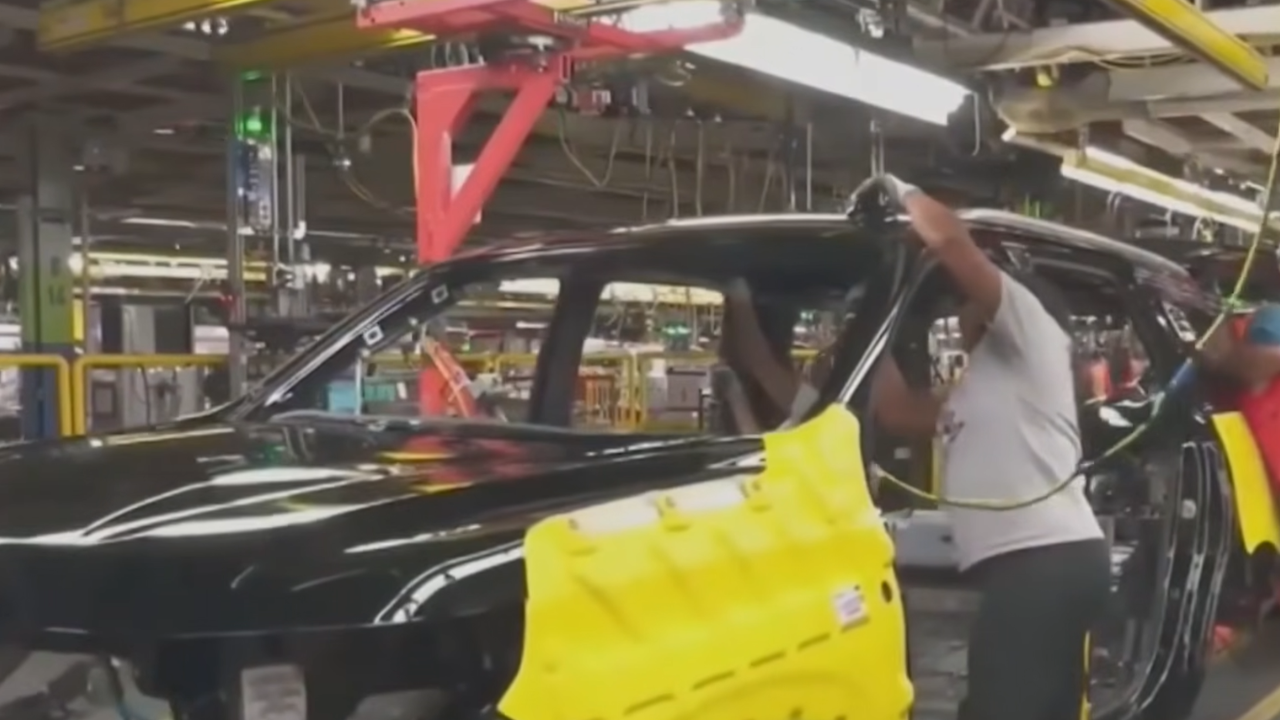
Turns out you can’t fire your way to better cars, even with the fanciest software in the building. According to a recent broadcast report, Ford is now in the process of rehiring a number of engineers it had previously let go as part of a push toward AI-driven operations. If that sounds like a plot twist, it kind of is.
The original idea, as the report tells it, was straightforward enough on paper: replace expensive human judgment with AI that could do the same work for less money. It’s the kind of cost-cutting logic that looks great in a spreadsheet and a lot shakier once it hits an actual assembly line. A lot of the affected roles were in quality control, the unglamorous but essential job of making sure what comes off the line actually matches what was supposed to come off the line.
Here’s the part that won’t shock anyone who’s ever had to explain a weird engine noise to a mechanic: AI doesn’t have gut instinct. It can crunch numbers and flag obvious defects, but it apparently struggles with the kind of “something feels off here” judgment call that an experienced set of human eyes makes almost without thinking. That’s a tough skill to code for, at least with where the technology stands right now.
So Ford is reportedly walking part of this back, bringing some of those engineers back into the fold to handle quality control again. And according to the report, quality has reportedly improved since they returned. Consider it a real-world reminder that some jobs are harder to automate than they look from the boardroom.
The Quality Control Problem, Explained
Quality control sounds simple until you actually try to do it. It’s not just checking boxes on a list. It’s about noticing when a panel gap looks a hair off, or when a part that technically passes inspection just doesn’t sit right.
Veteran line workers build that sense over years on the floor. Asking a system with no factory floor experience to replicate it overnight was always going to be a stretch.
A Twist: Humans Training Their Replacements
Here’s where it gets a little ironic. Part of the job for these rehired workers, per the report, is reportedly training the AI to get better at the very tasks it was brought in to handle. So in a roundabout way, the people who were let go are now the ones teaching the system to (eventually) do their old jobs more competently.
There’s a joke in there somewhere about job security and irony, but we’ll let you make it.
What This Means Going Forward
None of this means AI is going away from the manufacturing floor, automation isn’t going anywhere either, and that’s not really the point. What it does suggest is that the rollout matters as much as the technology itself, especially in roles where human judgment has been doing quiet, unglamorous work for decades.
For an industry that lives and dies by reliability, getting that balance right is probably worth the growing pains.