
As 2026 begins, Ford Motor Company is carrying forward a substantial slate of recall actions announced in 2025, with owner notifications, software updates, and dealer fixes continuing into the new year. The breadth of these ongoing safety campaigns underscores the challenges automakers face in addressing complex systems across increasingly diverse vehicle lineups.
Editor’s note: This article was updated to clarify that the recall campaigns referenced were issued in 2025, with owner notifications and corrective actions continuing into 2026. Ford has not issued new recall campaigns so far in 2026.
Rollaway Risk Recall Affecting Nearly 273,000 Vehicles
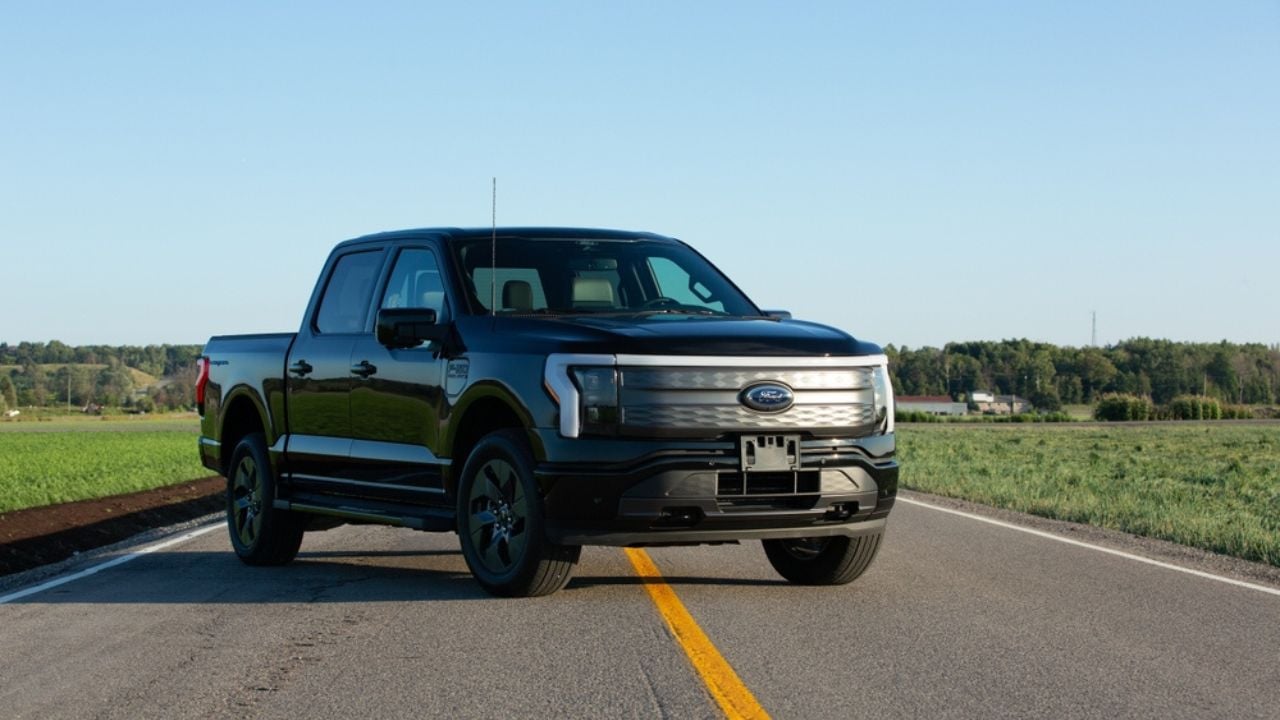
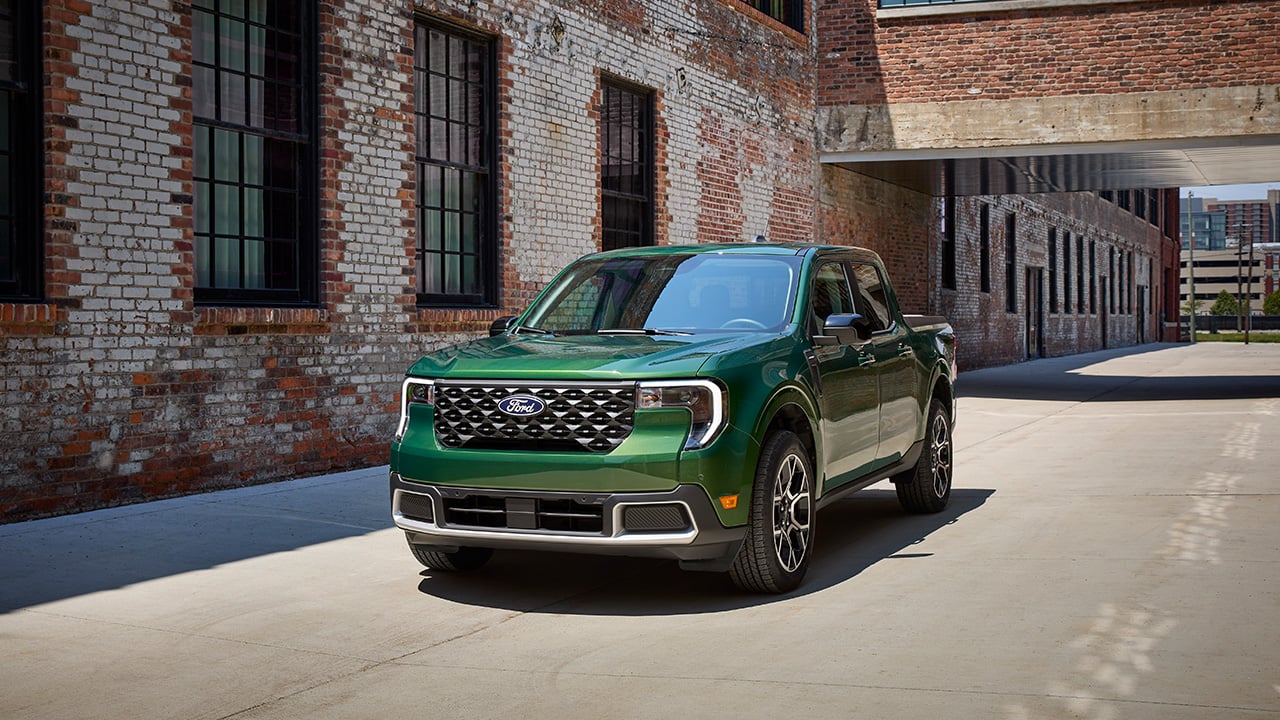
One of the most high-profile recall actions continuing into 2026 involves nearly 273,000 vehicles, including the discontinued battery-electric F-150 Lightning pickups, Mustang Mach-E crossovers, and Maverick compact trucks, due to a software flaw that can prevent the parking mechanism from fully engaging.
Notably, the Maverick experienced brief adjustments in 2025 when Ford removed the front-wheel-drive EcoBoost version. But for the 2026 model year, the Maverick lineup has been expanded again, with the FWD EcoBoost reintroduced at a lower entry price.
If the affected vehicles are not securely in Park, they could roll away after the driver exits, creating a serious crash hazard. This action, officially registered under National Highway Traffic Safety Administration (NHTSA) Campaign Number 25C69, will see Ford sending interim owner notifications around early February, with final fixes delivered via over-the-air software updates or at dealerships free of charge. Vehicle Identification Numbers (VINs) linked to this recall are expected to be searchable on NHTSA’s database by late January.
Structural and Safety Recalls Continue into the New Year
In addition to the rollaway risk campaign, Ford has several other active recalls carrying over from late 2025 into 2026:
- Instrument Panel Cover Separation (Maverick): Nearly 6,900 2025- and 2026-model Maverick pickups are being recalled because the instrument panel cover may detach during airbag deployment, posing injury risks to occupants. Interim owner letters are slated for mid-January, with the final remedy expected in February.
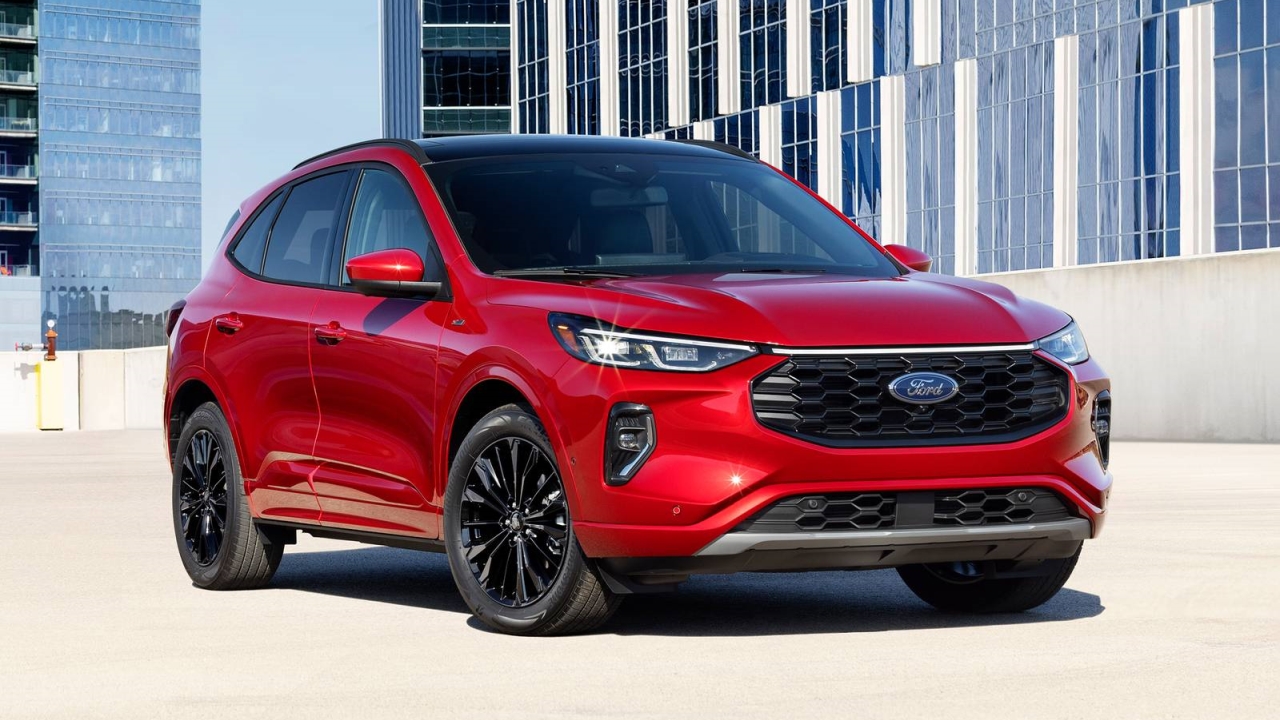
- Escape Liftgate Hinge Covers: More than 108,000 Ford Escape SUVs built for various model years (2020–2022 and 2025) have been flagged because rear liftgate hinge covers may become detached in use. Owners will begin receiving recall notices in mid-January 2026, and dealerships will inspect and resecure or replace the parts at no cost.
- Super Duty Axle-Shaft Defect: Certain 2026 Super Duty F-250 and F-350 trucks are part of another recall after improperly heat-treated rear axle shafts could break, risking loss of drive power or unintended rollaway conditions. Notification letters for this recall have already begun in early January, with free axle inspections and replacements scheduled.
- Electrical and Powertrain Software Fixes: Smaller recall campaigns, such as for electrical system quirks in 2019 Expedition models or hybrid powertrain software issues in select Maverick and Escape hybrids, are also rolling out with owner notices expected throughout January.
A Record-Setting Recall Backlog
These early-2026 actions are extensions of an unprecedented wave of recalls that dominated 2025. Ford issued well over a hundred individual recall campaigns last year, affecting millions of vehicles. The tally outpaced every other automaker in the US. Analysts have pointed to a combination of legacy manufacturing issues and increased scrutiny from regulators as drivers seek accountability and faster remedies.
As the recalls mount, Ford and safety officials are urging owners to verify whether their vehicles are affected by using the NHTSA’s VIN lookup tool or contacting Ford’s customer service line. While many recalls will be remedied with free software updates or part replacements at dealerships, others could require more complex service, and in some cases, interim safety advisories are already being mailed.
Industry watchers say the wave of recalls early in 2026 highlights both the scale of modern vehicle complexity and the ongoing challenges facing legacy automakers in ensuring safety across electrified, hybrid, and traditional powertrain lines.
What to Do Next:
- Check your VIN on NHTSA.gov or via Ford’s recall lookup.
- Watch your mail for recall notices and instructions.
- Schedule dealer service promptly if your vehicle is affected.
With safety on the line for thousands of drivers, Ford’s early-year recall blitz is shaping up to be one of the most consequential in recent automotive history.
One of the most high-profile recalls to start 2026 involves almost 273,000 vehicles, a list that includes the discontinued battery-electric F-150 Lightning pickups, the persevering Mustang Mach-E crossovers, and Maverick compact trucks, due to a software flaw that can prevent the parking mechanism from fully engaging.
Notably, the Maverick experienced brief adjustments in 2025 when Ford removed the front-wheel-drive EcoBoost version. But for the 2026 model year, the Maverick lineup has been expanded again, with the FWD EcoBoost reintroduced at a lower entry price.
If the affected vehicles are not securely in Park, they could roll away after the driver exits, creating a serious crash hazard. This action, officially registered under National Highway Traffic Safety Administration (NHTSA) Campaign Number 25C69, will see Ford sending interim owner notifications around early February, with final fixes delivered via over-the-air software updates or at dealerships free of charge. Vehicle Identification Numbers (VINs) linked to this recall are expected to be searchable on NHTSA’s database by late January.
Structural and Safety Recalls Continue into the New Year
In addition to the rollaway risk campaign, Ford has several other active recalls carrying over from late 2025 into 2026:
- Instrument Panel Cover Separation (Maverick): Nearly 6,900 2025- and 2026-model Maverick pickups are being recalled because the instrument panel cover may detach during airbag deployment, posing injury risks to occupants. Interim owner letters are slated for mid-January, with the final remedy expected in February.
- Escape Liftgate Hinge Covers: More than 108,000 Ford Escape SUVs across various model years (2020–2022 and 2025) have been flagged because the rear liftgate hinge covers may detach during use. Owners will begin receiving recall notices in mid-January 2026, and dealerships will inspect and resecure or replace the parts at no cost.
- Super Duty Axle-Shaft Defect: Certain 2026 Super Duty F-250 and F-350 trucks are part of another recall after improperly heat-treated rear axle shafts could break, risking loss of drive power or unintended rollaway conditions. Notification letters for this recall have already begun in early January, with free axle inspections and replacements scheduled.
- Electrical and Powertrain Software Fixes: Smaller recall campaigns, such as for electrical system quirks in 2019 Expedition models or hybrid powertrain software issues in select Maverick and Escape hybrids, are also rolling out with owner notices expected throughout January.
A Record-Setting Recall Backlog
These early-2026 actions are extensions of an unprecedented wave of recalls that dominated 2025. Ford issued well over a hundred individual recall campaigns last year, affecting millions of vehicles. The tally outpaced every other automaker in the US. Analysts have pointed to a combination of legacy manufacturing issues and increased scrutiny from regulators as drivers seek accountability and faster remedies.
As the recalls mount, Ford and safety officials are urging owners to verify whether their vehicles are affected by using the NHTSA’s VIN lookup tool or contacting Ford’s customer service line. While many recalls will be remedied with free software updates or part replacements at dealerships, others could require more complex service, and in some cases, interim safety advisories are already being mailed.
Industry watchers say the wave of recalls early in 2026 highlights both the scale of modern vehicle complexity and the ongoing challenges facing legacy automakers in ensuring safety across electrified, hybrid, and traditional powertrain lines.
What to Do Next:
- Check your VIN on NHTSA.gov or via Ford’s recall lookup.
- Watch your mail for recall notices and instructions.
- Schedule dealer service promptly if your vehicle is affected.
With safety on the line for thousands of drivers, Ford’s early-year recall blitz is shaping up to be one of the most consequential in recent automotive history.