Ford tried one of the oldest tricks in the automotive sales playbook this spring by bringing back employee pricing for everyone. The campaign was designed to attract buyers into dealerships at a time when affordability concerns and slowing EV demand continue reshaping the market.
The incentives covered several major Ford models and arrived alongside additional lease offers for vehicles like the Explorer and Mustang Mach-E. Ford clearly hoped aggressive pricing would help maintain momentum through the summer selling season.
Instead, the company reported a significant sales decline in May. Combined Ford and Lincoln sales fell 13.6% year-over-year to 190,828 vehicles, suggesting that discounts alone may no longer be enough to overcome challenges facing the brand.
The disappointing results also reveal how quickly the market is evolving underneath traditional automakers. Hybrid demand continues growing, EV sales are cooling, and competitors are gaining ground in several of the segments Ford once dominated comfortably.
Ford’s Biggest Models Struggled

Ford’s employee pricing campaign launched May 1 and will continue through early July. The promotion opened employee-level pricing to the public across much of the lineup in an attempt to boost showroom traffic and clear inventory.
Despite the incentives, Ford brand sales still dropped 13.3% during May. Lincoln performed even worse, with every single model in the luxury brand’s lineup posting year-over-year declines.
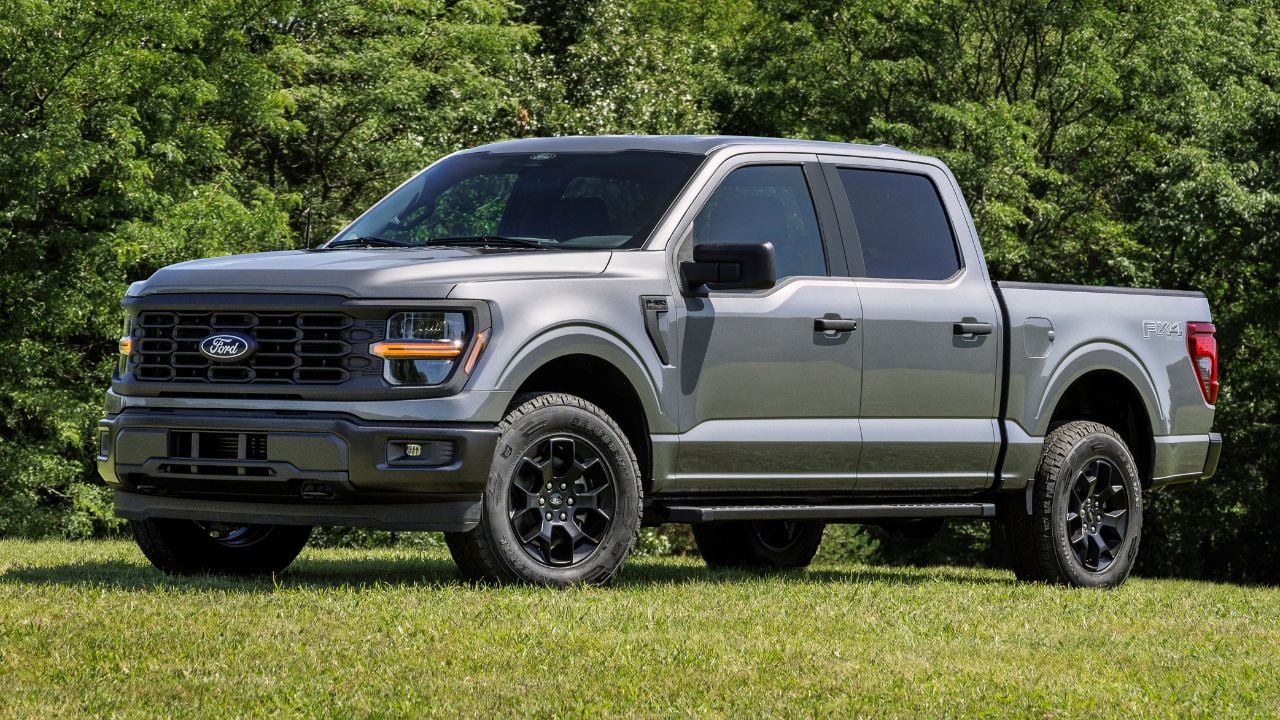
Some of Ford’s most important nameplates struggled heavily during the month. F-Series truck sales fell 13.3%, Ranger sales dropped 23.3%, and Mustang Mach-E deliveries plunged by 44%.
Only a handful of models managed to post gains. Bronco sales increased 5.2%, Explorer rose 8.8%, Maverick climbed 10%, and Transit van sales improved by 4.2%.
EV Sales Continue Cooling Rapidly
One of the biggest warning signs for Ford came from its electric vehicle division. Fully electric sales declined 43.9%, continuing a trend several automakers are now dealing with across the industry.
The Mustang Mach-E once looked positioned to become one of Tesla’s strongest mainstream rivals. While the crossover remains competitive, slowing EV demand and rising affordability concerns have made growth much harder to sustain.
Buyers increasingly appear hesitant to commit fully to electric vehicles. Concerns about charging infrastructure, pricing, insurance costs, and future resale value continue influencing purchasing decisions across the market.
Ford invested billions into EV expansion plans during the last several years. Now the company finds itself navigating an industry where demand has cooled faster than many manufacturers originally expected.
Ford’s Hybrid Gap Is Becoming A Problem
While Ford’s EV sales fell sharply, the company also experienced a 15.7% decline in hybrid sales. That stands out even more when compared to rivals like Toyota, Hyundai, Honda, and Kia, all of which continue seeing strong hybrid growth.
The biggest issue may be Ford’s lack of a mainstream hybrid crossover. Following the phase-out of the Escape Hybrid, Ford no longer competes directly in one of the fastest-growing vehicle categories in the country.
Consumers increasingly want practical, fuel-efficient SUVs without fully transitioning to EV ownership. Toyota built an empire around that exact formula, while Hyundai and Honda continue rapidly expanding hybrid crossover offerings.
Ford still has the Maverick hybrid, which remains extremely popular with buyers. However, outside of trucks, the company’s hybrid lineup suddenly looks much thinner than several key competitors.
Recalls And Competition Add More Pressure
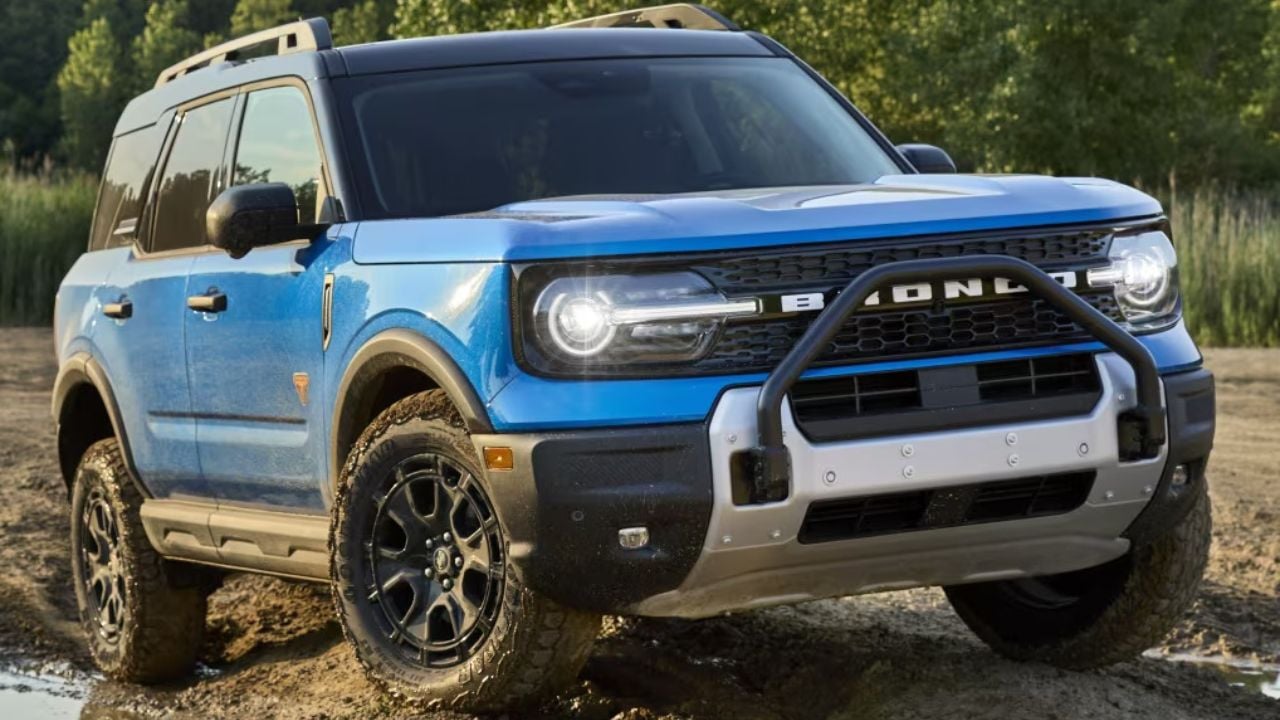
Ford’s sales slump also arrives during an especially busy period for recalls. Recent campaigns have affected Bronco, Explorer, Ranger, Expedition, Navigator, Bronco Sport, and Maverick models for various mechanical and safety concerns.
While recalls do not automatically translate into lower sales, repeated quality headlines can slowly erode buyer confidence over time. Ford has spent the past several years battling exactly that issue.
At the same time, competitors continue gaining momentum across multiple segments. Subaru recently reported a 10.4% sales increase, while Hyundai, Honda, and Kia all posted strong results driven largely by hybrids and crossovers.
Ford still has several standout products that resonate strongly with buyers. Bronco remains popular, Maverick continues outperforming expectations, and Super Duty trucks remain enormously profitable for the company.
Discounts Alone Can’t Solve Everything
The bigger concern for Ford is that employee pricing failed to prevent a double-digit sales decline during a highly competitive period. Incentives traditionally help stimulate demand quickly, especially for mainstream brands with broad dealer networks.
When discounts stop delivering the desired results, it often points toward deeper issues involving product mix, consumer confidence, or changing market trends. Right now, Ford appears to be dealing with all three simultaneously.
The company is still investing heavily in future products, including affordable EV platforms and a rumored four-door Mustang sedan reportedly called the Mach 4. Those vehicles may eventually help reshape Ford’s lineup and attract new buyers.
For now, however, Ford faces an increasingly difficult challenge. The company must convince buyers to return to dealerships while competitors continue strengthening their positions in hybrids, crossovers, and value-focused segments that consumers currently seem to want most.