

It recently came to light that a quiet but potentially seismic conversation took place on the sidelines of last month’s Detroit Auto Show.
At the center of it was Ford Motor Co. CEO Jim Farley, who reportedly discussed with senior Trump administration officials whether Chinese automakers could one day build cars in the United States through joint ventures controlled by American companies.
According to people familiar with the talks, the idea floated was straightforward in concept but complex in implication.
Chinese carmakers would partner with US automakers in joint ventures where the American side would hold a controlling stake. Profits and technology would be shared within the venture, creating a structure designed to offer US firms a measure of protection while allowing Chinese brands a pathway into the American market.
No formal proposal has been adopted, and the discussions were described as informal and preliminary. Still, the mere fact that American shot callers explored such a framework at all is a sign of the times — just how rapidly the global auto landscape is shifting.
History Remade
The idea carries historical irony. Three decades ago, Western automakers seeking entry into China were required to form joint ventures with domestic Chinese manufacturers. Now, with Chinese companies surging in electric vehicle technology and scale, the notion of a mirror arrangement on US soil is being quietly examined.
The conversations reportedly involved US Trade Representative Jamieson Greer, Transportation Secretary Sean Duffy and Environmental Protection Agency Administrator Lee Zeldin. That meeting took place just days after President Donald Trump signaled openness to Chinese automakers building vehicles in the US if they invested in American plants and jobs.
Ford confirmed that Farley gave administration officials a tour of its exhibit and discussed a range of industry topics but declined to provide specifics.
The company has consistently emphasized the need to shield the US market from what it calls a flood of subsidized Chinese vehicles, while also raising privacy and national security concerns tied to connected car technologies.
Mixed Reception and Political Realities
According to Bloomberg, sources say Farley did not actively lobby for a joint venture framework but floated the idea as one potential defensive strategy if Chinese automakers gain traction in North America.
The proposal reportedly received a cool reception from Trump officials, who believe it would encounter stiff political resistance in Washington. Even so, some within the administration view an investment structure of that kind as a conceivable outcome of Trump’s planned meeting with Chinese President Xi Jinping later this spring.
The irony here is striking.
On one hand, Trump officials have loudly criticized Canada for opening its doors to Chinese automakers, portraying it as a betrayal of North American industry.
Yet, as the Bloomberg report shows, Ford’s CEO Jim Farley has already floated a framework to Trump’s own team that would allow Chinese carmakers to build cars in the U.S. through joint ventures — a mirror image of the arrangements Western automakers once had to accept in China.
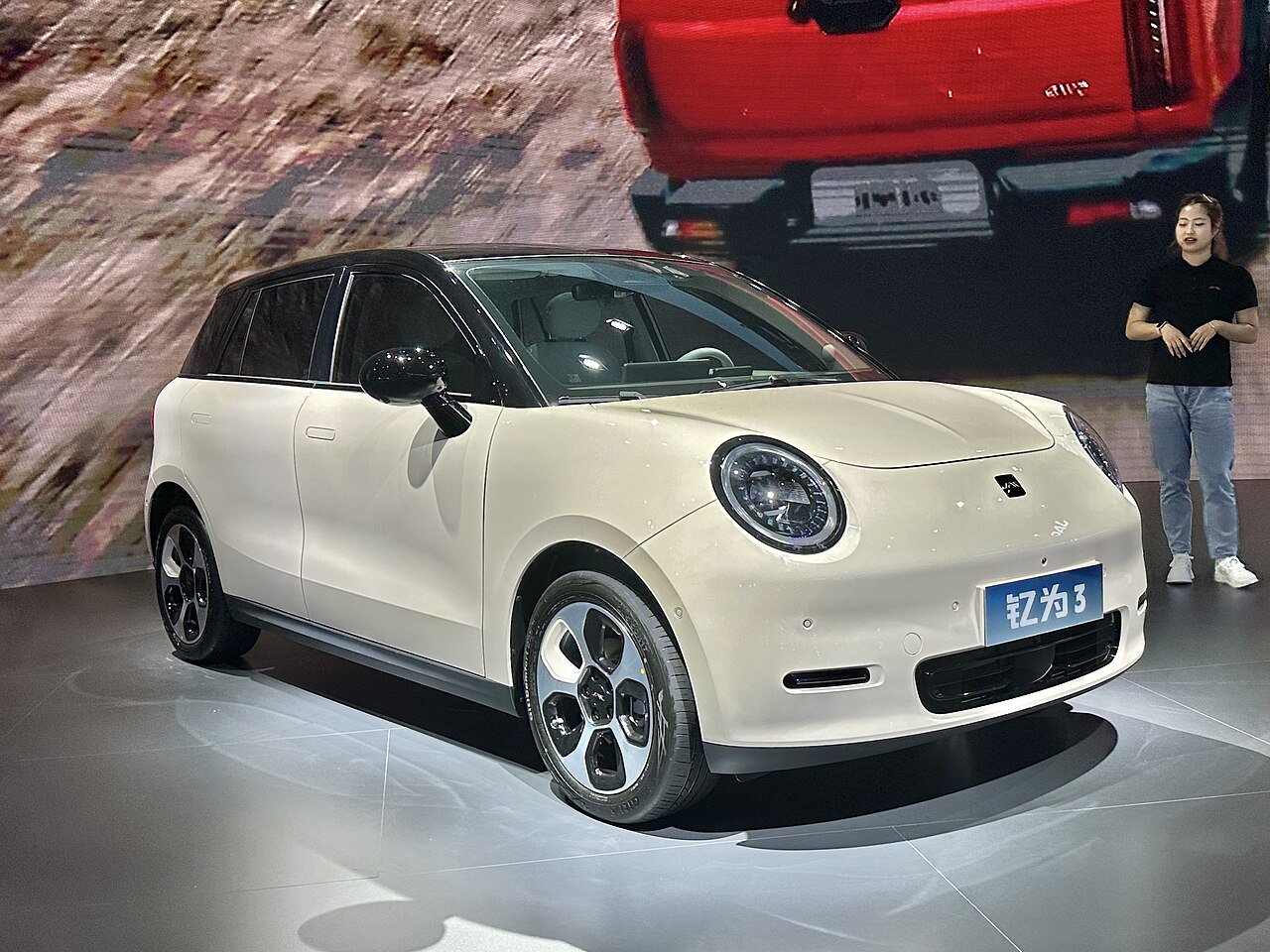
The deeper irony is that U.S. trade policy itself helped push Canada toward China. By imposing steep tariffs and barriers, Washington left Ottawa with few alternatives to keep its auto sector competitive.
Canada’s move wasn’t so much a choice as a reaction to U.S. pressure. Now, with American automakers struggling against low-cost, high-tech Chinese EVs, the U.S. finds itself considering the very same partnerships it condemned in Canada.
High Stakes in the Global EV Race
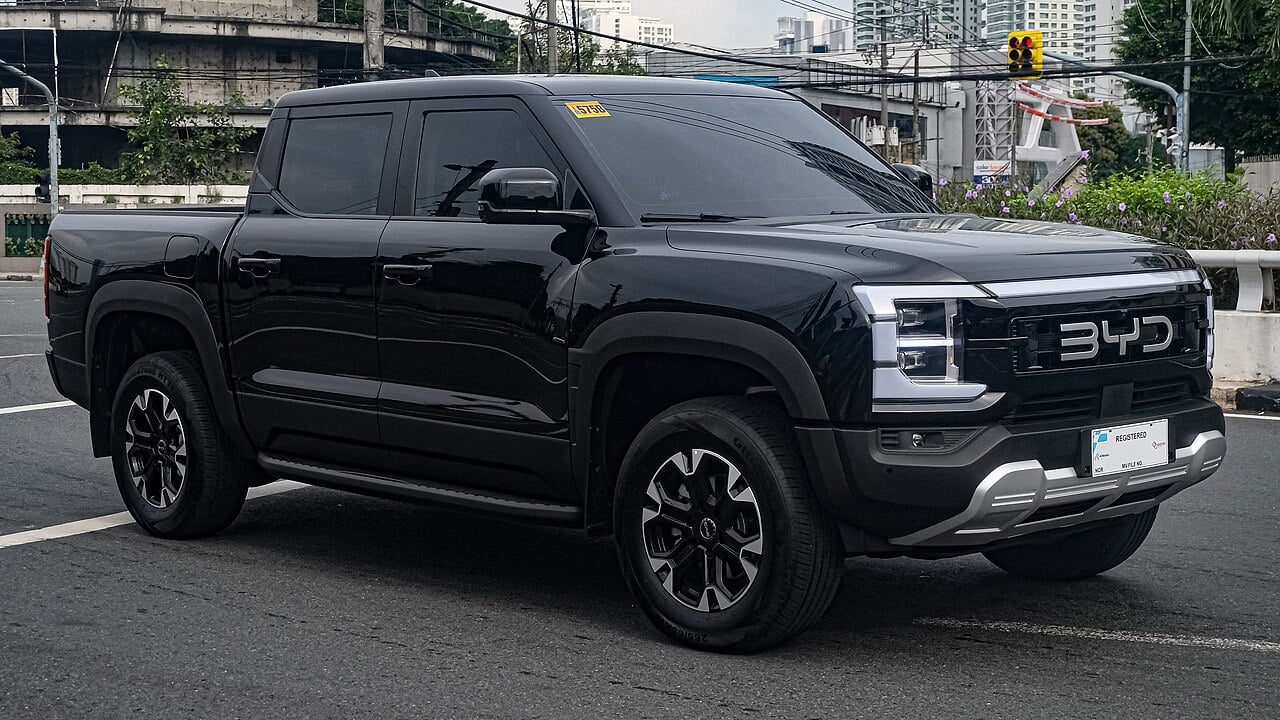
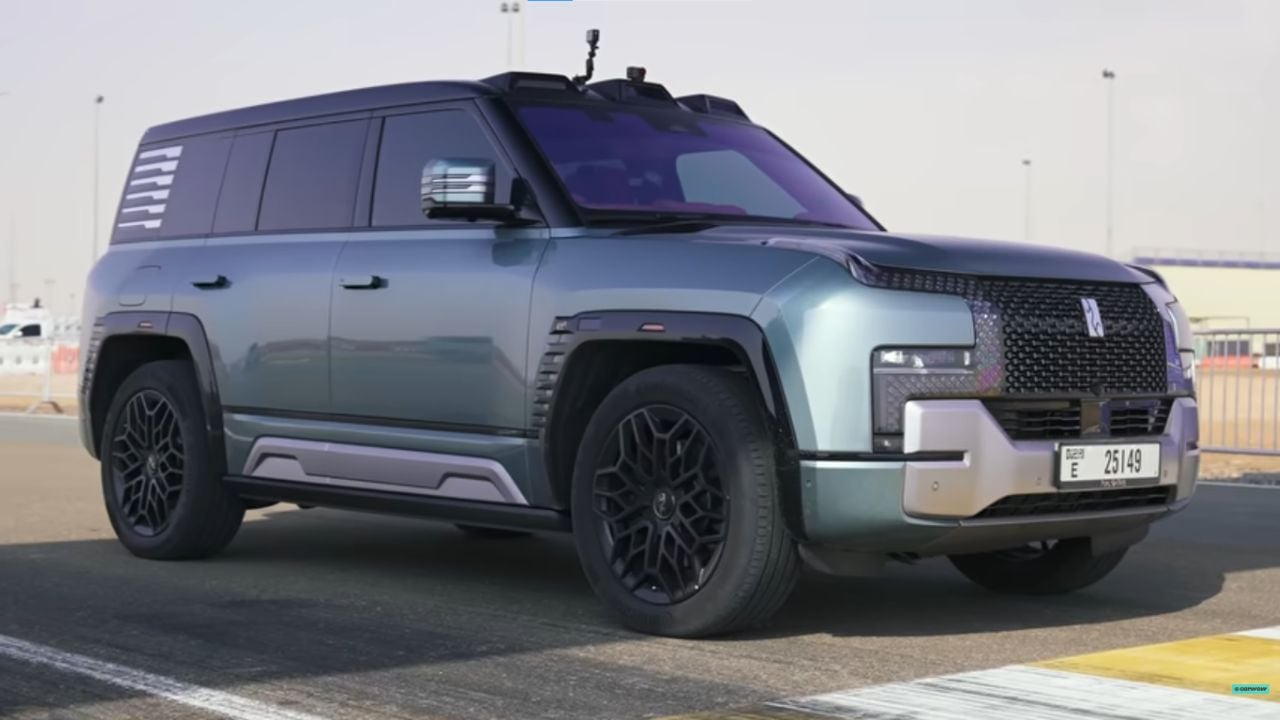
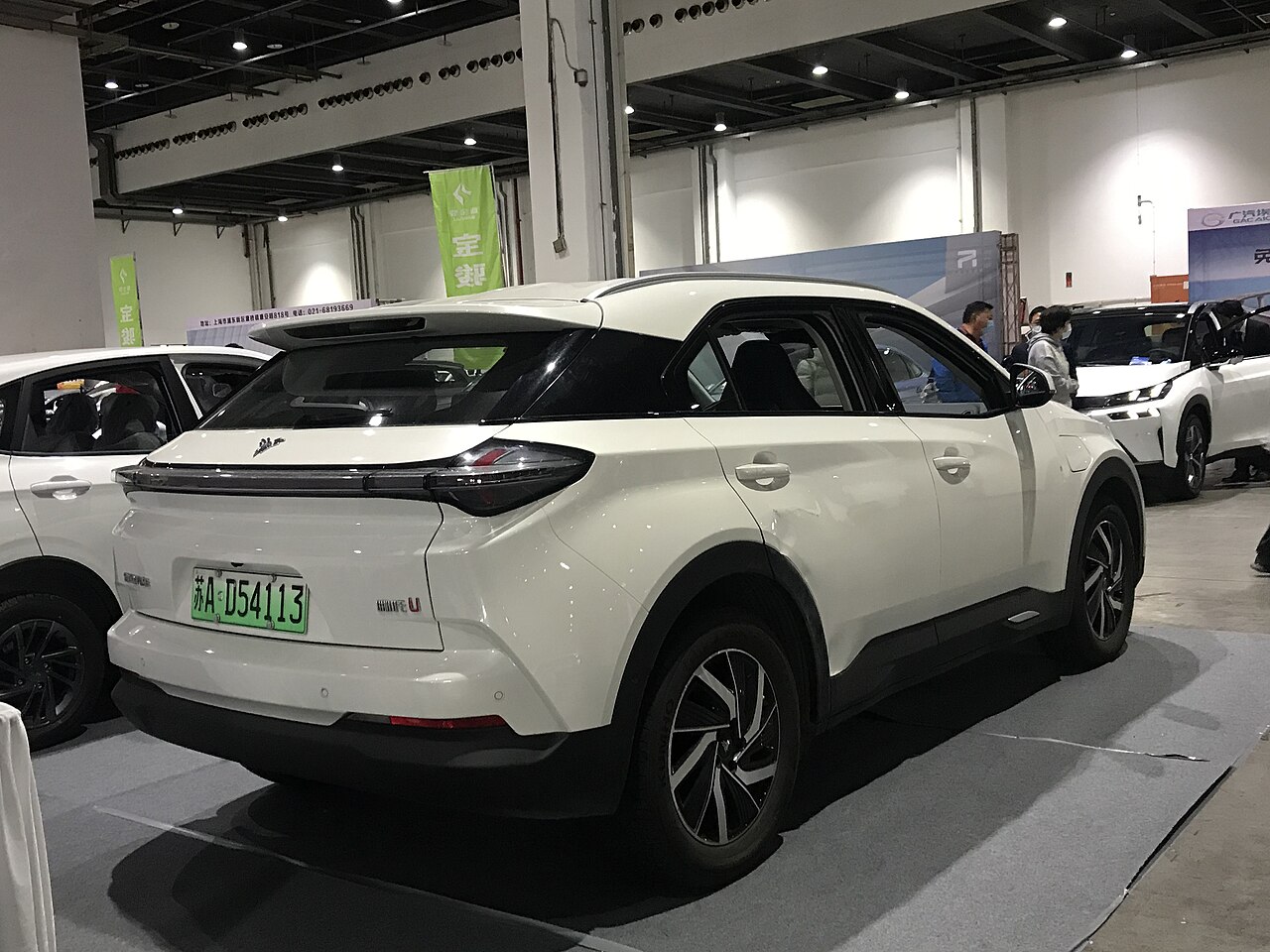
The stakes are enormous. Chinese automakers have rapidly expanded across Europe, Mexico and South America, offering lower priced EVs packed with advanced batteries and infotainment systems. Companies such as BYD Co. have become dominant forces in global EV sales, leveraging heavy state support, tight cost controls, and a willingness to accept thin margins.
If Detroit’s automakers assumed tariffs and trade barriers would buy them time to close the technology gap, Trump’s public comments in January suggesting he might allow Chinese automakers to build in the US unsettled that assumption.
General Motors Co. has reportedly told the administration it opposes Chinese entry into the US market. Executives argue that domestic manufacturers would lose market share and that increased parts flows from China could destabilize North American suppliers.
The position aligns with broader concerns inside the administration about economic leverage and data security.
Farley himself already described China’s auto industry as an existential threat. After multiple trips to China, he has openly praised the cost efficiency and technological sophistication of Chinese EVs. He even warned that losing the global competition with China would jeopardize Ford’s long-term future.
A Pragmatic Approach
At the same time, Ford has demonstrated pragmatism. The company has held battery supply talks with BYD and expanded licensing arrangements with Contemporary Amperex Technology Co., better known as CATL. It has also explored partnerships in Europe with Chinese automakers, while developing its own lower cost EV platform targeted for 2027.
The emerging debate presents a defining question for the US auto industry. Should America seek to wall off Chinese competitors entirely, or attempt to manage their entry through structured partnerships that preserve domestic control?