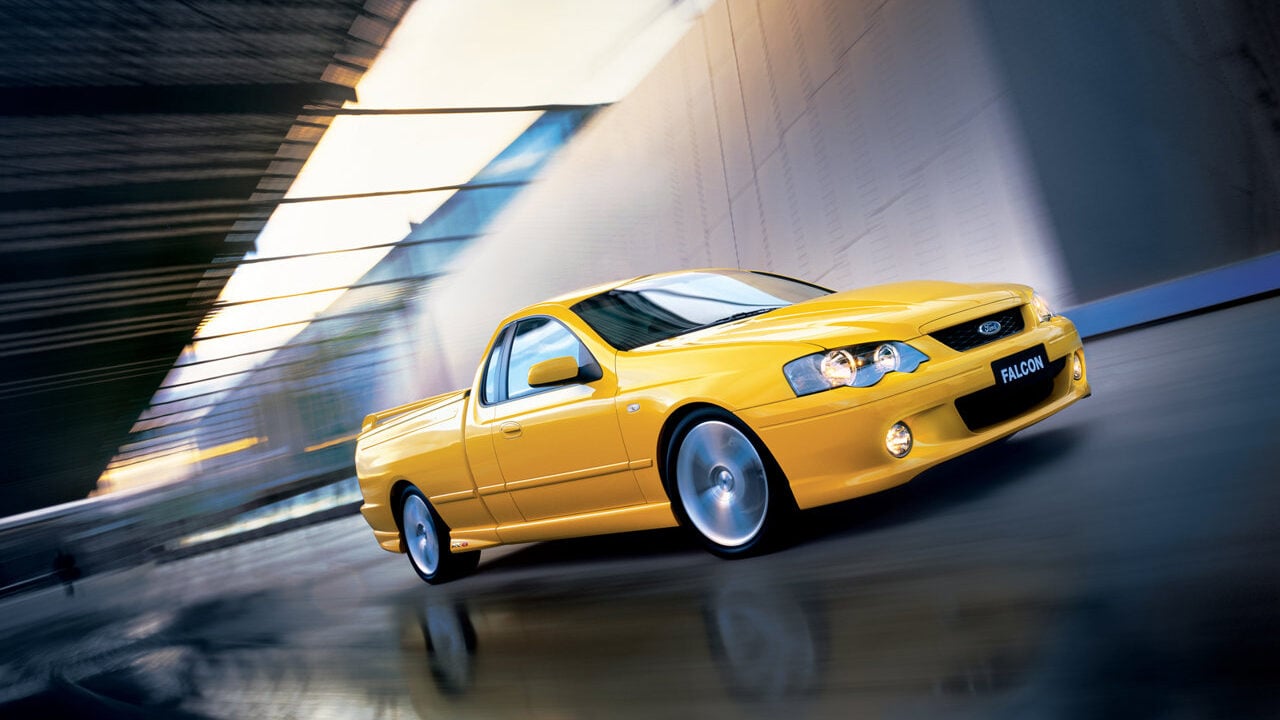

Ford CEO Jim Farley just stirred the pot again with his thoughts (or plans) about the future of the classic utility vehicle that found fame and belonging in Australia. Farley suggested the world could soon see a revival of the iconic “ute,” a vehicle style that originated in Australia and became deeply embedded in the country’s automotive culture.
Speaking recently about auto innovation and regional market opportunities, the Ford Motor Company chief emphasized the historical role Australia played in creating the ute and hinted that the concept could make a modern comeback.
The idea fits nicely into Ford’s growing focus on specialized automobiles tailored to specific markets, particularly markets where trucks and pickups continue to dominate consumer demand.
A Brief History of the Australian Ute
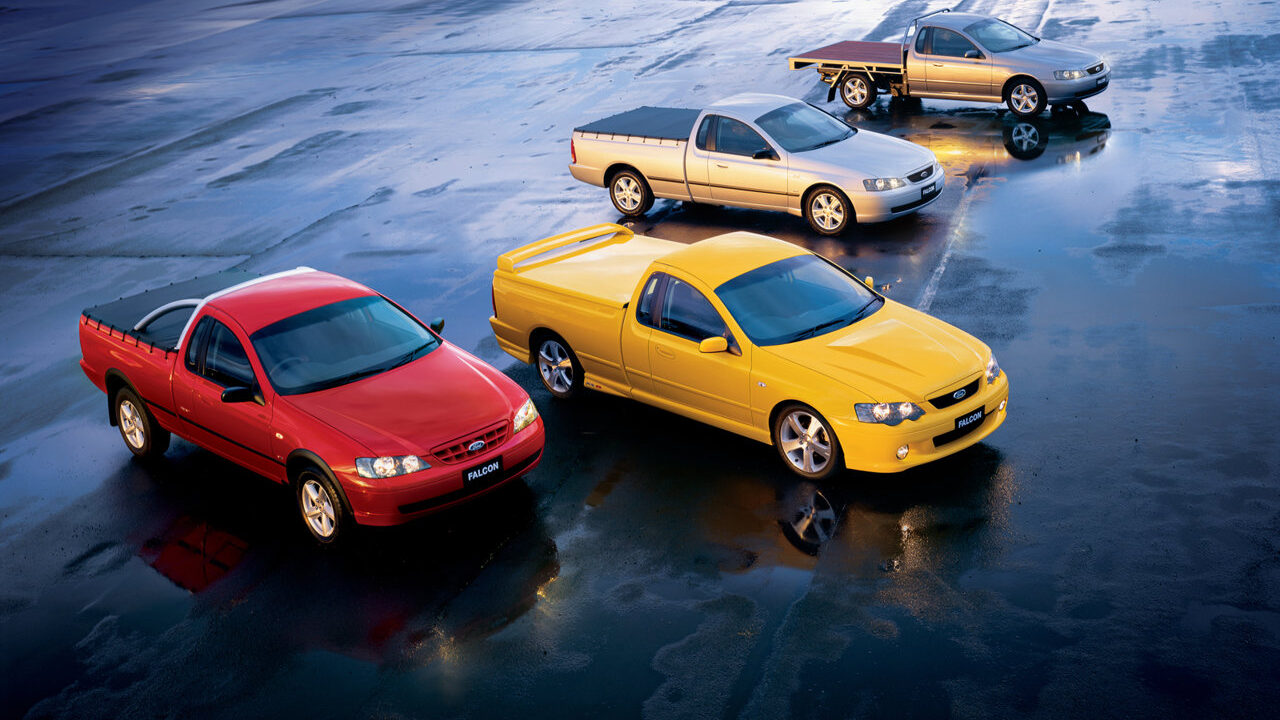
The term “ute,” short for utility vehicle, traces its roots back to the 1930s. In 1934, Ford engineers in Australia developed a unique solution after receiving a request from a farmer’s wife who wanted a vehicle that could be used to take her to church on Sunday and carry pigs to market on Monday.
The result was the coupe utility, built on the platform of the Ford Model 40. This design combined the comfort and driving dynamics of a passenger car with the practicality of a pickup bed.
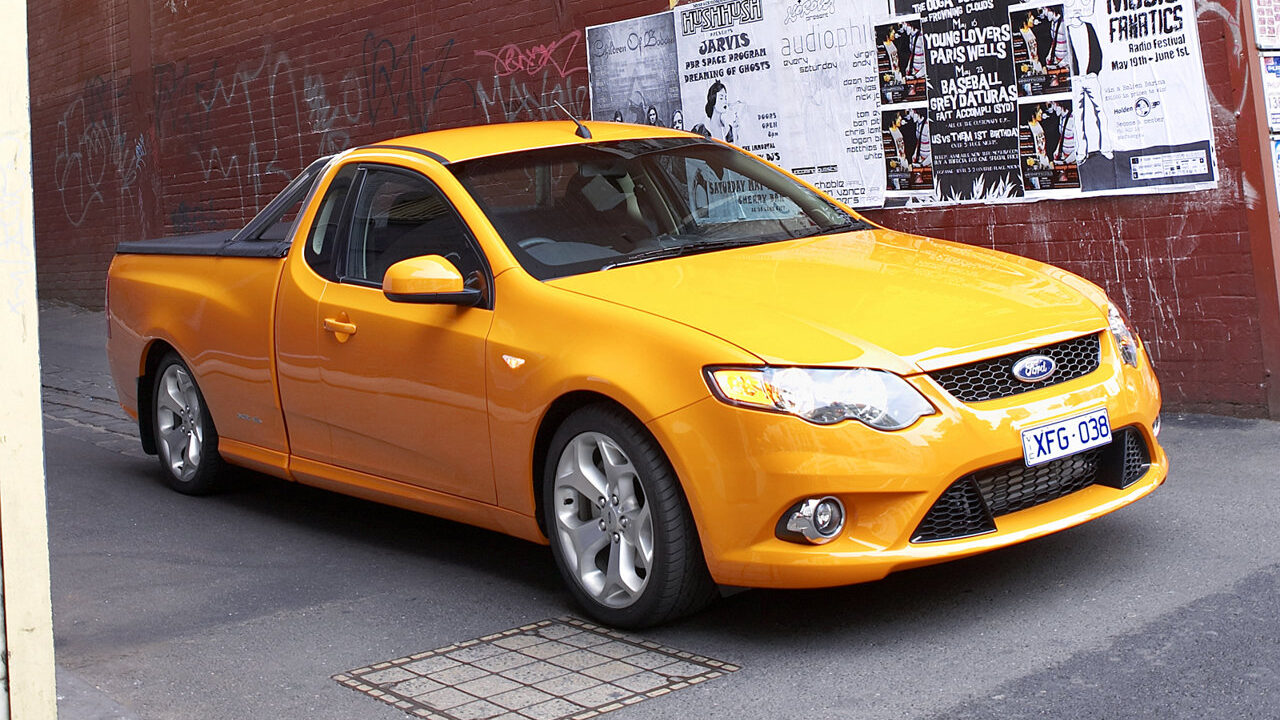
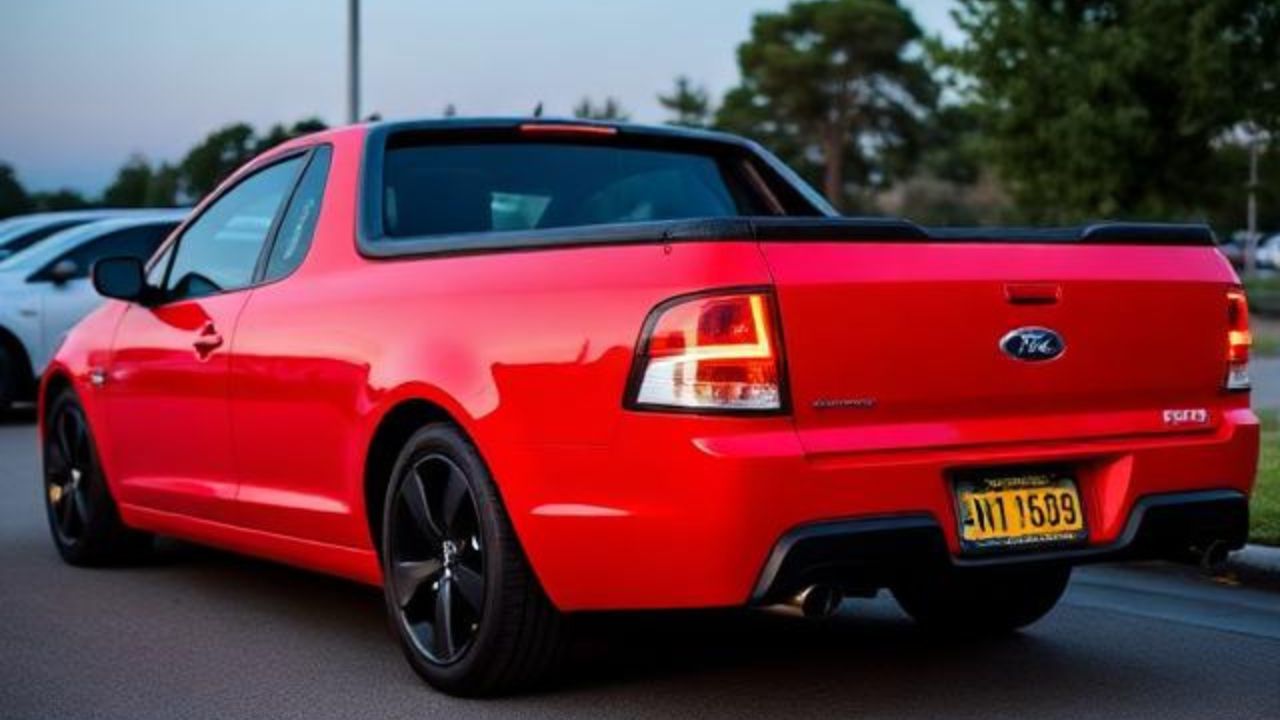
Over the decades, the ute continued to evolve and became a defining part of Australian motoring culture. High performance variants such as the Ford Falcon Ute earned a devoted following, particularly when equipped with powerful V8 engines and rear wheel drive layouts.
These car-trucks blended muscle car performance with workhorse practicality and were celebrated across Australia until local manufacturing ended in the mid-2010s.
Now, Farley believes there may be an opportunity to reinterpret the concept for modern buyers. Rather than recreating the traditional V8 powered performance ute of the past, a new Ford utility vehicle would likely take a more contemporary approach.
Advances in vehicle architecture and tightening emissions regulations have pushed automakers toward lighter, more efficient platforms.
What a Modern Ute Could Look Like
One possibility is a unibody based design similar in philosophy to the Ford Maverick. The Maverick has proven successful in North America by combining the practicality of a pickup with the comfort and fuel efficiency of a crossover platform.
However, Farley has suggested that any new ute should not simply be a rebadged version of an existing truck. Instead, it would need to be engineered with the specific demands of Australian drivers in mind.
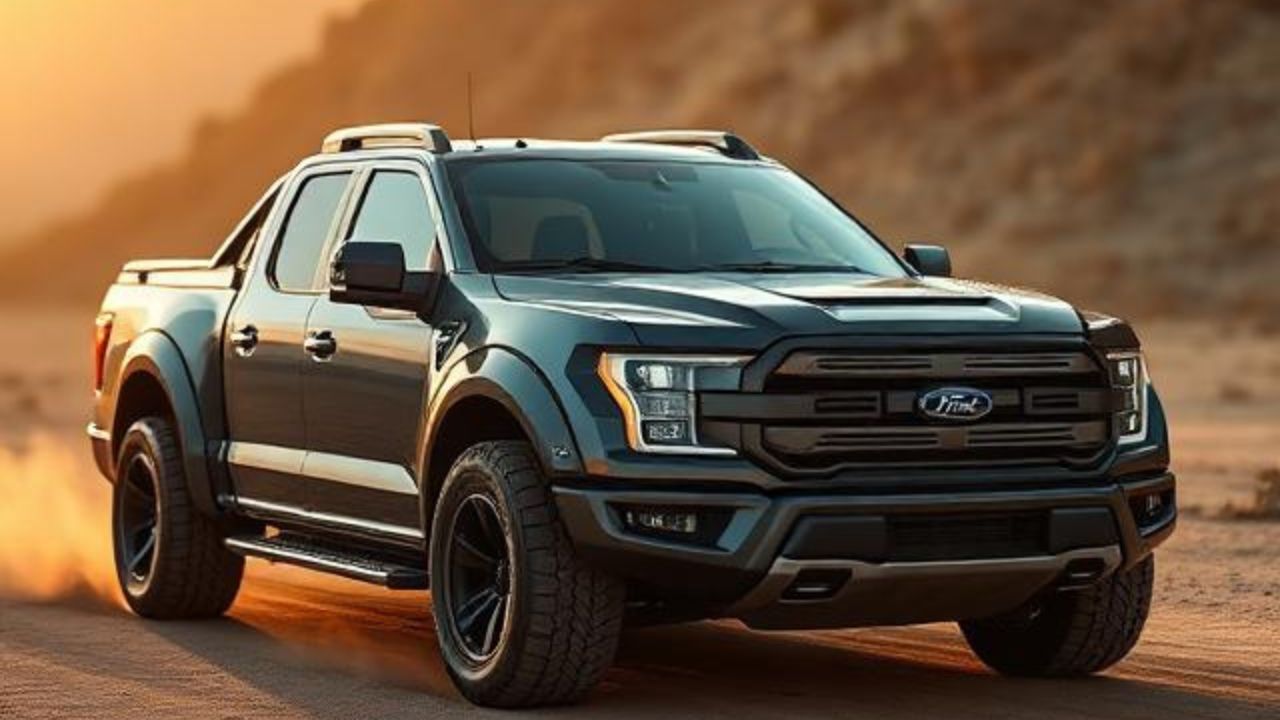
Australia’s auto market is heavily influenced by harsh driving conditions and long distances between cities. Consequently, durability, payload capability, and towing performance are essential qualities. A modern ute would therefore need to champion these qualities, striking a careful balance between passenger car comfort and work ready capability.
Powertrain choices would also reflect current industry trends. Strict emissions regulations make the return of large naturally aspirated V8 engines unlikely. Instead, a new ute would likely rely on smaller turbocharged engines, hybrid technology, or other efficiency focused powertrains designed to reduce fuel consumption and meet tightening environmental standards.
Although the concept is closely tied to Australia, the potential appeal of a modern car-based pickup could extend beyond a single market.
Compact, and even basic, truck concepts have experienced a surge in popularity in recent years. It would seem that many buyers are attracted to versatile models that offer the basics without the size and fuel consumption of full-size pickups.
While several such concepts are on the verge of hitting the market, models like the Maverick demonstrate how demand for smaller trucks can expand quickly when the right balance of price, efficiency, and capability is achieved.
Heritage Meets Innovation
For Ford, reviving the ute would also reconnect the brand with an important chapter of its heritage. The company played a central role in shaping Australia’s automotive identity during decades of local production.
Bringing back a modern interpretation of the ute could resonate with enthusiasts while also introducing a new generation of drivers to a uniquely Australian automotive tradition.
Will the idea evolve into a production model? Only time will tell. What is clear is that interest in the ute concept is once again gaining momentum, and Ford appears eager to explore how this historic vehicle format could be reimagined for the demands of the modern automotive landscape.
Sources: Car Expert