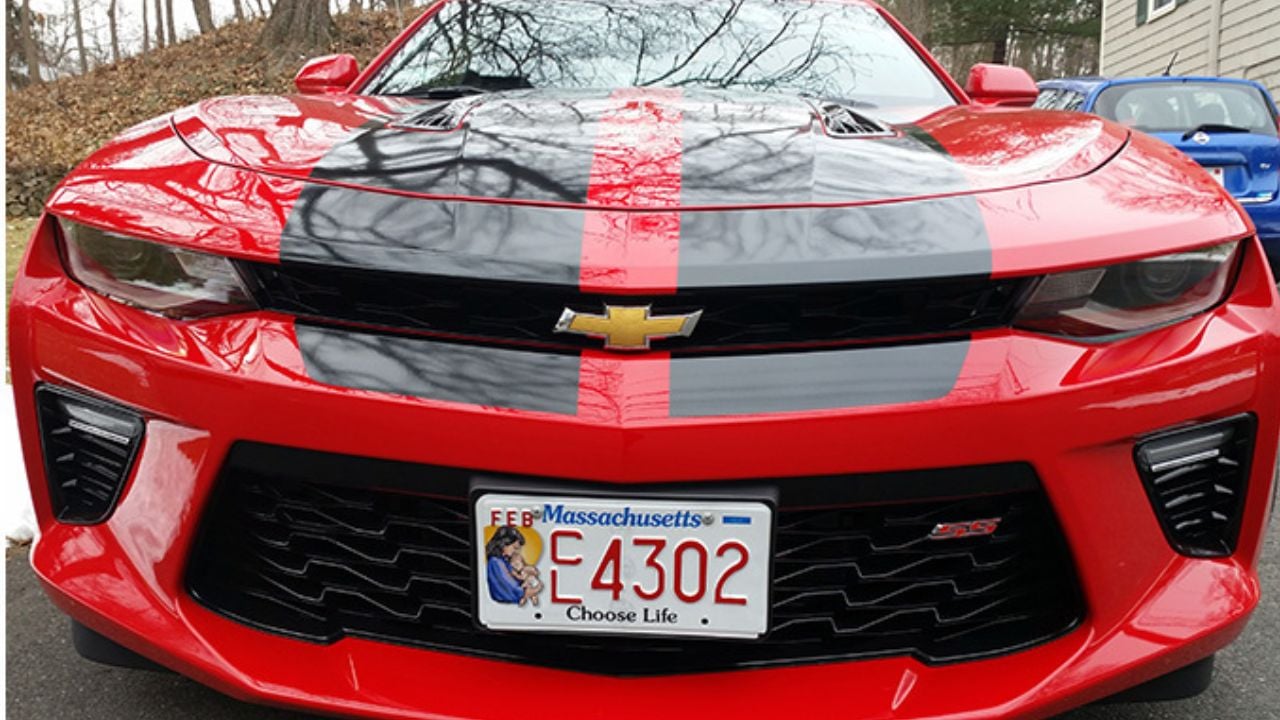

Across the United States, specialty license plates have long served as miniature billboards for personal causes, charities, universities, and civic campaigns. Drivers purchase them believing the extra fees support wildlife protection, veterans programs, adoption initiatives, or other community efforts.
But a new investigation by Uncloseted Media argues that in several states, these seemingly harmless DMV purchases may also be channeling public money into organizations linked to anti-LGBTQ advocacy.
Specialty license plates are a fascinating microcosm of how everyday choices intersect with broader cultural debates. On the surface, they seem innocuous — an extra splash of personality on a car, a small donation toward a cause. Yet, as this investigation suggests, the money trail can lead to organizations whose missions are deeply contested.
That tension is what makes the subject so divisive: one driver may see their purchase as supporting veterans or wildlife, while another may discover it indirectly funds advocacy they oppose. This article does not aim to champion one side or vilify another.
Instead, it seeks to illuminate the complexity of a system where civic fundraising, personal expression, and political ideology collide. By examining where the dollars go, readers are invited to think critically about transparency, accountability, and the unintended consequences of seemingly routine transactions, all without presuming a single “right” interpretation.
How Specialty Plates Generate Money
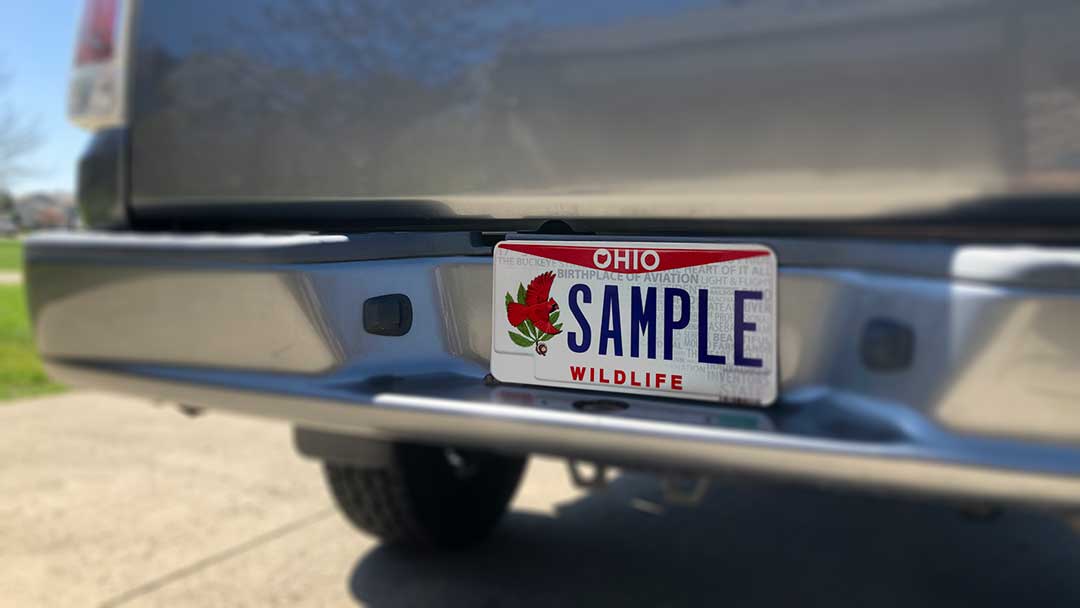
Specialty plate programs operate through state motor vehicle agencies, which authorize customized plate designs tied to approved organizations or causes. Drivers pay additional registration fees for these plates, and a portion of the revenue is distributed to affiliated nonprofit groups or advocacy organizations.
According to the investigation, many drivers are unaware that the money collected through these plates does not simply cover administrative costs or artistic branding. Instead, the funds can become recurring revenue streams for groups involved in politically charged social campaigns, including opposition to LGBTQ rights and reproductive rights.
The report highlights programs in states including Florida, Arizona, Mississippi, and Montana. In several cases, organizations that benefit from plate sales have publicly supported policies or activism that LGBTQ advocates have criticized as discriminatory.
Researchers behind the investigation argue that disclosure surrounding these funding arrangements is often limited. A driver may select a plate because it appears patriotic, faith-based, or family-oriented without fully understanding the ideological activities connected to the sponsoring organization.
Florida’s “Choose Life” Program Draws Scrutiny
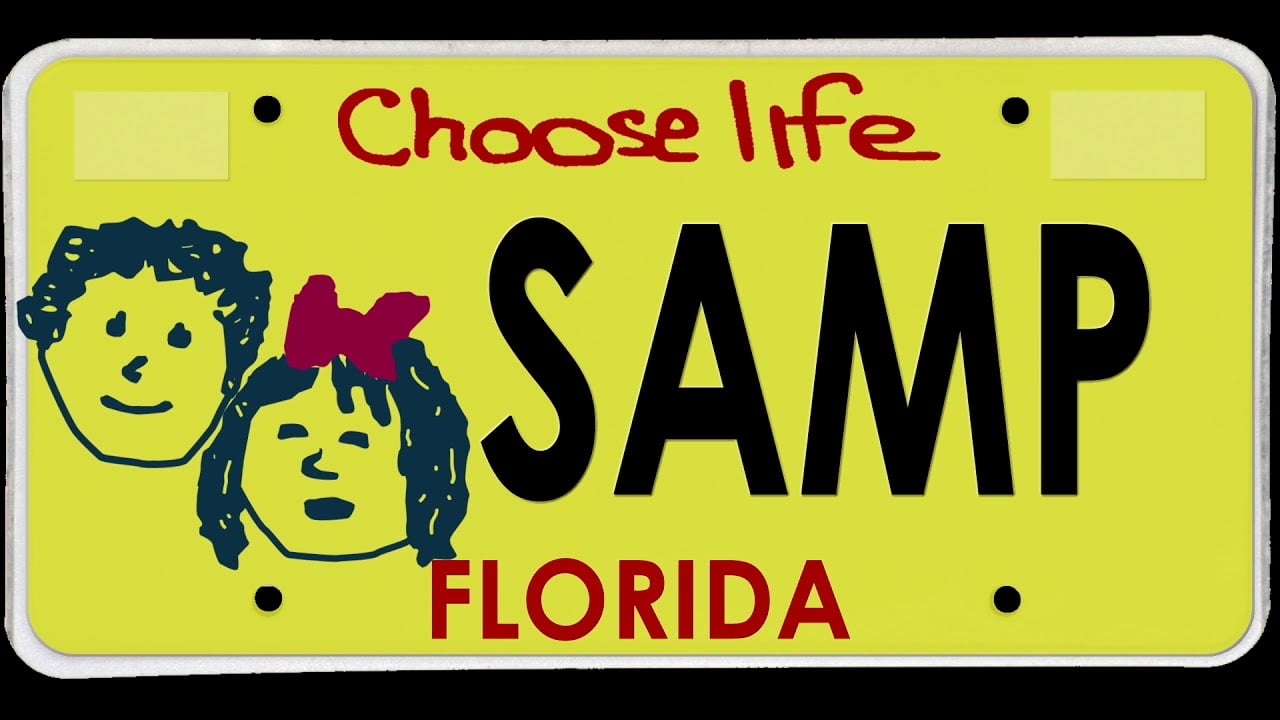
Florida emerged as one of the clearest examples examined in the report. The state’s “Choose Life” specialty plate has generated substantial revenue over the years, with more than $1.8 million reportedly distributed to crisis pregnancy centers and affiliated groups.
Critics say some of these organizations are linked to broader political networks that oppose LGBTQ protections, same-sex marriage, and gender-affirming healthcare policies. Supporters of the plate, meanwhile, maintain that the program exists primarily to support alternatives to abortion and pregnancy counseling services.
The investigation notes that specialty plates occupy a unique legal and political space because they are administered through government agencies while simultaneously benefiting private advocacy organizations. That overlap raises questions about transparency and public accountability.
Legal experts interviewed for the report suggest many residents likely do not realize state-issued plates can function as indirect fundraising tools for ideological causes. Unlike political donations, which often require deliberate intent, specialty plate purchases may be made with little investigation into where the money ultimately flows.
Broader Concerns Over Transparency
The findings arrive during a period of intense national debate surrounding LGBTQ rights, especially in education, healthcare, and public policy. Advocacy groups on both sides increasingly rely on decentralized fundraising models, and specialty plate programs may provide an overlooked source of financial support.
Transparency advocates argue states should make funding arrangements far more visible during the purchasing process. Some believe DMV websites and registration forms should clearly identify which organizations receive proceeds and describe their advocacy positions. Others warn that greater scrutiny could expose inconsistencies in how states approve specialty plates.
In some jurisdictions, plates connected to progressive causes have faced tougher approval standards or political resistance, while conservative or religiously aligned programs advanced more easily. The investigation also raises concerns about how government institutions can unintentionally lend legitimacy to ideological campaigns through official state branding.
Why the Debate May Intensify
As specialty plates grow in popularity, the financial stakes continue to rise. States increasingly market these programs as creative revenue generators while organizations view them as stable long-term fundraising channels.
For LGBTQ advocacy groups, the issue is not merely about license plate designs. It reflects a broader concern about hidden financial ecosystems that can influence political and cultural battles outside public view.
Meanwhile, supporters of the targeted organizations argue that specialty plates represent free expression and voluntary participation. They contend drivers have every right to support causes aligned with their personal beliefs.
Still, the investigation suggests many Americans may be participating in ideological funding networks without realizing it. That possibility is likely to fuel renewed debate over disclosure standards, state oversight, and whether public agencies should play any role in facilitating advocacy fundraising through everyday vehicle registrations.