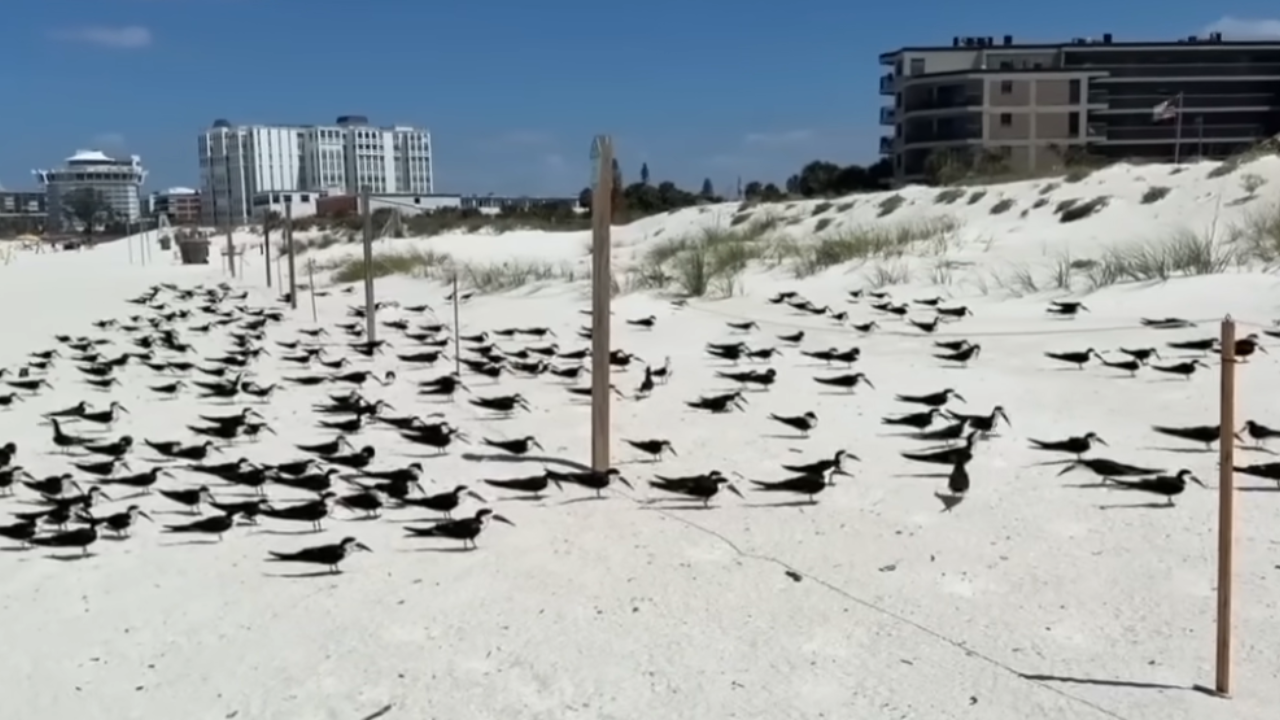
Two business owners on St. Pete Beach are facing charges after wildlife officers say they tried to make an entire flock of protected shorebirds pack up and leave — not with noise, not with nets, but with roughly 1,500 mothballs scattered across the sand.
The Florida Fish and Wildlife Conservation Commission says the mothballs showed up near a beachfront hotel property and the bar next door back in April, right around the time shorebirds were settling in for nesting season. According to Tampa Bay 28, the timing and placement made it pretty clear this wasn’t an accident.
Two men have since been arrested: 47-year-old Robert Monroe, who owns the beachfront plaza property, and his 52-year-old neighbor, who owns Chris’s Beachside Bar next door. Both are facing charges of commercial littering and attempted take of a state-listed species by harassment.
It’s a strange one, honestly. Most beach disputes involve parking spots or who gets the good chairs. This one apparently involved birds standing between two business owners and their view of a fence-free beach.
What FWC Says Happened
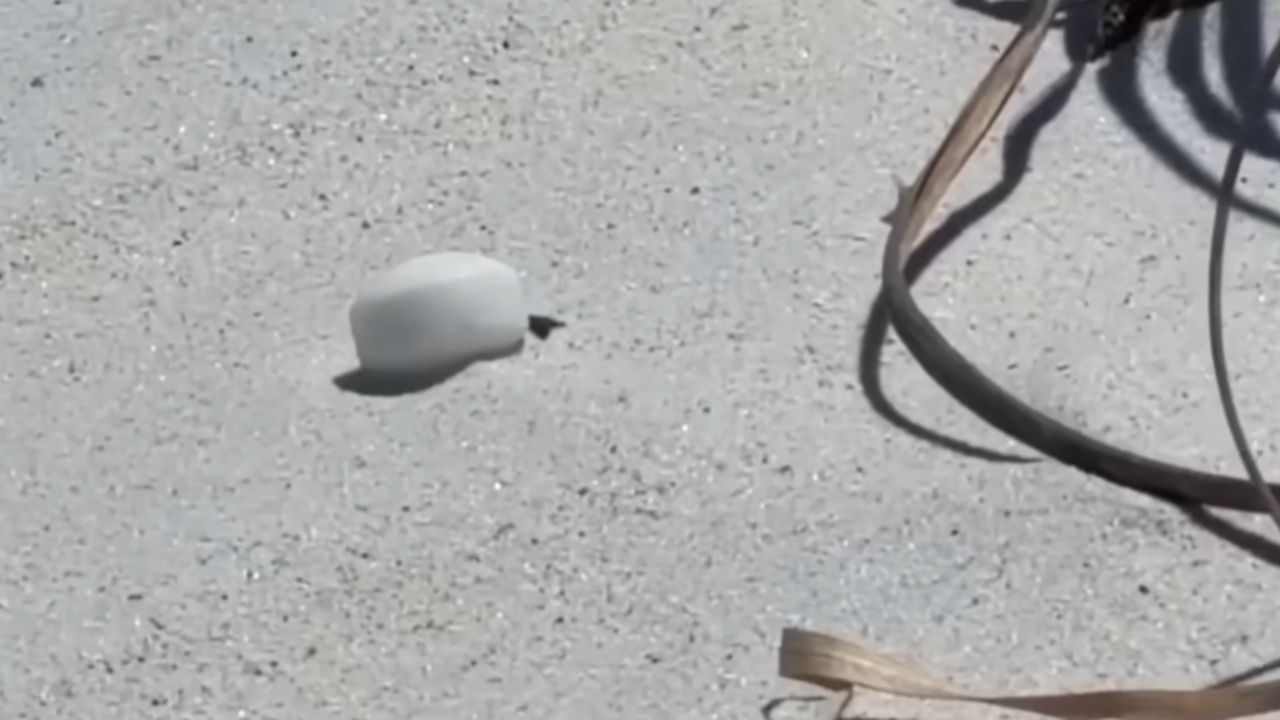
Investigators say the mothballs weren’t just tossed around carelessly — they were placed with what FWC described as clear intent to deter the nesting colony. Mothballs contain naphthalene, which is toxic and, notably, illegal to use this way. FWC didn’t mince words on this one, calling it about as bad a deterrent method as you could pick.
The birds had reportedly settled into a roped-off nesting area, the kind of setup beach communities put up every spring to keep foot traffic away from eggs and chicks. That fencing, FWC suggests, may have been exactly what the suspects wanted gone — and shorebirds tend to abandon a nest site fast if they sense a threat nearby.
A Text Message That Didn’t Help
Part of what led investigators to the suspects was a text message pulled during the case, where one of the men reportedly asked the other something along the lines of whether he’d mentioned they’d lost access to part of the beach.
Not exactly a smoking gun on its own, but paired with the mothball timeline, it painted a picture FWC felt was worth pursuing.
The Birds Are Fine, For What It’s Worth
Here’s the mildly funny twist: FWC says none of the birds were actually harmed. The colony stuck around. Turns out shorebirds are tougher than a jar of mothballs gives them credit for. If the goal really was to clear the beach, nature apparently didn’t get the memo.
Whatever comes of the charges, it’s a reminder that Florida beaches come with wildlife attached, whether business owners planned around that or not.