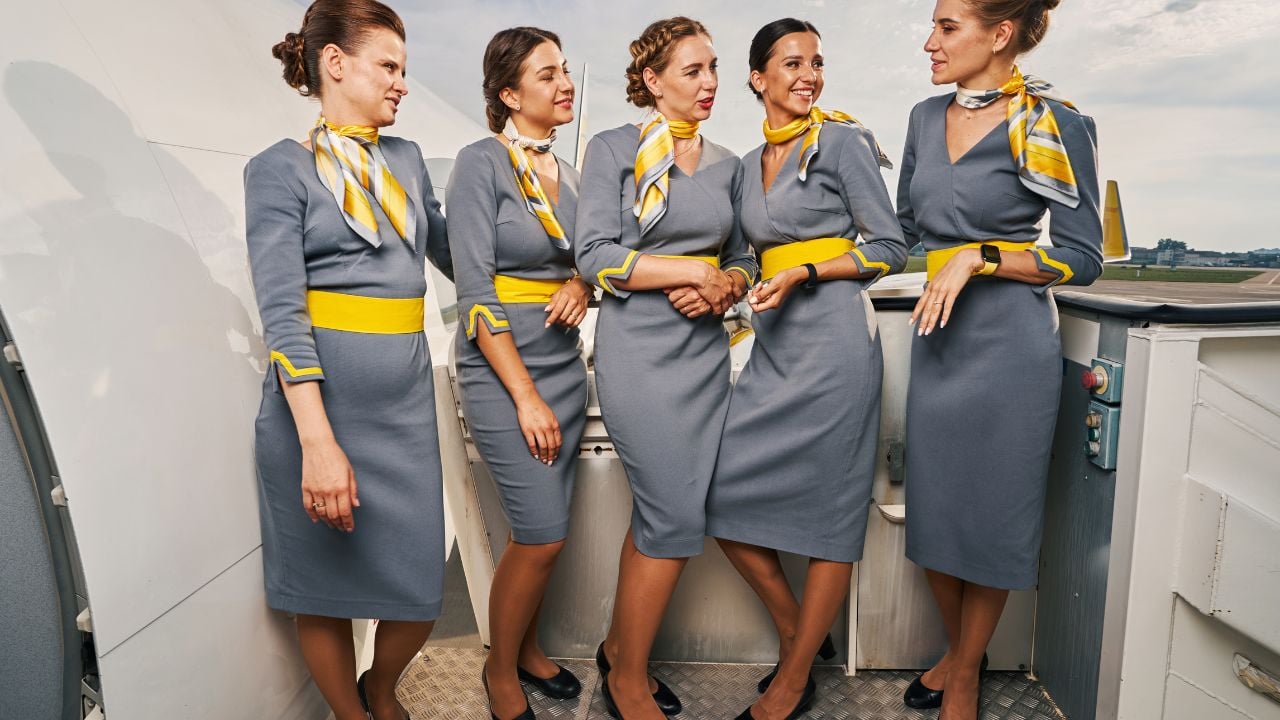
Flying may feel routine, but flight attendants see behaviors every day that can make the experience stressful, unsafe, or unnecessarily uncomfortable. While some mistakes come from inexperience, others stem from habits travelers don’t even realize are problematic.
Flight attendants say that understanding a few simple rules of airplane etiquette can make a major difference for everyone onboard. These insider insights help create a smoother, safer, and far more pleasant journey for all passengers.
Air travel works best when everyone plays their part, from respecting crew instructions to considering fellow travelers’ comfort and personal space. Many of the behaviors flight attendants warn against are linked to safety concerns that passengers might underestimate. Others fall under basic courtesy, which becomes even more important in a confined space thousands of feet above the ground. By avoiding these common missteps, passengers can help ensure a calm and enjoyable experience from takeoff to landing.
Never Ignore Safety Instructions
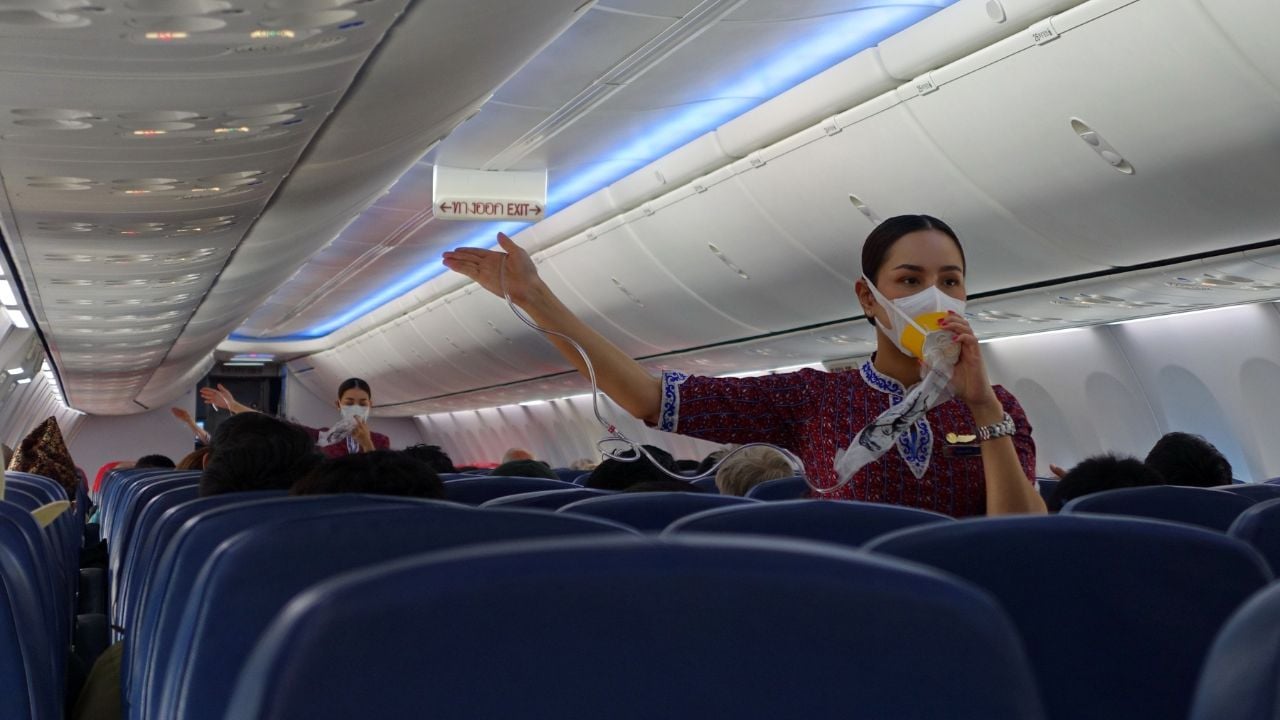
Flight attendants emphasize that ignoring safety demonstrations or briefing cards can lead to dangerous confusion during emergencies. Even frequent travelers sometimes assume they already know the procedures, forgetting that aircraft layouts and evacuation details vary. Paying attention for just a minute ensures you’re prepared should an unexpected situation arise. Safety demonstrations exist for a reason, and understanding them can literally save lives.
Crew members also stress that listening carefully helps them maintain order if something goes wrong. In a crisis, panic spreads quickly when passengers are unsure of what to do. Being informed protects not only yourself but also those seated around you. Respecting safety instructions shows cooperation and awareness, which flight attendants deeply appreciate.
Never Take Off Shoes and Walk Barefoot
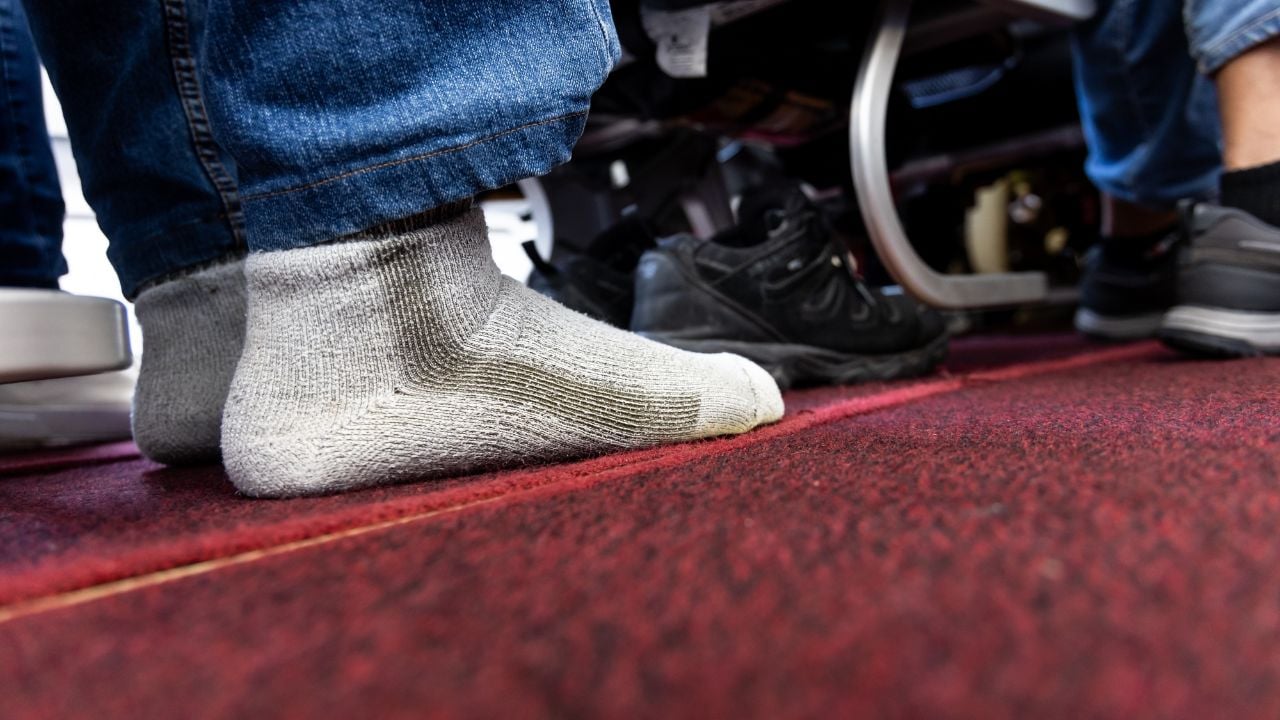
Flight attendants say walking barefoot on a plane is both unhygienic and unsafe. Floors can contain spilled food, bodily fluids, and debris that passengers don’t see. Sharp objects occasionally fall from bags or service carts, increasing the risk of injury. For these reasons, staying in socks or lightweight shoes is significantly safer.
Bathrooms are especially problematic, as the liquid on the floor is rarely just water. Crew members clean often, but with continuous traffic, they can’t guarantee perfect conditions. Wearing shoes shows respect for yourself and fellow passengers by maintaining basic hygiene. It’s also one of the easiest ways to avoid unnecessary discomfort during the flight.
Never Block the Aisle During Boarding
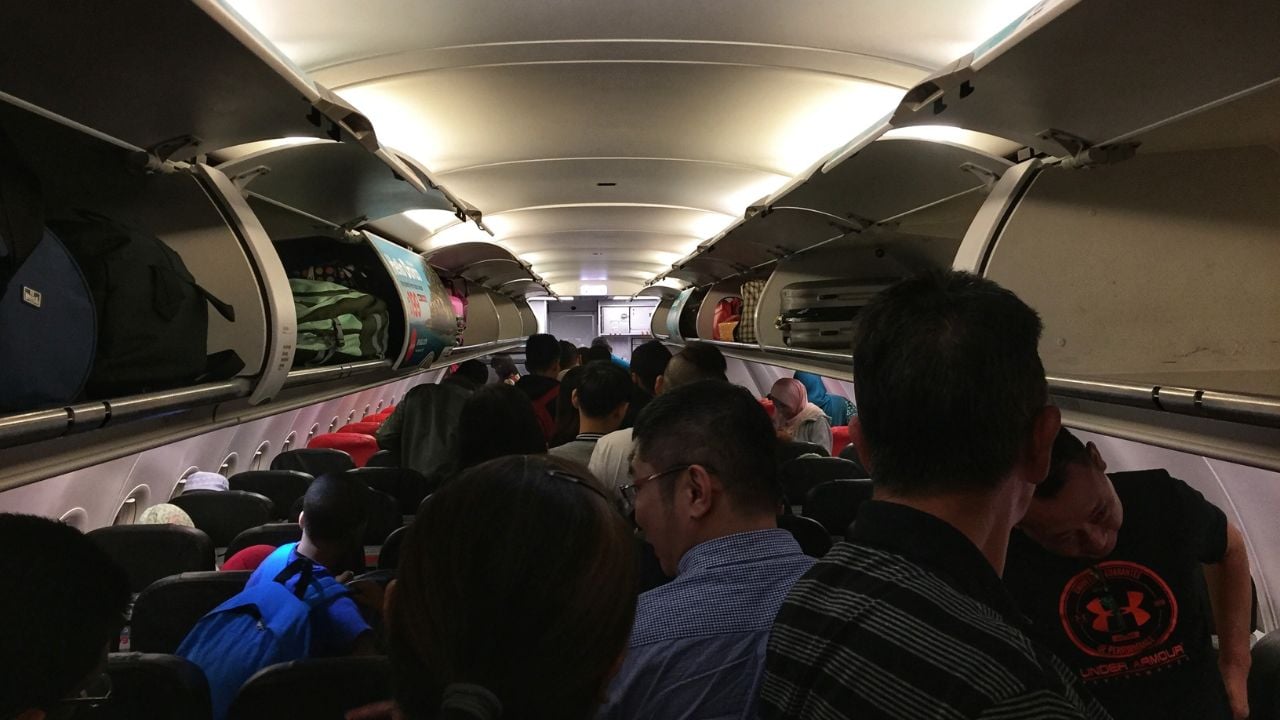
Flight attendants frequently see passengers stopping in the aisle to organize bags or check their seats, creating bottlenecks. This slows down the boarding process for everyone and increases tension between passengers. Crew members recommend stepping into your row quickly and organizing carry-ons once seated. A smooth boarding experience depends on everyone keeping the line moving.
When aisles become blocked, flight attendants are unable to assist passengers who need help or manage the flow of traffic effectively. Delays on the ground can lead to missed connections, scheduling complications, and added frustration. Boarding efficiently shows awareness of how your actions affect others. It also ensures the flight departs on time, making the journey easier for all.
Never Touch a Flight Attendant to Get Attention
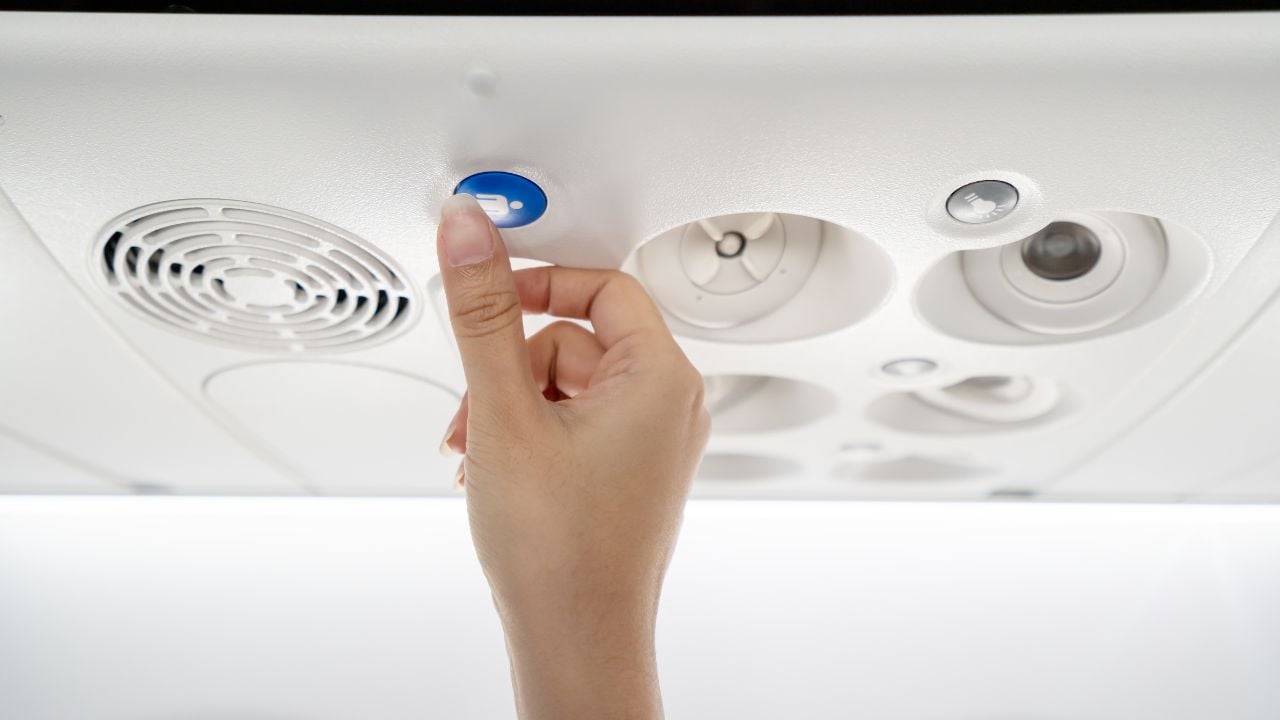
Touching a crew member’s arm or shoulder is considered disrespectful and intrusive. Flight attendants prefer you use the call button or wait until they are nearby to communicate. Physical contact can startle them, especially when they’re carrying heavy items or focusing on safety tasks. It’s important to remember that they’re working and deserve personal boundaries.
The call button exists specifically to help passengers get attention without compromising anyone’s comfort. Using it appropriately helps flight attendants manage requests efficiently. Respecting their space fosters a positive atmosphere onboard. A small gesture of courtesy can make interactions smoother and more pleasant for everyone.
Never Rush the Galley Area
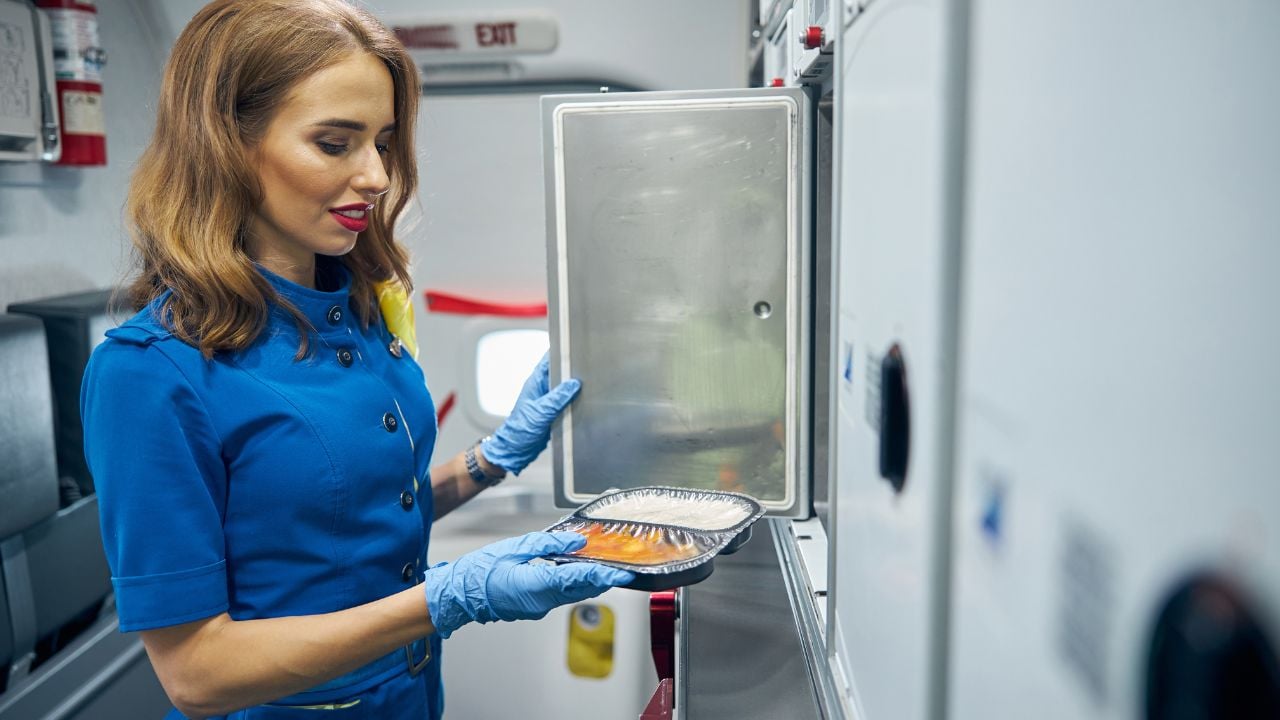
The galley is the flight attendants’ workspace, and entering it without permission is both disruptive and unsafe. Hot liquids, sharp tools, and heavy equipment are constantly moving in that area. Passengers who wander in can interfere with preparations and risk being injured. Giving crew members space allows them to do their job effectively.
Some travelers enter the galley to stretch or request items aggressively, which can slow down service. Flight attendants appreciate when passengers wait patiently in their seats or use the call button instead. Respecting the galley makes service smoother and prevents unnecessary accidents. Keeping clear of restricted areas creates a safer environment for everyone onboard.
Never Snap Fingers or Whistle for Service
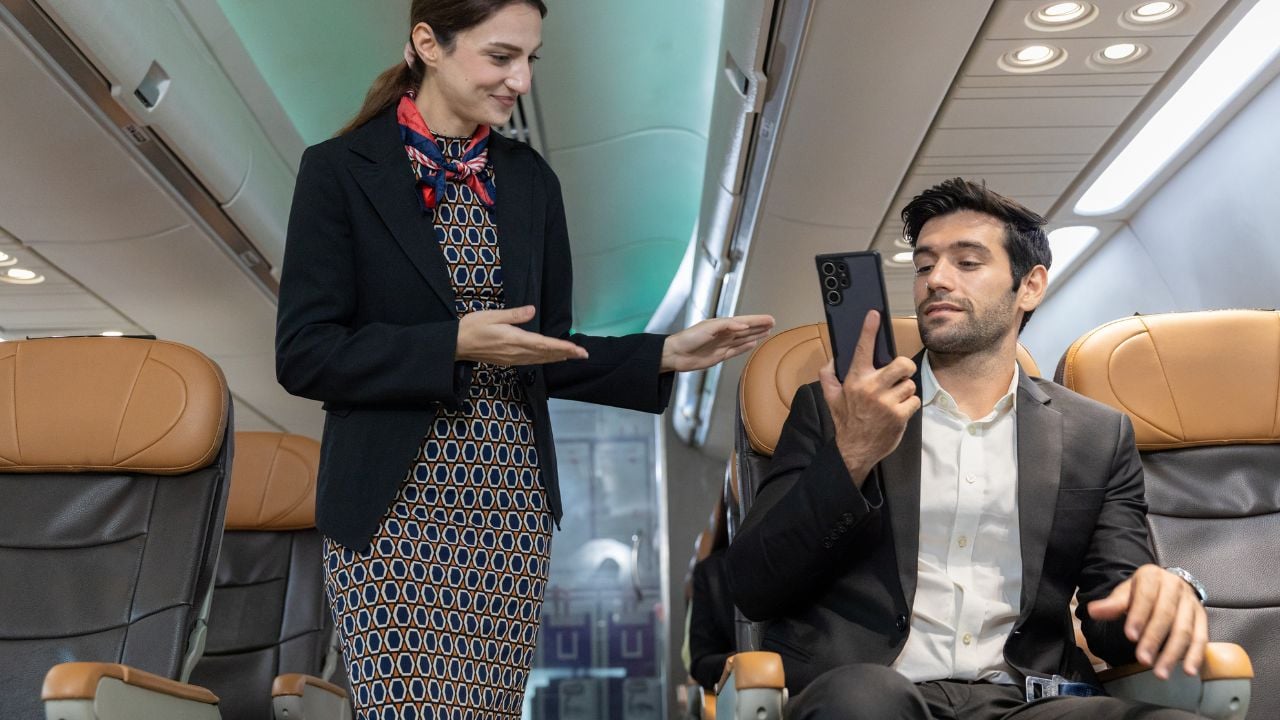
Flight attendants say snapping, whistling, or waving dramatically is disrespectful and unnecessary. They attend to hundreds of passengers and will reach you as soon as possible. Using the call button or speaking politely is the proper way to request help. Courtesy goes a long way in a stressful, crowded environment.
Disrespectful gestures can sour interactions and create tension that affects the entire cabin. Crew members work long hours and appreciate passengers who are patient and kind. Being polite improves service quality and mood for everyone involved. Courtesy is always noticed, and remembered, by flight attendants.
Never Recline Without Checking Behind You
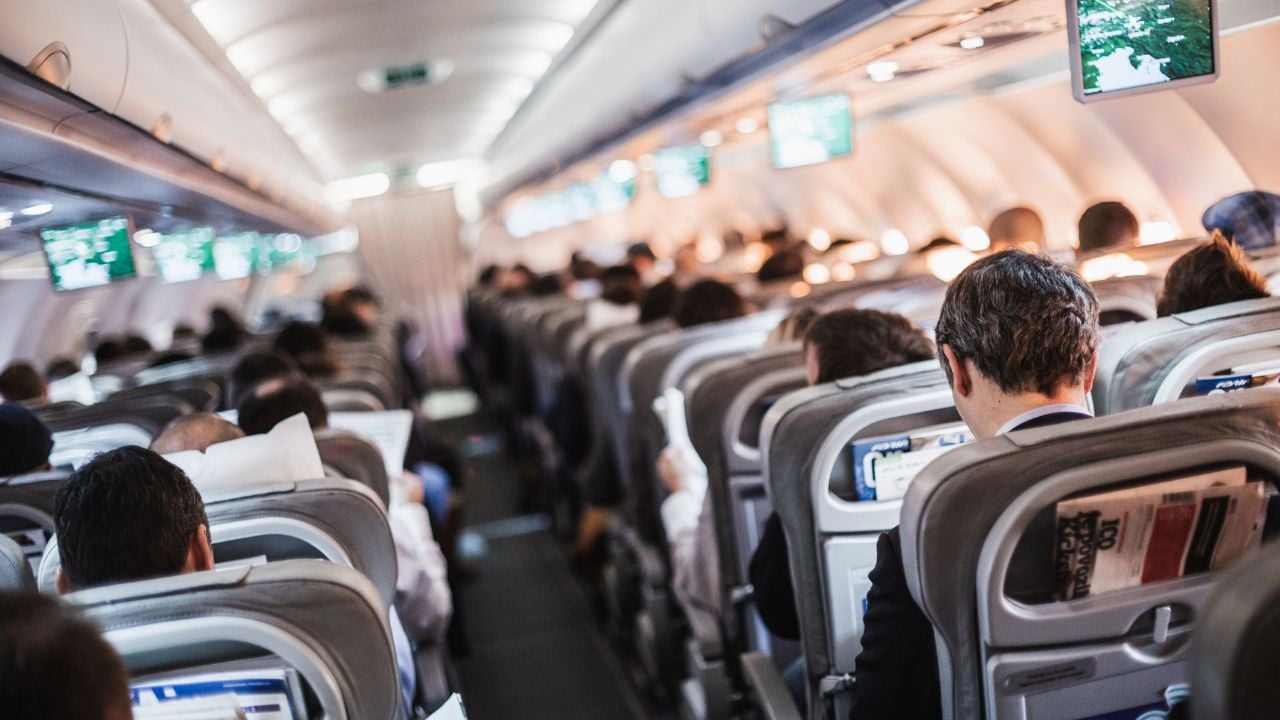
Reclining seats suddenly can spill drinks, hit knees, or startle passengers behind you. Flight attendants recommend checking first to avoid accidents or discomfort. A quick glance or polite comment helps maintain harmony in a crowded cabin. Reclining responsibly shows consideration for others’ personal space.
Because legroom is limited, unexpected reclining can trigger conflict between passengers. Flight attendants often get called to mediate these avoidable disputes. Being considerate keeps the cabin peaceful and comfortable for everyone. A small gesture of awareness can prevent big problems during the flight.
Never Hog Overhead Bin Space
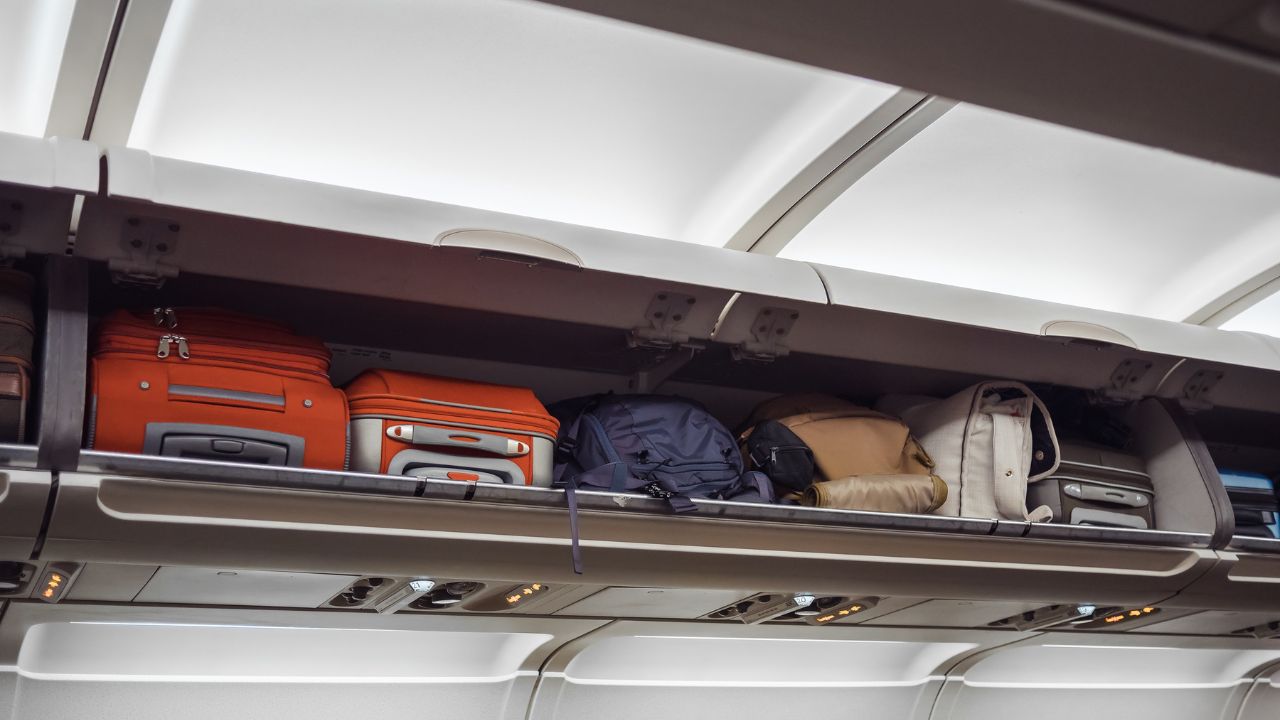
Taking more overhead room than allotted frustrates passengers and overwhelms crew members trying to balance storage. Flight attendants see travelers place coats, purses, and shopping bags in bins instead of under the seat, leaving little space for others. Storing items properly helps ensure everyone has room for essentials. Respecting shared space is crucial in a full cabin.
Overstuffed bins can lead to delays, safety risks, and conflicts among passengers. Crew members appreciate travelers who pack efficiently and follow guidelines. Keeping larger bags in the bin and smaller ones under the seat is always recommended. Sharing space fairly contributes to a smoother boarding and flying experience.
Never Stand Up When the Seatbelt Sign Is On
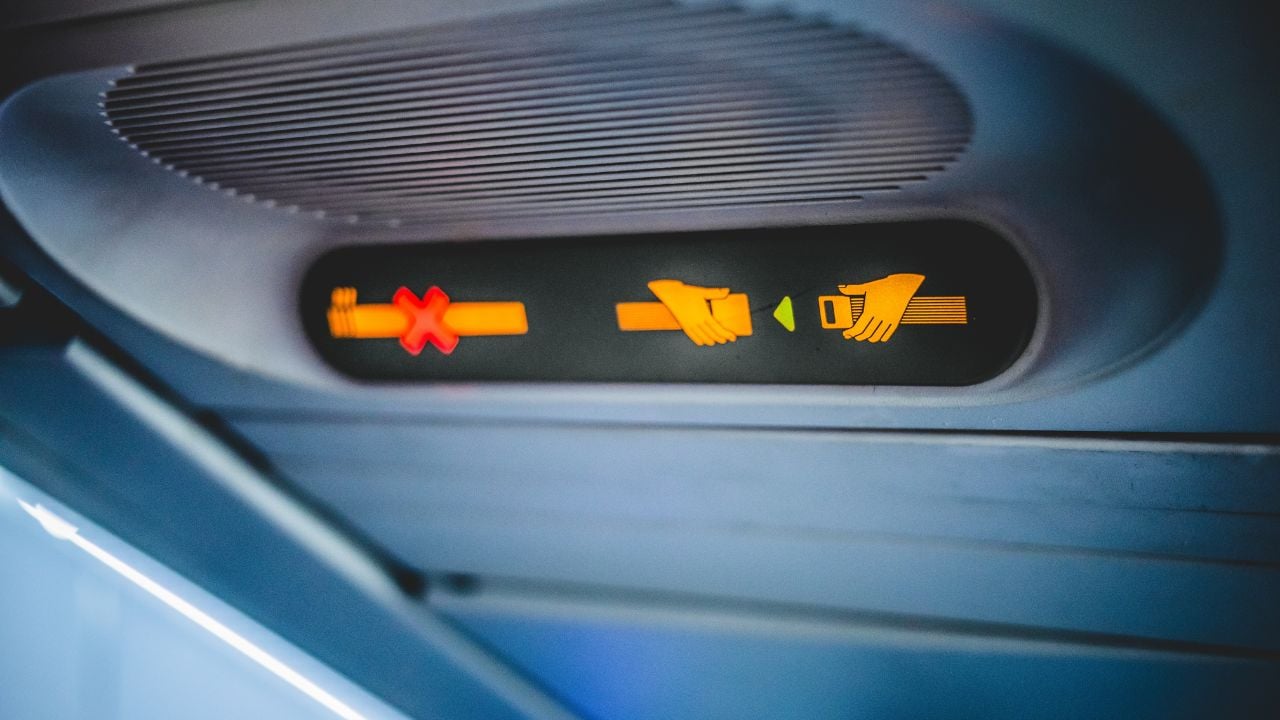
Ignoring the seatbelt sign can lead to serious injuries during turbulence. Flight attendants see many passengers underestimate how unpredictable air movement can be. Even a brief walk can result in falls or accidents when the plane shifts unexpectedly. Staying seated keeps you and others safe.
Crew members must enforce safety rules and are responsible for preventing unnecessary risks. Standing up forces them to intervene and sometimes halt other tasks. Listening to instructions speeds up service and protects passengers during bumpy conditions. Safety always takes priority over convenience.
Never Hand Trash During Service Unless Requested
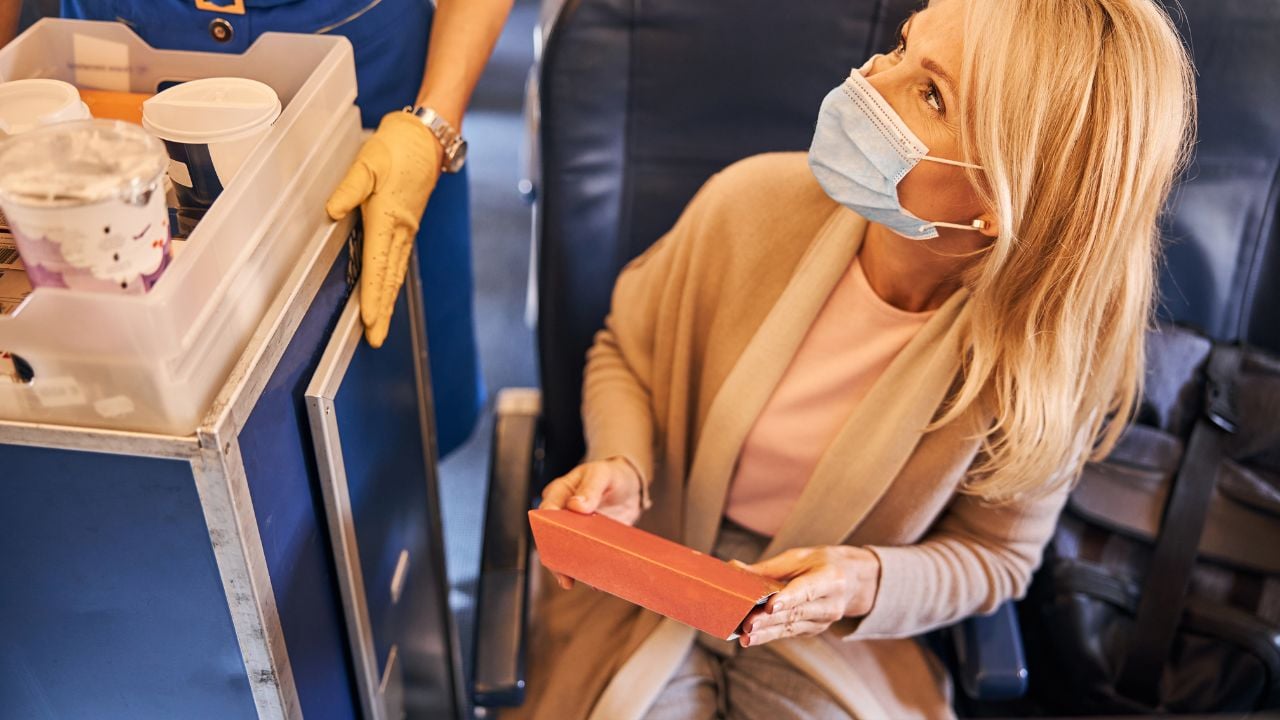
Passing trash directly to flight attendants during service disrupts their workflow. They often handle hot beverages, meals, and carts, making unexpected items unsafe to grab. Crew members ask that passengers wait for designated trash collection times. Patience helps maintain a safer and more organized environment.
Throwing trash onto carts or trays without permission can also cause spills or contamination. Flight attendants appreciate when travelers follow directions and keep aisles clear. Waiting for instructions ensures smoother service and avoids accidents. Respecting the process improves the experience for everyone onboard.
Never Crowd the Gate Before Your Group Is Called
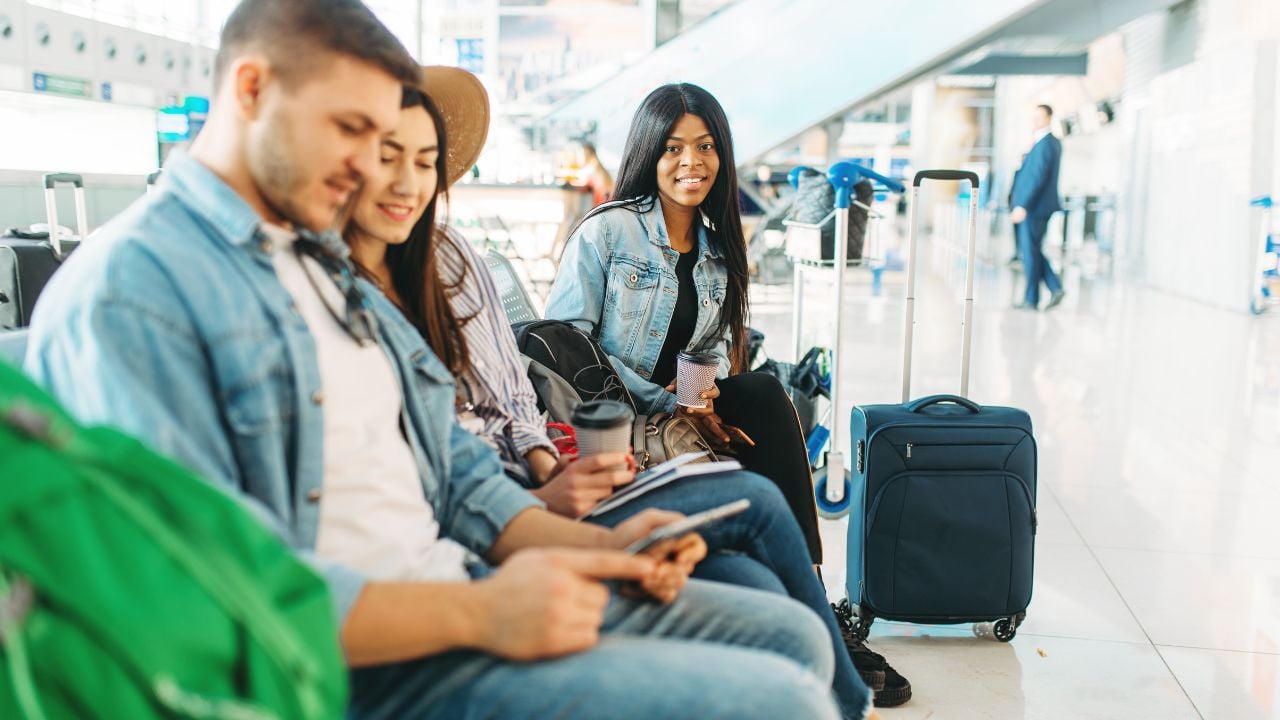
Rushing the gate creates chaos, delays boarding, and frustrates staff trying to manage the queue. Flight attendants note that many passengers ignore boarding groups, causing unnecessary congestion. Staying seated until your group is called makes the process far more efficient. Organized boarding helps everyone get settled faster.
Crowding also stresses travelers with mobility needs, families, or those boarding early for assistance. Respecting the system shows awareness of others’ needs and comfort. It also reduces tension between passengers and gate agents. Being patient at the gate always leads to smoother takeoff experiences.
Never Assume Crew Members Are There Only for Service
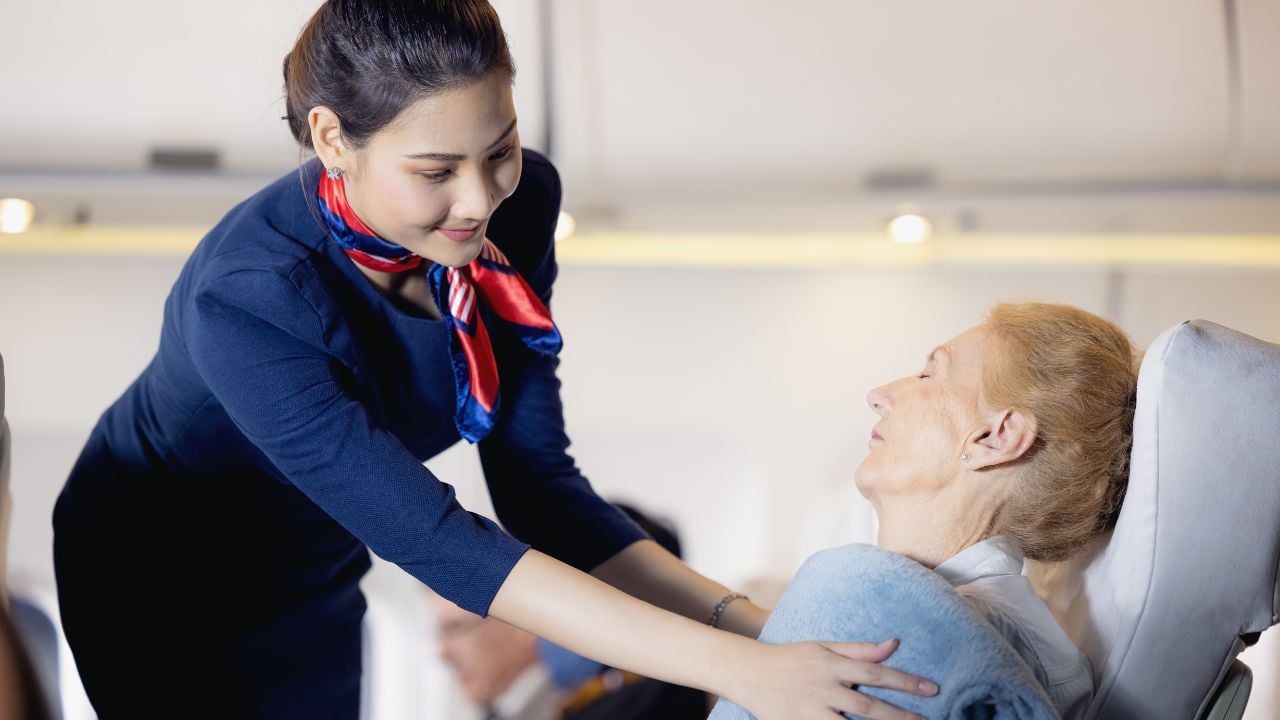
Flight attendants are trained primarily for safety, not hospitality, even though they perform both roles. Many passengers underestimate their responsibilities and treat them like restaurant servers. Understanding their role helps you appreciate the seriousness of their work. Safety procedures, emergency training, and equipment checks take priority over everything else.
Recognizing this fosters respect and cooperation during the flight. Passengers who understand the importance of safety tasks are more patient during busy times. Appreciating the crew’s expertise leads to more positive interactions. Acknowledging their role helps create a calmer, more respectful cabin atmosphere.