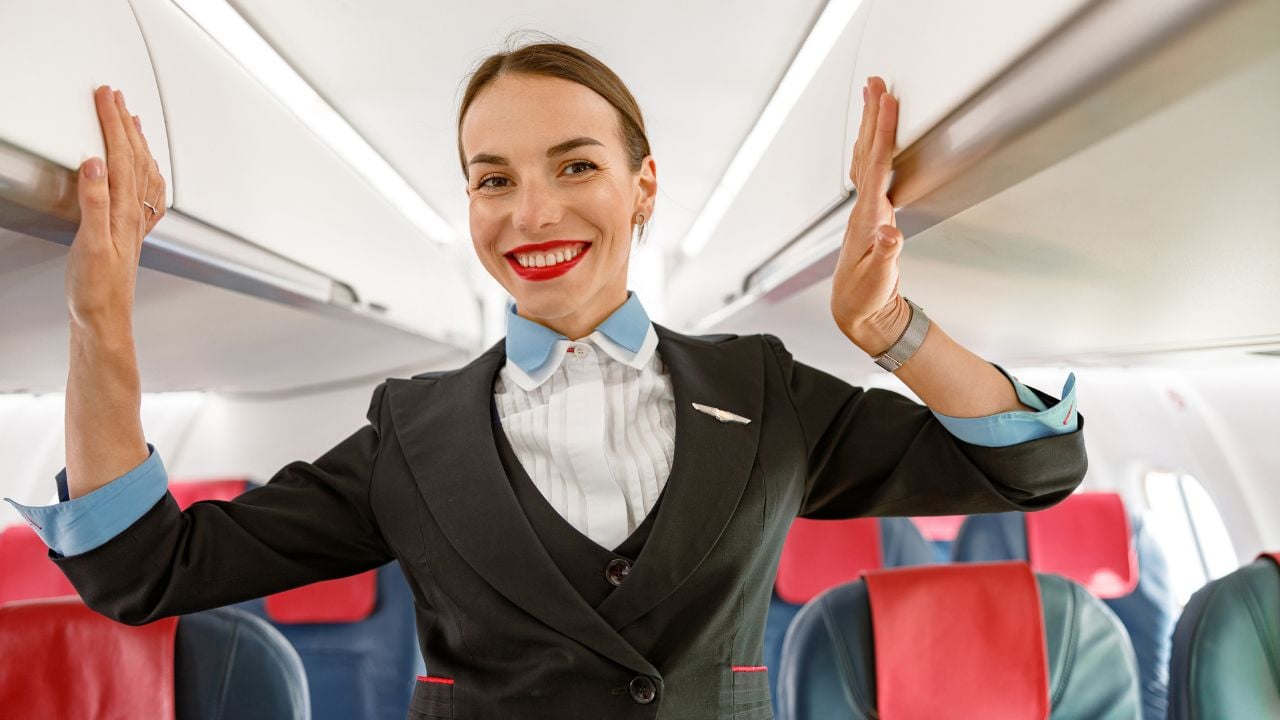
Flying is often framed as a battle over tight bins, cramped seats, and delayed departures, but the smallest passenger habits usually do the most to shape the mood on board. Flight attendants spend their day managing safety checks, service, boarding slowdowns, and the occasional conflict, so the travelers who stand out are rarely the flashy ones.
More often, they are the people who make the whole process a little easier for everyone around them. That is what makes this advice useful.
None of these habits requires elite status, extra money, or some secret frequent-flier trick. They are simple choices that help the crew do their jobs, keep the cabin moving, and make the flight smoother from boarding to landing.
1. Check Your Seat Assignment Before You Step Onto the Plane
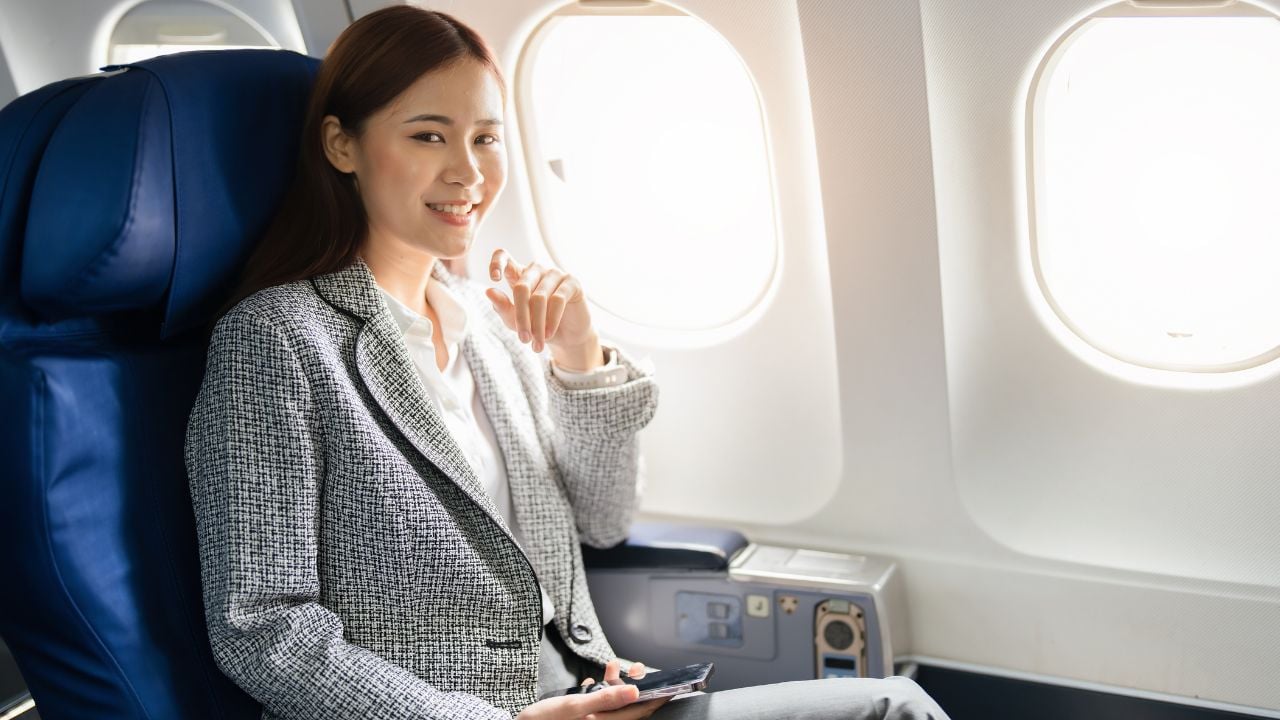
One of the easiest ways to be a better passenger is to board knowing exactly where you are going. In a December 29, 2025, Travel + Leisure interview, flight attendant Charity Moore said it causes confusion and delays when passengers come aboard without checking their boarding pass and then end up in the wrong row or wrong seat.
What seems minor from one traveler’s perspective can quickly create a ripple effect once other people have to stop, shuffle, and wait. A few seconds of uncertainty at the front can throw off a whole boarding line.
The better habit is simple. Glance at your boarding pass before you cross the aircraft door, find your row quickly, and sit in your assigned seat.
That also matters if you are tempted by an apparently empty one. Condé Nast Traveler reported in May 2025 that flight attendants prefer passengers to ask before moving, because open seats may still be spoken for and seat changes can sometimes affect operational issues such as weight and balance.
2. Stow Your Bag Quickly and Use the Space the Way It Is Meant To Be Used
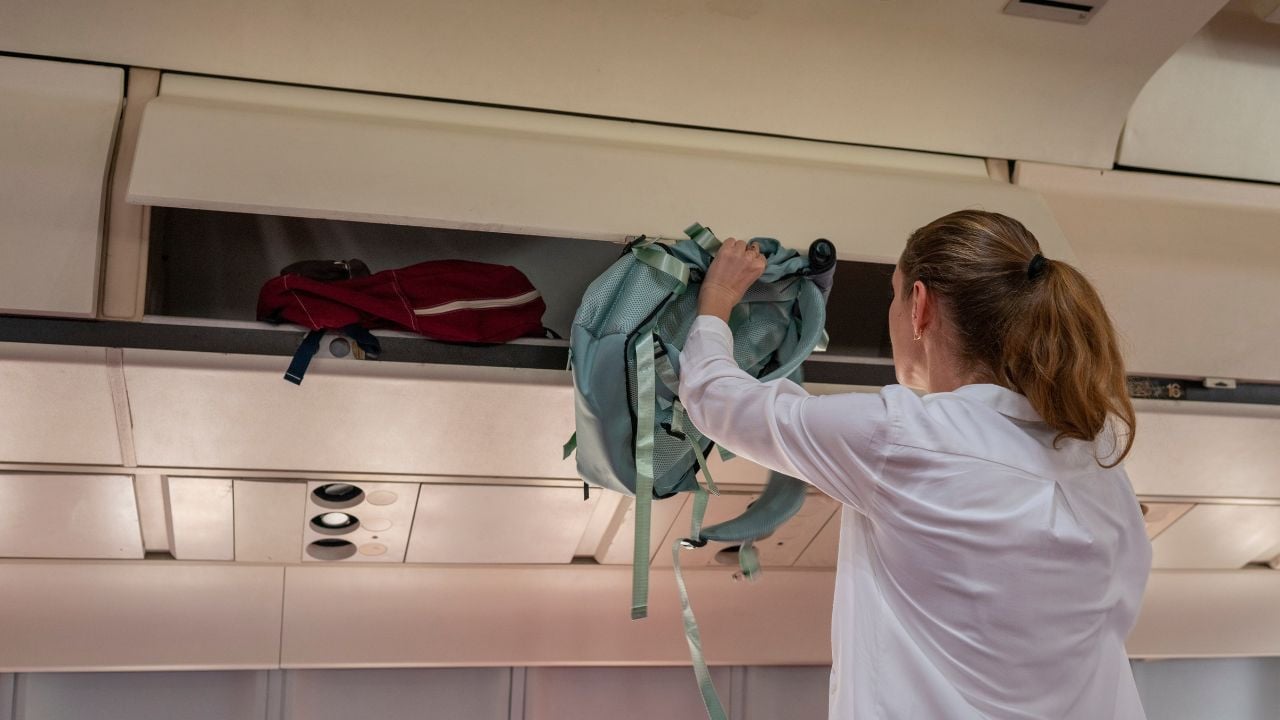
Nothing slows boarding like someone treating the overhead bin as a private closet. Travel + Leisure reported on March 22, 2026 that flight attendants regularly see travelers putting small backpacks and purses overhead instead of under the seat in front of them.
A good passenger boards ready to stow and sit. United’s boarding guidance tells travelers to find their seat and put away their carry-on bags and personal items once on board.
United’s carry-on rules also state that personal items must fit under the seat in front of you. The faster that happens, the faster the aisle clears and the less time the crew has to spend rearranging other people’s bags.
That is the real goal. Nobody remembers the person who sat down smoothly, but everybody notices the passenger who turns the aisle into a storage debate.
3. Respect the Seat Belt Sign, Even When It Feels Overly Cautious
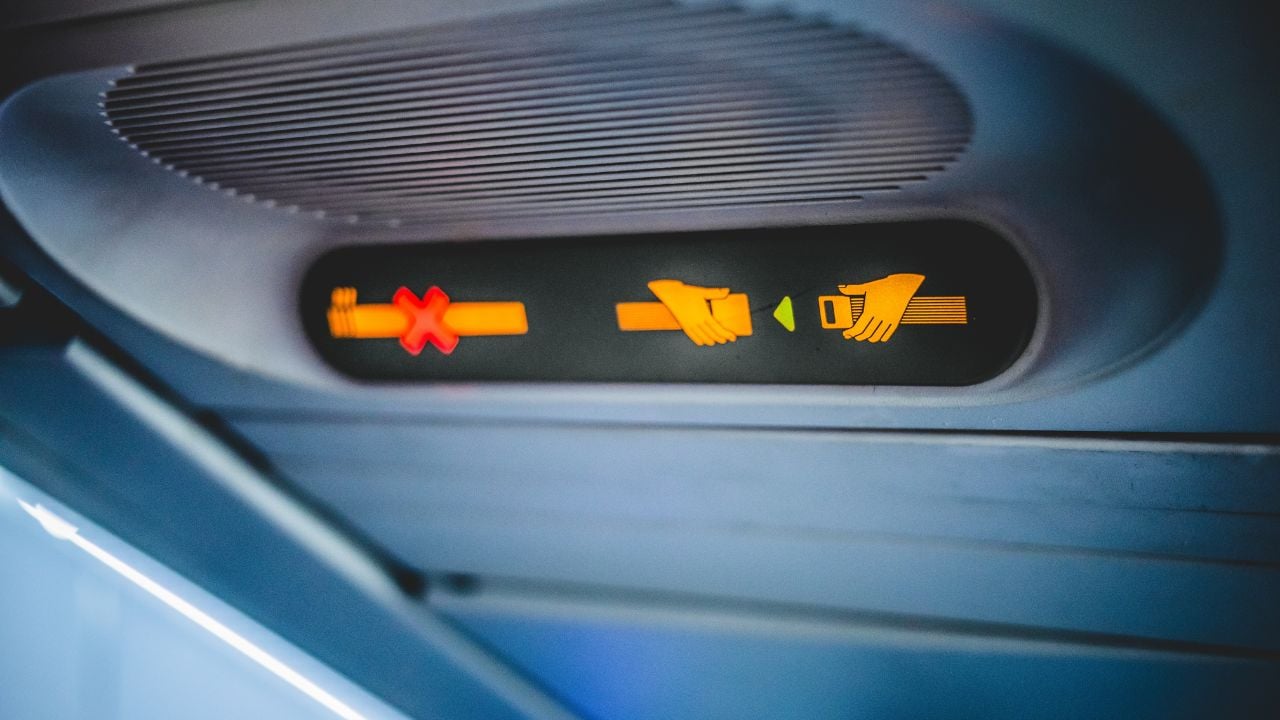
Flight attendants notice very quickly who treats the seat belt sign as a suggestion. Moore told Travel + Leisure that crews appreciate passengers who respect the crew’s safety cues.
The FAA’s own rules back up that mindset. Federal regulations require passengers to be briefed that seat belts must be fastened when the sign is illuminated and should remain fastened anytime they are seated.
The same idea applies at the end of the trip. Travel + Leisure’s March 2026 etiquette piece says one of the most common mistakes is standing up and reaching for overhead bins while the plane is still taxiing.
Waiting until the sign turns off and your row can actually move is one of the clearest ways to show that you understand how the cabin works. It is safer, calmer, and much less irritating for everyone around you.
4. Keep Your Audio to Yourself

A surprising number of in-flight conflicts begin with noise that one person thinks is harmless and everyone else finds irritating. Travel + Leisure reported that Michelle Hall, a former Piedmont Airlines flight attendant, sees passengers playing videos, games, or music out loud as one of the most common etiquette mistakes in the cabin.
Even short clips can wear people down quickly when dozens of travelers are sharing the same small space. What feels tiny through one phone speaker rarely sounds tiny three rows away.
That is why headphones are not a bonus. They are basic cabin manners.
If anything, airlines are getting stricter about it. CBS reported in March 2026 that United updated its rules to require headphones for personal-device audio and video content.
5. Make Service Easier by Looking Up, Speaking Clearly, and Not Blocking the Cart

Meal and drink service is not a casual interruption in the workday. It is a real part of the crew’s job, and it moves more smoothly when passengers meet them halfway.
Moore told Travel + Leisure that crews appreciate travelers who remove their headphones when service begins, use basic manners, and avoid clogging the aisle while carts are moving through the cabin.
She also noted that being specific helps, especially with drinks, because it speeds up the exchange. “Coffee with milk” is easier to handle than pulling an answer out of someone who is half-listening through earbuds.
Good passengers do not just ask politely. They make the interaction easier to manage.
6. Use the Call Button Like a Tool, Not a Toy
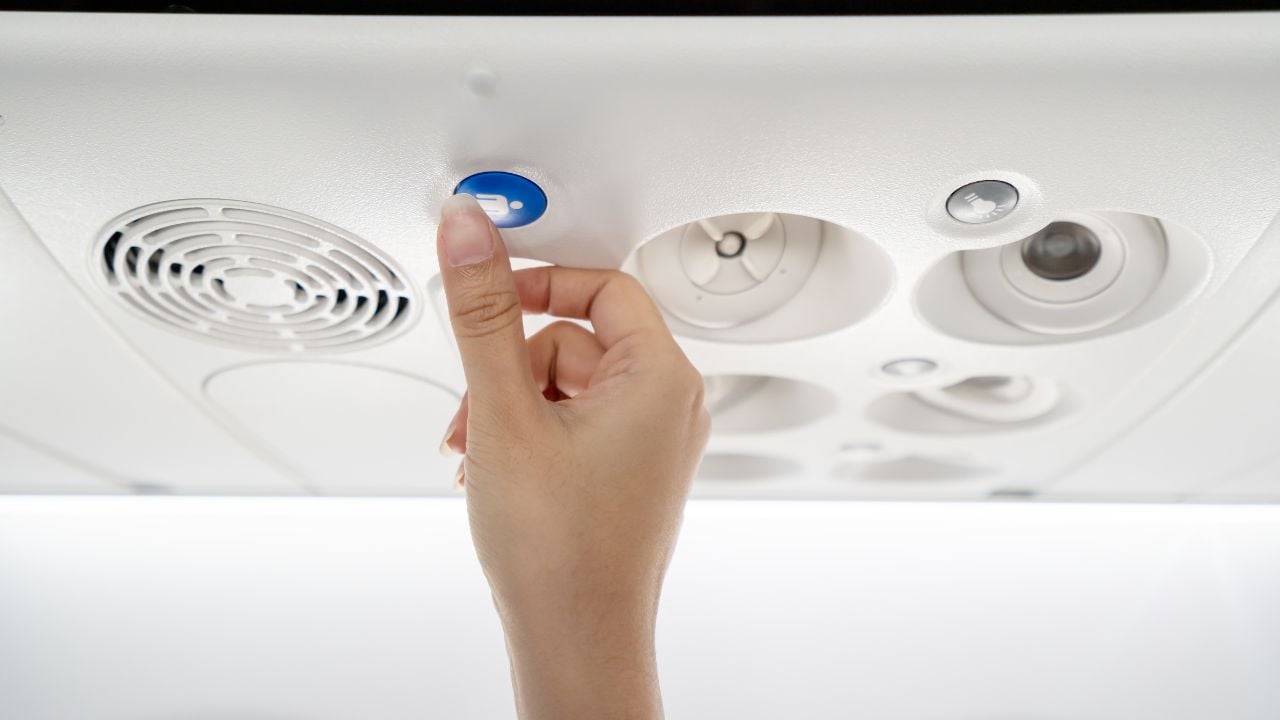
The call button exists for a reason, and flight attendants do not want passengers to feel awkward about using it when they genuinely need help. AFAR reported in September 2024 that crew members consider it appropriate for real assistance, especially after takeoff and before landing, and certainly for urgent situations.
Window-seat passengers may have an especially fair reason to use it if climbing over sleeping neighbors is unrealistic. The button is a tool, not a sign that you are being difficult.
What thoughtful travelers avoid is pressing it at the worst possible moment or for something trivial when the crew is visibly busy nearby. The smartest approach is to treat the button as direct access to working crew, not as a way to fill a passing moment of boredom.
7. Recline With Some Awareness of the Person Behind You
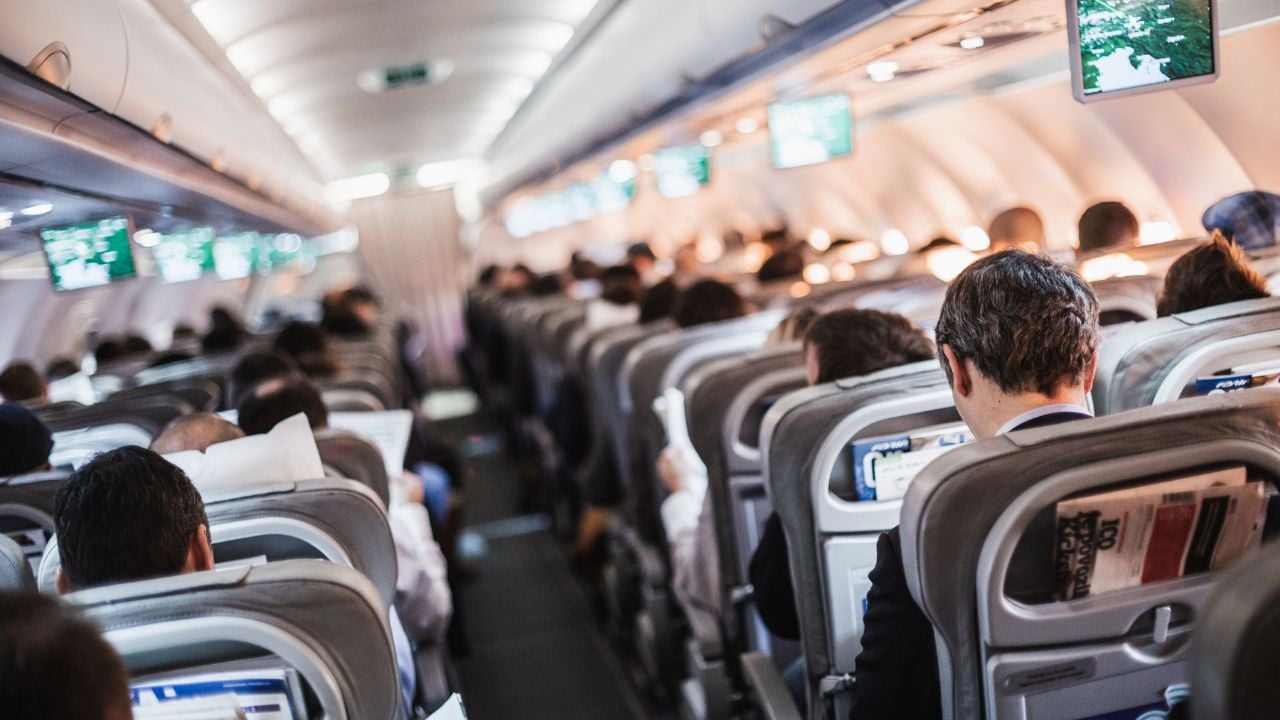
Yes, your seat reclines for a reason. No, that does not mean you should throw it backward without a second thought.
Condé Nast Traveler’s guide to recline etiquette says flight attendants repeatedly see arguments start when passengers lean back without checking on the person behind them, especially if that person is eating, using a laptop, or balancing a drink.
Travel + Leisure’s March 2026 reporting echoed that point, noting that a sudden recline can cause spills and make tray-table use difficult. The better habit is to recline slowly and use some judgment.
It also helps to remember that this is not just etiquette. Federal aviation rules require seat backs to be upright for takeoff and landing, so when the crew tells you to put your seat up, that is not optional.
In the end, the best passengers are usually the least dramatic ones. They know where they are sitting, they keep the aisle moving, they follow the crew’s safety cues, and they remember that a plane cabin is shared space from nose to tail.