Ford’s difficult 2026 may finally be showing signs of improvement. After nearly a year of supply chain disruptions tied to a major aluminum shortage, supplier Novelis has officially restarted production at its Oswego, New York facility.
The restart comes after multiple fires at the plant last September forced production shutdowns that heavily impacted Ford’s F-Series truck lineup. The facility is one of the most important aluminum suppliers in the United States, producing material used extensively in the bodies of the Ford F-150 and Super Duty pickups.
For Ford, the timing could not be more important. The company has spent much of the past year battling reduced inventory levels, production delays, and rising material costs while competitors attempted to capitalize on the shortages.
While it may still take months for supply chains and inventories to normalize completely, the reopening of the Novelis facility represents the first genuinely positive development Ford has received in its truck production battle this year.
The Aluminum Shortage Hit Ford Hard
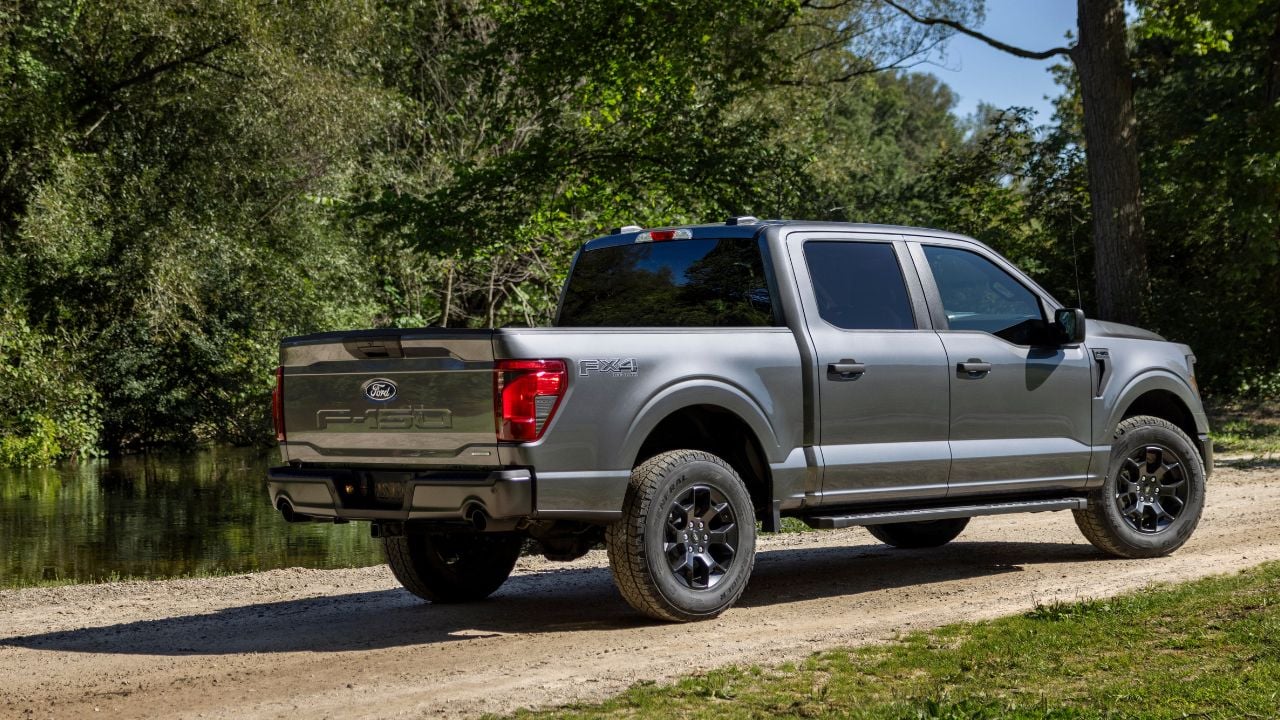
Before the shutdowns, the Novelis Oswego plant produced more than one billion pounds of aluminum sheet annually, accounting for roughly 40 percent of total U.S. supply. Much of that output was directed toward automotive manufacturing, particularly Ford’s aluminum-intensive truck lineup.
Although General Motors and Stellantis also sourced material from the facility, Ford was affected more severely because the F-150 and Super Duty rely heavily on aluminum body construction. The lightweight material has been central to Ford’s truck strategy for years, helping improve fuel economy and towing performance.
During the outages, Novelis attempted to maintain some supply by importing aluminum sheet from facilities in South Korea and Europe. That helped prevent a total production collapse, but the workaround created higher shipping costs and added tariff expenses that ultimately increased pressure on Ford.
The shortages became serious enough that Ford reportedly redirected aluminum supplies away from the F-150 Lightning electric pickup to prioritize its higher-volume gas and diesel truck production. The company estimated the disruptions reduced F-Series production by more than 50,000 units.
Ford’s Sales Lead Survived Despite The Problems
Even with the production challenges, Ford managed to retain its long-running title as America’s best-selling truck brand. The F-Series lineup has held the top sales position in the United States for nearly five decades.
Still, the shortages created one of the biggest opportunities General Motors and Ram have had in years to close the gap. In the first quarter of 2026, Ford sold 159,901 F-Series trucks, while Chevrolet moved 128,818 Silverado pickups.
That margin was significantly narrower than usual, especially considering Ford’s inventory issues left dealer lots thinner than normal. Buyers in many regions faced reduced selection, longer wait times, and in some cases higher transaction prices due to constrained supply.
Ford was already attempting to recover lost production volume this year before another issue at one of its own stamping facilities created additional setbacks. The combination of supplier problems and internal production interruptions has made 2026 unusually difficult for the company’s most important product line.
Recovery Will Take Time
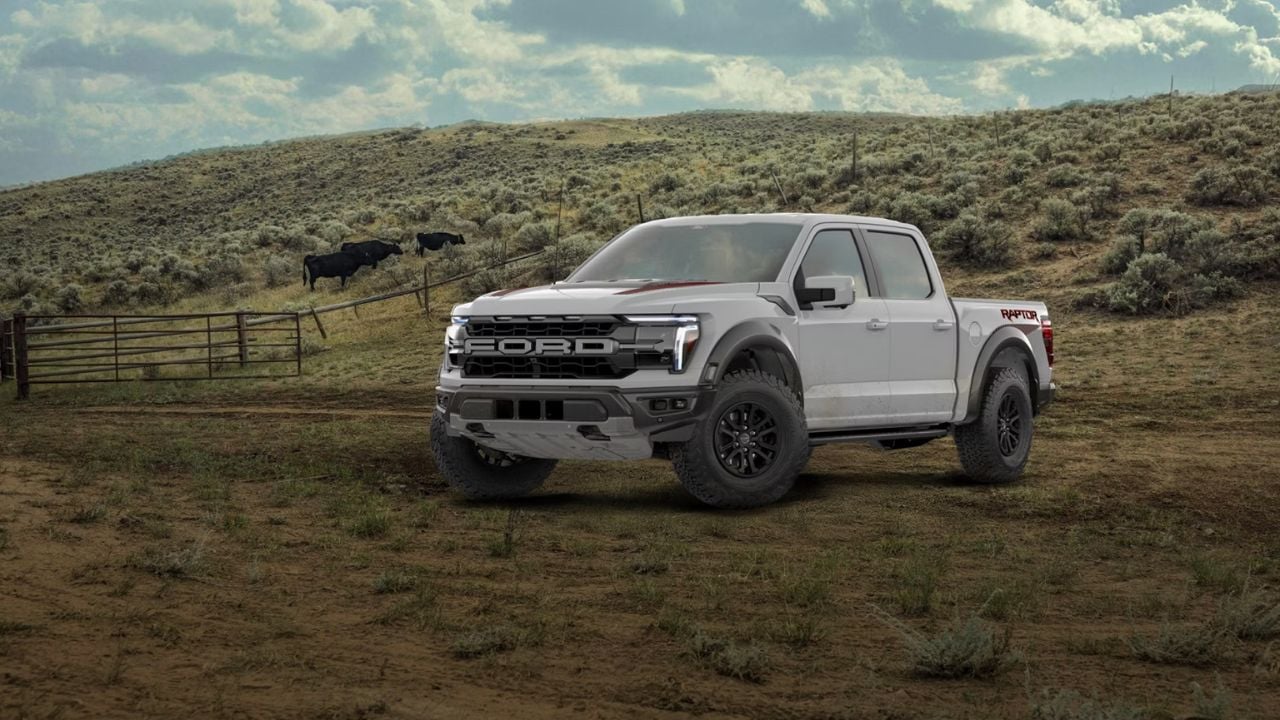
Although production has resumed at Novelis, Ford’s recovery will not happen overnight. The aluminum still needs to move through the supply chain, reach stamping facilities, and eventually make its way onto assembly lines before inventories begin improving.
Neither Ford nor Novelis has confirmed exactly when full-scale shipments will resume or how quickly truck production can return to normal levels. However, the restart alone removes one of the biggest obstacles Ford has faced over the past several months.
Novelis CEO Steve Fisher described the restart as an important milestone for both the company and its customers. He also credited employees, suppliers, and industry partners for helping maintain continuity during the prolonged disruptions.
For consumers, the return of domestic aluminum production could eventually improve truck availability and stabilize pricing. It may also reduce Ford’s reliance on expensive imported material that added additional costs throughout the past year.
The recovery is also significant beyond the auto industry. The Oswego facility supplies aluminum for beverage cans and other industrial uses, meaning the restart helps multiple industries that were affected by the shutdowns.
Ford still has work to do to rebuild inventories and recover lost sales momentum. However, after months of supply headaches and production shortfalls, the company finally appears to have caught a much-needed break.