
There are certain cars that shape the way people move through their cities, and Fiat has always been at the center of that conversation. Hatchbacks from the Italian brand carried groceries, children, shopping bags, student dreams, and long commutes with a sense of personality. Fiats approach to hatchbacks turned busy streets into runways of practicality and style. In neighborhoods across Europe and far beyond, small Fiat models parked against cobblestone walls became cultural landmarks as much as transportation devices. People remember their first drive in a Fiat hatchback, because the car wrapped affordability with a certain sparkle that made city living easier. This is a look back at five different Fiat hatchbacks that carried entire generations of drivers into a modern idea of urban mobility.
How These Hatchbacks Were Chosen
The process of selecting these Fiat hatchbacks followed a simple yet thoughtful pattern. The goal was to highlight cars that carried cultural significance, sales success, and emotional memory in equal measure. Each model represented a turning point in Fiats design language and urban mobility philosophy. Research drew from automotive archives, historical sales data, award records, and car enthusiast journals. The models were filtered through the lens of influence rather than sheer production numbers. Fiat hatchbacks that shaped entire generations of drivers received priority with the narrative that leaned toward cars that appeared in cultural touchstones, from family photo albums to advertising campaigns. The goal remained focused on telling stories of mobility rather than providing dry technical reviews.
Fiat 127
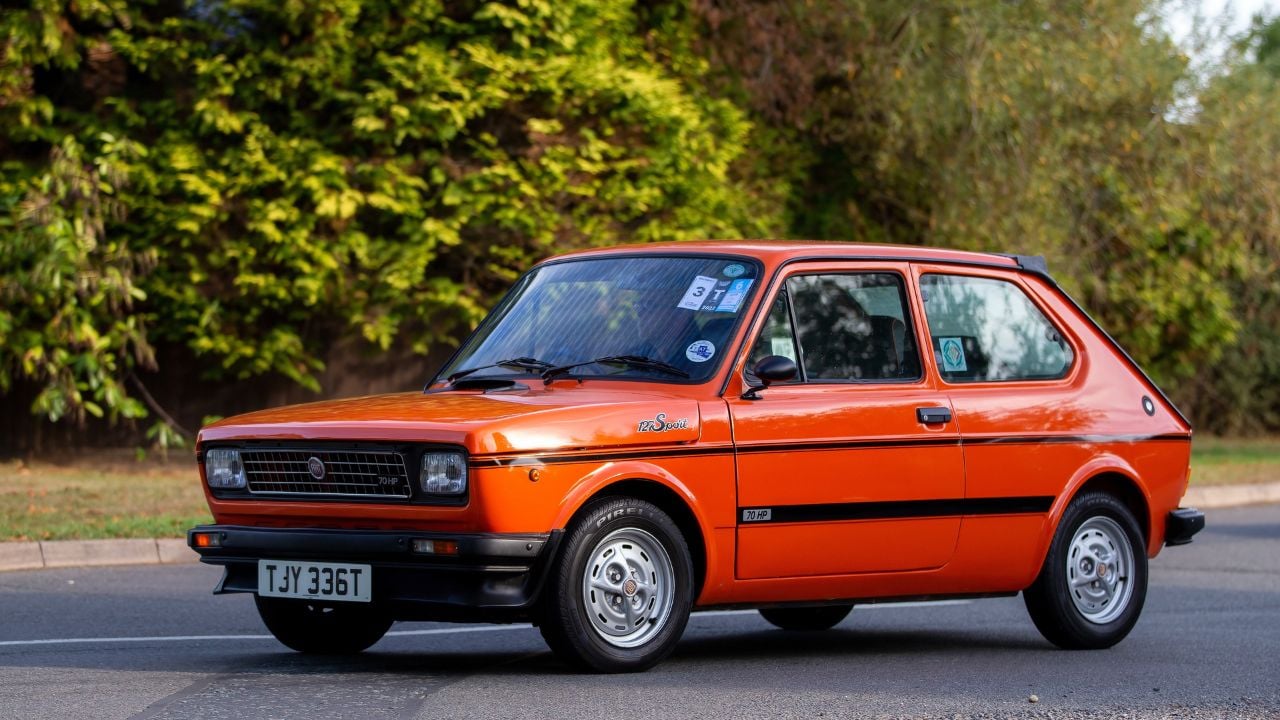
The Fiat 127 carried the responsibility of reshaping the small car world in the 1970s, and it did so with an engine mounted transversely to maximize space in a tiny frame. The design allowed the car to present a cabin that felt generous even with the short wheelbase. The rear hatch opened upward to reveal a loading space that could adapt to groceries, strollers, and luggage. Drivers loved the way the 127 made small journeys in town feel like a celebration of practicality. The car became a symbol of how young families and professionals could own an affordable and modern hatchback. The handling encouraged confidence on tight European streets filled with bicycles and pedestrians. The exterior lines showed the transition between classic compact sedans and the emerging hatchback future. Fiat engineers gave the 127 strong reliability for the daily grind of city traffic lights and crowded parking spaces.
Car magazines of the era praised the innovation of the hatch layout for urban living. Owners quickly discovered the low running costs matched the stylish Italian flair. The visibility from inside the cabin gave drivers a sense of comfort in narrow lanes. Students and new workers enjoyed the way the 127 served as a first car with real adult credentials. Mechanics in every European town became familiar with its parts, creating a culture of easy maintenance. Over time, the 127 influenced many other hatchbacks from competing brands. The model stood as a bridge from small sedans to the global hatchback movement. Fiat used this platform to establish itself as a champion of affordable city cars. Collectors today remember the 127 with affection because it represents a milestone. Car culture owes a great debt to this model for proving that utility and charm can live together in one package. The legacy of the Fiat 127 shines brightly in the history of mobility.
Fiat Uno
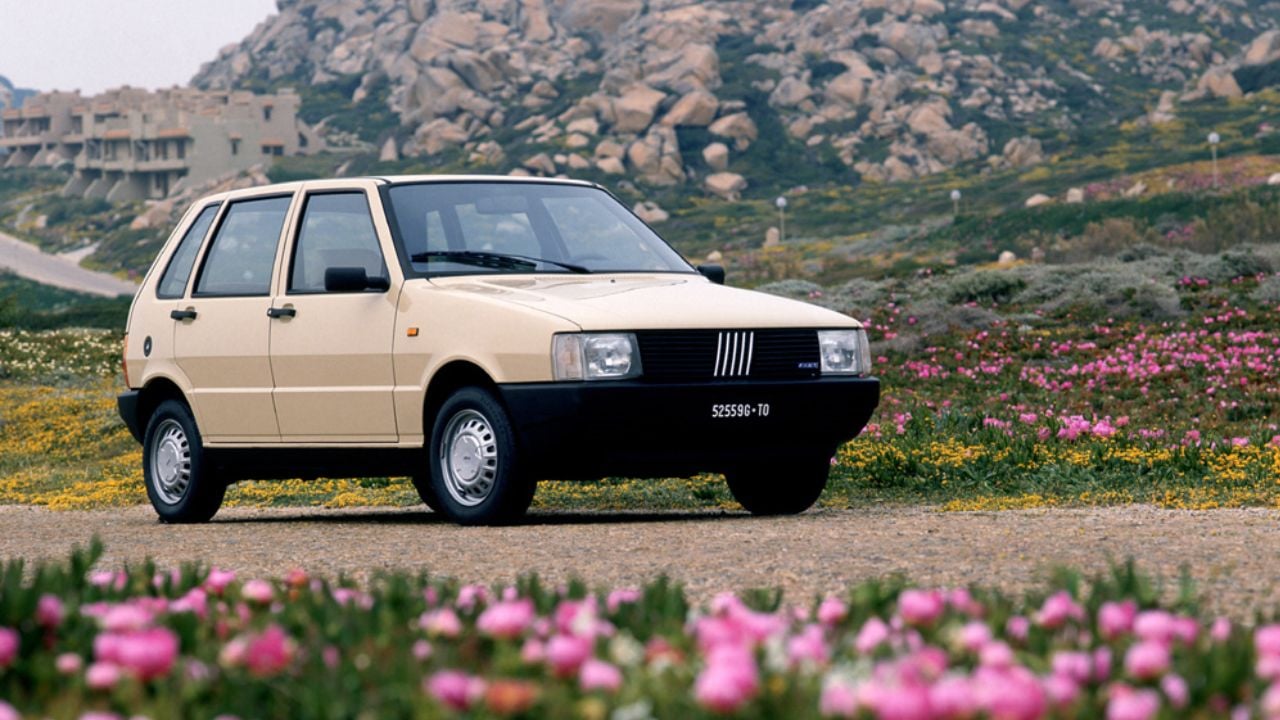
The Fiat Uno appeared in the 1980s with a boxy design that spoke the language of functionality. The upright profile gave it an unmistakable silhouette on crowded boulevards. The cars engineers built a structure that optimized interior room while keeping the footprint trim. The Uno served as a versatile hatchback that young families, retirees, and delivery drivers all adopted. The economy of operation made the car a best-seller across multiple continents. Drivers praised the fuel efficiency at a time when costs weighed heavily on household budgets.
Fiat shaped the Uno to serve both as a commuter tool and as a personal statement of modernity. The design included large windows that filled the cabin with light. Drivers and passengers experienced a sense of calm inside a car that looked small on the outside yet felt airy within. The rear hatch granted easy access to a cargo area capable of surprising loads. People remember the Uno parked outside supermarkets, schools, and soccer stadiums. The shape of the dashboard and controls reinforced a philosophy of user-friendly design. The suspension provided stability that suited city potholes and highway journeys alike. Engineers emphasized simplicity of mechanics to encourage durability.
Owners often speak of the Uno with stories of road trips and daily errands. The vehicle aslo won multiple awards for its clever design while sales numbers reflected the enormous appeal of the car. Over the years, the Uno became a sight across South America, Europe, and Asia. Entire neighborhoods still hold memories of the Uno serving as a first family car. The affordability encouraged widespread adoption across income levels which made the Uno a cultural reference point for those who experienced its presence during formative years. The car demonstrated how Fiat could build a product that reached millions allowing it to stands tall as a genuine icon of hatchback design and social history.
Fiat Punto
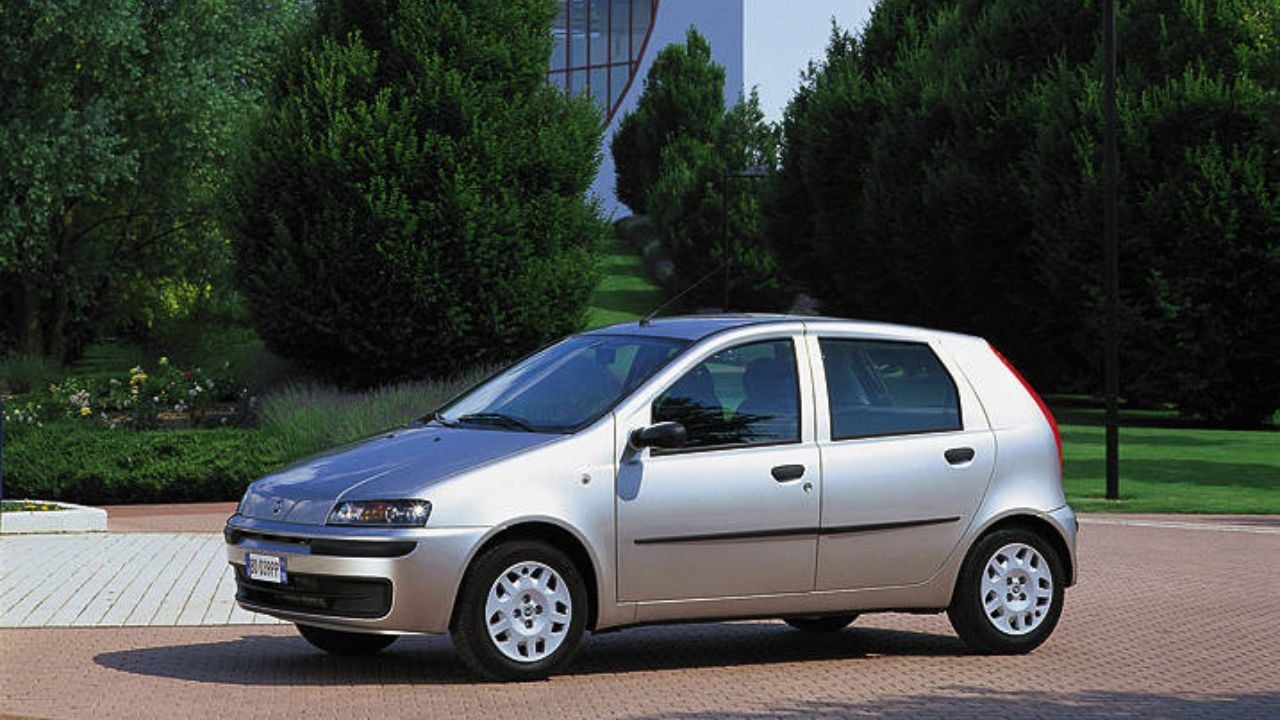
The Fiat Punto carried a youthful personality wrapped in smooth aerodynamic styling, immediately attracting attention with its rounded shape and contemporary spirit. While drivers appreciated the modern features that set the Punto apart from earlier hatchbacks, designers focused on safety and space as cornerstones of the project. The Punto scored high marks in crash tests, which encouraged young parents to trust it with family duties. The large glass areas gave the car a welcoming feel and in the same time the steering brought agility to urban environments with precision.
Owners enjoyed the balance between compact size and spacious interior with the ability of rear seats to be folded to expand storage for weekend escapes. The Punto became a common sight in city centers filled with bright colors and fresh marketing campaigns. Fiat gave the model a variety of engine choices to match different lifestyles: students embraced the Punto as affordable fun, while retirees enjoyed its ease of use.
The car played music from cassette players that echoed youth culture, people met friends, dated partners, and started families with a Punto parked nearby. As of design, engineers designed suspension systems that favored both comfort and precision. The Punto grew into several generations, each carrying the baton of modern hatchback culture. Millions of units rolled off assembly lines to meet global demand and the Punto achieved sales success in countries across Europe and South America. Owners often recall it as a car that helped them step confidently into adulthood. Fiat cemented its reputation as a small-car master through this model. The Punto retains a warm place in the memory of hatchback lovers everywhere.
Fiat Panda (Second Generation)
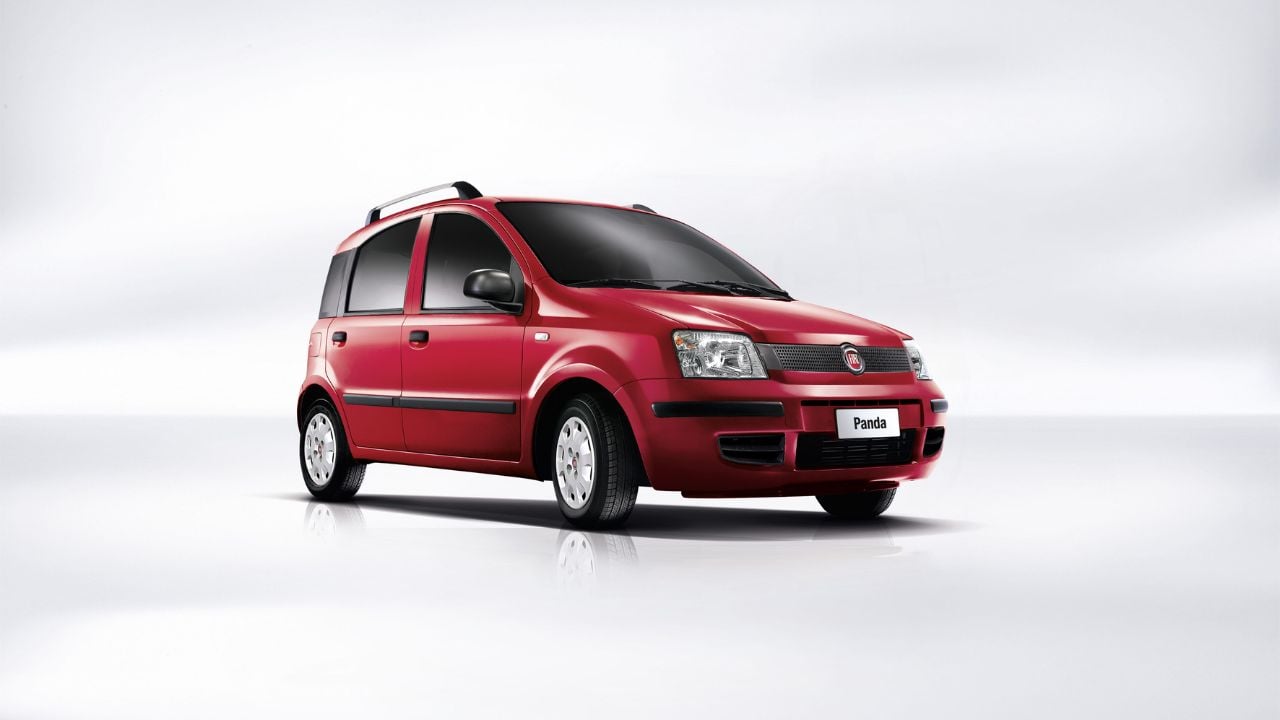
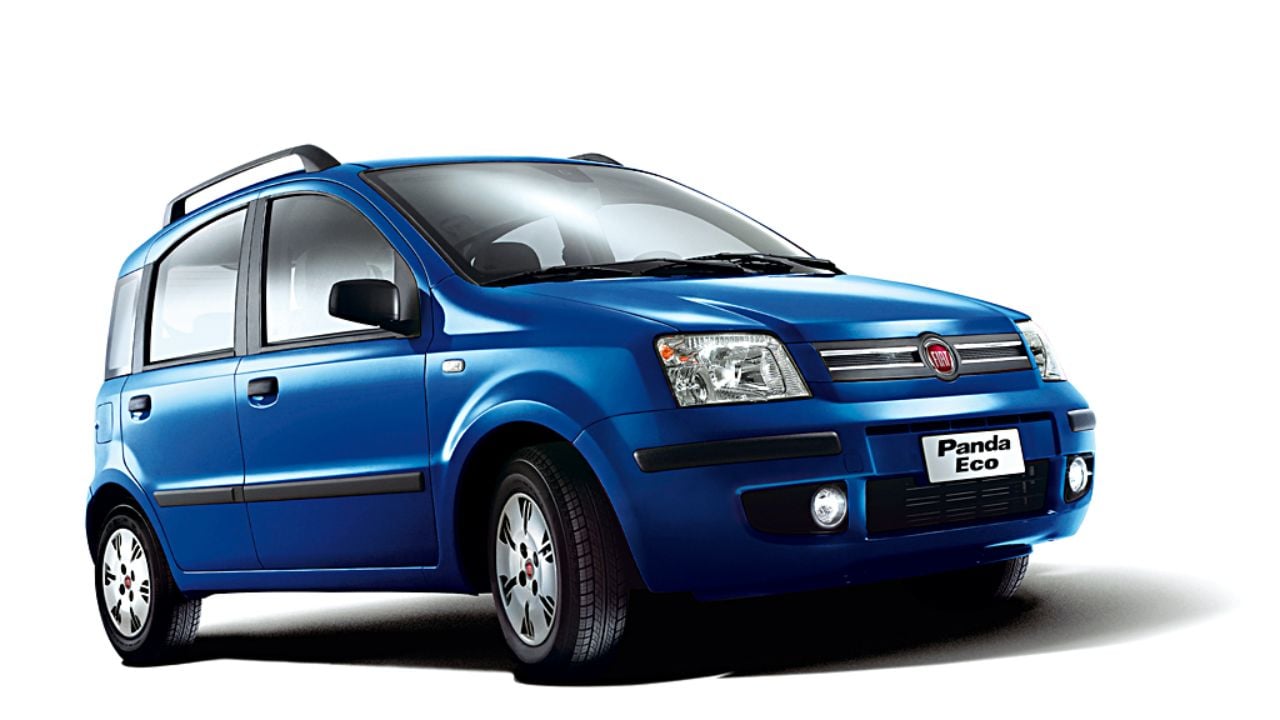
The second-generation Fiat Panda of the early 2000s provided a perfect balance of modern design and utility with the boxy yet refined look that gave it a strong identity on crowded city avenues. The Panda grew into a car that families trusted for school runs and grocery trips and its tall roofline allowed passengers to sit comfortably with ample headroom and the upright stance granted excellent visibility for city driving. The Pandas designers gave attention to practicality through clever interior storage solutions. Seats folded and rearranged to create multiple configurations.
The Panda gained popularity in markets where space and economy mattered, with the small footprint that made parking an effortless task in old European quarters but also offered lively engines that supported urban commuting with efficiency. Owners remember the cheerful colors that brightened streets. Car journalists admired the Panda for being honest, practical, and cheerful. The model won European Car of the Year in 2004, cementing its reputation. Its charm resided in a design that made children smile and grandparents comfortable. Engineers delivered a package that blended reliability with character with the suspension that absorbed the imperfections of city pavement gracefully.
Millions of customers purchased the Panda across Europe and the car became a symbol of approachable Italian engineering. Tourists in European cities frequently rent Pandas for their vacations, creating global memories. Owners enjoy low maintenance and accessible servicing. The Panda became a learning car for many teenagers with provisional licenses. The small dimensions inspired confidence in tight maneuvers. The Pandas story includes decades of cheerful ownership experiences and generations of families passed down Pandas as reliable companions. The second-generation Panda remains one of Fiats greatest successes in the hatchback lineage demonstrating how design and practicality can combine to define mobility.
Fiat 500 (Modern Revival)
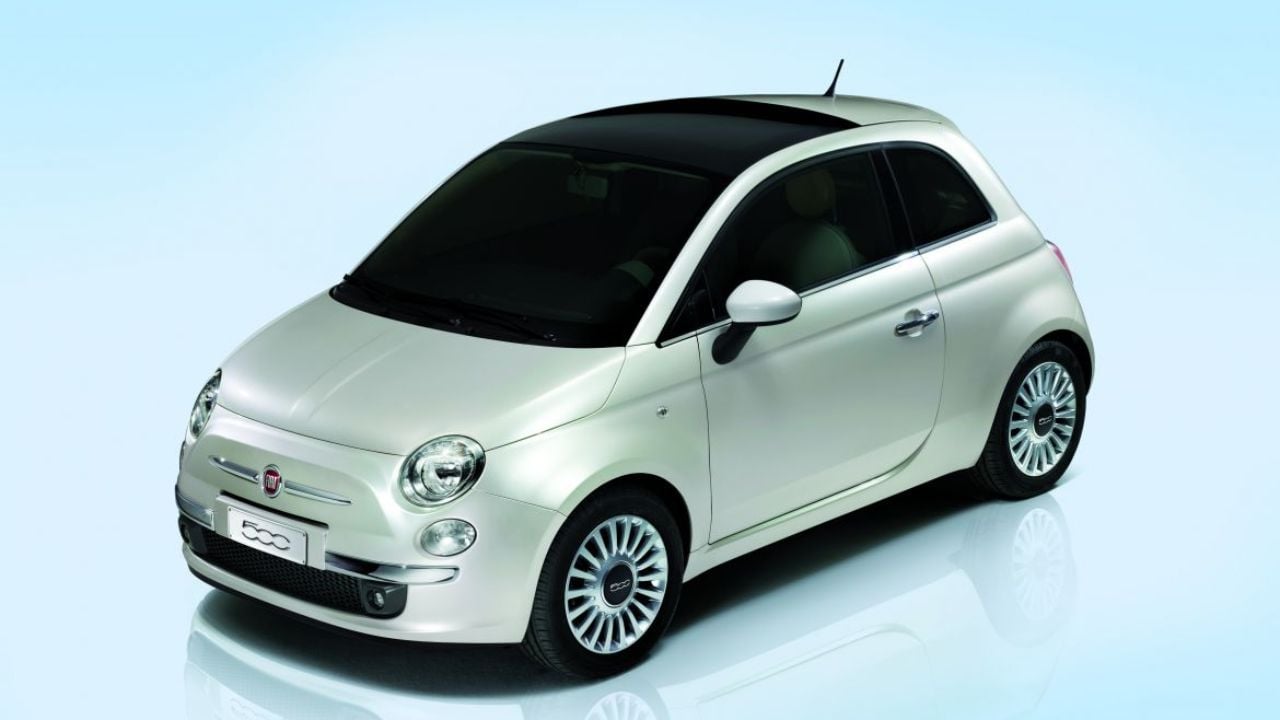
The modern revival of the Fiat 500 in the late 2000s reintroduced retro charm into the urban hatchback space. Designers recreated the spirit of the original 1957 model while embedding twenty-first-century technology. The rounded shape and chrome details created immediate visual appeal. The car carried a personality that felt playful and chic and drivers found joy in maneuvering through busy traffic with a smile.
Fashion brands collaborated with Fiat to release special editions. The interior offered customization with colorful trims and cheerful layouts. The modern Fiat 500 greets the street with a rounded silhouette that carries echoes of its 1950s ancestor, with curved fenders and a cheerful face framed by circular headlights. Chrome accents sparkle against pastel body colors, while a gently arched roofline leads into a compact rear that gives the car a chic, playful, and instantly recognizable presence. Young professionals adopted the car as a statement of individuality. The 500s dashboard carried technology that supported modern lifestyles.
The efficiency of small engines encouraged ownership among eco-conscious drivers while the car delivered surprising agility through tight turns. The 500 revived Fiats presence in multiple markets. Families enjoyed the 500 as a secondary car for city errands. The playful character appealed equally to young buyers and nostalgic older ones. The electric version of the 500 opened a new chapter for Fiat. Designers celebrated Italian culture through marketing campaigns with flair, making the modern Fiat 500 stands as an icon of design, culture, and mobility in the hatchback category
Closing a Hatch to a Legacy
Fiat hatchbacks wrote entire chapters in the story of city living, because they shaped the way generations experienced freedom, practicality, and personality on four wheels. Each model brought charm into busy neighborhoods, where people parked them under apartment balconies, lined them up outside cafs, and filled them with laughter, groceries, and weekend luggage. These cars became part of the background of countless daily routines, blending into the rhythm of markets, schools, and commutes, yet standing out through their unmistakable Italian flair.
Fiat hatchbacks told families that mobility could be affordable, stylish, and dependable all at once, which is why so many drivers still smile when they remember the feeling of sitting behind those steering wheels. Every curve of metal, every hatch lifted, every engine started carried a promise that city life could feel more graceful, more joyful, and more personal. In the memory of urban mobility, the Fiat hatchback occupies a place reserved for icons, because it touched millions of lives with quiet significance and enduring style.