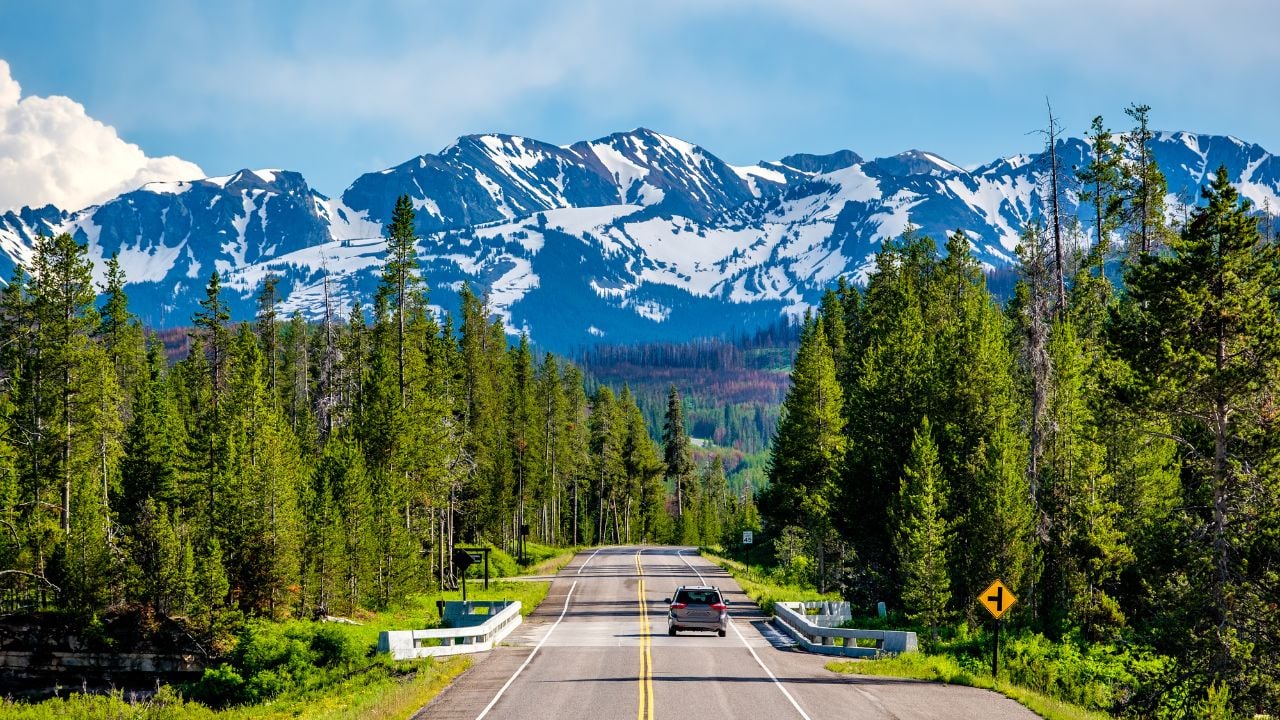
Quiet in the United States is not limited to deserts or far-off wilderness preserves. It shows up on ordinary road trips, in the long gaps between towns, and on highways where traffic fades fast after dark. Some states simply run on a slower rhythm, with more space, fewer choke points, and longer views in every direction. For many travelers, that breathing room becomes the best part of the trip.
These five entries stand out because low population density is a statewide trait, not something limited to one famous national park. The U.S. Census Bureau’s 2020 population density table places Alaska, Wyoming, Montana, North Dakota, and South Dakota at the bottom among the 50 states. Peak-season crowds still form near headline attractions, especially in summer. Step away from the main corridors, though, and the pace changes almost immediately.
1. Alaska, Where Distance Changes the Mood of a Trip

Alaska is the clearest case of statewide stillness because the 2020 Census lists about 1.3 people per square mile, the lowest figure in the country. That number feels abstract until you are driving and realize how far apart communities sit. Landscapes dominate the horizon, and even well-known routes can feel spacious once you are beyond the main urban hubs. Many first-time visitors arrive expecting constant activity and end up finding something quieter and much bigger.
Denali helps explain why the hush feels so dramatic. The National Park Service describes Denali as six million acres of wild land, bisected by a single ribbon of road. Weather and scale quickly take over the soundtrack, especially when wildlife appears and the wind does the talking. A quick stop can feel cinematic, but staying overnight is what makes the silence feel real.
2. Wyoming, Where Famous Parks Hide a Lot of Open Country

Wyoming carries heavyweight names, so many travelers assume the whole map feels busy. Census data tells a different story, putting the state at about 5.9 people per square mile in 2020, the second-lowest among the 50 states. Outside the busiest gateways, roads stretch across basins and plains with long intervals of uninterrupted space. The contrast surprises people again and again.
Yellowstone draws global attention for good reason. The National Park Service notes that the park spans 2.2 million acres and contains about half the world’s active geysers, which naturally concentrates visitors in a handful of signature zones. Yet Wyoming’s broader geography means the drives between famous stops often deliver the calmest moments. Early starts and late-day loops tend to feel especially quiet.
3. Montana, Where the Best Moments Often Happen Between the Highlights

Montana ranks third on the Census Bureau table at about 7.4 people per square mile. That statewide figure explains why a crowded scenic stop rarely defines the whole experience. One busy overlook can be followed by an hour of ranch country, valley roads, and mountain silhouettes with almost no interruption. In Montana, the space itself is part of the destination.
Glacier National Park is the headline draw, but the state’s quiet stretches far beyond a single entrance sign. The National Park Service describes Glacier as a showcase of alpine meadows, carved valleys, and spectacular lakes, with more than 700 miles of trails. The best visits reward patience, early mornings, and extra nights rather than rushed photo stops. Here, quiet shows up as a travel tempo, not just emptiness.
4. North Dakota, Where the Road Itself Becomes the Attraction

North Dakota sits fourth in the 2020 density ranking at about 11.3 people per square mile. Long horizons, modest traffic, and an agricultural backdrop shape the mood before any major landmark appears. The statewide feel is practical, spacious, and refreshingly unhurried. For road trippers, that can be a genuine luxury.
Theodore Roosevelt National Park adds a rugged chapter to that character. The National Park Service notes that Roosevelt’s time in the North Dakota Badlands helped shape his later conservation policy, which is why the landscape still feels tied to American history as much as scenery. Scenic drives through the badlands deliver big views without the constant noise common in more heavily visited regions. North Dakota rarely tries to perform for attention, and that is exactly why it sticks with people.
5. South Dakota, Where Big Icons Sit Inside a Surprisingly Calm State
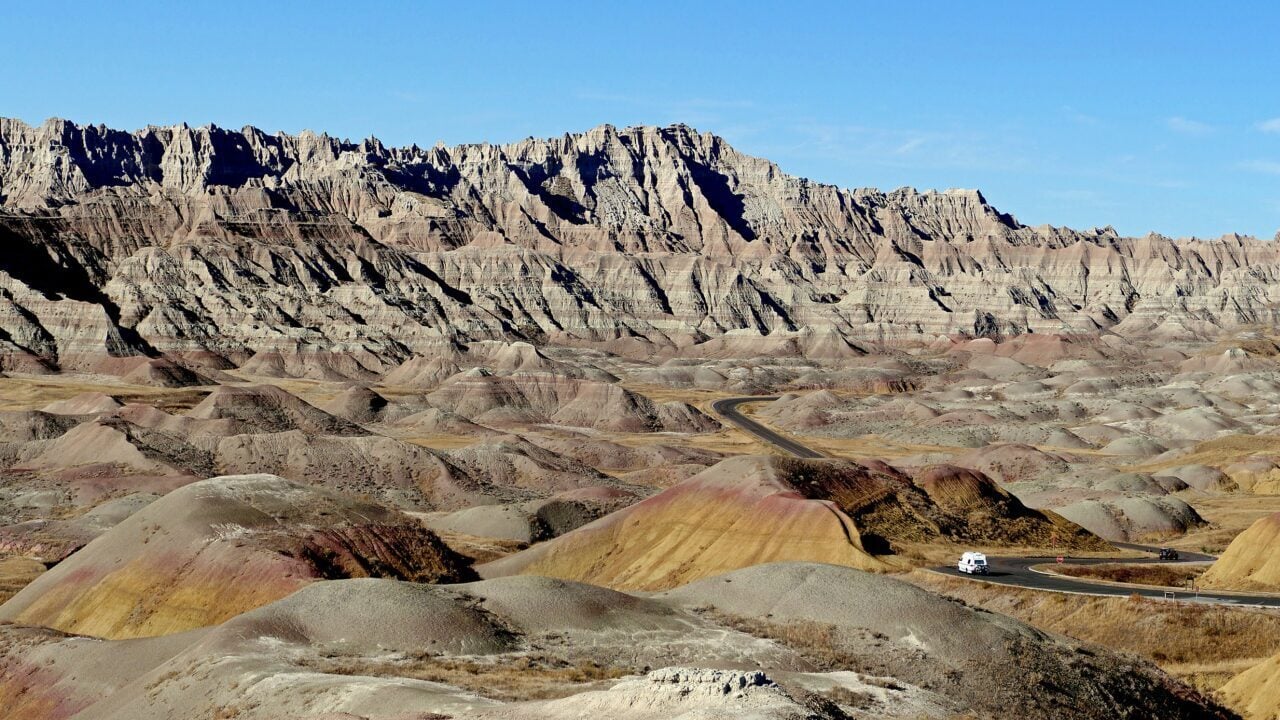
South Dakota rounds out the top five at about 11.7 people per square mile in the 2020 Census table. Many travelers picture only Mount Rushmore or the Sturgis rush, then miss how much of the state feels quiet outside those high-traffic windows. Prairie roads, small communities, and broad skies still define huge portions of the map. That mix also makes planning easier than people expect.
Badlands National Park shows why the state can feel both dramatic and calm. The National Park Service says the park’s 244,000 acres protect mixed-grass prairie alongside striking geologic formations and rich fossil resources. Crowds gather at the major viewpoints, but the wider landscape still delivers long stretches of quiet, especially early and late in the day. Stay one extra night, and the mood changes completely once the daytime rush fades.