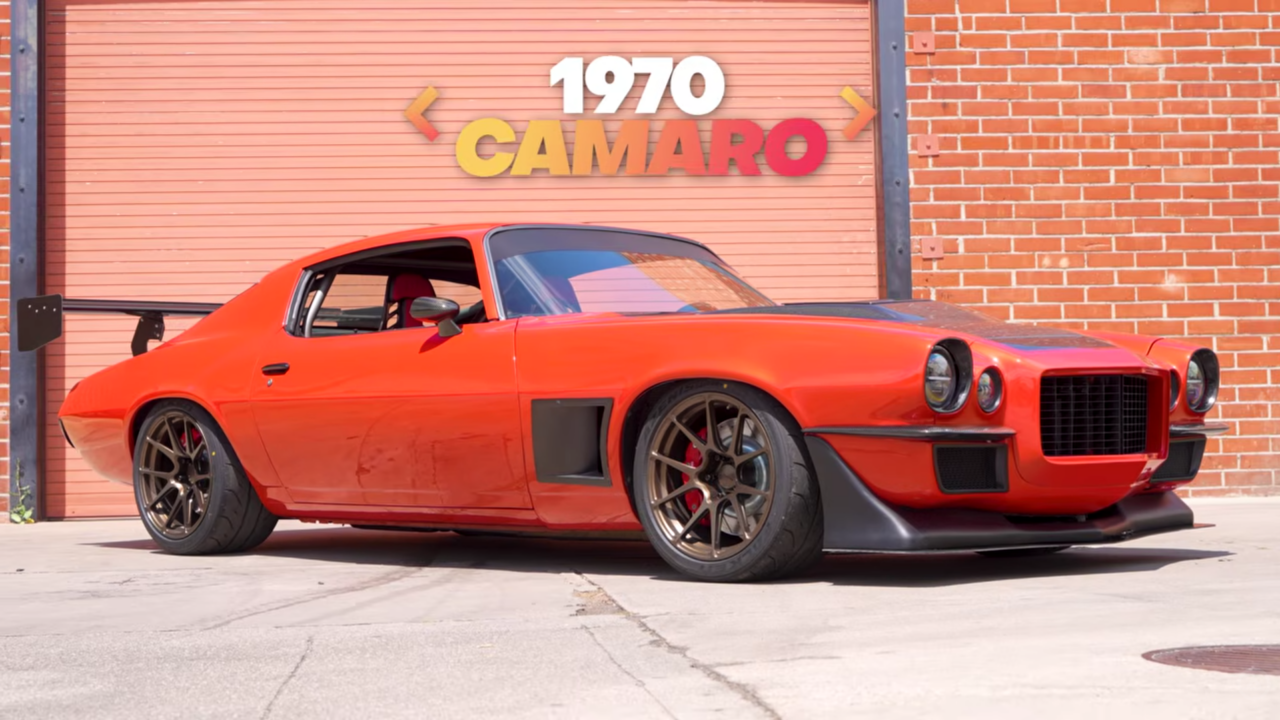
Some builds look incredible standing still, but the best ones are those that earn their reputation when the owner drives them without mercy.
Nick Relampagos’ 1970 Chevrolet Camaro, known as Project ZL70, is exactly that kind of car. It is a home-built pro-touring machine created to compete, survive, and get driven hard.
Featured by Autotopia LA, the Camaro runs a supercharged 6.2-liter LSA V8 making 707 horsepower at the wheels. Depending on the setup, that puts the car in the neighborhood of 750 to 800 horsepower at the crank.
What makes it even more impressive is how much of the car Nick built himself. Other than the paint and cage work, nearly everything on this Camaro came together in his own garage.
From SS 396 Shell To Track Weapon
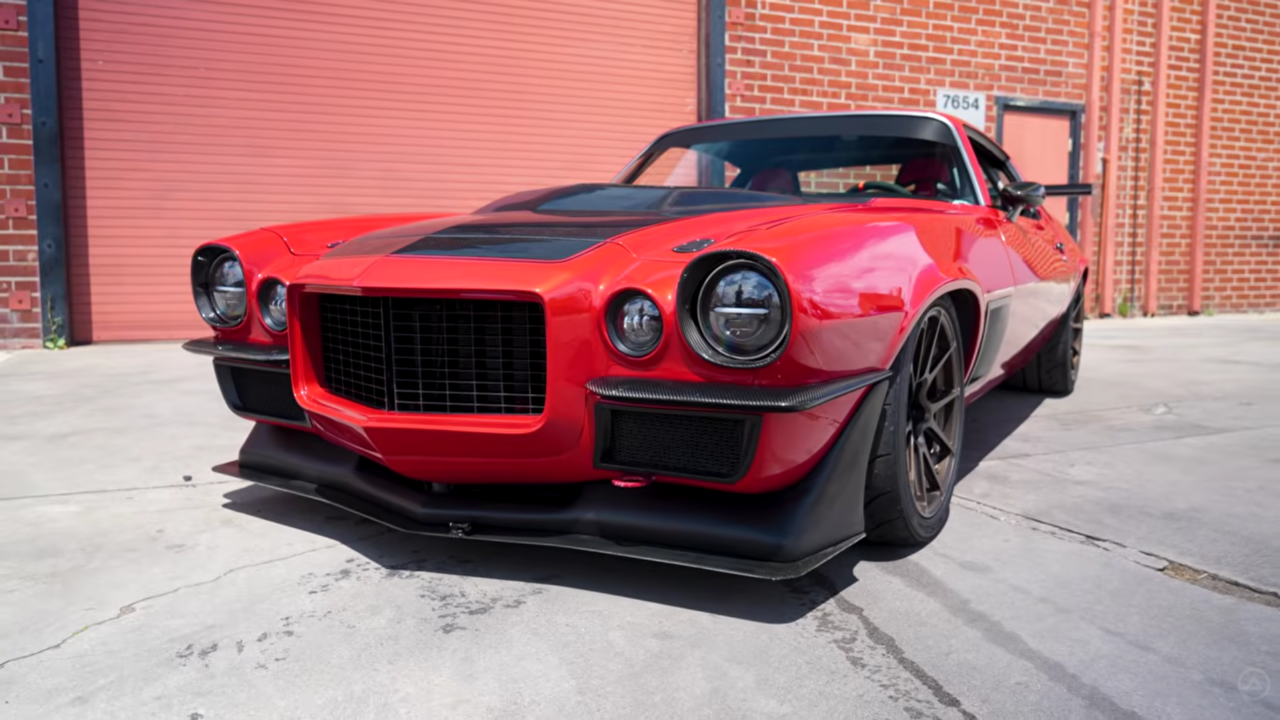
The Camaro started life as a real SS 396 car finished in Hugger Orange with a Sandalwood interior. By the time Nick got it, however, it was basically a shell with no engine, no transmission, and no front end.
Rather than restoring it and risking endless clone accusations, he built the car he actually wanted. After watching the Optima Ultimate Street Car Challenge at Laguna Seca, he knew the Camaro needed to be a serious pro-touring competitor.
The chassis now uses a Speedtech Extreme front subframe, Detroit Speed subframe connectors, a Speedtech torque-arm rear setup, and a Ford 9-inch rear axle. QA1 Mod shocks allow Nick to tune the car for autocross, speed-stop events, and road-course work.
Supercharged LSA Power And Serious Hardware
Under the hood sits a 6.2-liter LSA V8 with forged internals, AFR heads, and a Kong supercharger lid. The engine sends power through a Bowler T-56 Magnum Carbon Edition manual transmission with a Nightstick shifter.
The Camaro weighs around 3,133 pounds with a quarter tank of fuel, which is remarkably light considering its power and equipment. Full of fuel for competition, it still stays near the minimum weight needed for Optima events.
Braking comes from PowerStop C6 Corvette-style components with track-day pads, while 18-inch Forgeline monoblock wheels wear Falken Azenis RT660+ tires. The car runs massive 315-section rubber at all four corners.
Carbon Fiber Everywhere
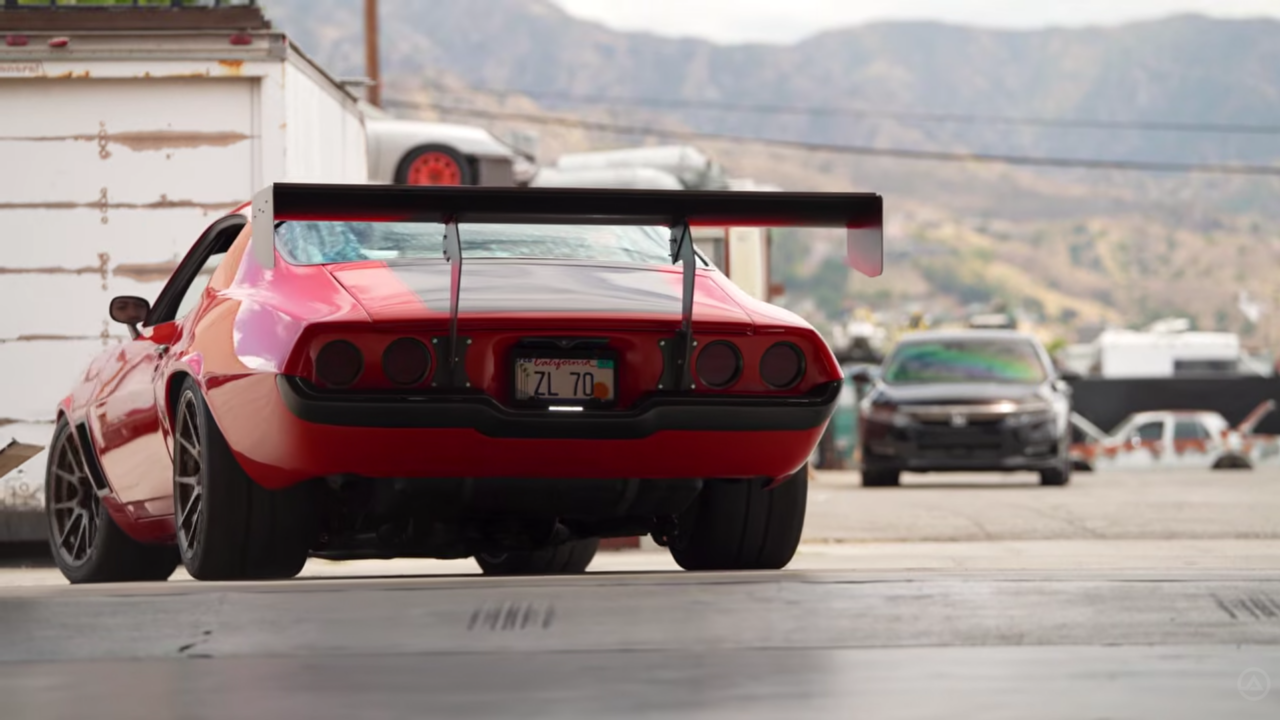
Project ZL70 is loaded with carbon fiber, and much of it was shaped by Nick himself. The hood, fenders, nose, trunk lid, trim pieces, and bumpers come from Anvil, but the doors, wheel tubs, hood vent design, spoiler elements, seat brackets, and interior details show Nick’s own handiwork.
The carbon doors are especially wild. Nick said the factory steel doors weighed 73 pounds each, while his bare carbon versions weighed only 10 pounds.
He also redesigned the front valance to improve cooling, incorporating oil and power-steering coolers while hiding brake ducts in the spoiler. It is the kind of detail that separates a sorted competition car from a flashy street build.
Rebuilt After A Major Crash
Project ZL70 nearly disappeared after a crash at SEMA during competition. The Camaro hit a barrier hard enough that it was essentially totaled, but Nick chose to rebuild the same car rather than start over.
That decision says a lot about the project. The car had history, magazine features, sponsor support, and years of development behind it.
The rebuild became a chance to make the Camaro lighter, cooler, and more refined. Sponsors including Speedtech, Forgeline, Falken, Bowler, Derale, Speedhut, Anvil, QA1, and others helped get it back on the road.
A Street Car That Actually Works
Inside, the Camaro blends race-ready function with show-quality finish. Recaro Podium seats, custom carbon brackets, Fesler panels, Speedhut gauges, air conditioning, audio, and a finished trunk all help it score well in Optima’s design and engineering judging.
On the road, Autotopia LA’s Shawn Davis came away stunned by how composed the car felt. The Camaro rides firmly, but it is not punishing, and the power delivery is backed by steering, braking, and chassis control that clearly took years to refine.
That is the real achievement here. Making 700-plus horsepower is easier than ever, but making that power usable in a 1970 Camaro is something else entirely.
Project ZL70 is not a trailer queen, a catalog build, or a dyno-sheet trophy. It is a home-built, carbon-bodied, supercharged Camaro that gets driven exactly the way it was intended.