
Federal regulators are preparing to develop new safety standards for vehicle door releases following a series of fatal crashes involving electronic door systems. The move could eventually affect every new vehicle sold in the United States, not only Tesla models.
The National Highway Traffic Safety Administration declined a request to open a defect investigation into the Tesla Model 3’s emergency door-release design. Regulators instead concluded that the issue should be addressed through new industry-wide requirements.
NHTSA acknowledged that electronic doors can create a serious escape risk when a vehicle loses power after a collision. Mechanical backups may exist, yet they are sometimes concealed behind trim panels or placed where occupants are unlikely to find them during an emergency.
Bloomberg reports that the rulemaking process is expected to focus on creating a robust and clearly identifiable way for occupants to exit a vehicle after electrical failure. Any final standard could force automakers to rethink flush exterior handles, electronic latches, and hidden interior release mechanisms.
Model 3 Crash Exposed a Regulatory Gap
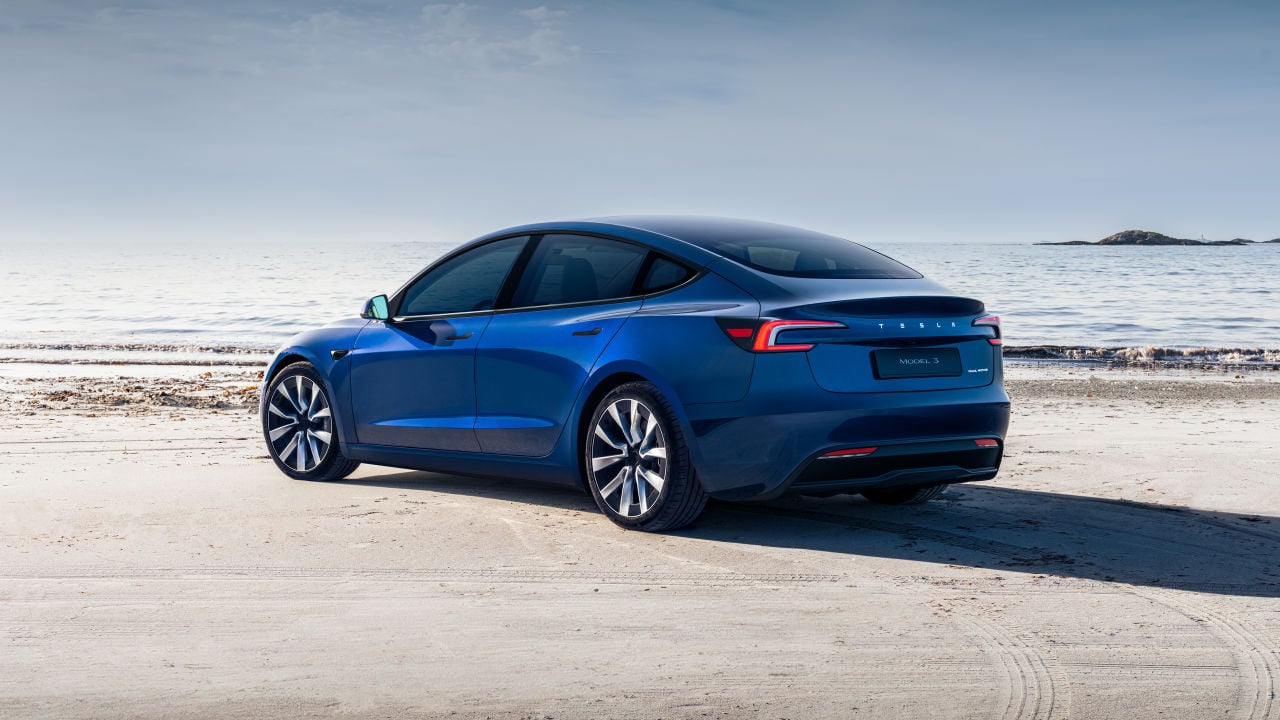
The petition that prompted NHTSA’s review involved a 2022 Tesla Model 3 that reportedly lost electrical power following a serious crash. According to the filing, the driver could not operate the electronic doors or quickly locate the manual release as the vehicle caught fire.
The driver ultimately escaped through a rear window. NHTSA agreed that difficult-to-find mechanical releases can delay evacuation and increase the risk of injury or death, particularly when fire or smoke leaves occupants with only seconds to react.
Regulators stopped short of describing Tesla’s system as defective because it reportedly operated according to its intended design. That distinction allowed NHTSA to deny a Tesla-specific investigation while recognizing that existing federal standards may be inadequate.
Current door regulations largely focus on preventing doors from opening during crashes and keeping occupants inside the passenger compartment. They do not clearly require emergency releases to remain obvious, accessible, and functional after a total electrical failure.
New Rules Could Apply Across the Industry
A separate petition called for a new federal standard requiring an intuitive emergency exit system in all passenger vehicles. NHTSA granted that request and will now begin examining how mechanical and electronic door controls should function during emergencies.
The proposed approach could require an easily located mechanical release that works without battery power. It may also establish expectations for labeling, placement, operating force, and access from both inside and outside the vehicle.
Electronic door systems are no longer limited to Tesla. Flush handles and powered latches have spread across luxury vehicles, electric cars, and performance models as manufacturers pursue improved aerodynamics and cleaner exterior styling.
Some vehicles provide visible mechanical levers near the electronic switches, while others hide backup cables beneath carpeting or removable trim. That inconsistency can become dangerous when occupants are unfamiliar with the vehicle, or rescuers cannot access the cabin.
Fatal Incidents Have Increased Scrutiny

Bloomberg reported identifying at least 15 deaths in crashes where occupants or rescuers allegedly struggled to open Tesla doors after fires began. Those cases have contributed to lawsuits and intensified questions about whether emergency-release systems are sufficiently clear.
A vehicle fire can disable low-voltage electrical systems even when the main battery remains intact. Once powered latches stop responding, passengers must understand where the mechanical release is located and how to operate it under extreme stress.
First responders face a related challenge because exterior electronic handles may also become inoperable after power loss. Breaking windows may be the only immediate option when no accessible exterior backup exists, potentially delaying rescue.
Tesla has included mechanical releases in its vehicles, although their placement varies by model and seating position. Rear-seat releases in particular can be less obvious than those in front, which has fueled criticism that technically providing a backup is not enough.
Other Markets Are Already Taking Action
China has moved ahead with standards requiring mechanical door releases on new vehicles beginning in 2027. Hong Kong has also considered restrictions on electric vehicles that rely exclusively on powered handles.
International regulations could influence vehicle design in the United States before NHTSA completes its own process. Producing separate door systems for different markets adds cost, giving manufacturers an incentive to adopt the strictest design globally.
Any new American rule is still likely to take years to finalize. Safety advocates have suggested that a new Federal Motor Vehicle Safety Standard may not arrive until 2030 or later, depending on testing, public comments, and implementation periods.
The eventual outcome could preserve electronic convenience while ensuring that every occupant has a clear mechanical escape route. Flush handles may remain, although automakers could face much tighter requirements governing what happens when the electricity disappears.