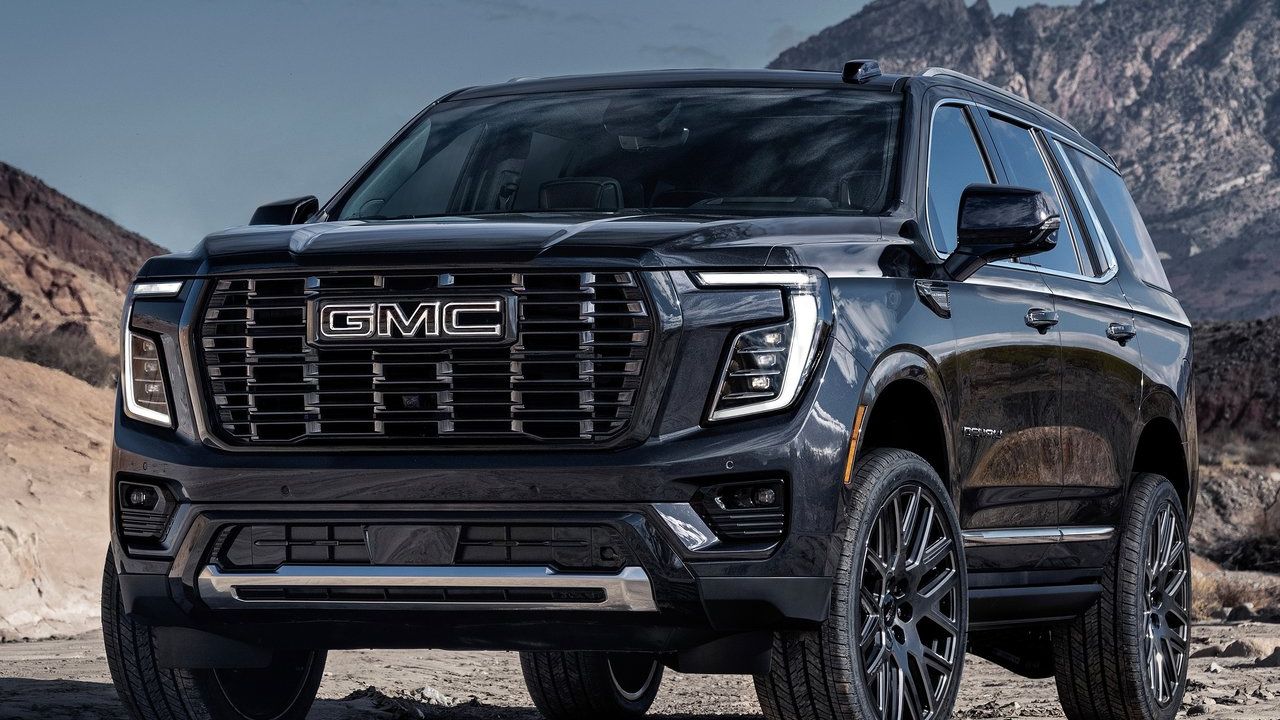
Artificial intelligence is reshaping the automotive industry in unexpected ways, and one of the biggest impacts may soon hit consumers’ wallets. General Motors now expects new vehicle prices to rise this year, citing growing costs for critical electronic components as demand for AI hardware surges worldwide.
The biggest pressure comes from DRAM memory chips, which are used in everything from infotainment systems and digital instrument clusters to advanced driver-assistance features. As technology companies race to build more powerful AI systems, competition for those same chips has intensified.
Speaking to Nikkei Asia, GM Chief Financial Officer Paul Jacobson said the automaker expects material input costs to increase by between $1.5 billion and $2 billion this year, excluding tariffs. The company also expects those cost pressures to become more severe during the second half of 2026.
While consumers may not immediately associate AI with higher vehicle prices, the rapid expansion of data centers and artificial intelligence infrastructure is reshaping global semiconductor supply chains, forcing automakers to compete for increasingly expensive components.
AI Is Consuming the World’s Memory Chips
Unlike processors that perform calculations, DRAM chips temporarily store data that computers, servers, and vehicles need to access quickly. Modern vehicles rely on large amounts of memory to support touchscreen infotainment, digital displays, connected services, and increasingly sophisticated driver-assistance systems.
According to Nikkei Asia, DRAM prices have increased roughly sixfold over the past year as AI demand has surged. Data centers building the infrastructure behind large language models and other AI services now consume more memory than any other industry.
Consulting firm AlixPartners estimates the automotive industry accounts for about 10 percent of global DRAM consumption today. AI already consumes roughly 32 percent of worldwide supply, and that share is projected to climb to nearly half of global production by 2028.
As chip manufacturers prioritize their highest-paying customers, industries including automotive are facing tighter supplies and significantly higher costs.
GM Is Already Adjusting Its Pricing Outlook

General Motors says those higher component costs are beginning to influence vehicle pricing. Jacobson told Nikkei Asia that GM now expects average North American vehicle prices to increase by approximately 0.3 percent this year. Earlier forecasts had suggested prices would remain flat or even decline slightly.
The company refers to the trend as “chipflation,” reflecting the growing impact semiconductor costs are having on manufacturing expenses. While a fraction of a percent may sound modest, it represents a meaningful shift for an automaker that sells millions of vehicles annually.
GM also expects supply constraints to worsen as inventory tightens next year, prompting manufacturers to secure components well in advance.
Automakers Are Locking In Chip Supplies
Rather than waiting for shortages to develop, several major automakers have begun signing long-term supply agreements with memory manufacturers.
GM and Ford have reportedly joined several major automotive suppliers, including Denso and Astemo, in securing future DRAM supplies through agreements with Micron. These contracts are designed to reduce the risk of production disruptions as competition for memory chips intensifies.
Modern vehicles require far more semiconductor content than they did just a decade ago. Electrification, advanced safety systems, high-resolution displays, and increasingly capable software all depend on reliable supplies of memory and processing hardware.
As those technologies continue expanding across entire vehicle lineups, manufacturers have become far more vulnerable to fluctuations in semiconductor pricing.
Chinese Automakers Are Feeling the Pressure Too
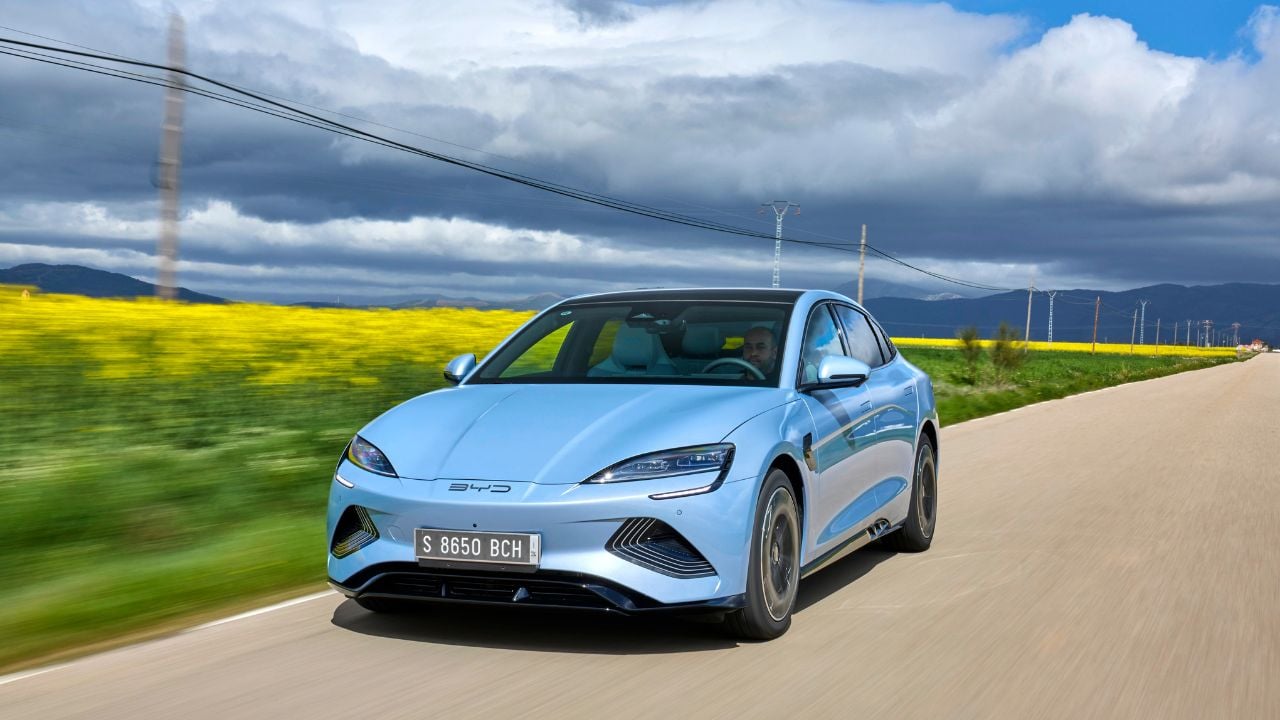
The impact isn’t limited to North American manufacturers. Chinese automakers producing highly connected electric vehicles often use significantly more memory than many conventional vehicles. According to industry estimates, memory costs in Chinese-built vehicles exceed $70 per vehicle, compared with roughly $30 for many Japanese models.
BYD recently increased prices for its optional driver-assistance systems by approximately 20 percent, directly citing rising global memory costs. As vehicles become increasingly software-driven, those kinds of price adjustments could become more common throughout the industry.
While tariffs, labor costs, and raw materials continue influencing vehicle prices, artificial intelligence has emerged as another unexpected factor. As AI infrastructure expands around the world, the same chips powering tomorrow’s data centers may also make tomorrow’s new cars more expensive.