
Social media has transformed the way people imagine the world, often turning famous landmarks into flawless, crowd-free fantasies. Perfect lighting, careful angles, and heavy editing have created expectations that rarely match reality. Many travelers arrive at iconic destinations only to discover congestion, construction, weather challenges, or surrounding urban chaos that never appears online. These places are still remarkable, but they often look very different from the curated versions seen on Instagram.
This contrast does not mean the landmarks are disappointing, but it does mean they are more complex, imperfect, and human than their digital reputations suggest. Real-world conditions reveal the full context, including crowds, noise, and unexpected surroundings. Understanding this gap can help travelers appreciate destinations for what they truly are rather than what they appear to be online. These famous landmarks prove that reality is often far less polished than social media suggests.
The Eiffel Tower, Paris

On Instagram, the Eiffel Tower often appears isolated, romantic, and serenely framed against pastel skies. In reality, the area surrounding it is almost always packed with tourists, vendors, traffic, and long security lines. Finding a quiet moment or an empty photo angle requires patience, timing, and a fair amount of luck. The tower remains stunning, but the experience is far more hectic than images suggest.
Crowds gather from early morning until late at night, especially during peak seasons and weekends. Security checkpoints slow access, and nearby streets are filled with tour groups and street sellers competing for attention. The peaceful Parisian atmosphere portrayed online rarely exists at ground level. The monument’s beauty is undeniable, but it comes with constant movement and noise.
Despite this, the Eiffel Tower retains its cultural and emotional impact. Seeing it in person still delivers a sense of scale and history that photos cannot replicate. The key difference is understanding that the magic coexists with chaos. Instagram shows the fantasy, while reality delivers the full experience.
Santorini’s Blue Domes, Greece
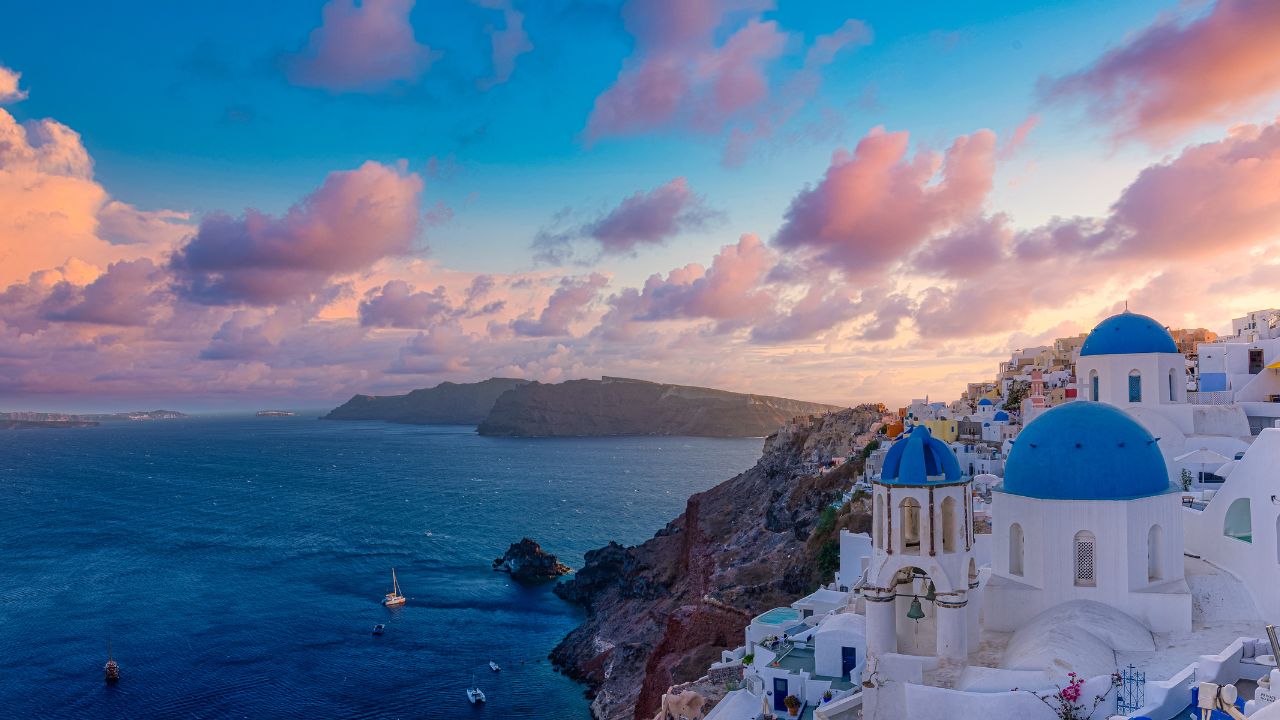
Santorini’s blue domes appear online as tranquil, sun-drenched symbols of Mediterranean perfection. In reality, the viewpoints where these photos are taken are often tightly packed with visitors competing for the same angles. Narrow streets become congested, especially during cruise ship arrivals. The calm, empty scenes seen online are usually captured at sunrise or carefully edited.
The villages of Oia and Fira experience heavy foot traffic throughout most of the day. Restaurants, stairways, and overlooks are frequently crowded, making slow exploration difficult. The heat, wind, and steep paths add physical strain rarely shown online. What looks effortless on social media often requires strategic planning and endurance.
Still, Santorini’s beauty remains genuine despite the crowds. The whitewashed buildings and volcanic cliffs are breathtaking in person. The difference lies in atmosphere, not scenery. Instagram removes the effort, while reality reminds visitors they are not alone.
Machu Picchu, Peru

Machu Picchu often appears online as a misty, untouched wonder perched alone among the mountains. In reality, access is tightly regulated, timed, and structured around large visitor flows. Tour groups arrive in waves, and popular viewpoints fill quickly. The sense of solitude shown online is rarely experienced during normal visiting hours.
Weather conditions frequently change, affecting visibility and atmosphere. Fog, rain, and humidity are common, yet rarely depicted on social media. Strict pathways limit where visitors can walk, reducing the sense of exploration. The experience is more controlled and organized than the free-roaming images suggest.
Even so, Machu Picchu’s historical and spiritual presence is undeniable. Seeing it in person provides perspective that photos cannot convey. The difference lies in expectation. Instagram presents isolation, while reality delivers shared awe.
Venice Canals, Italy

Venice’s canals appear online as peaceful waterways lined with quiet buildings and gently drifting gondolas. In reality, the city is often extremely crowded, especially during peak travel seasons. Narrow streets fill quickly, and canals are busy with water taxis, deliveries, and tour boats. The calm atmosphere portrayed online is fleeting at best.
Flooding, strong smells, and logistical challenges are part of daily life in Venice. Many popular viewpoints are surrounded by crowds waiting for the same photograph. The city’s beauty exists alongside constant movement and tourism pressure. Instagram isolates moments that are rarely sustained.
Still, Venice remains one of the world’s most visually striking cities. Its architecture and layout are truly unique. The difference lies in rhythm. Social media slows Venice down, while reality moves it forward relentlessly.
The Taj Mahal, India

The Taj Mahal is often shown online as a serene, glowing monument standing alone in perfect symmetry. In reality, security procedures, crowds, and time limits shape the visit. Long lines form early in the morning, and popular photo spots fill quickly. The experience is structured and regulated.
Pollution and haze sometimes affect visibility, altering the pristine look seen online. Surrounding areas are busy, noisy, and very much alive. The contrast between the monument’s calm beauty and its surroundings is striking. Instagram removes the context entirely.
Despite this, the Taj Mahal’s emotional impact remains powerful. Its craftsmanship and symbolism are even more impressive in person. Reality adds complexity, not disappointment. Instagram simply edits it out.
Dubai’s Burj Khalifa

On Instagram, the Burj Khalifa rises elegantly from a spotless, futuristic skyline. In reality, the surrounding area is crowded with malls, traffic, and constant construction. Accessing viewpoints often involves long waits and expensive tickets. The experience is far more commercial than photos suggest.
The heat and scale of Dubai can be physically overwhelming. Tourist zones are busy from morning until night. Photos rarely show the crowds lining up for elevators or observation decks. What looks sleek online feels massive and bustling in person.
Nevertheless, the Burj Khalifa remains an engineering marvel. Seeing it firsthand emphasizes its sheer scale. Instagram highlights the structure, while reality reveals the system built around it.
Bali’s Swing Attractions, Indonesia
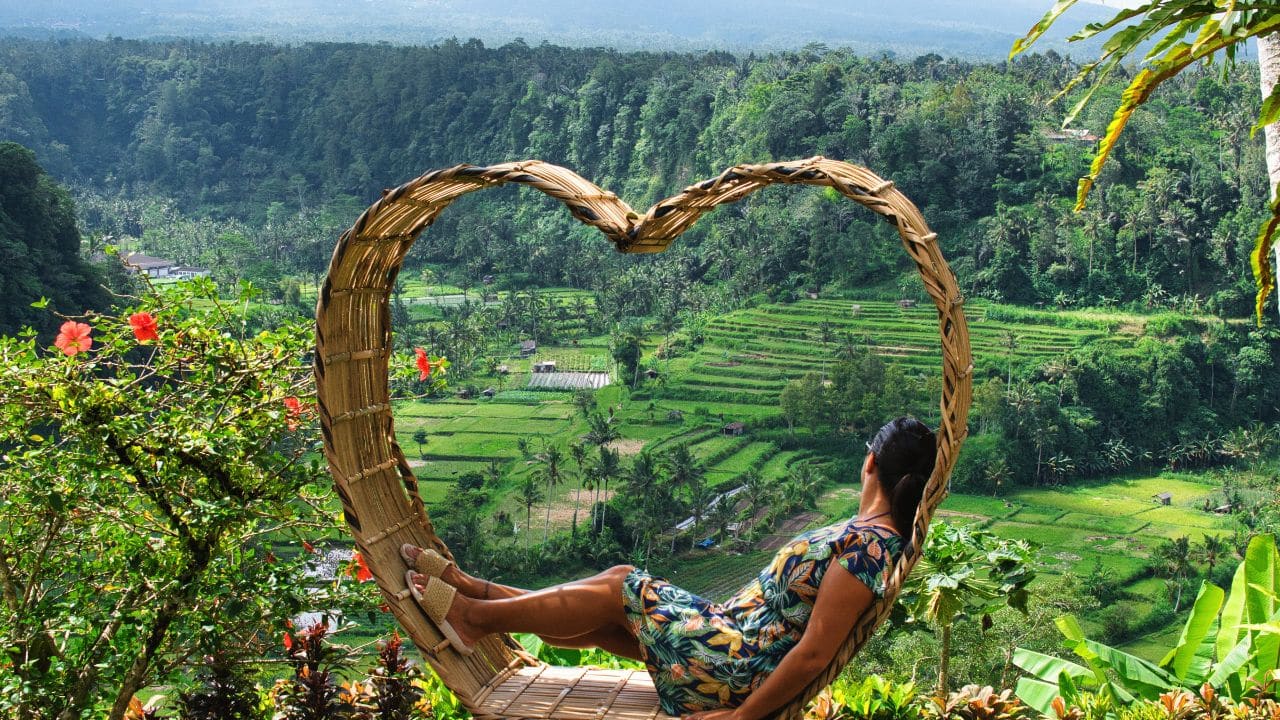
Instagram shows Bali’s famous swings floating above lush jungles in complete solitude. In reality, these swings are part of commercial attractions with queues, staff, and photo packages. Visitors often wait long periods for a short turn. The natural setting is carefully staged.
Multiple swings are usually lined up close together, with crowds just outside the frame. Safety harnesses, platforms, and photographers are rarely shown online. The experience is brief and highly organized. What looks spontaneous is actually scheduled.
Despite this, the scenery around these attractions is genuinely beautiful. The disconnect lies in presentation, not location. Instagram sells the illusion of isolation. Reality delivers a managed experience.
Times Square, New York City

On Instagram, Times Square often appears vibrant, cinematic, and full of electric energy without the chaos. In real life, it is loud, crowded, and overwhelming, especially during peak hours. Pedestrian traffic moves slowly, street performers compete for space, and sensory overload is constant. The glamorous glow quickly gives way to fatigue.
Photographs rarely capture the density of people or the aggressive pace of the area. What looks exciting online can feel stressful and disorienting in person. Locals actively avoid the area, while visitors often stay far longer than necessary chasing the perfect shot. The experience is less about wonder and more about endurance.
Times Square does have its moments, particularly late at night or early in the morning. At quieter hours, the lights and scale feel more impressive and manageable. Understanding when to visit makes a significant difference. Without that awareness, the Instagram version sets unrealistic expectations.
The Great Wall of China
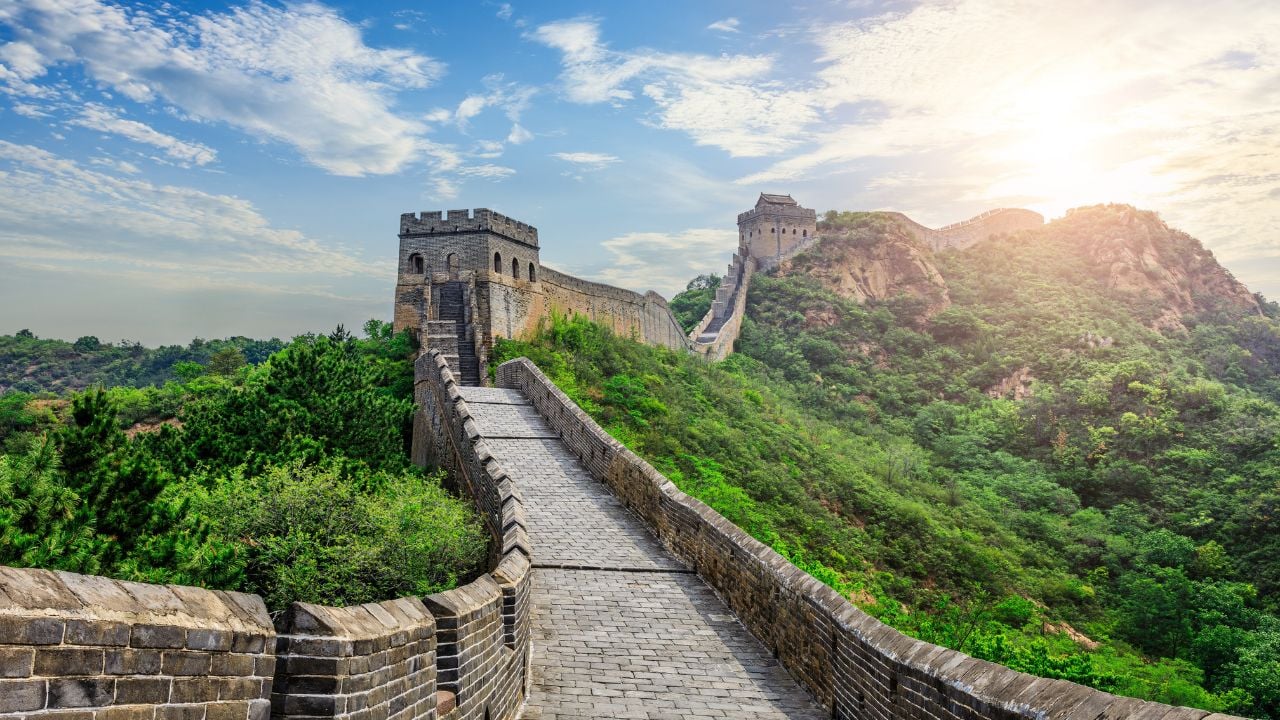
The Great Wall is often shown as an empty ribbon of stone stretching endlessly across green mountains. In reality, the most accessible sections near Beijing are crowded with tourists, vendors, and cable cars. Handrails, staircases, and restored walkways dominate popular areas. The wild, untouched version online represents only a fraction of the wall.
At peak times, moving along the wall can feel like navigating a busy city sidewalk. Photography angles intentionally exclude crowds, creating a misleading sense of isolation. Noise, signage, and infrastructure are part of the experience. The grandeur is real, but the solitude is not.
Less restored sections do offer a quieter and more dramatic experience, but they require extra planning and physical effort. Travelers willing to venture farther are rewarded with views closer to the Instagram ideal. For most visitors, however, the experience is far more social and structured. Knowing this helps align expectations with reality.
Stonehenge, England

Stonehenge is frequently portrayed as an isolated, mystical monument standing alone in a vast field. In reality, it sits near busy roads and is surrounded by barriers that keep visitors at a distance. Access is tightly controlled, and most people experience it from a designated path. The sense of ancient mystery is harder to feel.
Photos rarely show nearby highways or the crowds gathered around viewing points. What looks like a personal encounter with history is often a brief stop among many others. The monument itself is impressive, but the setting feels managed and modern. This disconnect surprises many visitors.
That said, Stonehenge still holds immense historical significance. Learning its story adds depth beyond visual impact. Visitors who focus on context rather than atmosphere tend to appreciate it more. The Instagram image simplifies an experience that is far more regulated.
Mount Fuji, Japan
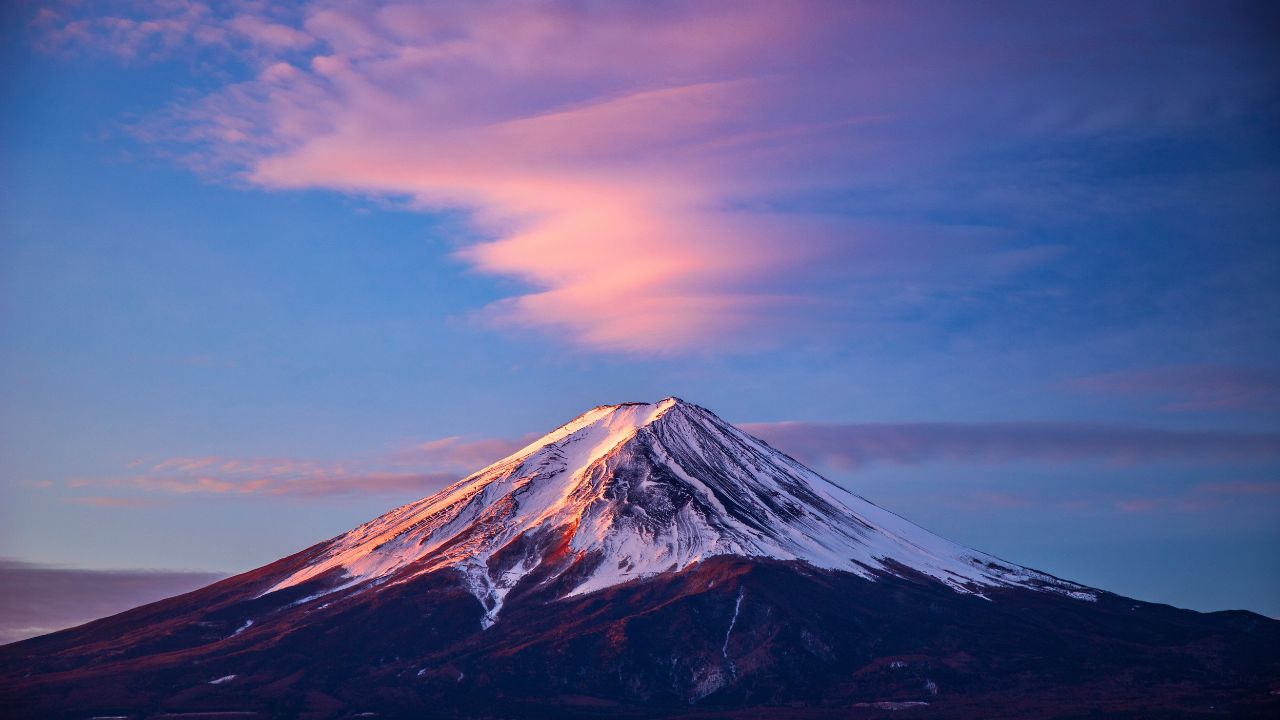
Mount Fuji is often shown as a solitary, snow-capped peak rising above tranquil landscapes. In reality, visibility is unpredictable, and crowds gather heavily during climbing season. Popular viewpoints are often busy, and weather conditions frequently obscure the mountain entirely. The perfect image is not guaranteed.
Climbing routes can become congested, especially during peak months. What looks like a spiritual journey online often feels logistical and physically demanding. Facilities, signage, and crowds shape the experience. The mountain is iconic, but not always serene.
That said, Fuji remains deeply symbolic and culturally significant. Seeing it clearly is still a memorable moment. Timing, season, and patience play major roles. The Instagram version captures possibility, not consistency.
Hollywood Sign, Los Angeles
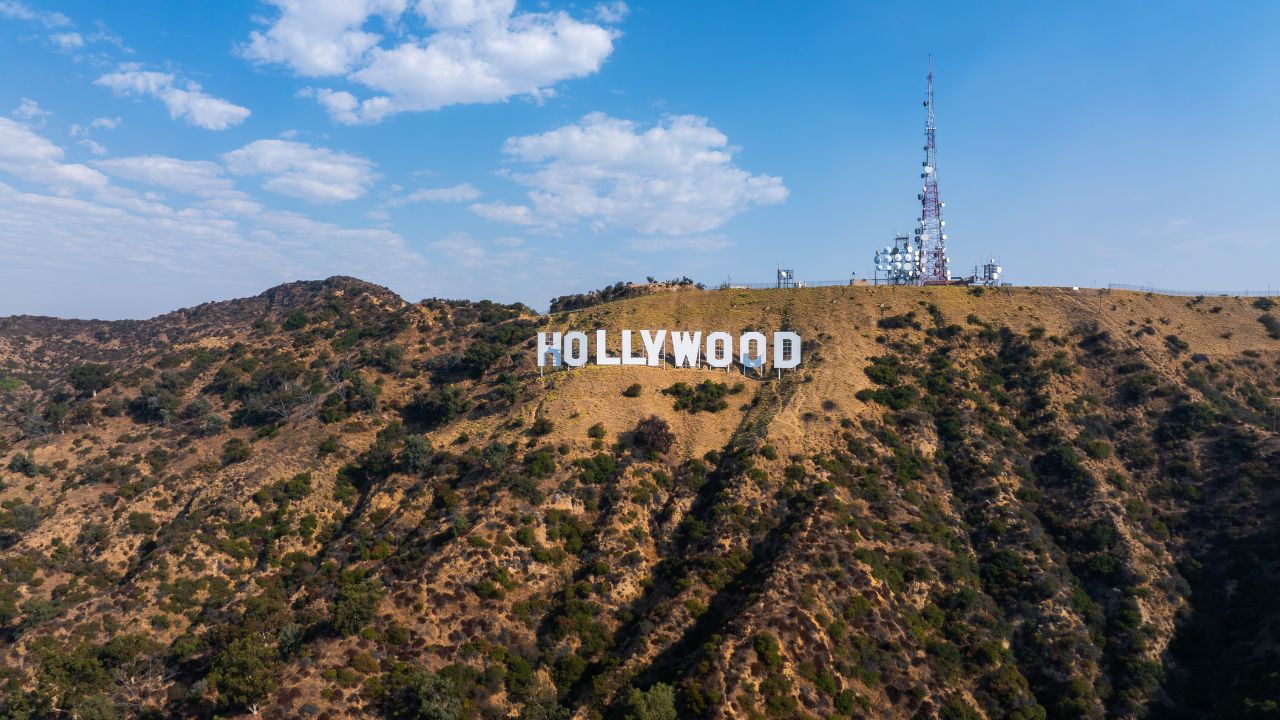
The Hollywood Sign is often depicted as an up-close, glamorous symbol of fame and success. In reality, access is restricted, and most views are distant. Hiking trails offer closer perspectives, but crowds and heat are common challenges. The sign itself is less accessible than many expect.
Photos online often hide fences, security warnings, and limited vantage points. What looks effortless requires planning and effort. The surrounding neighborhoods feel residential rather than cinematic. The illusion fades quickly without context.
Still, the Hollywood Sign remains a powerful cultural icon. Seeing it in person adds meaning beyond photographs. Visitors who treat it as a symbol rather than a destination enjoy it more. The reality differs, but the significance endures.