
First trips abroad usually go best when the basics feel easy: transportation that makes sense, plenty of lodging choices, and daily routines you can pick up quickly. For this list, I leaned on beginner-friendly travel guidance and then added the kind of entry-rule notes people tend to miss when planning a 2026 itinerary.
One logistics heads-up before you get attached to a route: the UK’s Electronic Travel Authorisation (ETA) applies to many visa-free visitors, including U.S. travelers, and the Home Office says full enforcement starts on 25 February 2026. For much of Europe, the European Union’s official ETIAS site notes that ETIAS is expected to start operating in the last quarter of 2026, so if your trip is late-year, it’s worth keeping an eye on updates.
1. Ireland

English removes a huge layer of stress on a first overseas run, from ordering lunch to asking for directions when you miss a turn. Ireland also packs a lot into a small footprint, so you can mix a city stay with coast and countryside without marathon travel days. Many first-timers like how quickly the place feels familiar, even when everything still looks wonderfully “postcard.”
If you’re thinking about a rental car, remember that driving is on the left and roundabouts can take a beat to get used to. Dublin is very doable without a car, and the national tourism board’s driving guide is a handy refresher if you plan to head into rural areas. A slow first day—short loop, early dinner, early sleep—usually makes everything else smoother.
2. Canada

For Americans, Canada often feels like “international training wheels” in the best way: familiar products, similar customs, and short flight times from many U.S. cities. That comfort lets beginners focus on the rhythm of border entry, phone setup, and hotel check-ins without constant friction. It’s also enormous, so you can choose city energy, mountain scenery, or coastal calm and still feel like you got a full trip.
The main adjustments are practical ones—metric signage, bilingual labels in some regions, and weather that can swing quickly. If you want the most reliable entry info, start your planning with the Government of Canada’s entering Canada guidance, which explains what’s expected at the border and what you should have ready. For a first trip, one region done well (say, Vancouver + Whistler or Toronto + Niagara + a day in wine country) usually beats trying to “collect” the whole map.
3. United Kingdom

The UK sits high on beginner lists for a simple reason: the language barrier is basically gone for Americans, and visitor services are geared toward heavy tourism. Trains make multi-stop plans realistic without renting a car, especially in England and Scotland, and cities are easy to structure into short, non-overwhelming days with museums, neighborhoods, and parks.
Just don’t miss the paperwork shift. The Home Office’s ETA factsheet explains who needs authorization, and the UK government has been clear that carriers can refuse boarding after 25 February 2026 if you don’t have it when required. If you’d rather avoid driving stress (especially with left-side roundabouts), a rail-first plan built around National Rail and city transit is a calm, first-timer-friendly approach.
4. France

France is beginner-friendly because it’s intensely visitor-ready: fast trains, deep hotel inventory, and major sights that are straightforward to reach. Paris alone can carry an entire first international trip, and if you want a slower pace, cities like Bordeaux, Lyon, or Strasbourg offer a lot of culture without the same intensity.
A small etiquette tip goes a long way here: opening with a greeting (“Bonjour”) before asking a question changes the whole tone of an interaction. For smooth logistics, it helps to glance at SNCF train planning early, and for big-ticket museums, booking through an official page like the Louvre ticket site can save you from long lines. Leave breathing room for wandering—France rewards unplanned moments.
5. Spain

Spain is a classic first-Europe pick: transportation is strong, cities are walkable, and you can shape the trip around beaches, food, art, or architecture without doing complicated logistics. Many Americans are surprised by later meal times and how nightlife stretches into the evening, but once you lean into that rhythm, it’s part of the fun.
To move between cities without stress, building your plan around Renfe’s rail network works well. In busy tourist zones, petty theft can happen, so in crowded areas, especially near major transit stops, keeping your phone secured and bags zipped is the easy win. If you want a smooth first trip, two bases (for example, Barcelona + Valencia or Madrid + Seville) usually beat changing hotels every night.
6. Portugal
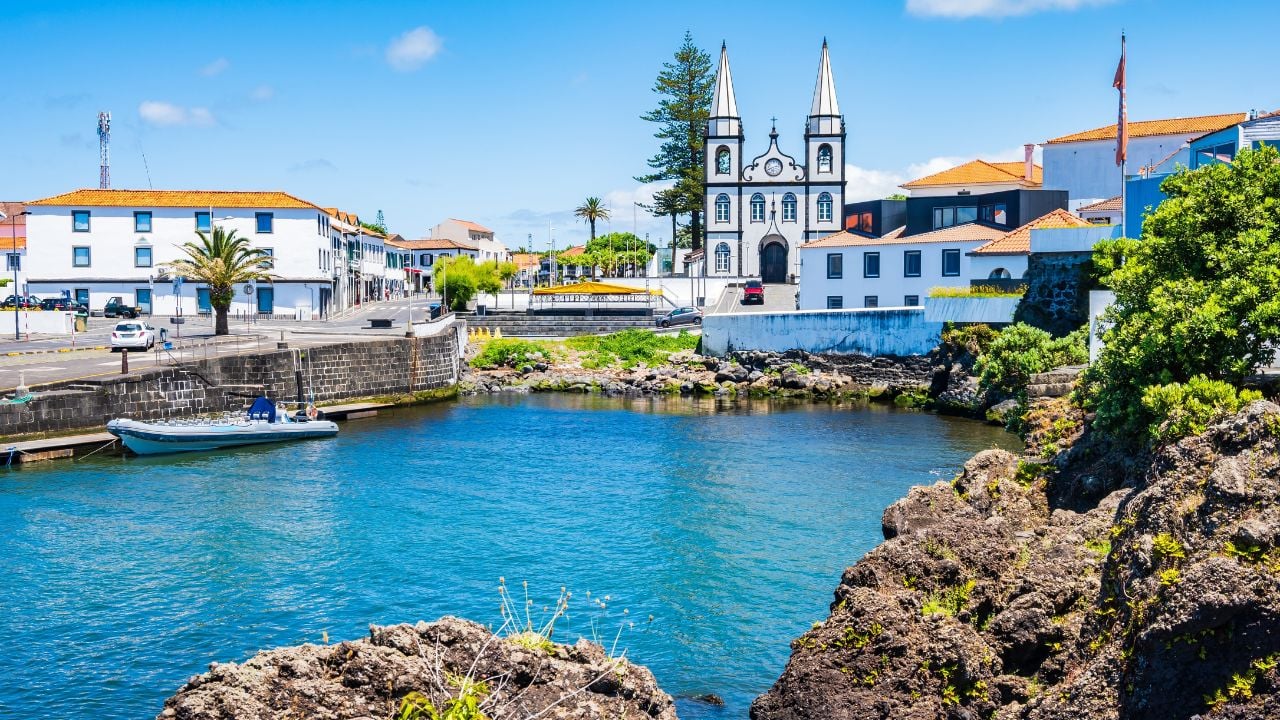
Portugal works well for beginners who want Europe with a calmer learning curve: compact geography, strong tourist infrastructure, and cities you can navigate on foot with short transit hops. First-time visitors often do well with a 7 to 10-day plan that links Lisbon and Porto, then adds a coast or a wine region based on taste.
Hills and cobblestones are real, so comfortable shoes matter more than fashion bravery. For planning, the official Visit Portugal site is a useful overview, and if you’re taking trains, checking schedules through Comboios de Portugal (CP) can help you avoid last-minute surprises in peak season. When the itinerary starts to feel packed, cutting one stop often instantly improves the trip.
7. New Zealand

New Zealand shows up on “starter destination” lists because it’s organized, outdoorsy, and easy to road-trip once you land. Cities like Auckland offer a soft landing, while nearby nature delivers the kind of “I can’t believe this is real” moments that make a first passport stamp memorable. The main challenge is distance; flights are long from the U.S., so it rewards travelers who can stay a bit longer.
Driving is on the left, and rural roads can be narrow, so shorter daily routes tend to feel better than ambitious ones. At the border, New Zealand takes biosecurity seriously; the Ministry for Primary Industries explains how to declare items when arriving, and the broader government guide on what you can and can’t bring is worth a skim before you pack snacks or hiking gear. A two-island itinerary is tempting, but many first-timers have a better time choosing one island and doing it deeply.