
Honda didn’t just dip its toes into the auto industry; it cannonballed in with confidence. From the 1960s onward, the company began rolling out small, nimble sports cars that felt like they belonged on the winding roads of Europe. But beneath the surface, they were something different: lightweight, rev-happy, and engineered with the obsessive precision that would come to define Honda’s DNA.
Since then, Honda has built a reputation for reliability, but enthusiasts know there’s more to the story. This is the carmaker that gave us redlines past 8,000 rpm, featherweight handling, and engines that made you fall in love with driving all over again. Whether through high-tech innovation or pure analog joy, Honda has never stopped building cars that connect you to the road, and to your inner kid who once dreamt of a go-kart with license plates.
Why We Picked These Hondas

This list focuses on production cars that highlight Honda’s dedication to building fun-to-drive vehicles. We looked at models that stood out due to their performance, engineering, chassis dynamics, or overall driving feel, not necessarily just horsepower or lap times.
Only models that were developed and sold primarily by Honda/Acura (not rebadged Isuzus or badge-engineered curiosities) were considered. The goal was to reflect Honda’s unique approach to building cars that connect with the driver, whether they were designed for the track, the backroads, or daily life with a twist of VTEC.
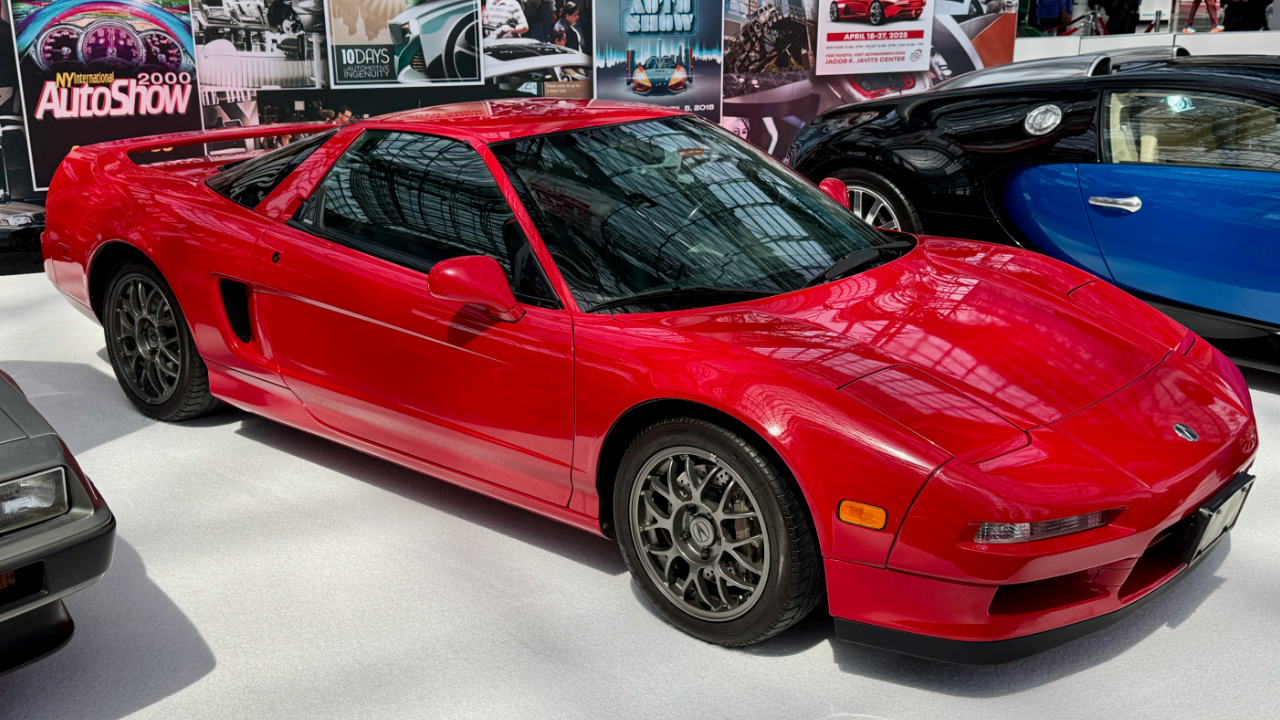
NA1 / NA2 NSX
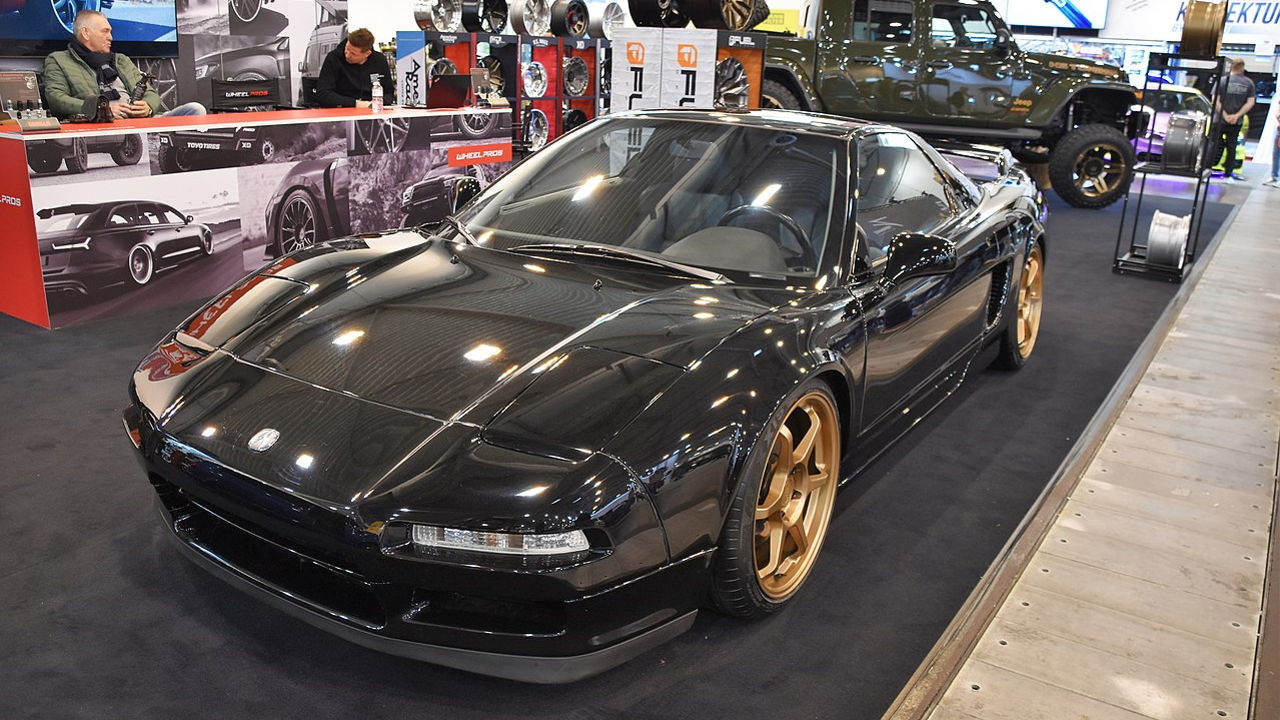
Honda’s first attempt at making a supercar blew the competition out of the water. Up until now, supercars had been finicky and challenging to drive, but the NSX was as easy to maintain and drive as a regular Accord sedan.
Behind the driver, there was a powerful V6 engine, and Formula 1 legend Ayrton Senna helped develop the chassis. Even today, the original NSX is considered one of the best driver’s cars money can buy.
NC1 NSX
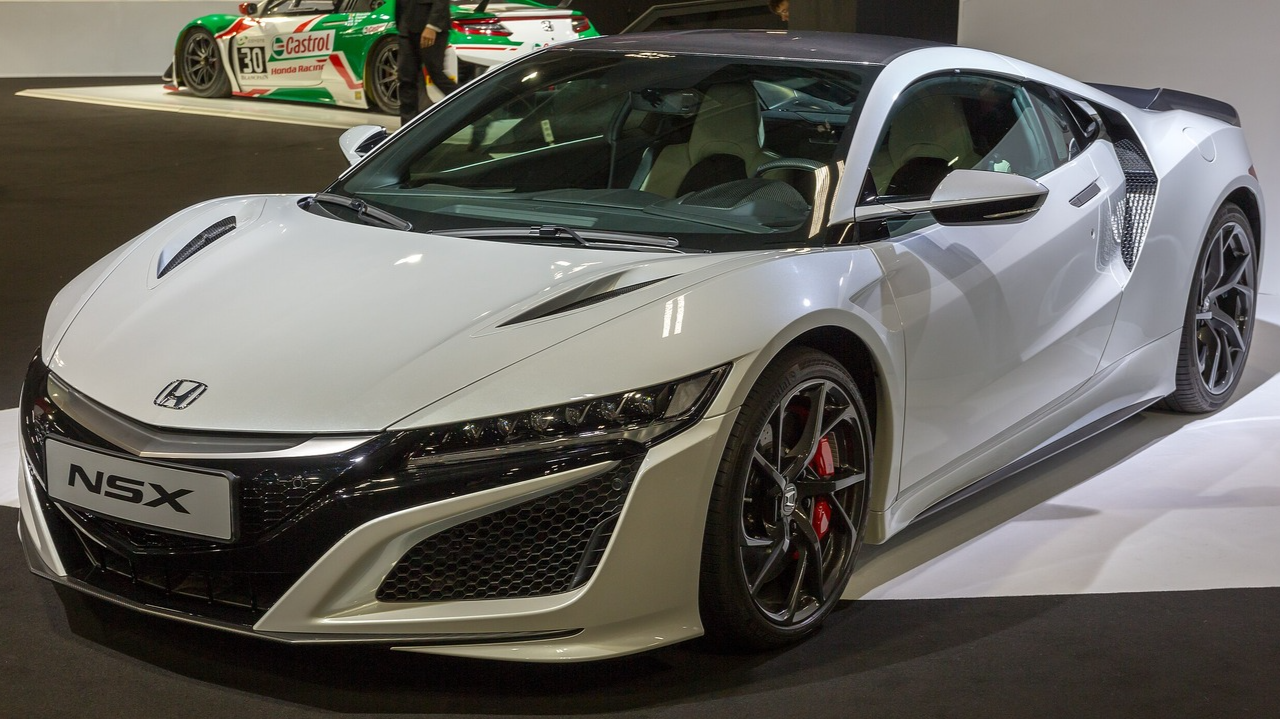
The first-gen NSX was a tough act to follow, but Honda knocked it out of the park with the stunning second-gen model. Like its predecessor, it was sold under the Acura brand in North America, and once again, the NSX was a groundbreaking supercar.
Neither of the NSX generations received the attention they deserved, but the NC1, in particular, was very underrated and controversial. Many enthusiasts didn’t like that it was a hybrid, but fast-forward to today, and most supercar manufacturers have followed in Honda’s footsteps.
S2000

Honda shocked the automotive world when it unveiled the S2000! An affordable open-top sports car with the highest specific power output for a naturally aspirated engine was a dream come true for many enthusiasts.
Early models had a 2.0-liter engine that needed to be revved all the way to the redline, but Honda addressed some of its shortcomings by increasing the volume to 2.2 liters in later models. S2000 prices have skyrocketed in recent years, so finding a good one for sensible money is nigh-on impossible.
DC2 Integra Type R
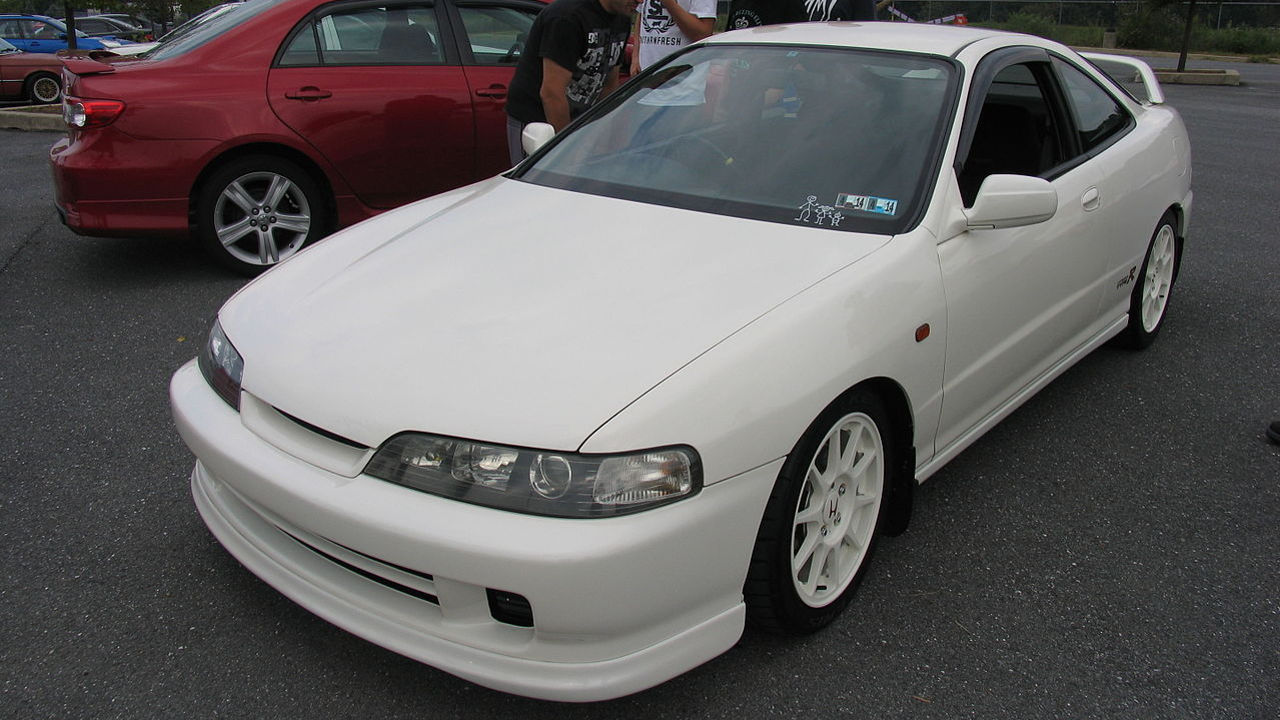
Few, if any carmakers, can match Honda when it comes to making fun FWD cars, and the DC2 Integra Type R is the king of FWD sports cars. Honda clearly had a team of wizards working in the chassis department back in the ‘90s because the ITR is still one of the best-handling FWD cars ever made.
With a naturally aspirated 1.8-liter B-series engine under the hood, the ITR only had 187 horsepower, but once the VTEC kicked in, you’d giggle with child-like joy.
EK9 Civic Type R

In 1997, Honda decided to take its hot-hatch game to the next level with the excellent EK9 Civic Type R. Unfortunately, it was JDM-only. The CTR was based on the Civic SiR three-door but lightened, stiffened, and upgraded.
Under the hood, there was a 182-horsepower 1.6-liter B16 engine—almost double the power of the base-model Civic. There aren’t many pristine cars left today, and although the CTR can now be imported to the States, you’ll need deep pockets to get your hands on one.
CH1 Accord Type R
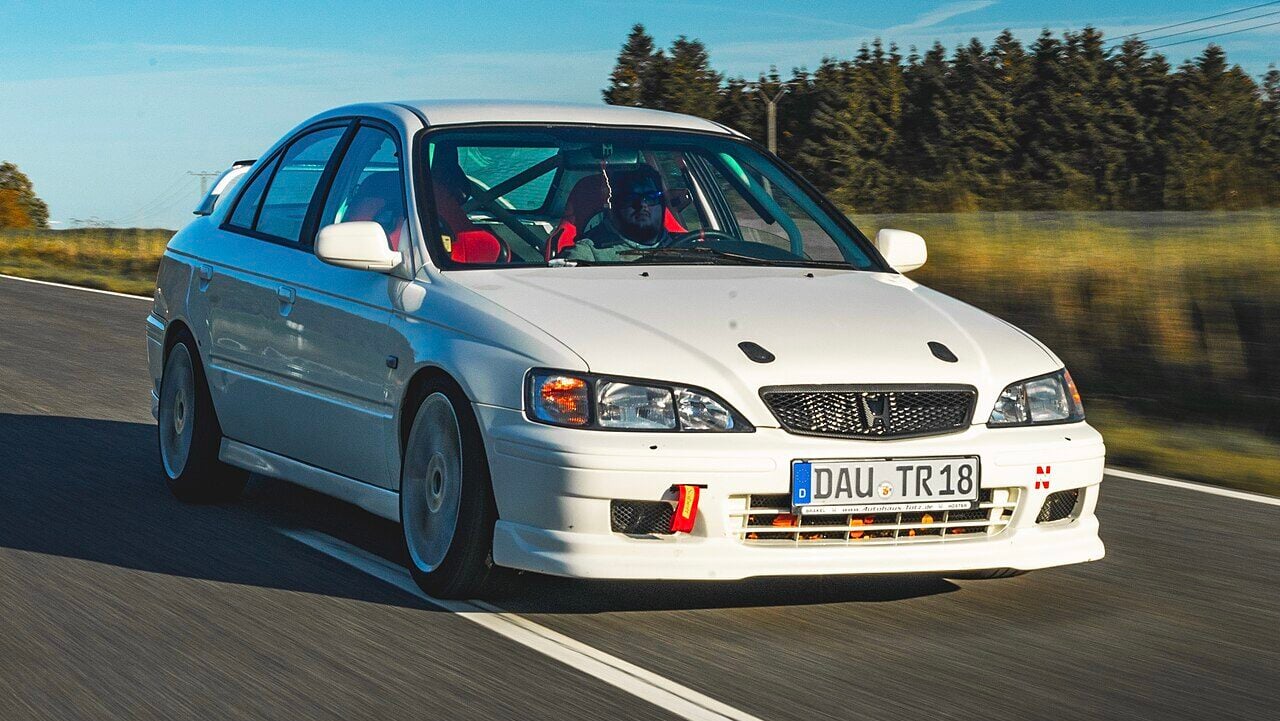
The Honda Accord Type R was only made for a single generation from 1998 to 2002. Strangely, it’s still possible to find them for somewhat sensible money, at least compared to the Integra and Ek9 Civic Type R.
It was powered by a naturally aspirated 2.2-liter engine, and with almost 210 horsepower, it would reach 60 mph in 7.2 seconds and had a 142 mph top speed.
S800

The first passenger car Honda made was the tiny S500 sports car which debuted at the 1962 Tokyo Motor Show. S500 was a reference to the engine displacement of 513cc, and the car proved so popular that Honda went on to make the S600 and S800.
Unlike its predecessors, the Honda S800 was sold globally. The engine size had now grown to 791cc, and it produced roughly 70 horsepower. Weighing just 1,700 lbs and with an 8,500 rpm redline, the S800 was still tons of fun to drive.
S660

In 2015, Honda launched a modern-day version of its small S-series sports car. The S660 was JDM-only, and, being a kei car, it was limited to a 660cc engine with 63 horsepower.
On paper, it doesn’t seem like much fun, but there’s more to the S660 than just engine specs. By the time it was discontinued in 2022, Honda had sold over 30,000 S660s, and chances are it’ll be as iconic as its predecessor, the Honda Beat.
CR-X

As AutoEvolution states, the lightweight Honda CRX was never the fastest or most powerful car in its class, but it was always one of the most fun to drive. It was based on the humble Civic but looked much more aggressive and sporty.
With the B16 engine that was in JDM CR-X SiR (EF8), churned out a very impressive 160 horsepower, and with a curb weight of around 2,000 lbs, the driving experience was best described as thrilling. Unfortunately, it’s becoming hard to find a Honda CR-X in good condition today, especially if you don’t have a small fortune to spend.
FL5 Civic Type R

With a 315-horsepower turbocharged 2.0-liter engine, Honda’s latest Civic Type R continues where its predecessor left off. It even features a six-speed manual transmission, and that alone is worth its weight in gold these days.
The FL5 CTR combines sports car performance with everyday usability, making it the perfect choice for those who need a sensible car but want to have some fun on the track or their favorite twisty road during the weekend.
Prelude
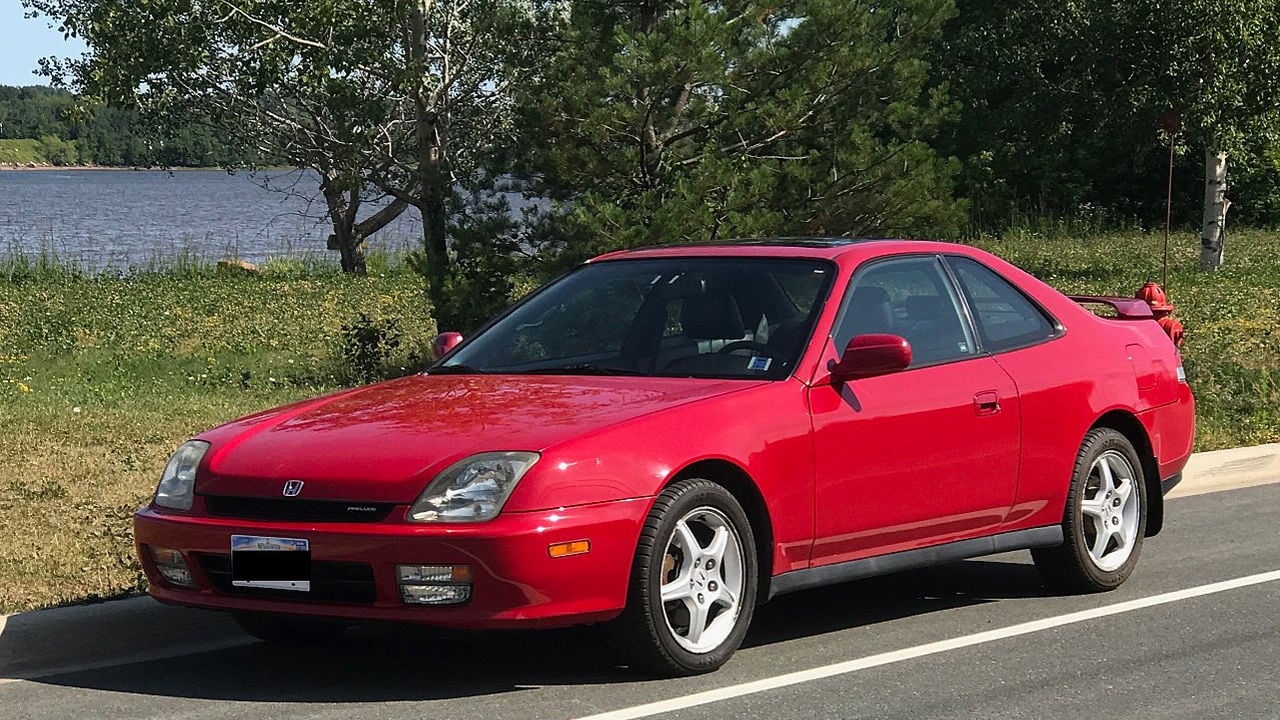
As MotorTrend points out, for some reason, the Honda Prelude is still somewhat overlooked, but that’s actually good news, as it’s still possible to find one that doesn’t cost an arm and a leg.
The Prelude Type S is another awesome model that was only available on the Japanese market, and while it’s not as cheap as the lesser models, it’s at least eligible for import. Being a flagship model, the Prelude packs tons of tech, and with the 2.2-liter engine, it would launch to 60 mph in just 6.4 seconds.
EG2 CRX Del Sol SiR

There’s no denying the fact that the Del Sol has some annoying flaws, the biggest one being its targa-style roof that’s guaranteed to leak. However, all things considered, it’s a very fun sports car that’s earned a spot on this list. According to MotorTrend, it’s one of the most underrated Hondas on the used market.
The North American market received the Si version, which was still fun, if a bit underpowered. In Japan, however, Honda marketed the full-fat SiR with the 160-horsepower B16 engine.
FD2 Civic Type R
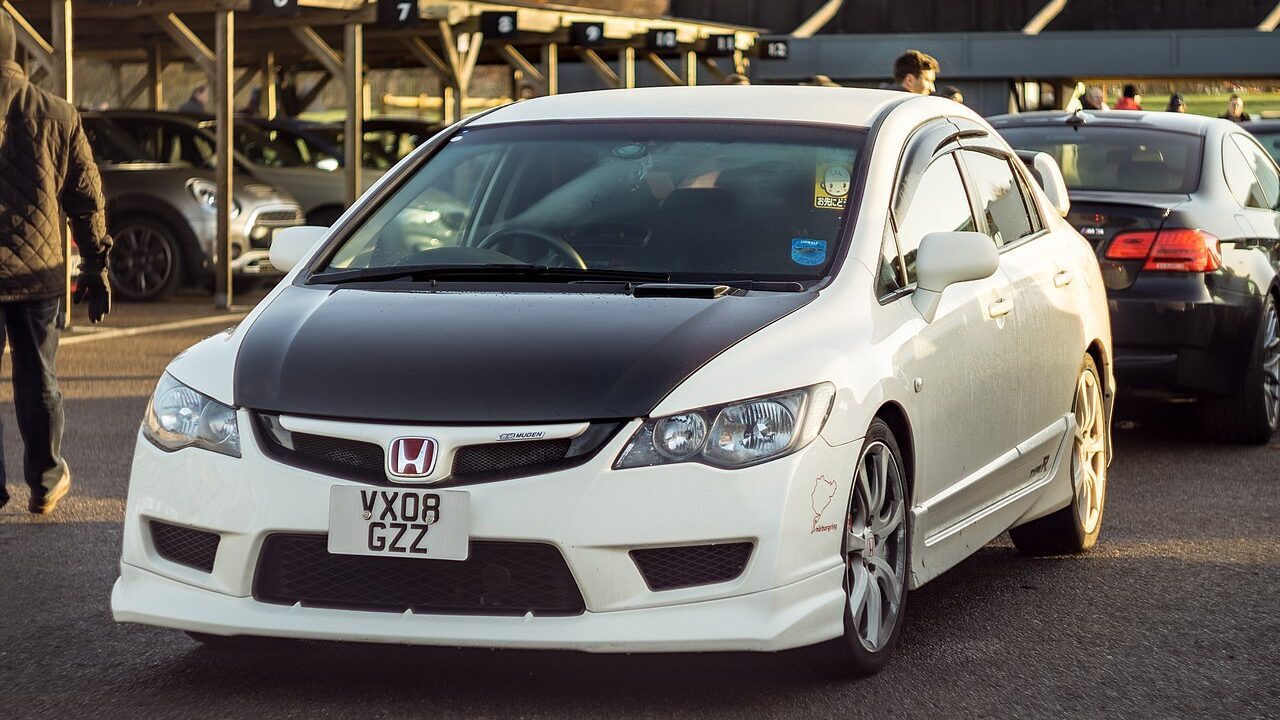
The FD2 was the Japanese version of the Type R based on the eighth-generation Civic. It was the first Civic Type R based on the sedan rather than the hatchback and the last version to feature a naturally aspirated engine.
Its legendary K20 engine produced 225 horsepower, but it could easily be tweaked to produce a lot more than that. During tests, it consistently outperformed other high-performance Hondas, such as the DC5 Integra Type R, on Japan’s racetracks.
Honda Beat

The Honda Beat might be tiny, but it packs a big personality. As reported by AutoEvolution, this mid-engined kei car was only available in Japan, but its charming design and lively character have made it a cult favorite. The 656cc three-cylinder engine revs to 9,000 rpm and produces just 63 horsepower, but the Beat weighs under 1,700 lbs and delivers go-kart levels of agility.
You won’t win any drag races, but you’ll be grinning ear to ear on every twisty road. Thanks to its quirky appeal and growing collector interest, the Beat has become one of the most loved kei sports cars ever.
Honda Fit Sport (GE8)
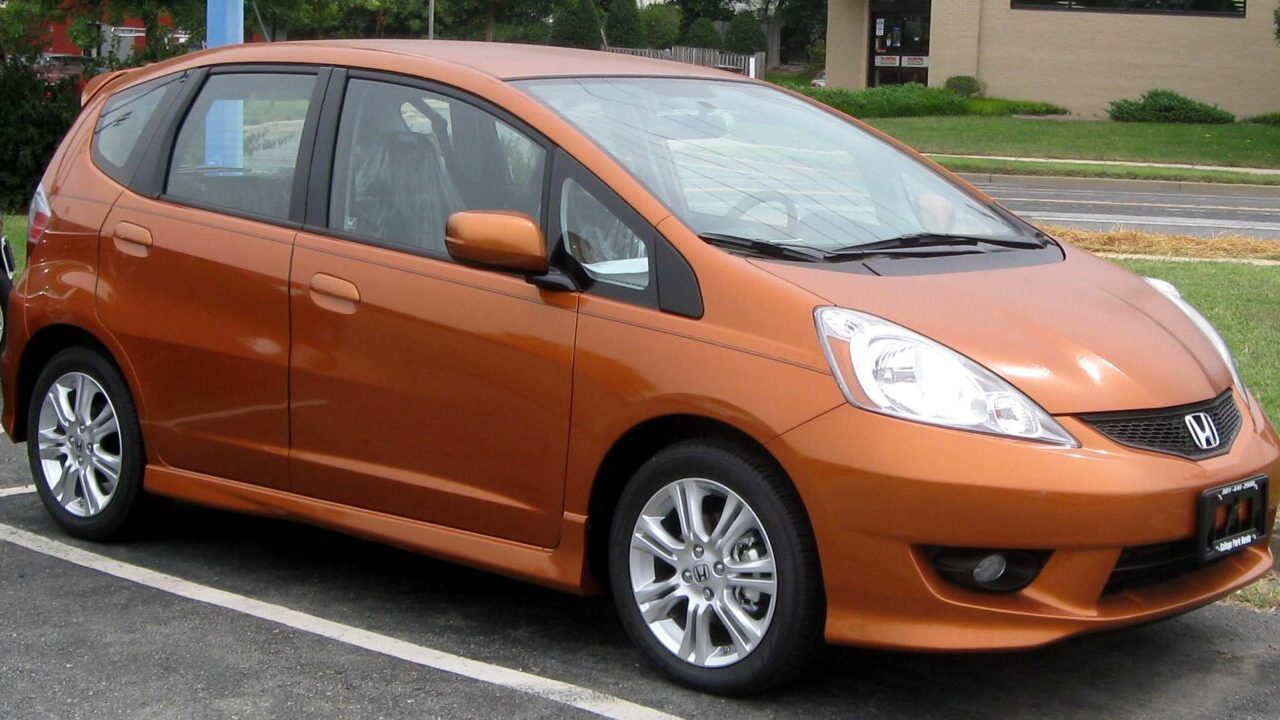
It may look like a sensible subcompact, but the second-gen Honda Fit Sport is a riot to drive, according to Edmunds. The Fit’s tall roof and hatchback practicality mask a chassis that’s incredibly nimble and communicative. It came with a rev-happy 1.5-liter engine mated to a slick five-speed manual, and although it only made 117 horsepower, it felt quicker than the numbers suggest.
Add in great visibility, featherweight steering, and go-kart-like handling, and you’ve got one of the most underrated fun Hondas on the market. Think of it as the Civic Si’s nerdy but hyper little cousin.
Honda City Turbo II
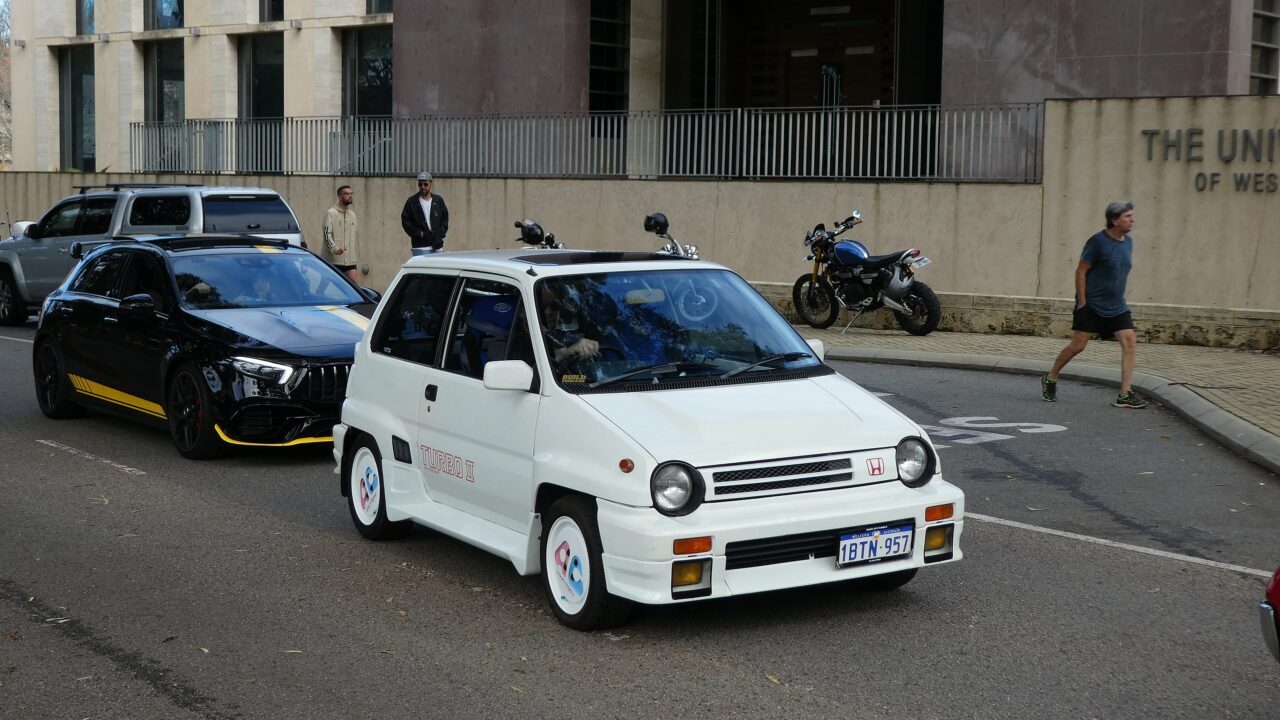
Before hot hatches were mainstream, Honda dropped this turbocharged lunatic into the Japanese market. According to Japanese Nostalgic Car, the City Turbo II took the adorable City hatchback and gave it a mean streak, complete with a 1.2-liter turbocharged engine pushing out up to 110 horsepower. That doesn’t sound like much until you realize it weighs under 1,700 lbs.
Honda even designed a folding Motocompo scooter to fit in the trunk! With flared arches, a wide stance, and that unmistakable ’80s charm, the City Turbo II was a true oddball. Today, it’s a sought-after JDM curiosity for collectors and enthusiasts alike.
Honda = Reliable and Fun
Honda’s reputation for building reliable cars is well-earned, but the brand’s ability to build fun cars is often underrated. Whether it’s a mid-engine kei car, a high-revving coupe, or a track-ready sedan, Honda has always infused its best models with clever engineering and a sense of playfulness.
While not every car on this list was a commercial hit, each one represents Honda at its most inspired, proving that performance and practicality don’t have to be mutually exclusive. Long live VTEC, redlines over 8,000 rpm, and the joy of a perfectly balanced chassis.