
Electric vehicles (EVs) are having a moment, and it’s not just about their sleek designs or zero-emission appeal. What’s powering this shift behind the scenes is something most folks rarely see: the cooling plates that keep EV batteries from overheating.
These battery liquid cooling plates may not be flashy, but they’re vital to how long and how well your EV runs. And the market for them is growing fast, projected to jump from $926 million in 2024 to a whopping $5.67 billion by 2031, according to a study by Valuates Reports.
Why Cooling Plates Matter for EVs
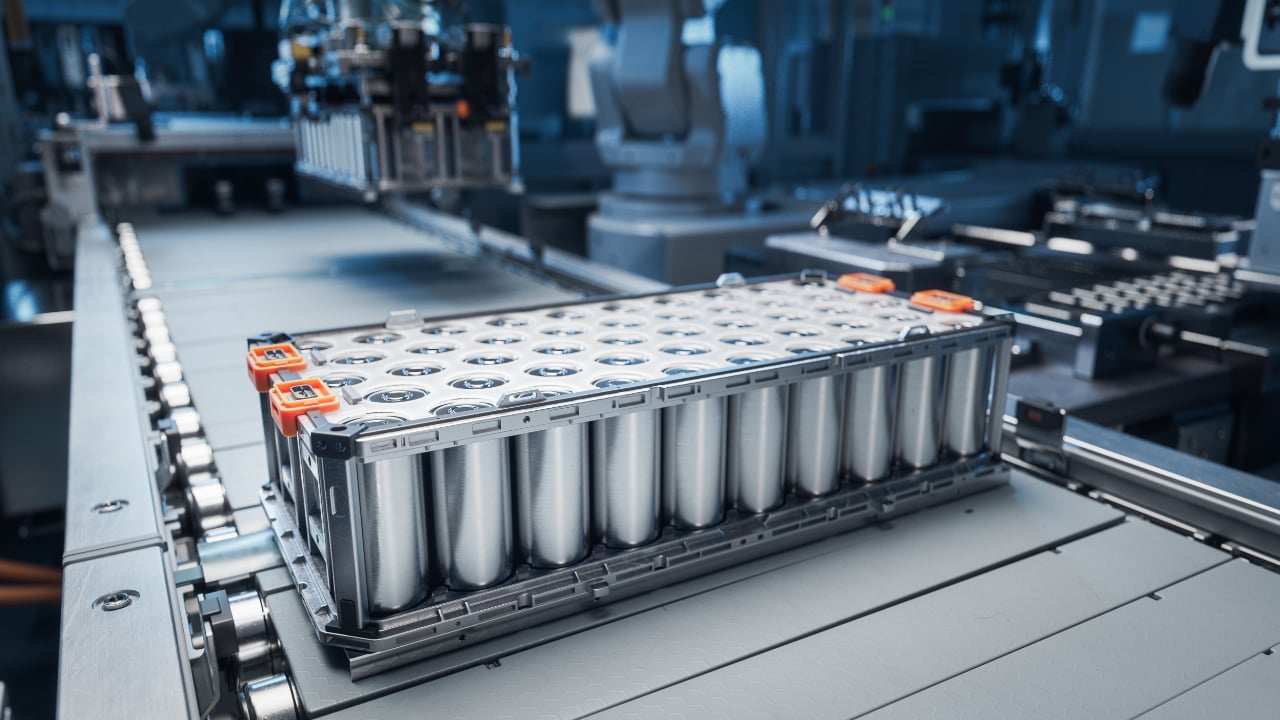
Batteries don’t like heat. When temperatures spike (especially during fast charging or heavy use), performance drops, wear accelerates, and safety risks rise. That’s where liquid cooling plates come in. These plates help maintain a stable temperature by drawing heat away from battery cells and dispersing it safely.
Compared to air cooling, liquid systems are far more efficient and reliable, especially in modern EVs with higher battery energy densities.
What’s Fueling This Market Growth?
A few big drivers are at play. First, battery electric vehicles (BEVs) are becoming more popular. Unlike hybrids, BEVs run solely on electricity, which makes efficient cooling even more important. Also, as governments push for stricter emissions standards, automakers are under pressure to make safer, longer-lasting EVs, including cooling systems. Lastly, global EV production is surging, and every one of those new vehicles needs thermal management tech.
Why Harmonica and Stamping Types Are Leading
Among the many designs, harmonica tube and stamping types stand out. Harmonica plates, made from lightweight aluminum, offer excellent heat spread and flexibility. They’re especially useful in high-performance EVs. Stamping types, on the other hand, are great for mass production. They’re strong, thin, and can be produced at scale, which is perfect for big car companies that are trying to keep costs down while scaling up.
The Fast-Charging Effect

Fast charging sounds great—until you realize how much heat it generates. That heat can harm batteries if it’s not handled properly. Liquid cooling plates are becoming essential to manage this. As the global fast-charging network grows, so does the need for better cooling tech. Commercial fleets, in particular, are investing heavily in robust systems that can handle quick energy dumps without overheating.
Cooling Tech Is Expanding Beyond Cars
The rise in electric mobility isn’t just about cars. We’re seeing electric buses, trucks, scooters, and even construction equipment go electric. These machines work hard and for long hours, meaning their batteries heat up even faster. That’s why liquid cooling plates are becoming standard in more than just passenger EVs. They’re being built tough to handle rough roads, long shifts, and extreme weather.