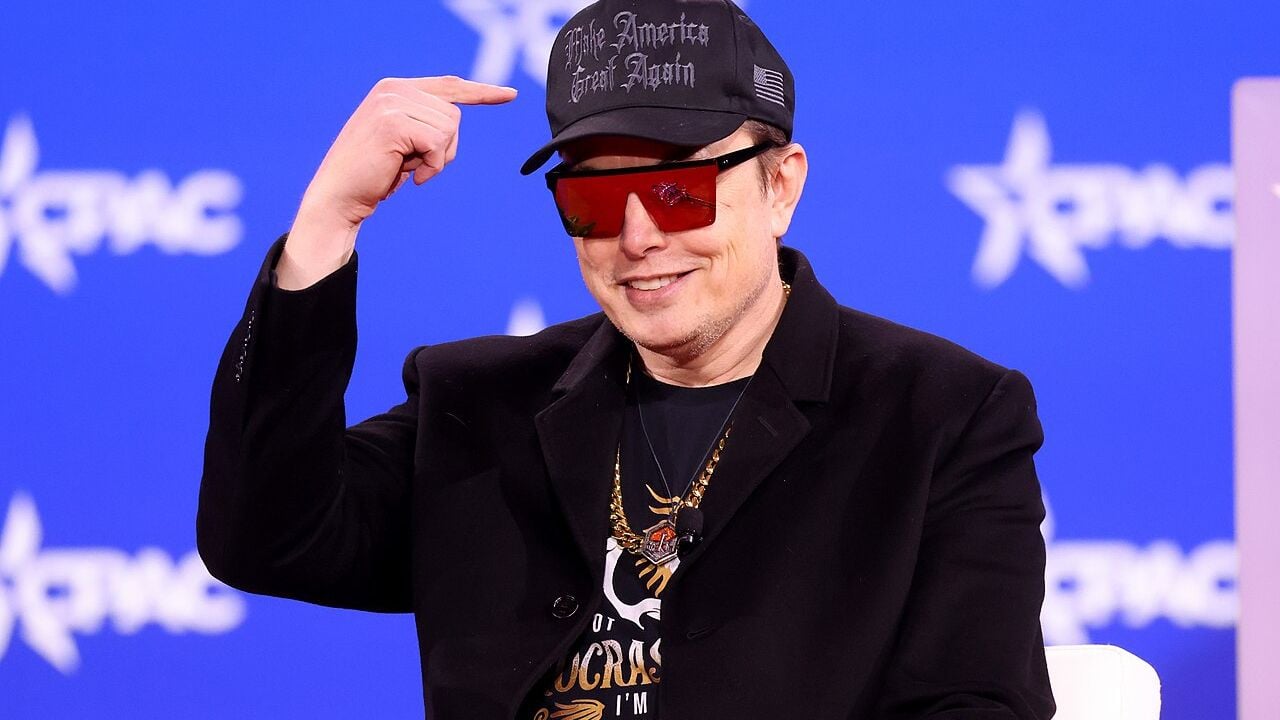

Elon Musk opened the calendar year not with a bang but with a transfer of value worth nearly $100 million in Tesla stock to charity. The move, disclosed in a U.S. Securities and Exchange Commission filing, landed in public view right at the end of 2025. In the filing, Musk is described as having gifted approximately 210,000 Tesla shares to unspecified charities as part of what the filing calls “year-end tax planning.” The unusual phrasing sparked debate among observers and analysts on both sides of the Atlantic.
In plain terms, Musk moved a slice of his holdings into charitable hands at the same time he is squarely in the spotlight for the future of Tesla, and for his personal tax position. For many in the automotive and business world, this raises two questions. First, what does this actually mean for Tesla and its stakeholders? Second, why now?
The Scale of the Gift Compared to Musk’s Wealth
At face value, $100 million sounds like a lot to most people. But for Musk, with a Bloomberg-tracked net worth approaching $620 billion, it represents less than a fifth of one percent of his personal fortune. That context matters because it frames the donation as small in relation to his wealth, even if meaningful in other ways.

Unlike smaller donors, people at this scale don’t usually part with assets for purely altruistic reasons. Instead, they optimize for tax efficiency by donating stock that has appreciated dramatically over many years. Tax law in the United States allows donating appreciated stock instead of cash to avoid capital gains tax on the increase in value and to claim a deduction for the value at the time of the gift. That double edge, sheltering gains and reducing taxable income, is standard practice among major donors.
Why Tesla Shares and Not Cash?
Tesla stock has been one of the standout financial stories of the decade, thanks largely to Musk’s towering role in shaping investor expectations. Holding shares rather than selling them lets Musk avoid capital gains tax on appreciation. If he sold more than 200,000 shares on the open market, a tax bill could easily run into the tens of millions. By donating instead, he pays no capital gains tax on that conversion.
For charities, receiving stock — especially shares that have climbed significantly — also has advantages. Many large nonprofits can sell donated stock without incurring capital gains tax, meaning more proceeds go toward their mission rather than the taxman.
The “year-end tax planning” notation in the SEC filing underscores that timing matters. In the U.S., tax rules give donors flexibility to claim deductions in the year the gift is made, and doing so right before the calendar flips tightens that window. That, more than goodwill alone, seems central to why the transfer happened now.

To understand the implications for Tesla, think about this: whether Musk holds the shares or not, those shares represent economic interest in the company. When he donates them to a charity that has “no current intention to sell,” it means those shares aren’t immediately flooding the market and pressuring the stock price.
That detail (the recipients’ pledge not to sell) could be a market-friendly clause. Tesla’s stock price is notoriously sensitive to Musk’s moves, and unexpected selloffs by insiders can spook investors. So, from a stability standpoint, this arrangement may be crafted to avoid volatility.
Yet there’s another layer. Tesla’s recent sales trajectory has been bumpier than many expected. Early in 2026, there were signs of slowing annual delivery growth, prompting renewed questions about sustainable demand in key markets like China and Europe. Public confidence in Tesla has a fragile streak at times, and moves by its CEO are watched closely.
A Pattern, Not a One-Off
This is not the first time Musk has moved Tesla stock into philanthropic hands. In recent years he has made larger transfers, in the billions, again using stock as the vehicle. That pattern shows how he views Tesla shares not just as wealth but as a fungible asset in broader financial planning. Some of those gifts also went to his own Musk Foundation or donor-advised funds, vehicles common among wealthy philanthropists because they speed tax benefits and give flexibility on when and how to distribute money.
The critical eye can easily catch how this strategy lets billionaires sidestep larger tax bills while claiming the mantle of generosity. Defenders say this is simply how the tax code is written and skilled wealth managers work within it. Whatever your view, Musk knows how to walk the tight rope.
Ultimately, the largest players often tie financial engineering to brand and strategic positioning. Musk’s Tesla is a market narrative. Every move he makes publicly or privately can ripple through investor confidence, regulation debates, and even how competitors frame their own leadership.
So yes, this was a charity gift. But it was also a tax decision and a corporate signaling moment — all rolled into one.
Sources: Business Insider, Bloomberg Tax