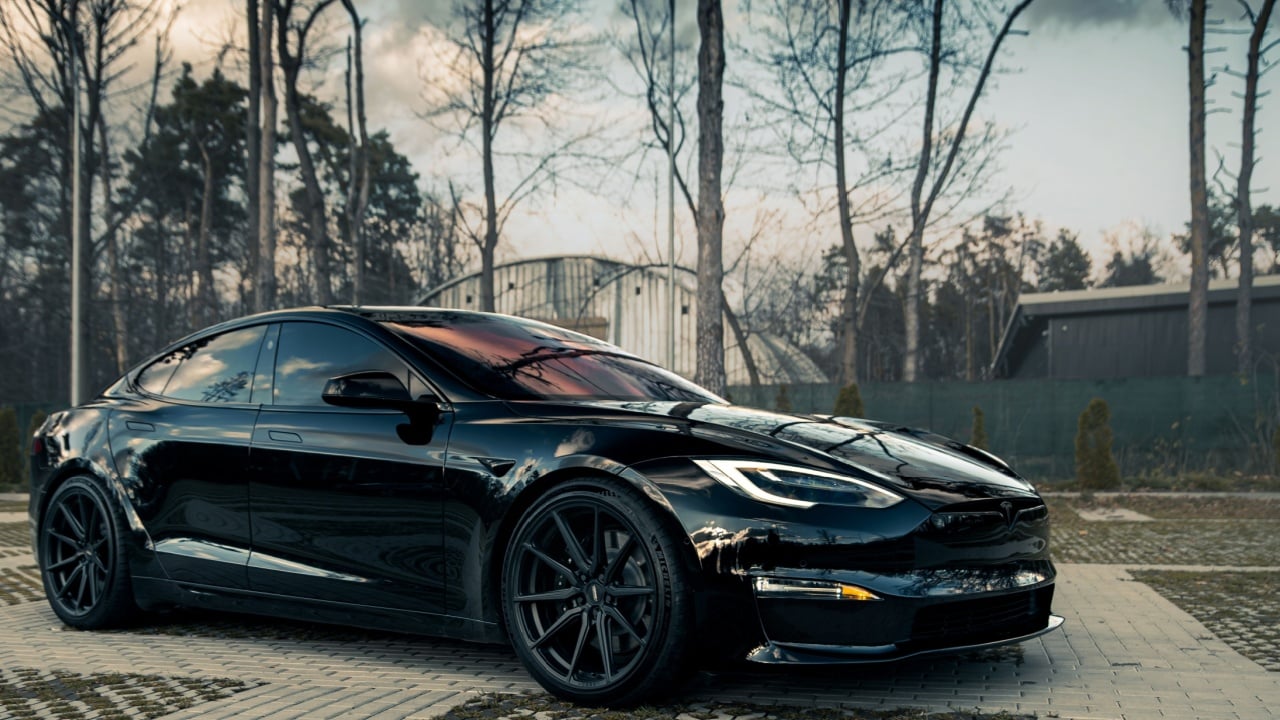
Remember when electric cars meant compromising performance for efficiency? Those days are deader than the manual transmission in a base model economy car.
Today’s electric performance vehicles are rewriting the rules of what makes a car feel special, delivering thrust that would make a fighter pilot jealous and handling that proves batteries can be positioned for perfect weight distribution. The best part? You don’t need to sell a kidney to experience supercar-level acceleration anymore.
Sure, a Bugatti Chiron still costs millions, but several EVs can match or beat its 0-60 time for a fraction of the price. We’re living in an era where instant torque has become the great equalizer, and these twelve electric vehicles prove that “green” and “adrenaline-pumping” aren’t mutually exclusive concepts.
Lucid Air Sapphire

The Lucid Air Sapphire is what happens when aerospace engineers decide to build a luxury sedan and accidentally create a land missile.
With 1,234 horsepower on tap, this thing hits 60 mph in 1.89 seconds, which is genuinely absurd for a car with a full interior and cupholders. The tri-motor setup delivers power in a way that feels less like acceleration and more like you’ve been fired from a cannon lined with Italian leather.
What separates the Sapphire from other fast EVs is how it manages to feel composed and refined even while bending the laws of physics. The adaptive damping system and torque vectoring mean you can take your family to dinner at velocities that would make a Porsche 911 Turbo S nervous.
At around $249,000, it’s expensive, but you’re getting legitimate hypercar performance wrapped in a package your spouse won’t veto.
Tesla Model S Plaid
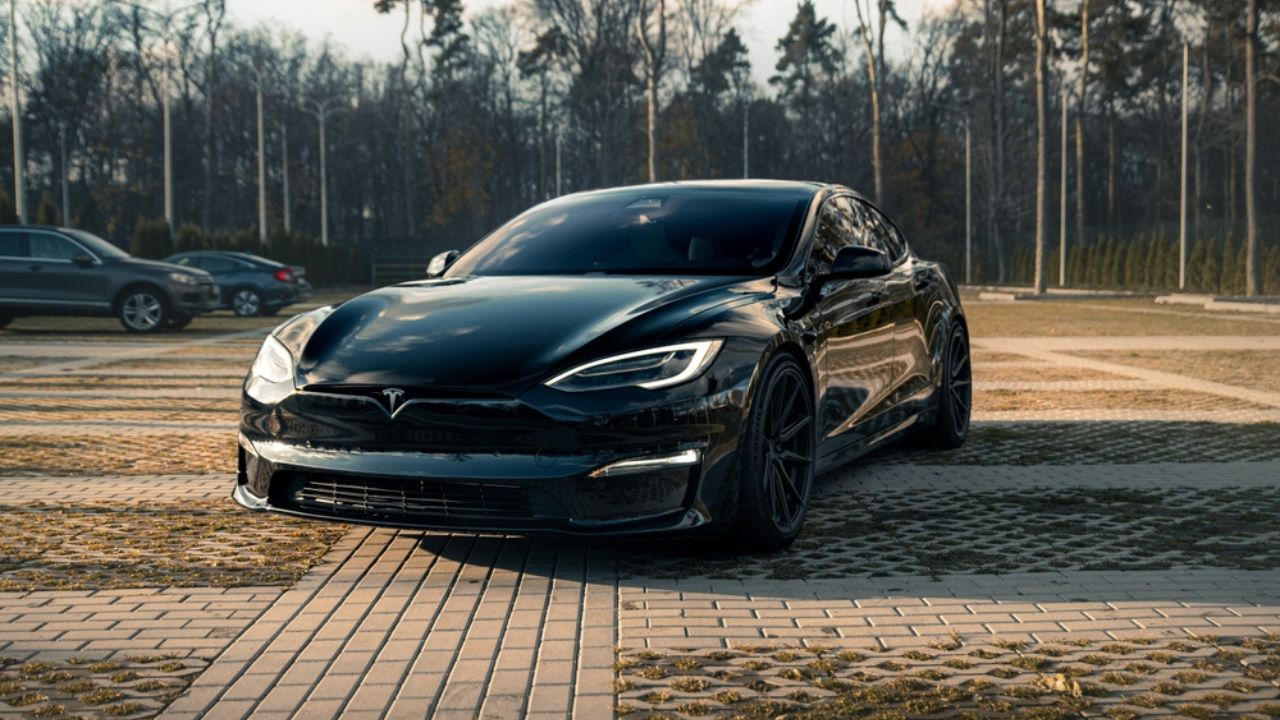
Tesla’s Model S Plaid is the car that made traditional supercar manufacturers nervous enough to actually take electric vehicles seriously.
The 1,020 horsepower tri-motor powertrain launches this full-size sedan to 60 mph in 1.99 seconds, and it can run up to a 200 mph top speed when equipped with Tesla’s Track Package. Beyond the straight-line party trick, the Plaid handles better than any 4,800-pound car has a right to, thanks to adaptive air suspension and a surprisingly eager front end.
The yoke steering wheel is polarizing, some love it, some hate it, most get used to it, but there’s no debate about the acceleration being genuinely disorienting. Track Mode lets you adjust power delivery and cooling strategies, turning your daily driver into something you can actually lap without embarrassment.
Starting around $89,990, it’s the closest thing to a performance bargain in the supercar-acceleration club.
Porsche Taycan Turbo S

Leave it to Porsche to name an electric car “Turbo” and somehow make it feel completely right.
The Taycan Turbo S pumps out 938 horsepower with overboost engaged, rocketing to 60 mph in about 2.3 seconds with Launch Control while maintaining that unmistakable Porsche chassis magic that makes every road feel like it was paved specifically for your enjoyment. The two-speed transmission on the rear axle is a brilliant piece of engineering that gives you both brutal launches and efficient highway cruising.
What really sets the Taycan apart is how it shrinks around you in the corners, the low center of gravity from the battery pack and rear-axle steering create a sensation that’s more mid-engine sports car than executive sedan. The interior is pure Porsche, meaning everything falls exactly where your hands expect it to be, and the build quality fits a starting price that is typically above $200,000, depending on model year and options.
This is an EV for people who actually care about driving, not just bragging about their 0-60 time.
BMW i4 M60 xDrive
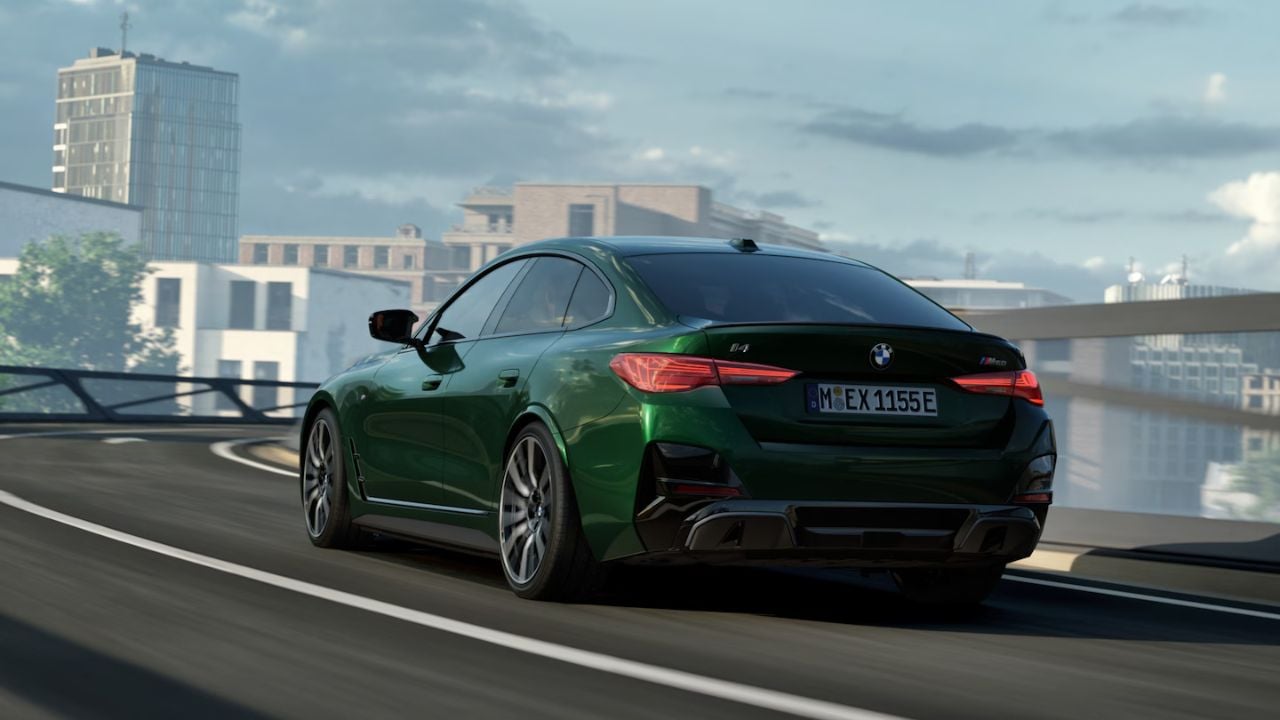
BMW’s i4 M60 xDrive proves you don’t need to spend six figures to get an electric car that drives like it actually matters.
With 593 horsepower and a 0-60 time around 3.7 seconds, it’s quick enough to surprise most things at a stoplight without venturing into the “my lawyer advised me not to talk about this” territory. The adaptive suspension keeps the i4 balanced between comfort and precision, and the car stays composed when you start leaning on it through faster corners.
Inside, you get a familiar BMW cabin layout and the latest iDrive tech, making it an easy transition for buyers coming from gasoline-powered BMWs.
Pricing varies by model year and options, but it generally starts around $70,000.
Mercedes-AMG EQS 53 4MATIC+
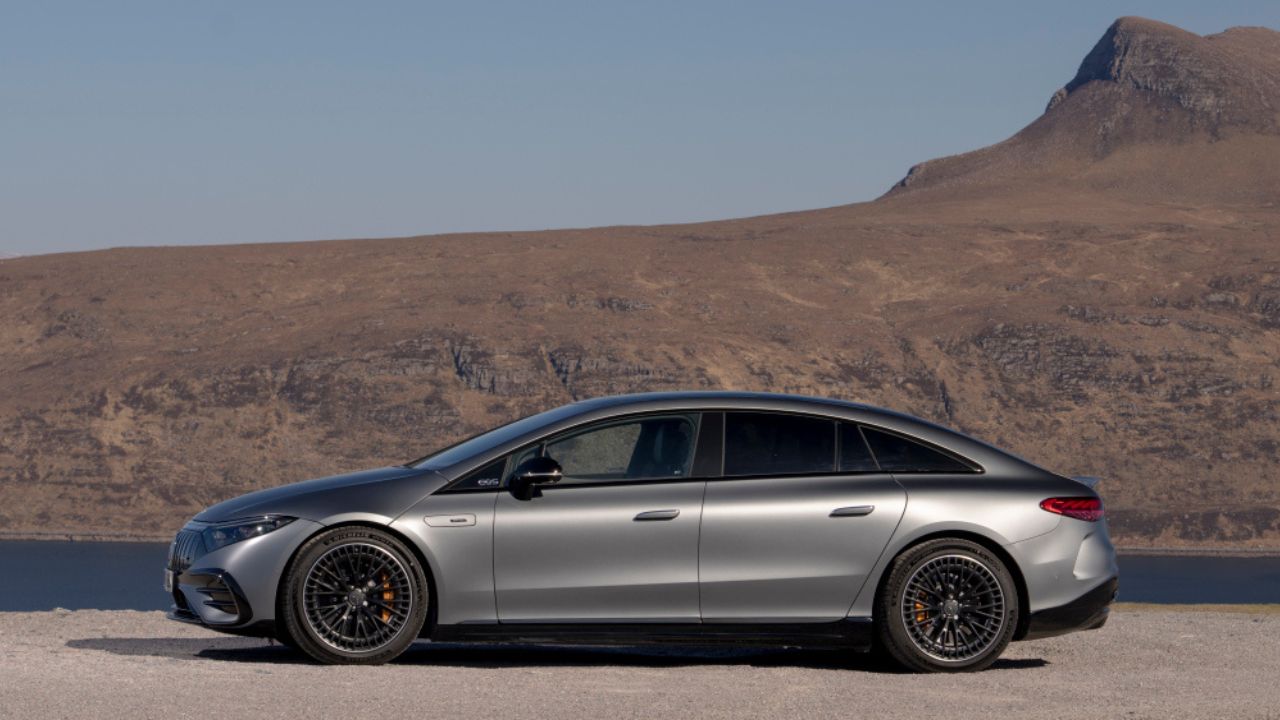
Mercedes took their flagship electric sedan and handed it to the AMG division, which is like giving your responsible older sibling a motorcycle and telling them to “have fun with it.”
The result is 649 horsepower that can surge to 751 with AMG Dynamic Plus, pushing this luxurious living room to 60 mph in 3.4 seconds. The rear-axle steering makes it feel shockingly agile for something that’s nearly 18 feet long and weighs 5,800 pounds, though you’ll still want to check your mirrors before attempting a U-turn.
AMG’s sound engineers even created an artificial soundtrack that genuinely enhances the experience without feeling gimmicky — it’s like having a sci-fi movie score that responds to your throttle inputs. The air suspension with AMG Ride Control+ adapts fast enough to handle both track work and cross-country comfort runs.
Starting around $147,500, it’s for people who want their performance car to also serve as a conference room on wheels.
Hyundai Ioniq 5 N
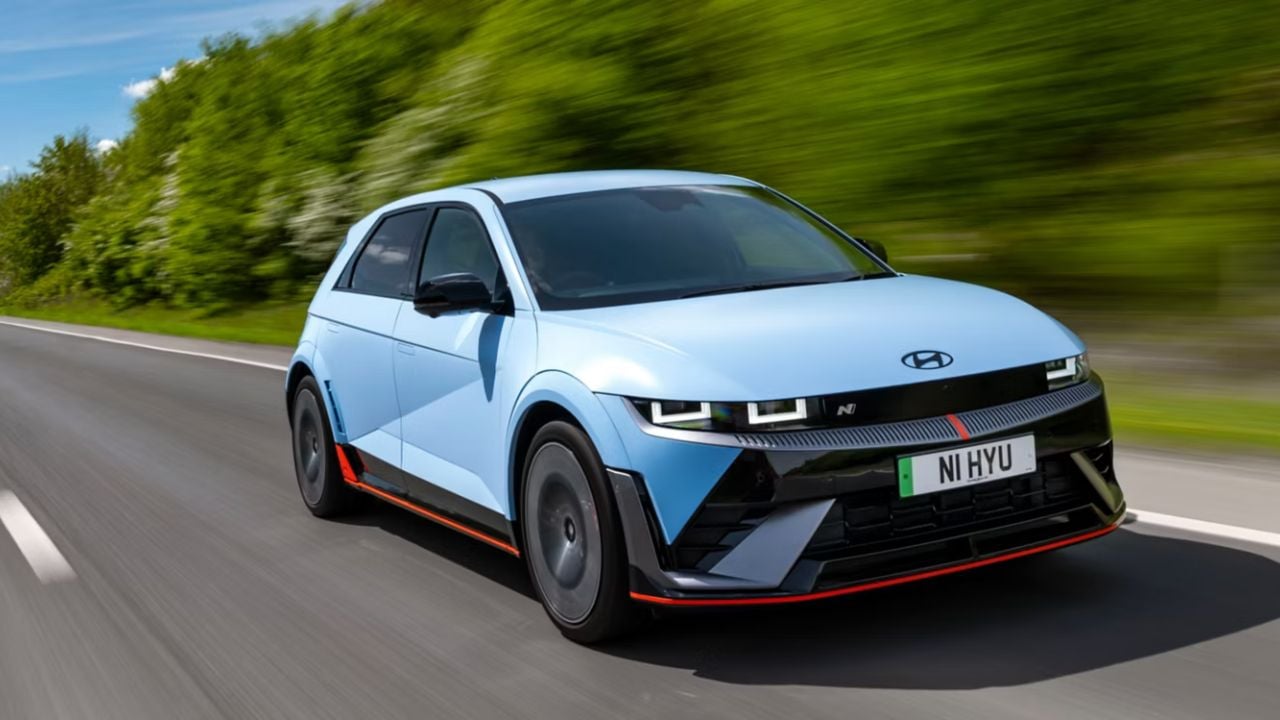
Hyundai’s N division looked at the friendly, retro-styled Ioniq 5 and said “what if we made this absolutely unhinged?”
The result is 641 horsepower, a 0-60 time of 3.25 seconds, and handling dynamics that belong on something wearing an Italian badge. The N Grin Boost button gives you 10-second bursts of maximum power, which is perfect for passing maneuvers or just making your passengers question their life choices.
What’s genuinely clever is the N e-shift system that simulates gear changes complete with torque interruptions, giving you a more traditional performance car feel if you want it. The electronically controlled suspension and drift-friendly torque vectoring mean you can actually have proper fun in corners, not just in straight lines.
At around $66,000, it’s proof that you don’t need heritage or prestige to build something properly exciting.
Cadillac Lyriq-V
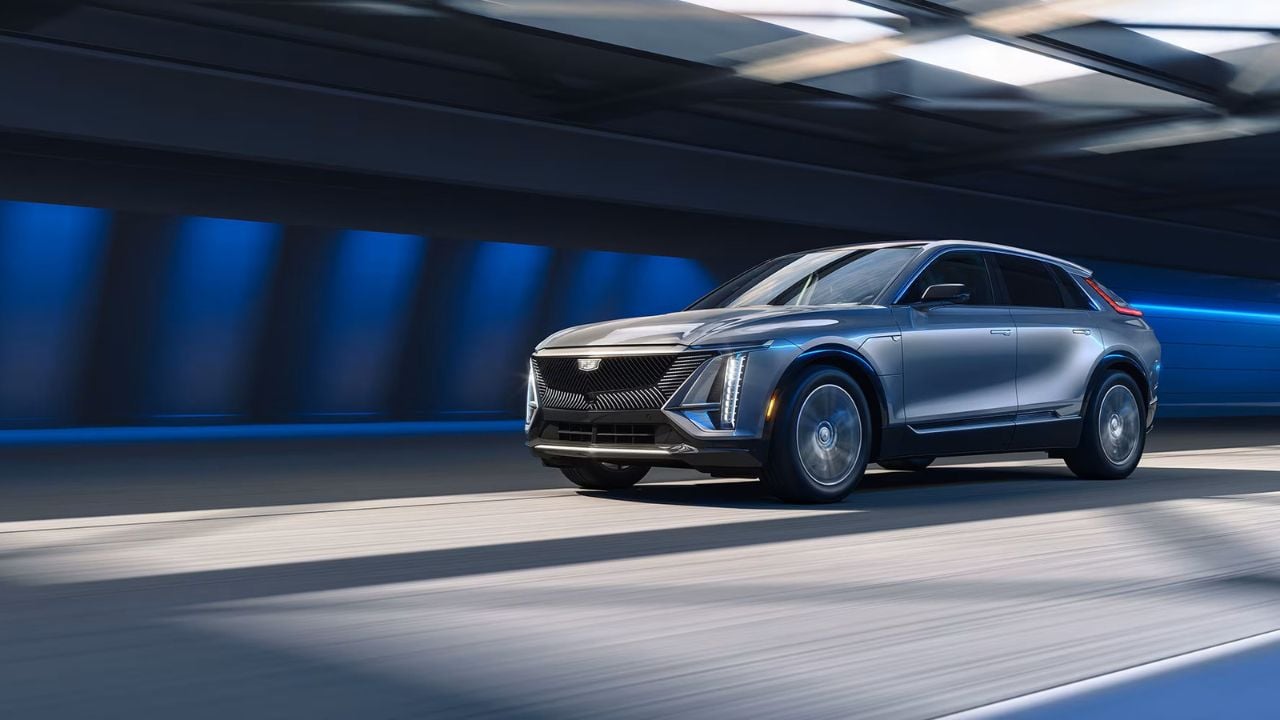
Cadillac is back in the performance game with the Lyriq-V, and they’re not messing around with half measures.
Dual motors produce 615 horsepower, launching this sleek crossover to 60 mph in 3.3 seconds while maintaining the kind of composed demeanor that makes you feel like a better driver than you actually are. The Magnetic Ride Control 4.0 suspension reads the road at 1,000 times per second, which sounds like marketing speak until you hit a series of corners and realize it’s genuinely keeping the body flat when physics says it shouldn’t.
The Velocity Max mode sharpens everything up, though even the comfort setting is engaging enough for a spirited backroad run. Brembo brakes and summer performance tires come standard, suggesting Cadillac actually expects you to use all that power.
With pricing around $79,990, it’s positioned perfectly between mainstream performance and luxury exotica.
Lotus Eletre R
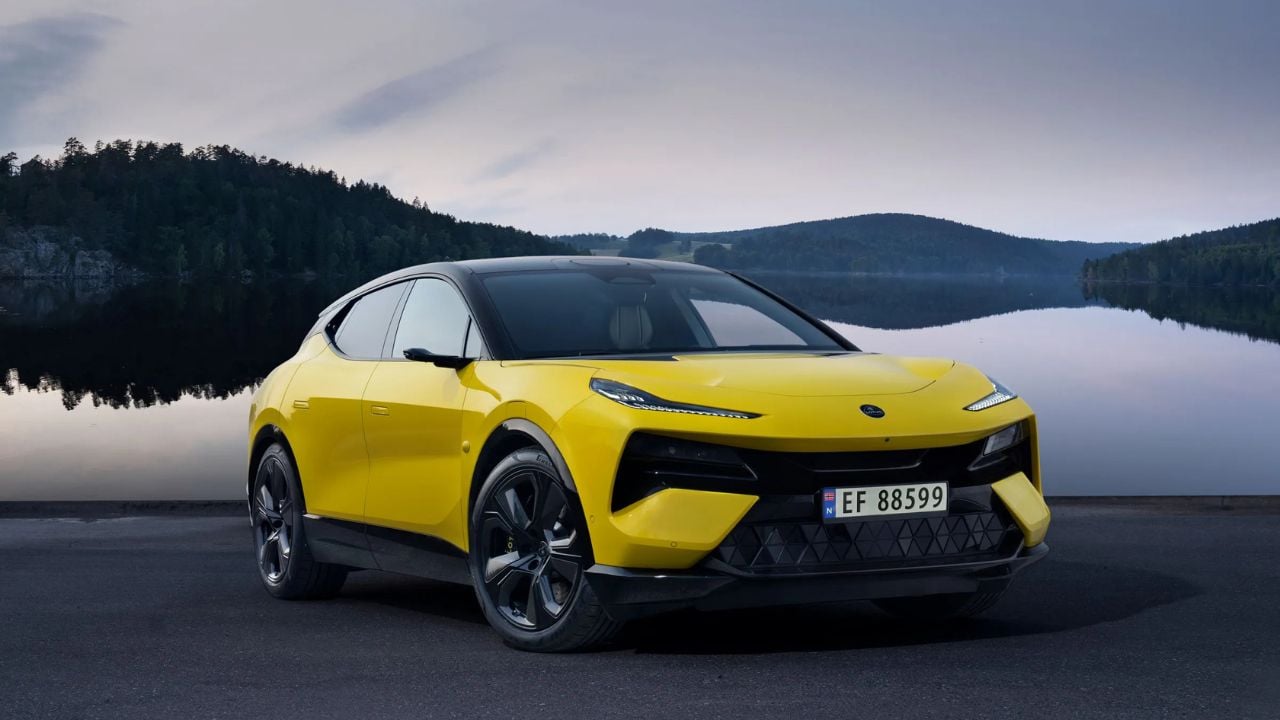
Lotus making an electric SUV sounds like a betrayal of everything Colin Chapman stood for, until you drive the Eletre R and realize it handles like a vehicle that weighs 1,500 pounds less than it actually does.
With 905 horsepower from a dual-motor setup, it hits 60 mph in 2.95 seconds, which is absurd for something with actual cargo space and ground clearance. The active aerodynamics and adaptive air suspension work together to manage the 5,500-pound curb weight, and the torque vectoring is so aggressive you can practically rotate the car on its axis.
Lotus fitted it with carbon ceramic brakes as standard because regular brakes would probably surrender after one mountain descent. The interior is surprisingly spacious and well-appointed, proving that Lotus learned something from their Geely partnership.
U.S. pricing has shifted sharply, with recent U.S. pricing for the available Eletre line jumping to about $229,900.
Genesis Electrified GV70

Genesis took its compact luxury SUV, electrified it, and created something that feels genuinely quick in the real world.
The dual-motor system makes 429 horsepower, and a temporary Boost mode raises output to 483 horsepower. 0-60 mph times are typically in the low 4-second range depending on conditions and testing. What makes the Electrified GV70 special is how buttoned-down it feels through corners, with the low-mounted battery helping keep the center of gravity in check for a vehicle this height.
Starting around $66,000, it’s the most sleeper pick on this list.
Kia EV6 GT
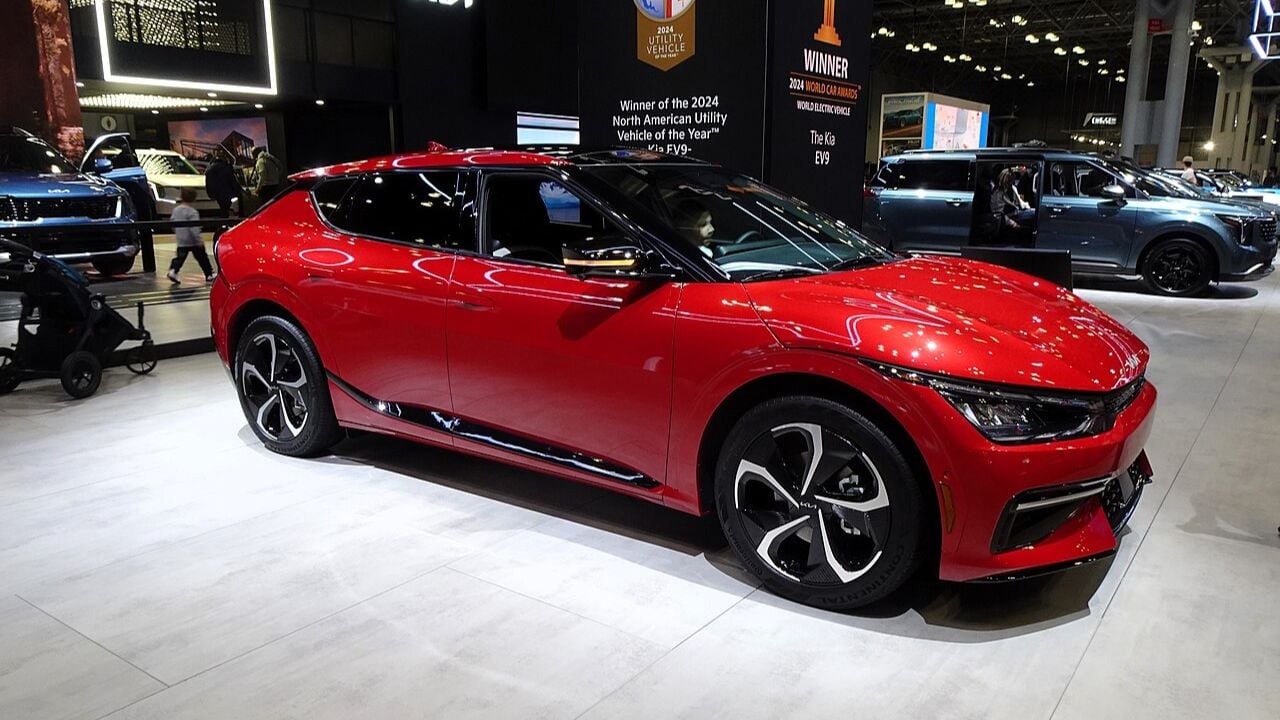
Kia’s transformation from budget transportation to legitimate performance player is complete, and the EV6 GT is the exclamation point on that sentence.
With up to 641 horsepower pushing it to 60 mph in about 3.4 seconds, this crossover is quicker than most sports cars from a decade ago and handles well enough to embarrass some of them through corners, too. The electronic limited-slip differential shuffles power between the rear wheels, and the GT mode sharpens up the steering and suspension to the point where you forget you’re in a practical family vehicle.
The regenerative braking is strong enough to enable one-pedal driving, but Kia wisely included proper brakes with green calipers when you need real stopping power. Inside, you get supportive sport seats and a steering wheel that’s actually the right size, not the oversized comedy prop some EVs saddle you with. At around $61,600, it’s one of the best performance bargains currently available.
Audi e-tron GT
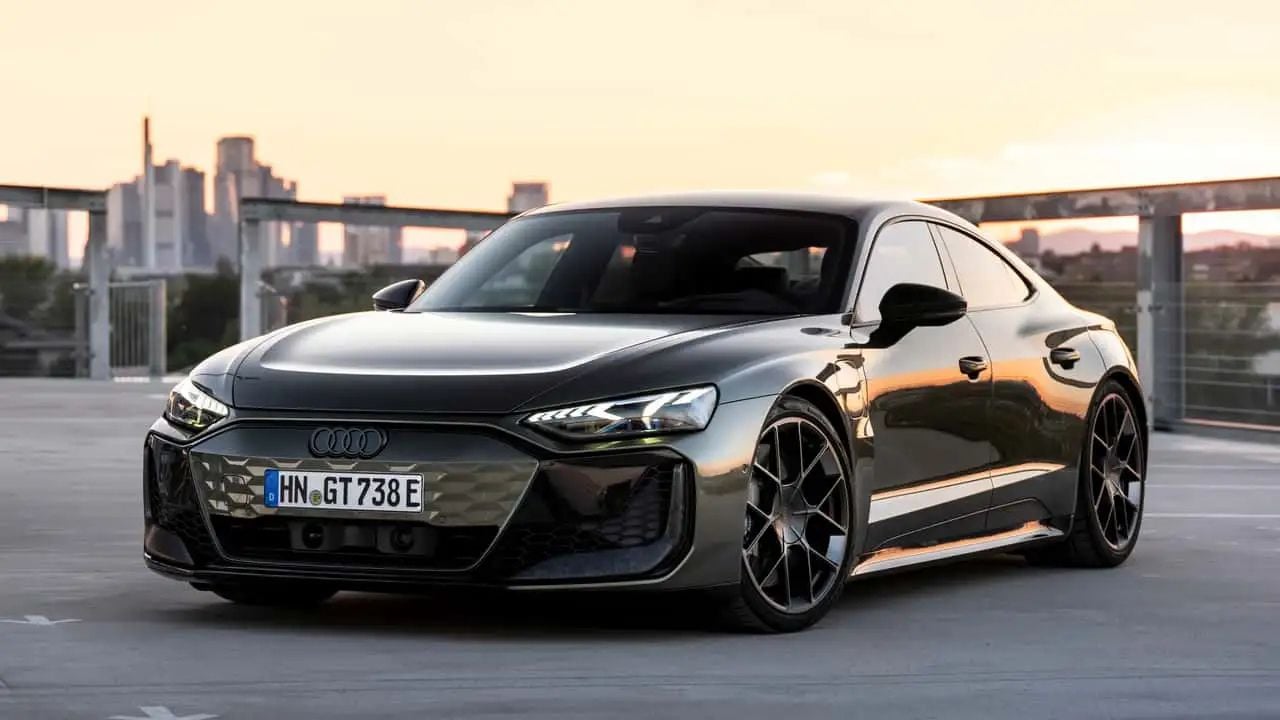
Audi’s newest S e-tron GT is essentially a Porsche Taycan cousin in a tuxedo, sharing core architecture while offering a different take on the electric grand tourer formula.
With up to 670 horsepower available with Launch Control, it runs 0-60 mph in about 3.3 seconds. Audi’s quattro all-wheel drive and adaptive suspension tune the car for stability and long-distance composure rather than an all-out track focus.
Pricing starts around $126,795 including destination, before options.
Polestar 4
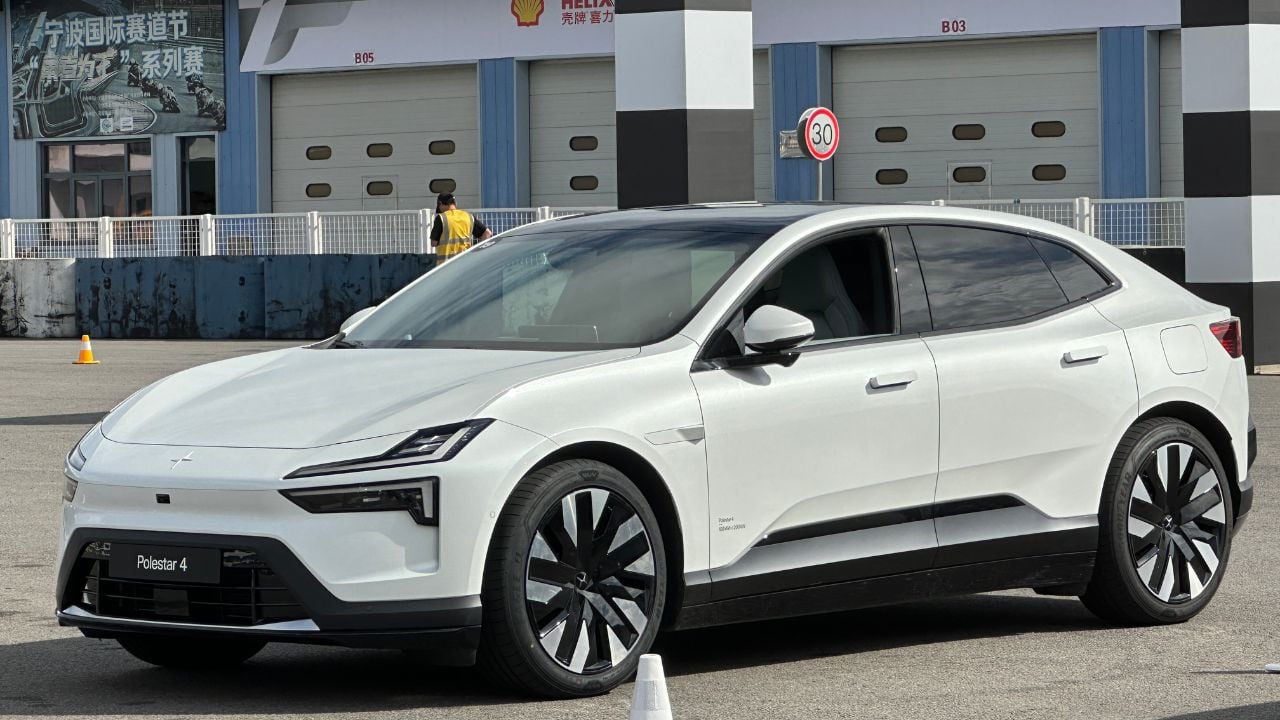
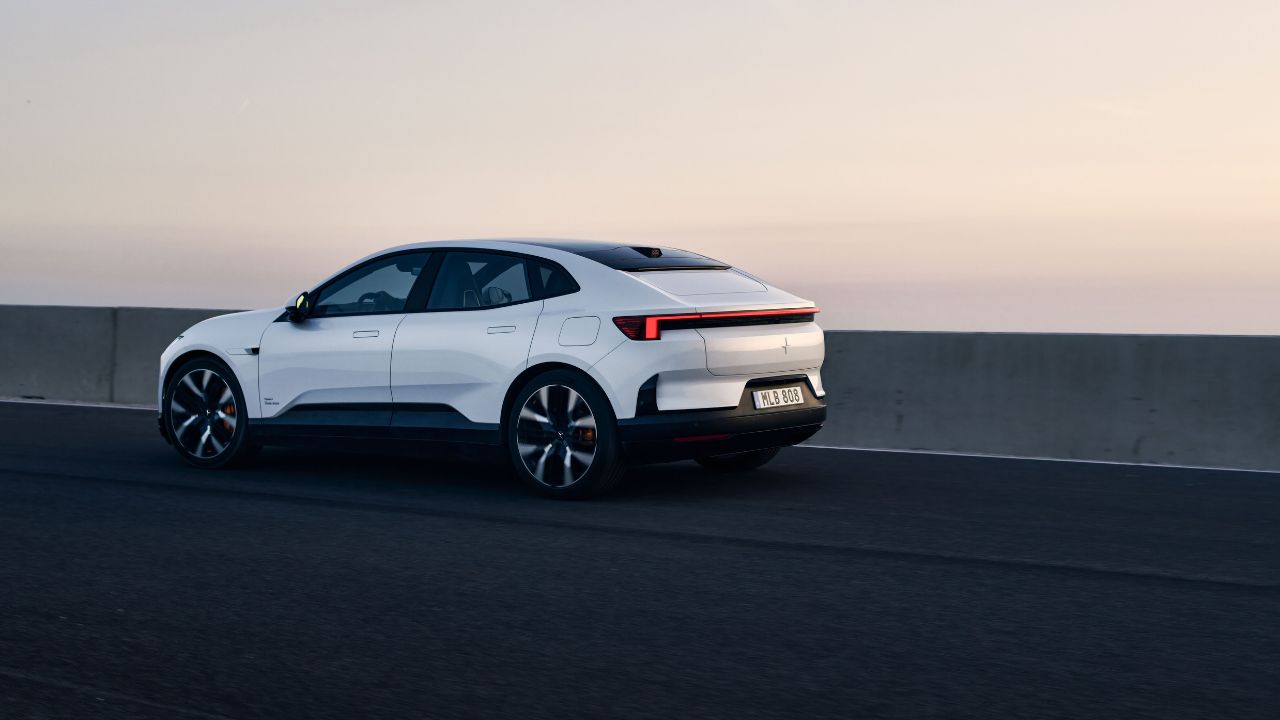
Polestar’s fourth model is a fastback SUV that looks like a concept car that actually made it to production without being watered down.
The dual-motor version makes 544 horsepower and reaches 60 mph in 3.7 seconds while maintaining a Scandinavian sense of restraint that keeps it from feeling shouty about its capabilities. The lack of a rear window is controversial but works better than you’d expect thanks to the rearview camera mirror, and it improves the overall design cohesion dramatically.
The suspension tuning is firm but never harsh, and the chassis balance inspires enough confidence to carry serious speed through winding roads. Inside, you get sustainable materials and minimalist design that feels premium without trying too hard.
In the U.S., the dual-motor Polestar 4 starts at $62,900 before destination and options.
Conclusion
The electric performance revolution has delivered something traditional supercars never could: accessible exhilaration without the maintenance anxiety or environmental guilt.
These twelve vehicles represent different approaches to the same basic formula, massive instant torque, low center of gravity, and modern technology working overtime to manage physics. What’s remarkable isn’t just that EVs can be fast; it’s that they can be genuinely rewarding to drive, with chassis dynamics and steering feel that honors the best of internal combustion performance. The variety here means there’s an option for nearly everyone, from the budget-conscious enthusiast to the buyer who wants Hypercar acceleration with luxury car refinement.
Most importantly, this is just the beginning, as battery technology improves and weights come down, the next generation of electric performance cars will make today’s impressive numbers look quaint.