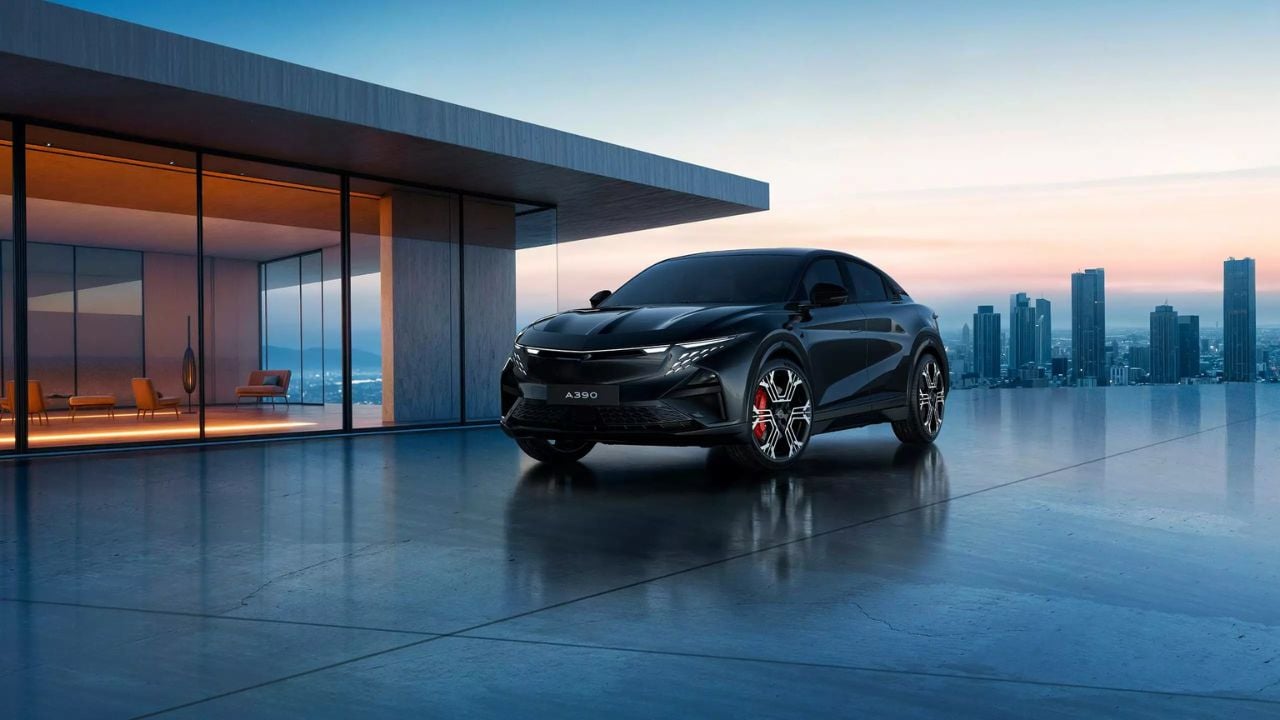
At this point, the term “electric vehicles” barely makes us turn our heads. It’s as normal as a car with four wheels and headlights. In fact, the EV market has become a bit too normal for my liking. Just because carmakers are all turning to electricity by 2030 or whatever doesn’t mean we have to rush out the most boring repeat SUVs possible.
That’s why I’m looking back at some electric car concepts that actually have spirit and personality. That seems to indicate that EVs can be exciting. A while ago, the idea of a highway packed with electric vehicles was a distant dream, and carmakers created their own fantasies of what that scenario would look like. And honestly, I like these ideas more than the current reality.
How We Picked Our Standouts
When picking these standouts, I focused on concepts that feel genuine – designs that solve real problems or capture something special about what driving could become. Sure, some of these will never see production exactly as shown, but they all reveal something important about where their makers want to go. And others? They are actually coming, and hopefully, they keep their futuristic and creative concept designs.
Some push technology boundaries, others redefine luxury, and a few just look like they’d be an absolute blast to drive. What do they share? I just think they show what electric vehicles could be, beyond the beige boxes with LED light strips and iPad-sized screens. And they just look cool to me, okay?
Dacia Manifesto Concept

Here’s something refreshing: a concept that doesn’t try to impress you with screens and chrome. The Dacia Manifesto looks like it was designed by someone who actually camps, surfs, or hauls mountain bikes on weekends.
The Manifesto is a pure concept study, and Dacia has not published battery capacity, motor output, platform details, or range figures. Instead, it serves as a design manifesto for rugged, affordable electric vehicles, emphasizing simplicity, modularity, and outdoor usability rather than performance metrics and plenty of torque to pull you up that fire road to your favorite fishing spot. The 8.7 inches of ground clearance means it won’t scrape on rocks, while the completely open sides let you hose out sand and mud.
What really works here is the honesty. The dashboard is a simple tablet mount. The seats are made from recycled cork and rubber that you can literally pressure-wash. Even the floor is designed to drain water. Dacia calls it “YouClip” modularity: basically, everything clips in and out so you can configure it for whatever adventure you’re planning.
Dacia has said elements of the Manifesto’s design philosophy will influence future production models, though the concept itself is not confirmed for production, and the Manifesto’s practical features suggest they’re serious about making it affordable. Finally, an electric vehicle for people who actually use their vehicles.
Afeela 1

The partnership between Honda and Sony seemed odd at first – what does a PlayStation maker know about building cars? Then you see the Afeela 1 and realize they’re not trying to build a traditional car at all.
Sony Honda Mobility has confirmed dual-motor all-wheel drive and an EPA-estimated range of up to 300 miles, though final battery capacity and output figures vary by trim and have not been fully detailed, but the real story is the tech integration. Sony brought 40 sensors, including cameras, radar, and LiDAR, plus their software expertise to create what they’re calling a “moving entertainment space.”
The interior feels more like a high-end home theater than a car cabin. Multiple 4K displays, spatial audio, and even PlayStation integration mean passengers won’t get bored on long trips. But Honda’s influence shows in the driving dynamics – early reports suggest it handles like a proper sports sedan, not a rolling computer.
Production already began so this puppy will be a concept no more, with customer deliveries planned for 2026, with pricing starting at $89,900. That positions it directly against the BMW i4 and Genesis Electrified G80. Smart positioning for a brand most Americans have never heard of. The roads are about to look like Grand Theft Auto come to life.
Peugeot Inception Concept

The Inception might be the most production-ready concept on this list, and that’s exciting because it looks fantastic. Built on Stellantis’ STLA Large platform, it packs 800V architecture for ultra-fast charging and a 100 kWh battery promising over 400 miles of range.
The party trick is that the Hypersquare steering system – yes, it’s a square steering wheel, but it only rotates 90 degrees lock-to-lock. Sounds gimmicky until you realize this enables incredibly precise control and frees up interior space. The system uses steer-by-wire technology, so there’s no mechanical connection anyway.
Performance figures are serious: 680 hp from dual motors, 0-62 mph in under 3 seconds, and a top speed of 168 mph. The low-slung design isn’t just for show – it achieves a drag coefficient of just 0.21 Cd, helping maximize that impressive range.
Peugeot’s interior designers have outdone themselves here. The cabin uses sustainable materials throughout, including recycled ocean plastic for the floor mats and bio-based leather alternatives. The panoramic glass roof includes electrochromic technology to control transparency and heat.
Peugeot has not confirmed production timing or pricing for the Inception as shown; the concept previews design and technology intended for future STLA Large–based models. That would make it a direct Tesla Model S competitor with distinctly French style.
Genesis GV90

Genesis has been making waves with their design language, and the GV90 concept shows it’s not backing down in the EV space. Based on their next-gen eM platform, this flagship SUV promises the space of a BMW X7 with the efficiency of a Tesla Model X.
But the real story is the interior craftsmanship. Genesis calls it their “Beauty of White Space” philosophy – clean lines, premium materials, and thoughtful details without overwhelming complexity. Previewed by the Neolun concept, the GV90 is expected to become Genesis’s flagship electric SUV, though final powertrain specifications, pricing, and launch timing have not yet been confirmed.
The front seats recline nearly flat and feature massage functions with heating, cooling, and even aromatherapy. The rear cabin gets its own climate zones and entertainment screens, plus a refrigerated compartment for beverages. It’s the kind of luxury that feels earned, not showy. That undercuts the BMW iX and Mercedes EQS SUV while offering comparable luxury and technology. Smart positioning from a brand that’s still building recognition.
Chrysler Airflow Concept

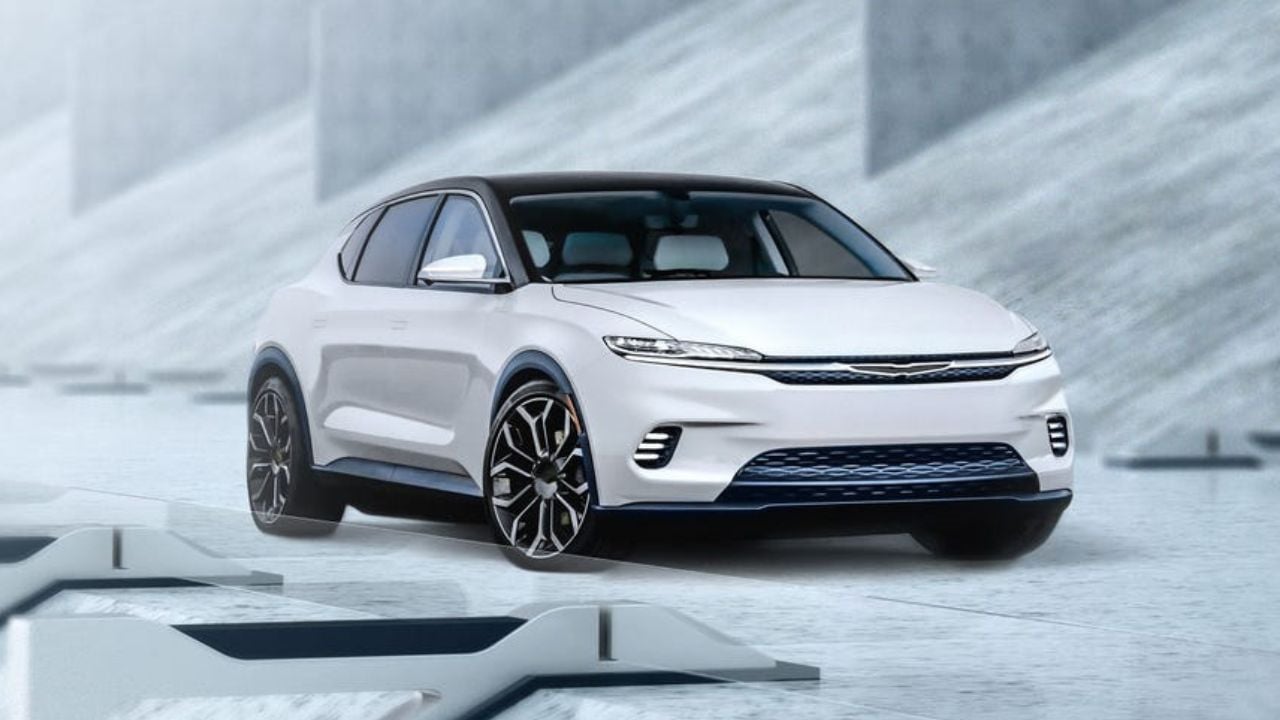
Chrysler’s been quiet for years, but the Airflow concept suggests they’re planning something special for their electric future. Built on Stellantis’ STLA Large platform, it shares bones with the Peugeot Inception but targets American tastes with more space and comfort focus.
The powertrain delivers 400 hp from dual motors with all-wheel drive, while the 100 kWh battery should provide over 350 miles of range. Fast charging at 150 kW means 10-80% charging in about 30 minutes – competitive with anything on the market today.
Inside, Chrysler’s focused on what they call “seamless connectivity.” The dashboard features three screens that can display different information or work together as one massive display. The party trick is the ability to personalize settings for each family member – when you get in, the car recognizes you and adjusts everything from seat position to music preferences.
Chrysler previously indicated a 2025 target for its first electric crossover derived from the Airflow concept, but reports in 2025 said the program was paused as the brand reassessed its EV strategy. The rear seats slide and recline independently, and there’s enough space for adults on long trips. Chrysler’s clearly targeting families who want something more interesting than a minivan but more practical than a sports car.
That would slot it between mainstream and luxury competitors – exactly where Chrysler needs to be to rebuild their brand.
Alpine A310 Concept

The Alpine A310 concept might be the most important sports car we’ll see this decade. Not because it’s the fastest or most powerful, but because it proves electric sports cars don’t have to abandon everything we love about driving.
Alpine’s engineers moved the battery pack lower and redistributed weight to achieve a perfect 50/50 weight distribution – something that’s incredibly difficult with electric powertrains. The result is a car that weighs just 3,307 pounds, making it one of the lightest electric sports cars ever proposed.
The powertrain is elegantly simple: a single 340 hp motor driving the rear wheels through a limited-slip differential. Alpine deliberately chose rear-wheel drive over all-wheel drive to preserve the car’s character and reduce weight. The 58 kWh battery provides 260 miles of range – modest by today’s standards, but Alpine prioritized handling over maximum range.
What makes the A310 special is how it drives. Alpine has extensively tested the prototype at their test facility in Dieppe, and early reports suggest it captures that elusive balance between precision and playfulness that made the original A110 so beloved. The steering is hydraulically assisted (unusual for an EV), the suspension uses adaptive dampers with Alpine’s own tuning, and the chassis features strategic use of carbon fiber to maintain stiffness while shedding weight.
The design pays homage to the original 1970s A310 without being retro pastiche. The proportions are pure sports car – long hood, short overhangs, and a roofline that flows from windshield to tail. Distinctive LED lighting elements and aerodynamic details mark it as thoroughly modern, while the wide rear haunches hint at the performance within.
Production is confirmed for 2026 with pricing expected around €65,000. That positions it between the Porsche Cayman and 911, targeting drivers who want something more engaging than a Tesla Model S Plaid but more practical than a track-focused special.
The Road Ahead

What strikes me about these concepts is how different they are from each other. Five years ago, every EV concept looked like a Model S with different badges. Now we’re seeing real diversity – adventure vehicles, luxury cruisers, performance machines, and family haulers that happen to be electric.
The technology is now mature enough for manufacturers to focus on what makes their brand special, rather than just trying to make batteries work. Dacia can be rugged and practical, Peugeot can be stylish and innovative, and Genesis can be luxurious without being stuffy.
Most importantly, these concepts suggest the future of electric vehicles won’t just be about efficiency and environmental responsibility. They’ll be about character, personality, and the simple joy of driving something that matches your lifestyle and values.
As someone who’s spent decades watching concept cars promise the future, I’m cautiously optimistic that this time might be different. These six vehicles feel real in a way that previous generations of concepts didn’t. They solve actual problems, target specific customers, and most importantly, look like they’d be genuinely fun to own and drive.
The electric future is looking pretty bright – and finally, pretty diverse.