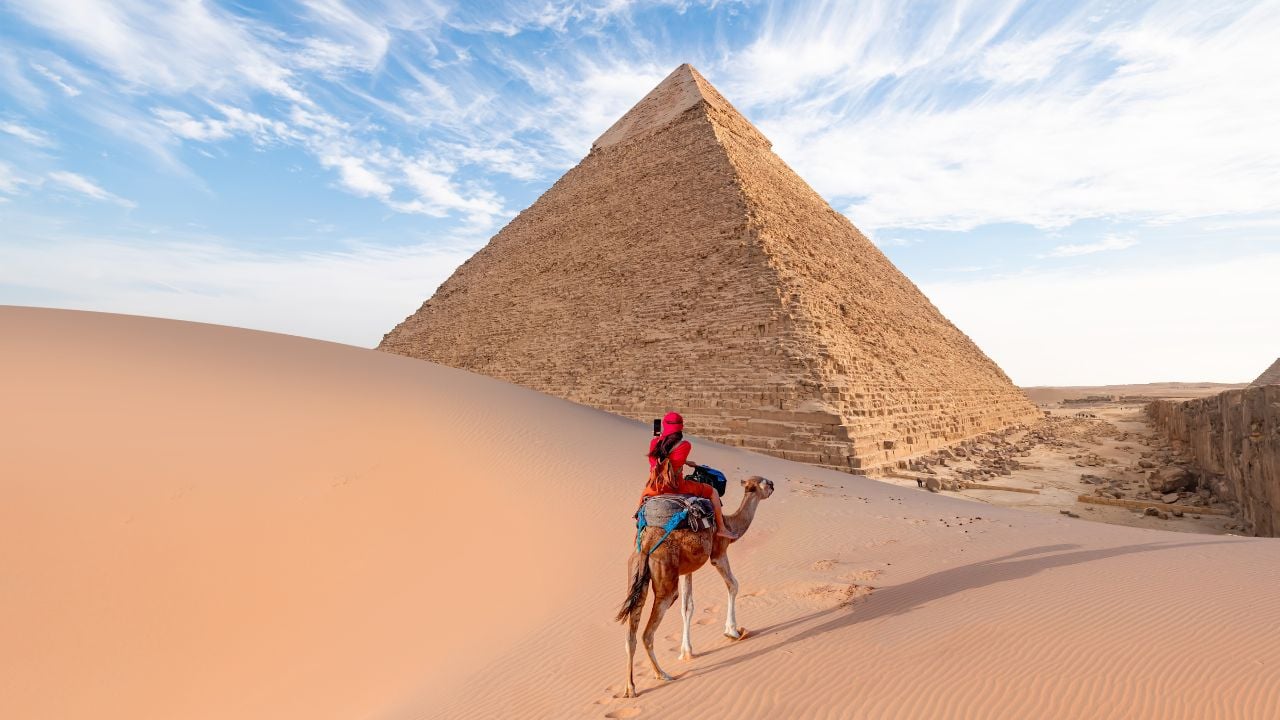
Egypt rarely feels like a single destination. The country reads more like a library with multiple floors, where each stop shelves a different era right beside everyday life, traffic, cafés, and apartment blocks. Step beyond central Cairo, and the contrasts get sharper, because the headline sights are woven into places where people actually live and work.
What makes these urban hubs special is the overlap. You can photograph classical columns in the morning, then eat fresh seafood or sip tea in a neighborhood that looks unmistakably current. Below are eight stops that deliver that time-travel whiplash without requiring you to treat your trip like a nonstop museum marathon.
1. Alexandria

Sea air changes the mood instantly. Alexandria was founded by Alexander the Great and grew into a major Mediterranean powerhouse, which still shows in its coastal layout and international energy.
Modern Alexandria is best enjoyed at street level. Walk the Corniche for big-water views, then duck into galleries, cafés, and markets that feel busy and local instead of staged. For a history hit without overcommitting, pair a waterfront stroll with a visit to the Bibliotheca Alexandrina complex, officially opened on 16th October 2002, which anchors a whole cultural district.
2. Giza
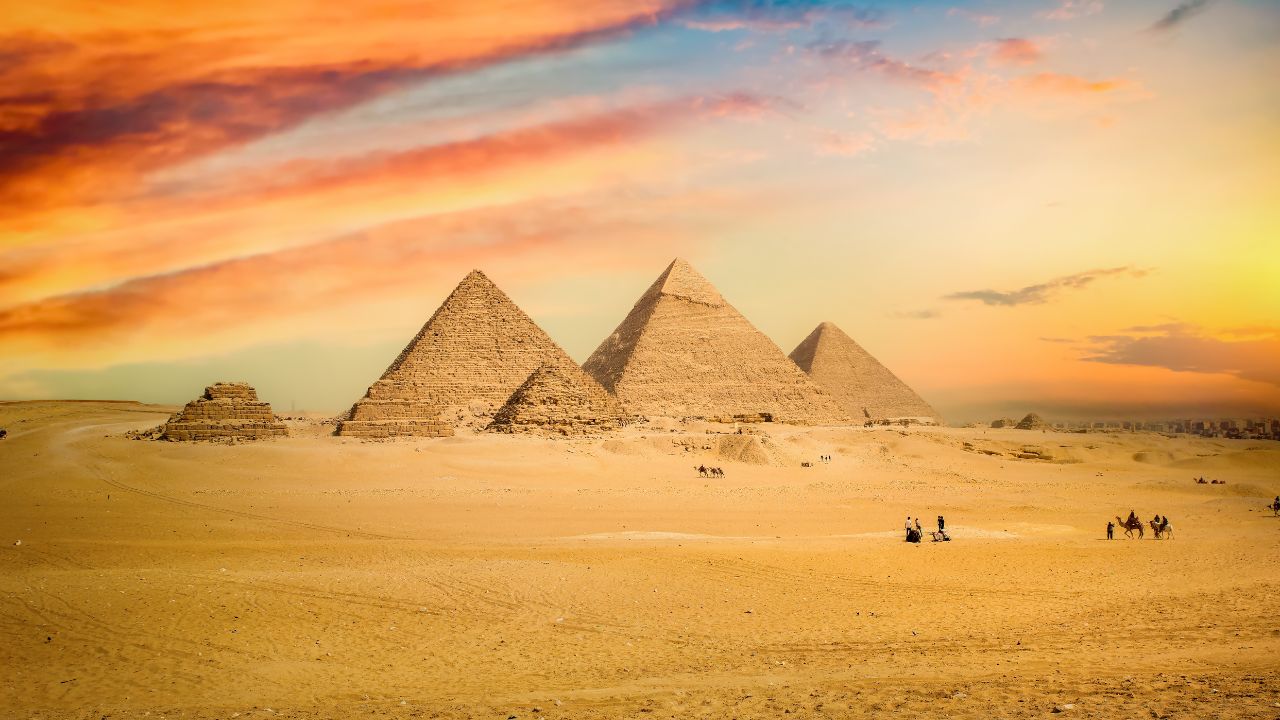
High-rises and pyramid silhouettes sharing the same horizon is one of those “am I dreaming?” travel moments. The pyramid fields at Giza sit within the UNESCO-listed “Memphis and its Necropolis—the Pyramid Fields from Giza to Dahshur” World Heritage property, so the famous stone geometry comes with formal global recognition.
The trick here is timing. Arrive early for softer light and fewer crowds, then spend the afternoon in modern Greater Cairo neighborhoods where restaurants and malls remind you this is not an isolated desert stage set. Book official entries in advance when possible, and consider a guide if you want context without reading placards for half a day.
3. Luxor
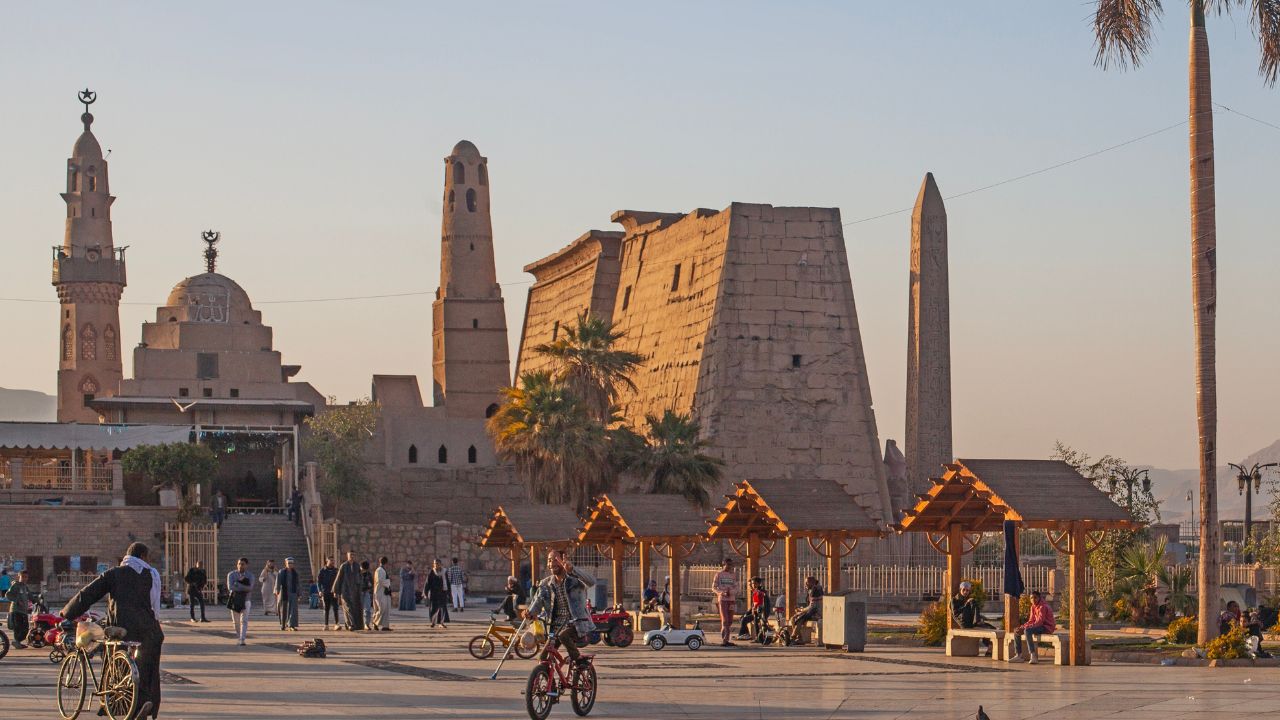
Few places blend ordinary routines with monumental antiquity as smoothly as Luxor. UNESCO’s “Ancient Thebes with its Necropolis” listing covers the major temple complexes and royal tomb landscapes that made this area a peak-era capital.
Evenings are where the present-day rhythm shows up. After daytime site hopping, the city shifts toward markets, riverfront dining, and late walks where families and tour groups share the same streets. Keep your plan simple: one major complex per half-day, then allow time for breaks, because heat and sensory overload are real here.
4. Aswan
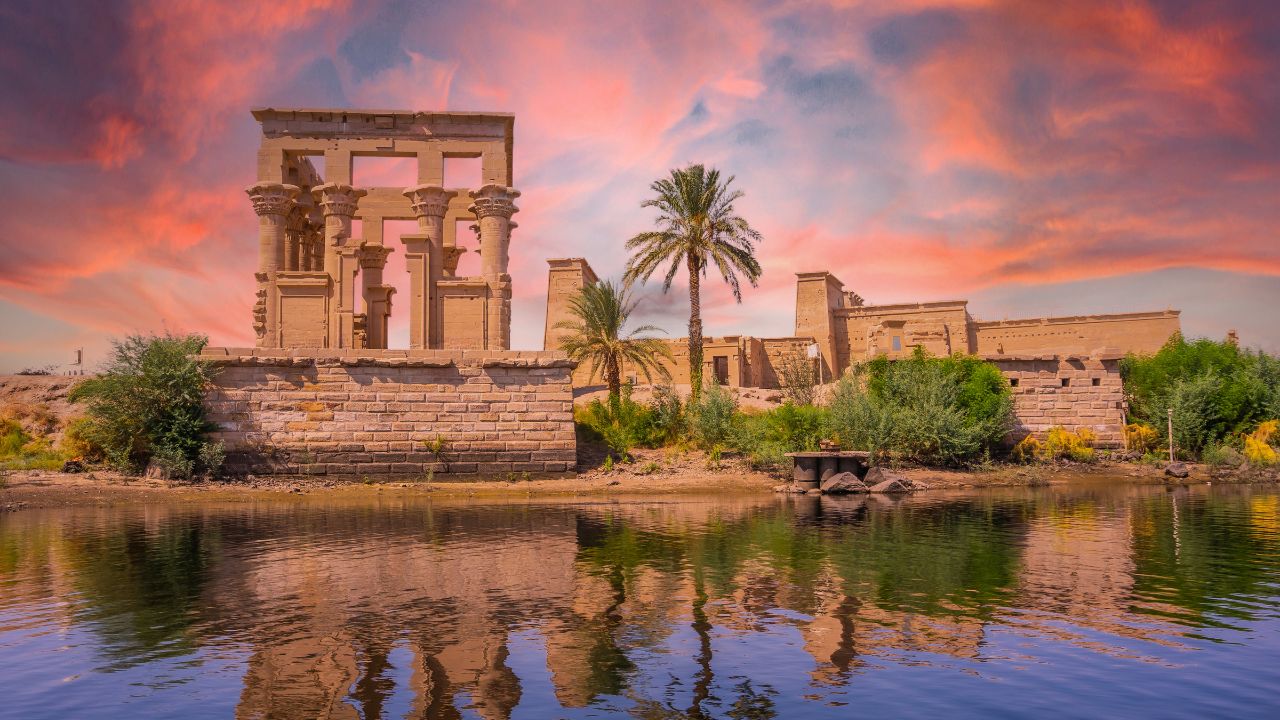
Aswan feels calmer, sunnier, and more spacious, with the river widening and turning the scenery into slow cinema. The region connects closely to UNESCO’s “Nubian Monuments from Abu Simbel to Philae” World Heritage property, linking temple heritage with a long cultural story.
Here, modern life is part of the view. Feluccas glide past islands while roads, neighborhoods, and infrastructure reflect a working southern hub rather than a theme park. Build in a sunset sail, then balance it with one serious heritage stop so the trip stays enjoyable instead of exhausting.
5. Minya
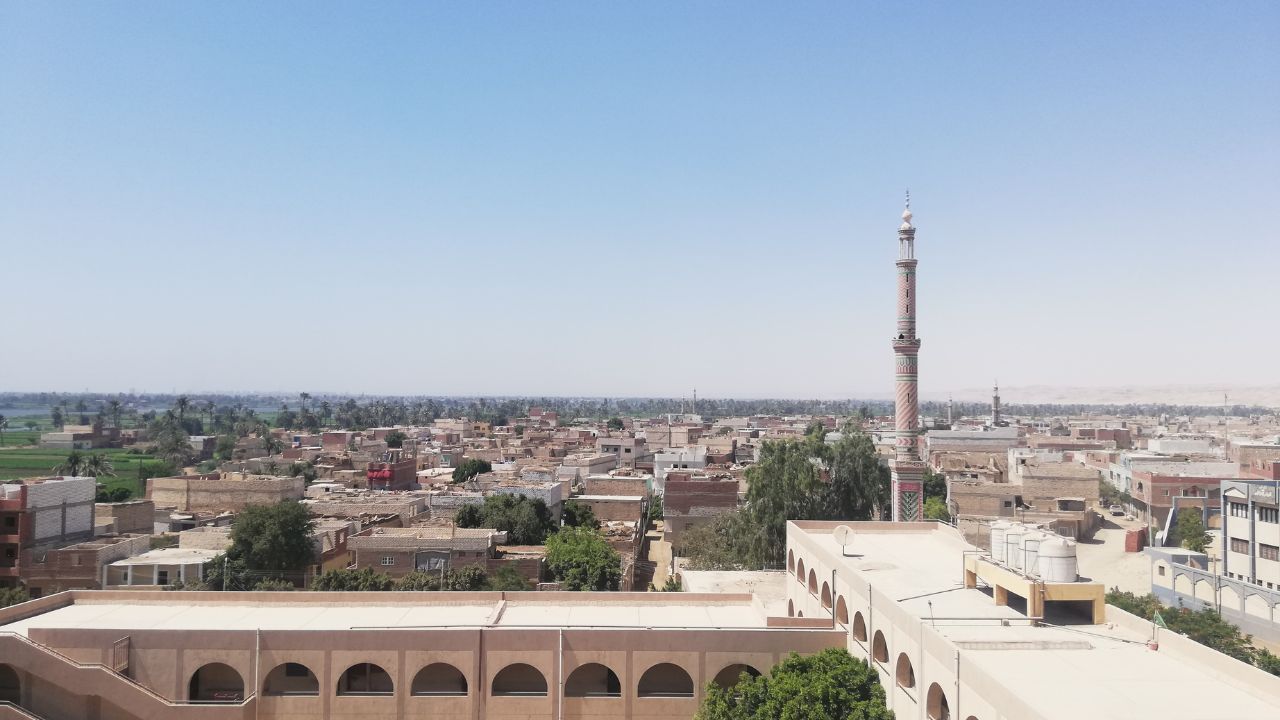
Middle Egypt is a cheat code for travelers who want major history without peak-season pressure. Minya works as a base for sites like Beni Hasan, a cemetery of well-preserved Middle Kingdom tombs highlighted on Egypt’s official monuments platform.
The surrounding region adds variety fast. Tell el-Amarna preserves the ruins of Akhetaten, the short-lived capital Akhenaten built on the east bank of the Nile, which gives you a very different chapter from the standard pharaoh greatest-hits circuit. Plan for a driver or organized transport, because distances feel short on a map and longer on the ground.
6. Port Said
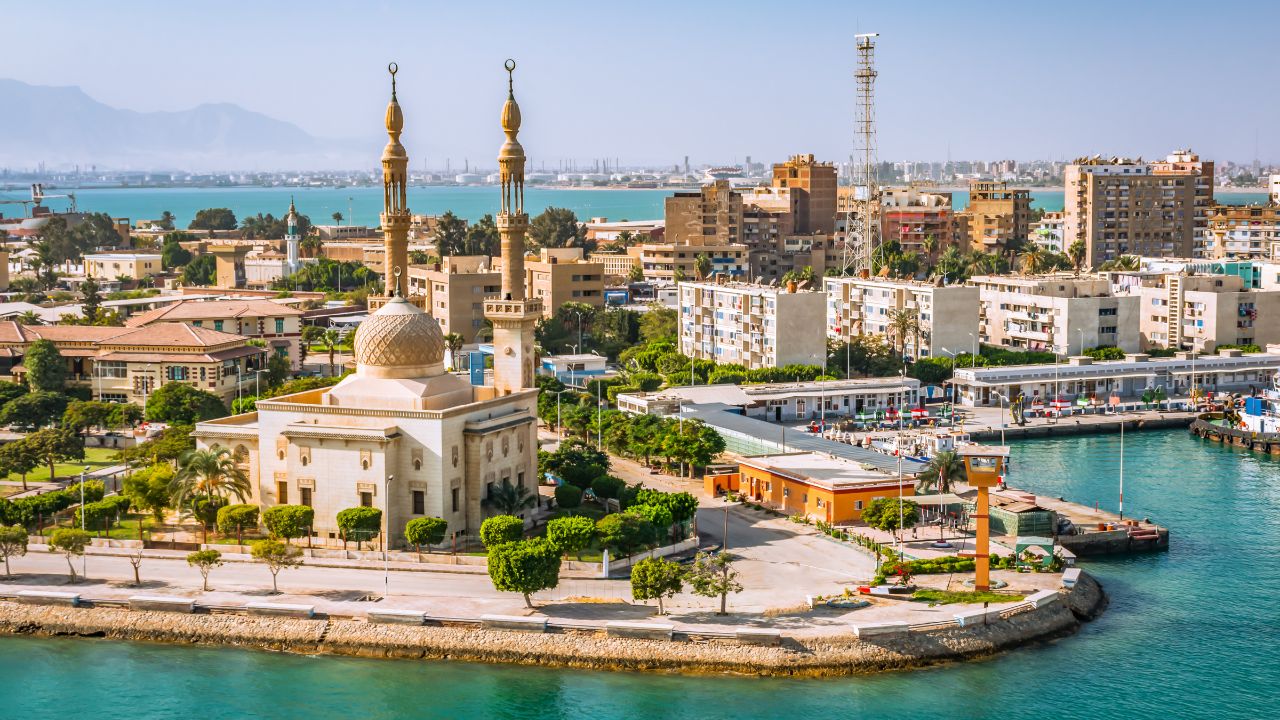
Port Said is canal energy mixed with breezy seaside life. Britannica notes the port was founded in 1859 at the northern end of the Suez Canal, and that origin still shapes its layout and identity.
The old-meets-new collision shows up in the streets. Look for older facades and waterfront views, then watch modern shipping activity roll by like moving architecture. This stop works best as a short, punchy visit: a long promenade walk, a seafood meal, and a canal-side pause that lets the scale sink in.
7. Ismailia
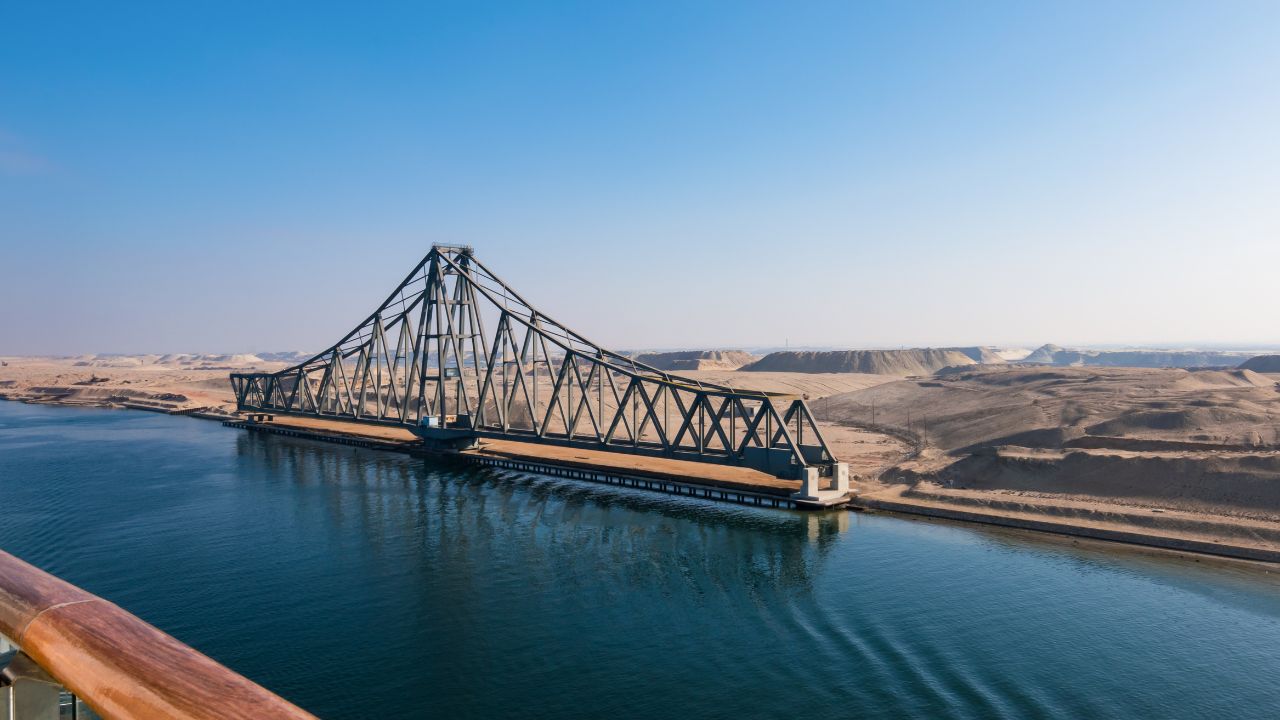
Ismailia is often overlooked, which is exactly why it can feel refreshing. Britannica describes it as founded in 1863 as a base camp tied to the Suez Canal project and named for Ismāʿīl Pasha, and the 19th-century planning still influences the vibe.
Lake Timsah adds a relaxed layer that many visitors do not expect. Parks, cafés, and breezy waterfront scenes create an easy pace, especially compared with faster, louder hubs. Treat this as a reset day: stroll, snack, and keep the schedule light so the destination can do its quiet work.
8. Suez
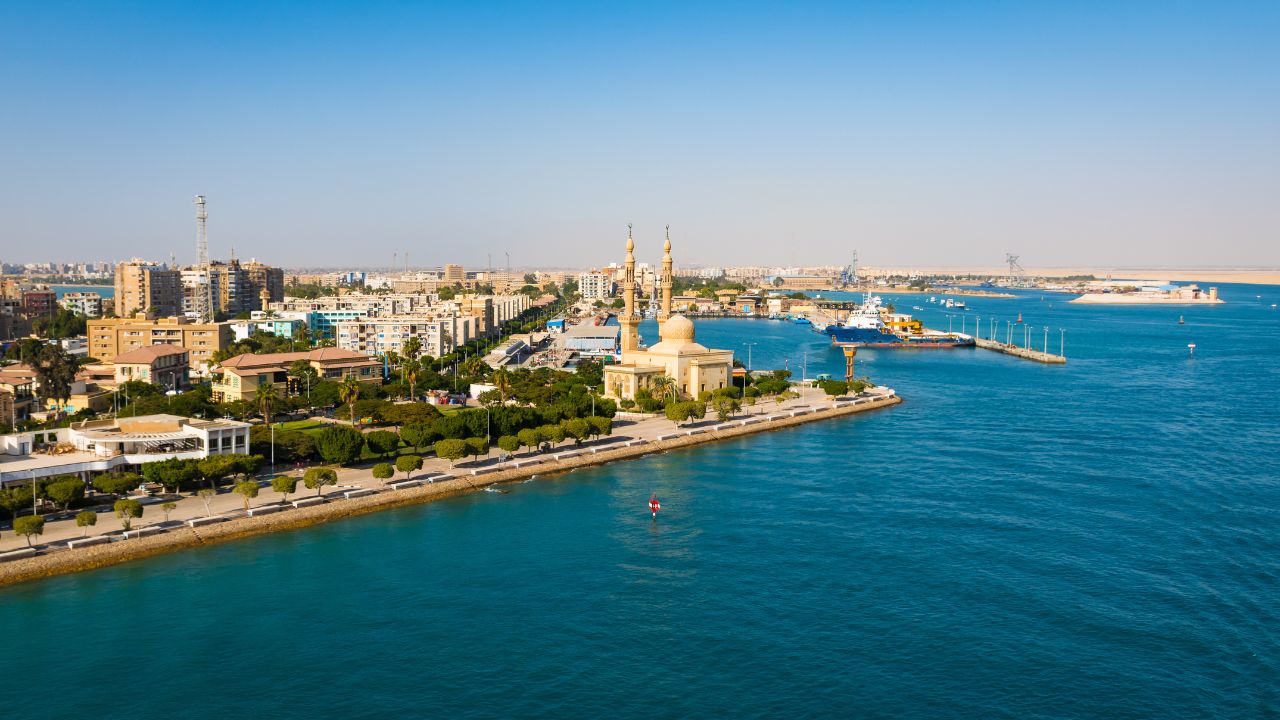
Suez is where global trade geography turns tangible. The Suez Canal inauguration ceremony took place on 17th November 1869, and the city sits at the southern gateway of that world-changing corridor.
Industry and history sit shoulder to shoulder here. Ports, shipping lanes, and working infrastructure give the place a practical edge, while the broader canal story adds the historical punch. Go with clear expectations: this is less postcard pretty and more watch how the planet functions, which can be surprisingly fascinating in person.
If you structure a trip around a mix of one northern coastal stop, one canal hub, and one southern heritage base, you get the full ancient-plus-current-day experience without sprinting. Egypt rewards travelers who pace themselves, hydrate aggressively, and treat each location as a living place first and a sightseeing checklist second.