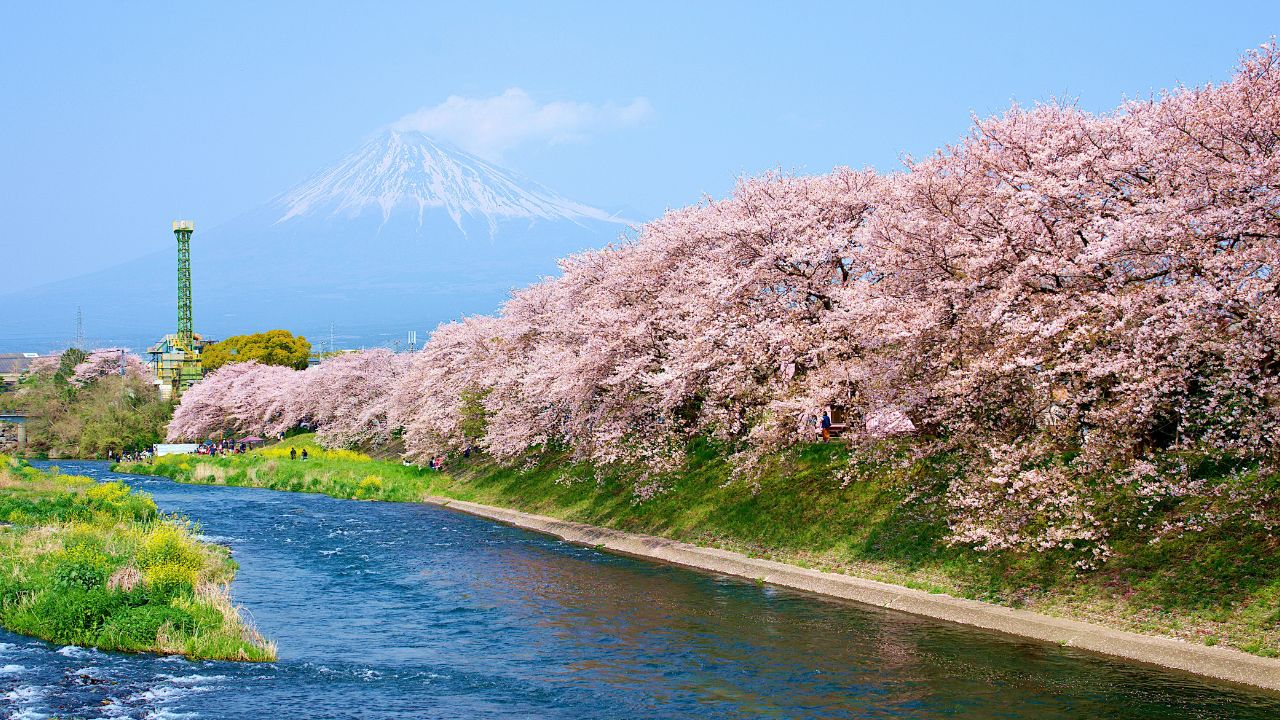
Late winter travel gets more interesting when you chase cherry blossoms in February, ahead of the main March bloom. Subtropical islands warm up first, and a handful of famous cultivars on Honshu open weeks before the usual schedule.
Dates swing with weather, so keep plans loose and check local bloom updates on arrival.
Use each section below as one slide for a simple itinerary. Every stop favors brief outings, straightforward access by public transit or car, and photo-friendly light even on cooler days. Pack a thin rain layer, bring a warm drink for waiting, and aim for weekday mornings when possible.
1. Nago Central Park and the Sea-View Lookout
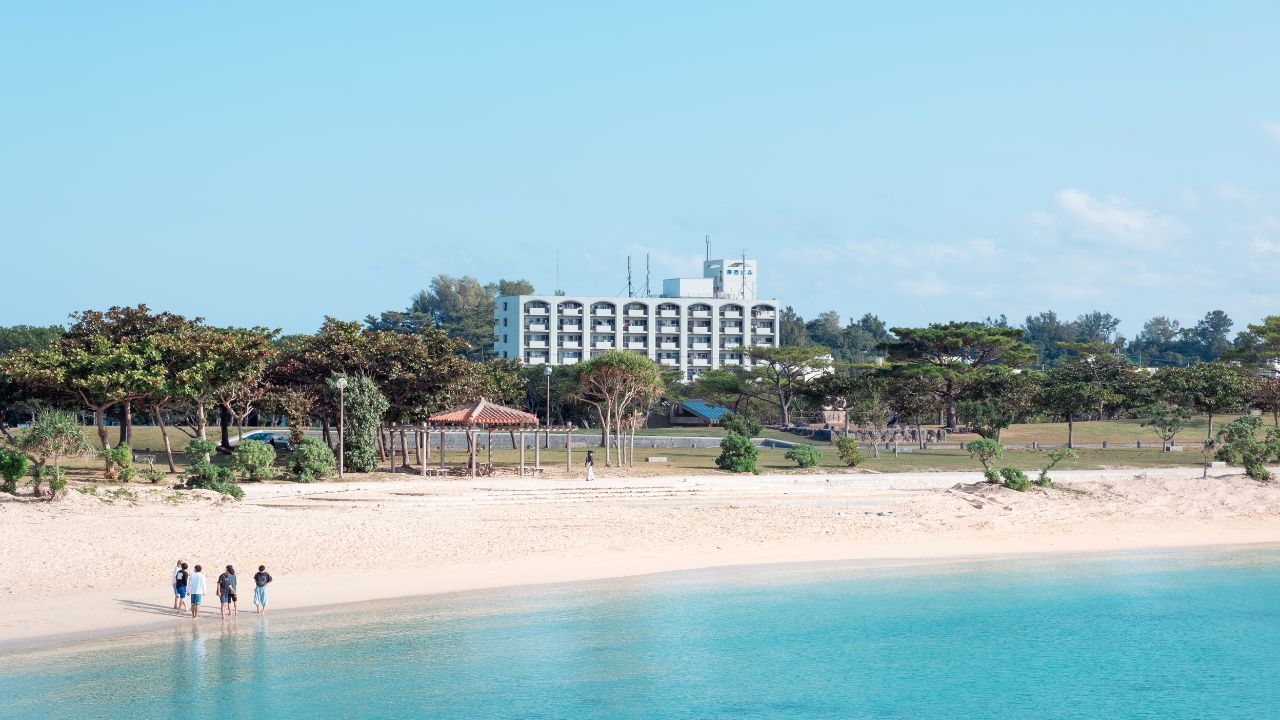
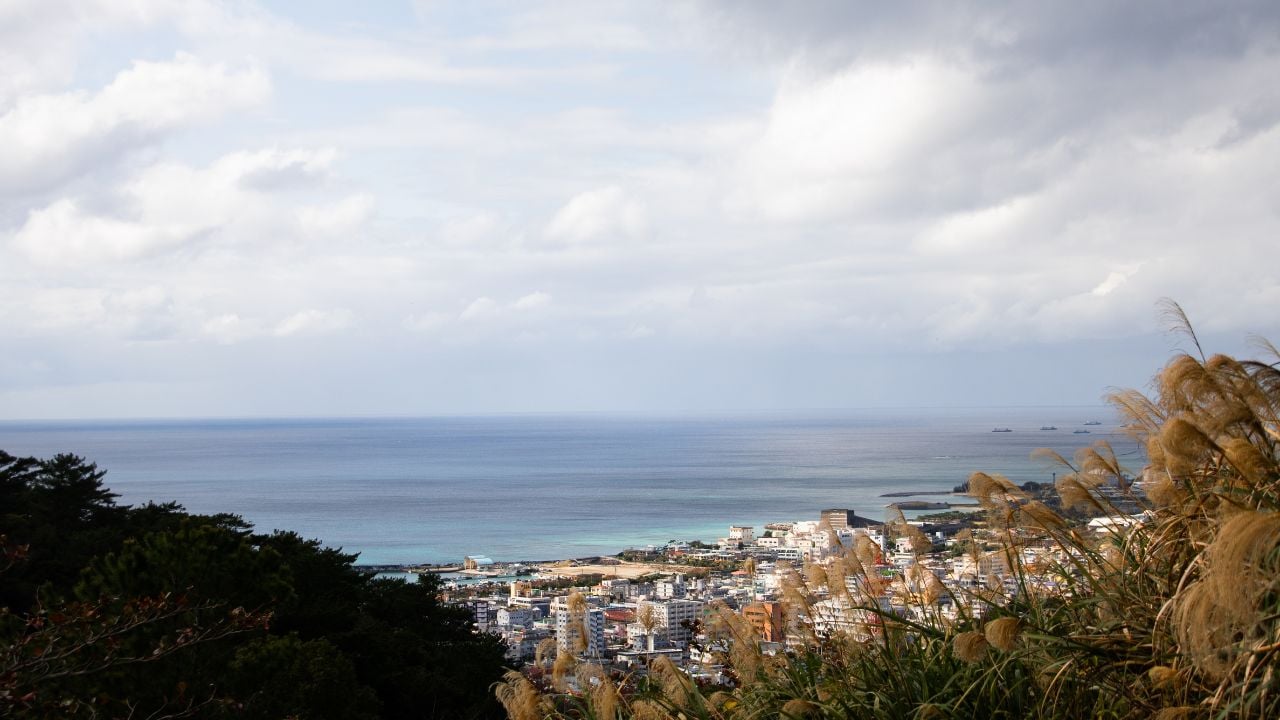
Hills above Nago often turn deep pink while much of the country still feels wintry. Head for the elevated viewpoints, where blossoms and coastline sit in the same frame on clear days. A short circuit here works well even if you are only in the north for a half-day.
Seasonal performances and snack stands can add energy during the busiest weeks. Arrive early if you are driving, since popular dates tighten parking quickly. Clear evenings are especially photogenic because the water behind the slopes catches the last light.
2. Motobu’s Mount Yaedake Drive
Curving lanes on Mount Yaedake create a slow-moving tunnel of color, with pull-offs for quick photos. This area is widely known for being among the first places in the country to flower each year. Soft morning light suits the uphill bends, especially after a passing shower.
Peak days bring traffic, so a dawn start keeps the climb calmer. Snacks and water matter here because viewpoints tempt frequent pauses. Nearby attractions in the Motobu area fit neatly into the same northern loop.
3. Nakijin Castle Ruins After Dark
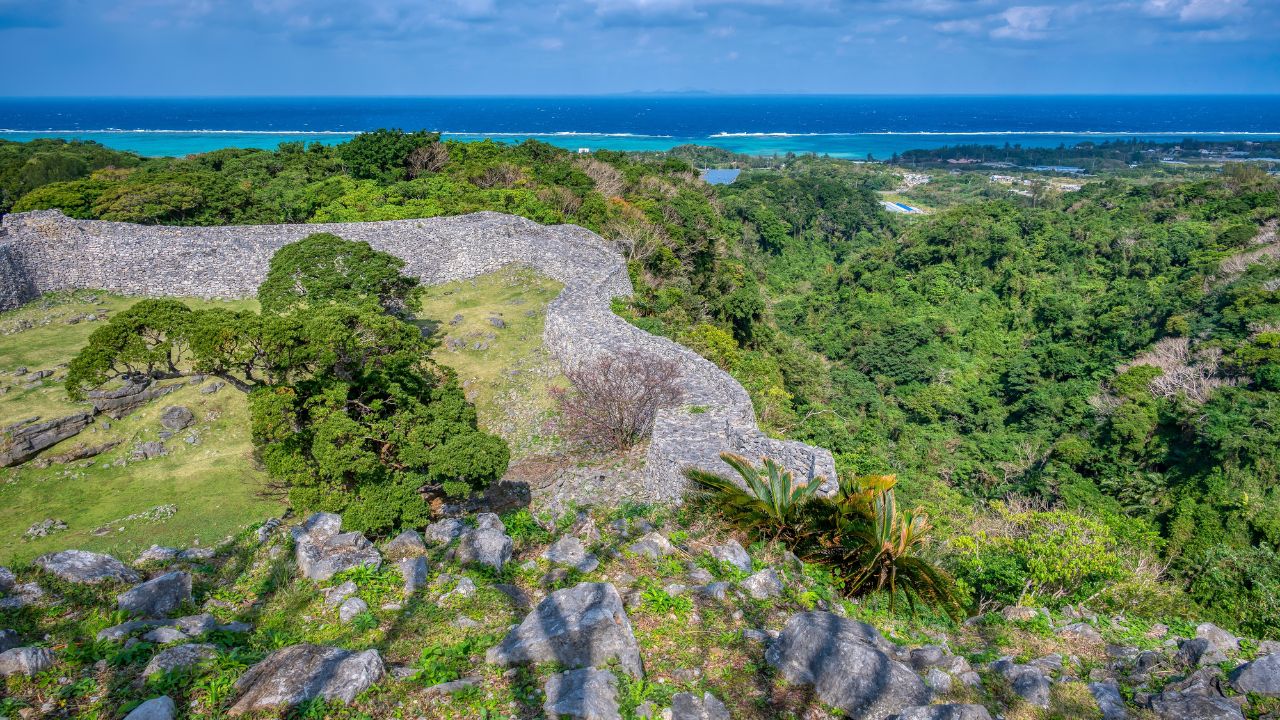
Stone walls at Nakijin Gusuku make an unforgettable backdrop once the lights come on at night. The illuminated viewing period typically lands around late January into early February, when the contrast feels almost theatrical. History and wintertime petals combine into a scene that looks designed for a camera.
Extra layers help, since the ridge can get breezy after sunset. Arrive before the lights come on to grab a clean angle, then stay for the glow. A late visit also sidesteps part of the midday tour bus rush.
4. Yogi Park in Naha
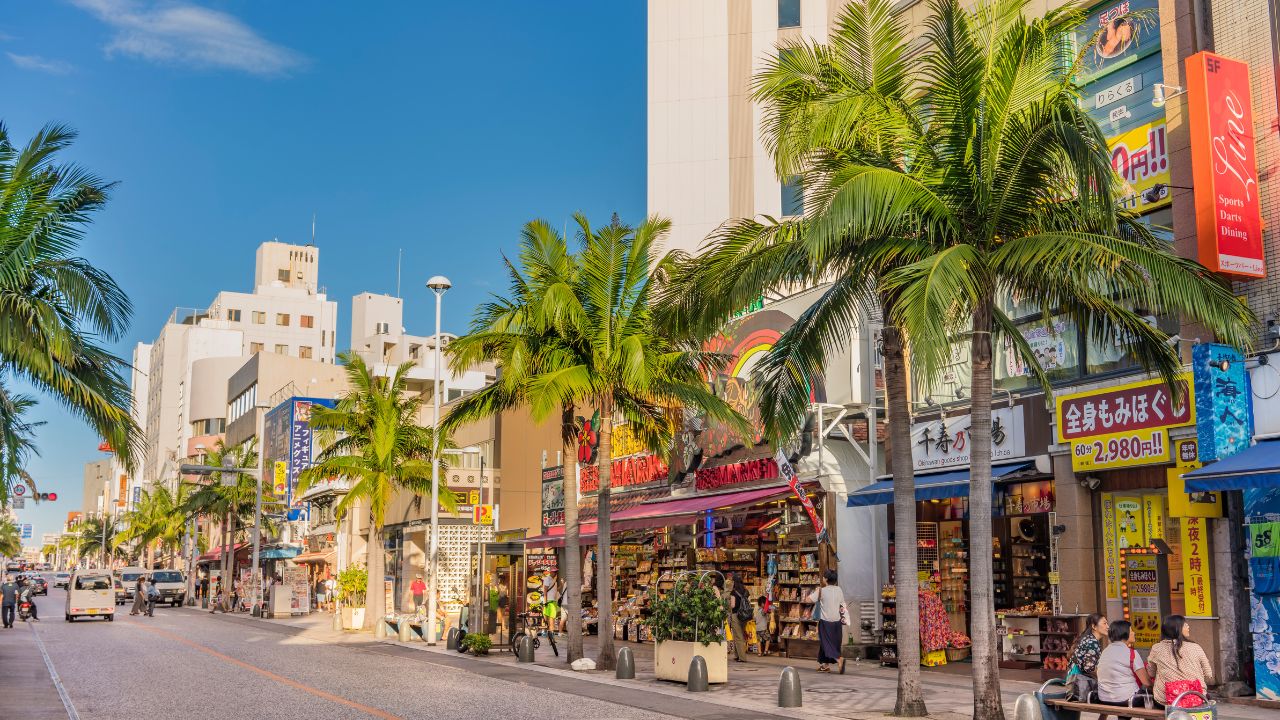
A city base still works for winter blooms, and Yogi Park keeps logistics simple. A streamside walk runs past dense clusters of deep-pink trees, and the city’s celebration often lands in the third week of February. The setting feels local and relaxed, not like a destination that requires a full-day commitment.
Mid-morning tends to be best, when light filters through branches without harsh glare. Kokusai-dori sits close enough for lunch and an easy return to hotels. Event details shift each year, so glance at the schedule before heading over.
5. Kawazu in Shizuoka
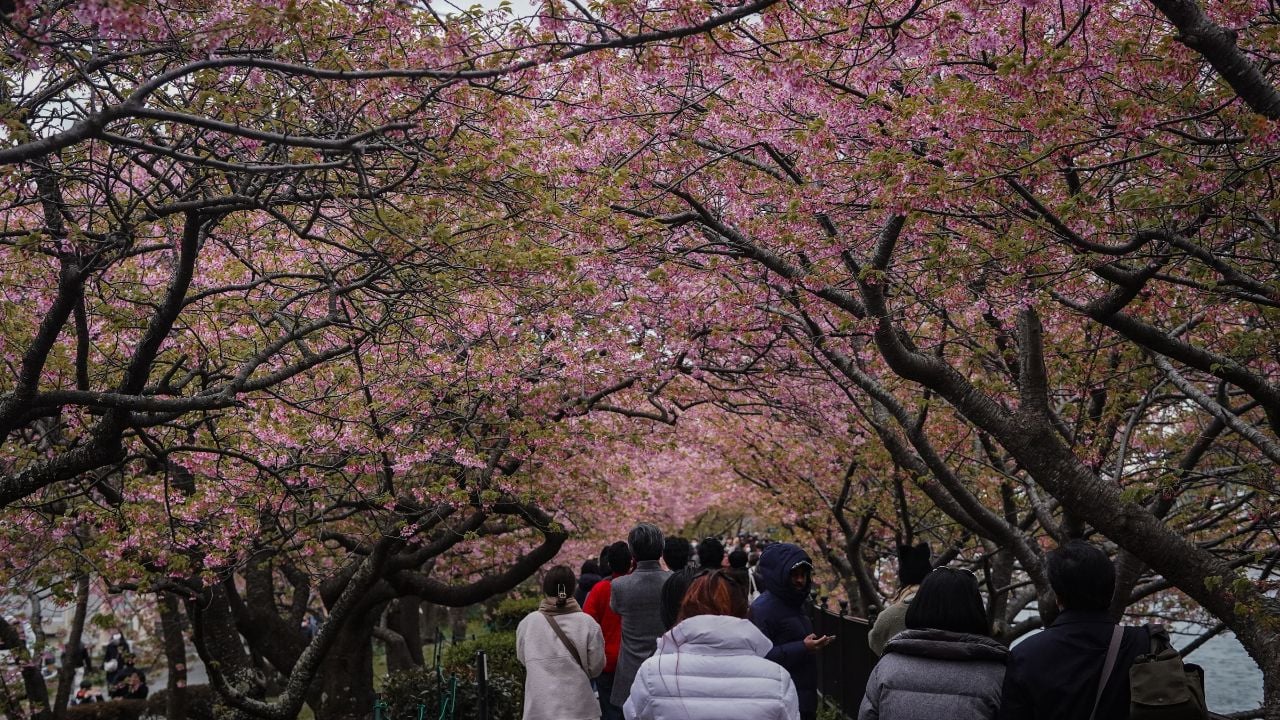
Kawazu is the name many travelers hear first for ahead-of-season color near Tokyo. The signature variety here is famous for a longer viewing period, and the town’s festival atmosphere adds food stalls and evening lighting. In many years, the strongest display lands in the second half of February.
Weekdays feel calmer than weekends, so plan around your crowd tolerance. Izukyu Line trains make the trip manageable without renting a car, but busy dates can sell out seats. A quick onsen stop nearby finishes the day well.
6. Minami-Izu’s Blossom and Rapeseed Stretch
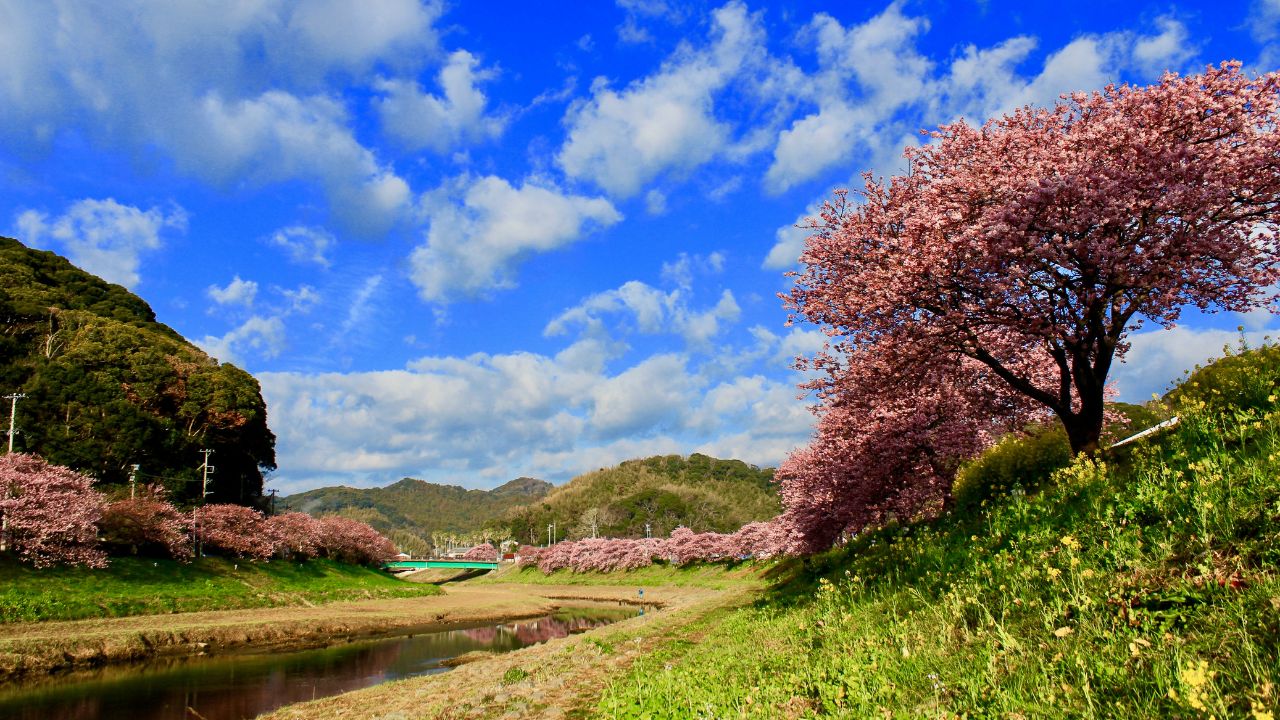
Minami-Izu pairs a riverbank corridor of pink with wide nanohana fields for a bold two-tone landscape. The town’s seasonal program is known for running from early February into March, which gives you a generous window. Open skies and low winter sun can make the colors look extra saturated in photos.
Shimogamo Onsen sits close, so the day naturally alternates between fresh air and hot water. Quiet angles appear with a short detour away from the busiest bridge zones. Late afternoon light adds texture to both petals and fields.
7. Inokashira Park in Tokyo
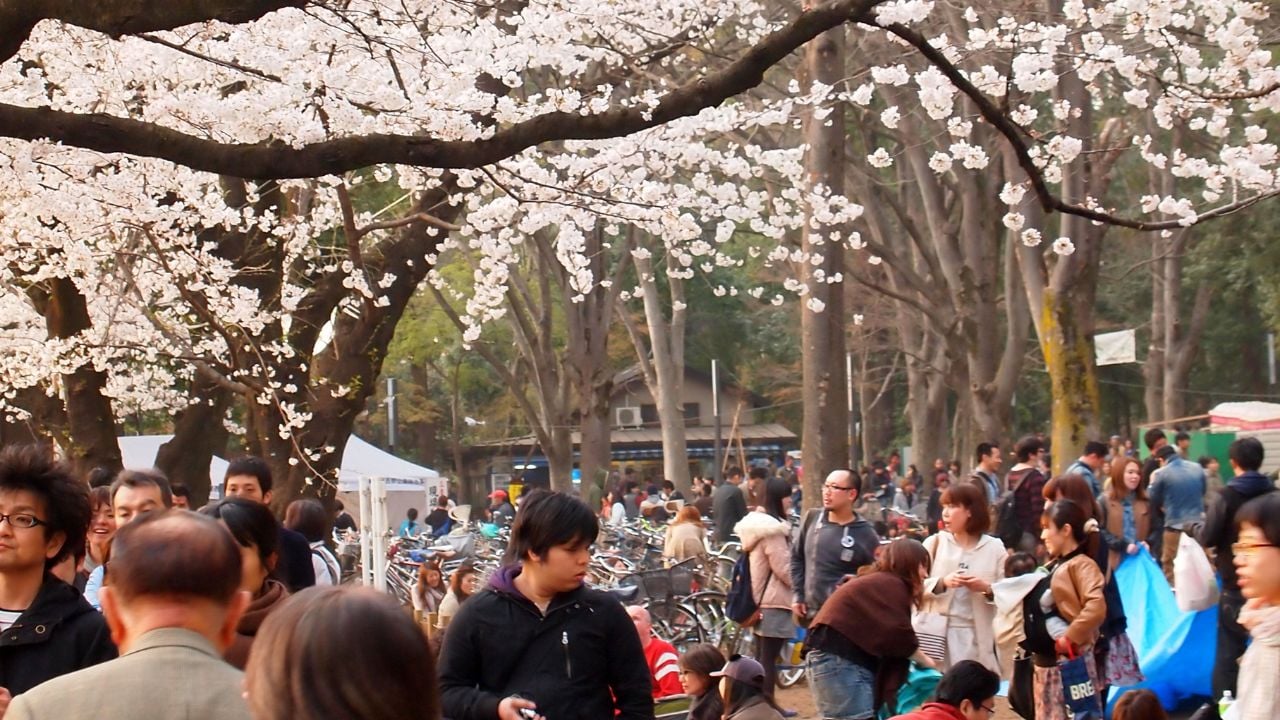
Tokyo’s winter-blooming pockets start showing color from mid-February onward, and Inokashira Park is one of the most pleasant. Look near the pond, where winter varieties appear in vivid tones that stand out against evergreens. The setting feels calm, even though it sits within easy reach of busy neighborhoods.
A slow lap around the water works better than rushing, since good views arrive in small bursts. Pair the stop with a visit to nearby cafés in Kichijoji for a warm break. Going on a weekday keeps the paths comfortable.
8. Shinjuku Gyoen’s Mid-February Trees
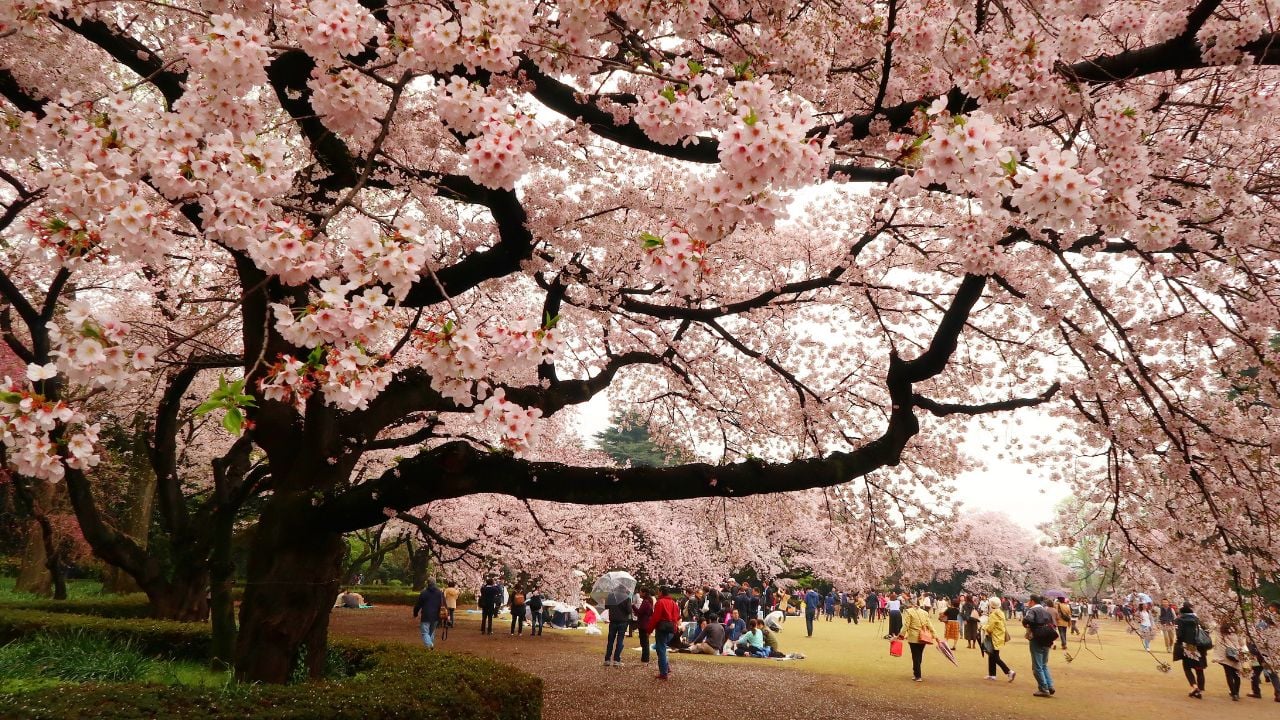
Shinjuku Gyoen is best known for spring, yet a few trees begin earlier in the season. Head toward the Japanese Traditional Garden area, where mid-February flowering can start before the main crowds arrive. The grounds are spacious enough to find quiet corners even when the entrance line looks long.
Arrive soon after opening for cleaner photos and fewer people in the background. A short visit still pays off because the scenery is curated and tidy in every direction. When wind picks up, sheltered paths help keep the experience pleasant.
9. Kyu-Nakagawa (Old Nakagawa) River with Skytree Views
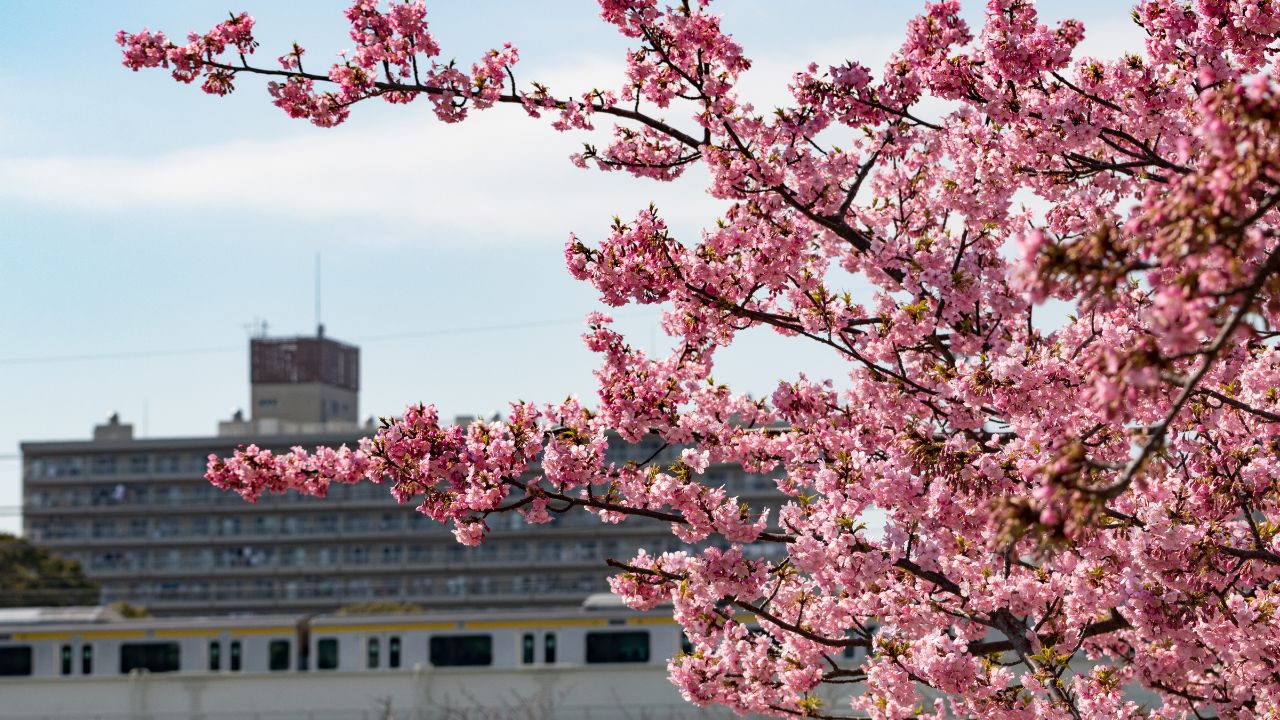
Tokyo has a few standout riverbank walks for winter blossoms, and the Kyu-Nakagawa River is one of the most distinctive. Some trees here can begin opening as early as the last week of January, and the river setting lines up sightlines toward Tokyo Skytree. The route fits easily between museums, shopping, or a dinner reservation.
Hirai Station works as a practical starting point, and open grass makes a quick break comfortable. Choose a calm day if possible, since wind along water can shake petals loose quickly. With coffee in hand, it feels like a gentle city reset rather than a major excursion.