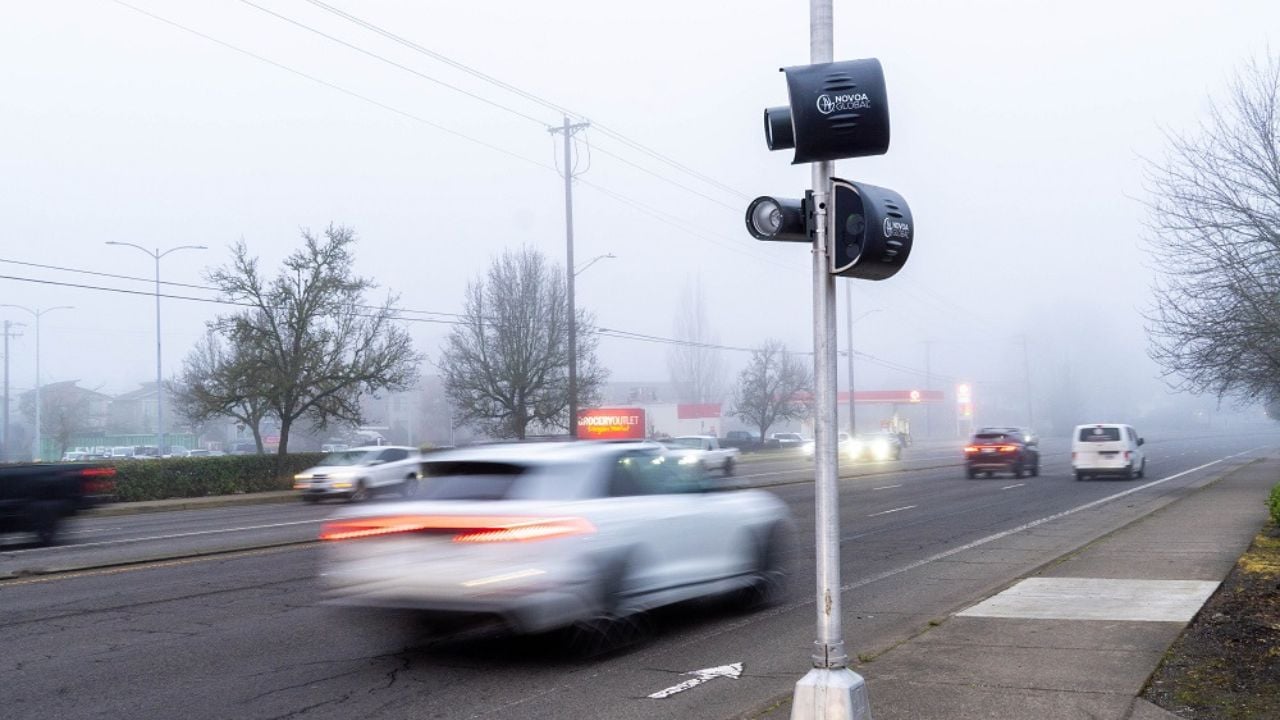

Colorado drivers have enough to worry about without their license plates developing identity crises. Yet for some motorists, the difference between an “O” and a “0” has turned into an unexpected trip through the traffic enforcement maze.
It is the sort of story that sounds like a punchline until the notice arrives in your mailbox. One day you are making coffee, and the next you are apparently speeding through a town you have not visited.
The culprit is not a criminal mastermind with access to cloning technology. It is a combination of license plate design and automated readers that occasionally decide two entirely different vehicles are one and the same.
For drivers caught in the mix, clearing their names can require hearings, paperwork, and patience. It turns out the alphabet can be expensive when it borrows from the number line.
Jackie Linnabury’s Ticket From a Place She Wasn’t
The issue came into focus through a 9NEWS investigation in Colorado, which highlighted how automated license plate readers can misidentify vehicles because of similarities between letters and numbers.
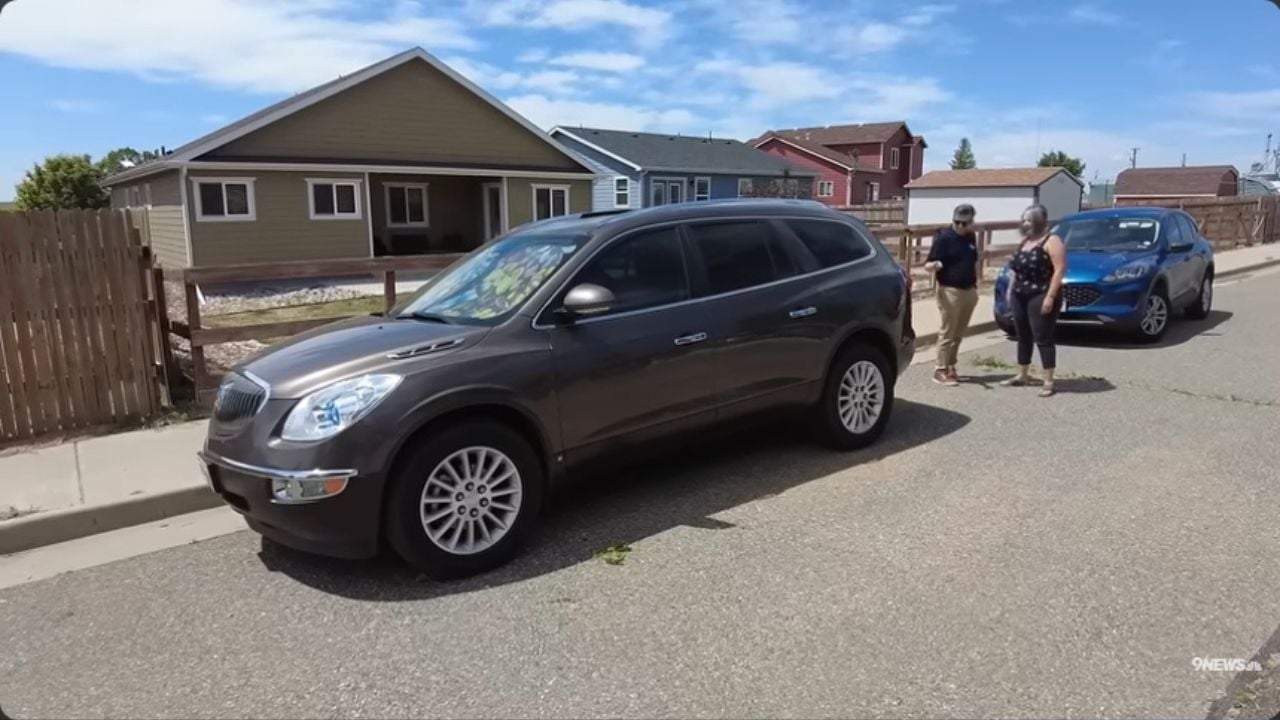
One of the people featured was Jackie Linnabury, who received a speeding ticket issued by the town of Hudson, northeast of Denver. According to the citation, her vehicle had been caught speeding by camera enforcement.
There was one problem. At the time of the alleged violation, Linnabury was roughly two hours away from Hudson. She had not been driving through the area at all. The photograph attached to the ticket raised even more questions.
The image showed a Toyota, while Linnabury drove a Buick Enclave. The license plate, however, appeared close enough to hers for the system to make a match. The speeding vehicle’s plate contained the letter “O,” while Linnabury’s included the letter “D.” Apparently, automated systems are not always fans of typography.
How Colorado’s Plate Format Created the Problem
The roots of the issue stretch back to around 2018. Colorado needed more combinations for license plates after older formats exhausted available sequences. To solve that problem, the state adopted a format using four letters followed by two numbers.
That decision increased the number of possible combinations. It also placed characters together in ways that created opportunities for confusion.
Letters such as “O” could appear in positions where numbers had previously been expected. Since “O” bears a resemblance to zero under certain conditions, readers and even humans could struggle to tell them apart. Other lookalike combinations exist as well.
An uppercase “I” can resemble the number “1.” The number “5” can resemble the letter “S.” Depending on lighting conditions, viewing angles, or image quality, distinctions can blur. The result is a system that occasionally treats two unrelated drivers as identical.
Cameras, Contests, and the Cost of Being Right
Automated license plate readers, often referred to as ALPR systems or Flock cameras, are used by law enforcement agencies and municipalities for enforcement and investigative purposes. When those systems make errors, the burden often shifts to drivers.
Linnabury had to challenge her citation and prepare for a Zoom hearing to establish that she had not committed the offense. That process required time and effort despite the vehicle in the evidence photo being different from her own.
Other Colorado residents have reported similar experiences. Some have received parking citations tied to vehicles they did not own. Others have faced traffic stops after officers relied on plate information that turned out to be incorrect.
Colorado’s Department of Motor Vehicles acknowledges that these incidents occur. Officials also maintain that the number of cases is not extensive. That distinction may offer little comfort to the person explaining that their Buick did not transform into a Toyota for an afternoon.
Colorado’s Attempt To Fix an Alphabet Problem
State officials have already taken steps aimed at reducing confusion. In 2024, Colorado removed the letter “O” from the fourth character position on newly issued plates. The goal was to limit opportunities for systems to mistake letters for numbers.
Other solutions have been considered. A slashed zero, used in some contexts to distinguish the character from the letter “O,” was not adopted because officials believed it could create confusion with other characters such as “8” and “Q.”
Other states avoid certain letters and numbers altogether when issuing plates. For Colorado drivers, the episode has fueled questions about oversight and review before citations are issued. Technology can process data at scale, but people still expect accuracy when fines, hearings, and police encounters are involved.
After all, most drivers accept that nobody is perfect. They just did not expect the alphabet to need legal representation.