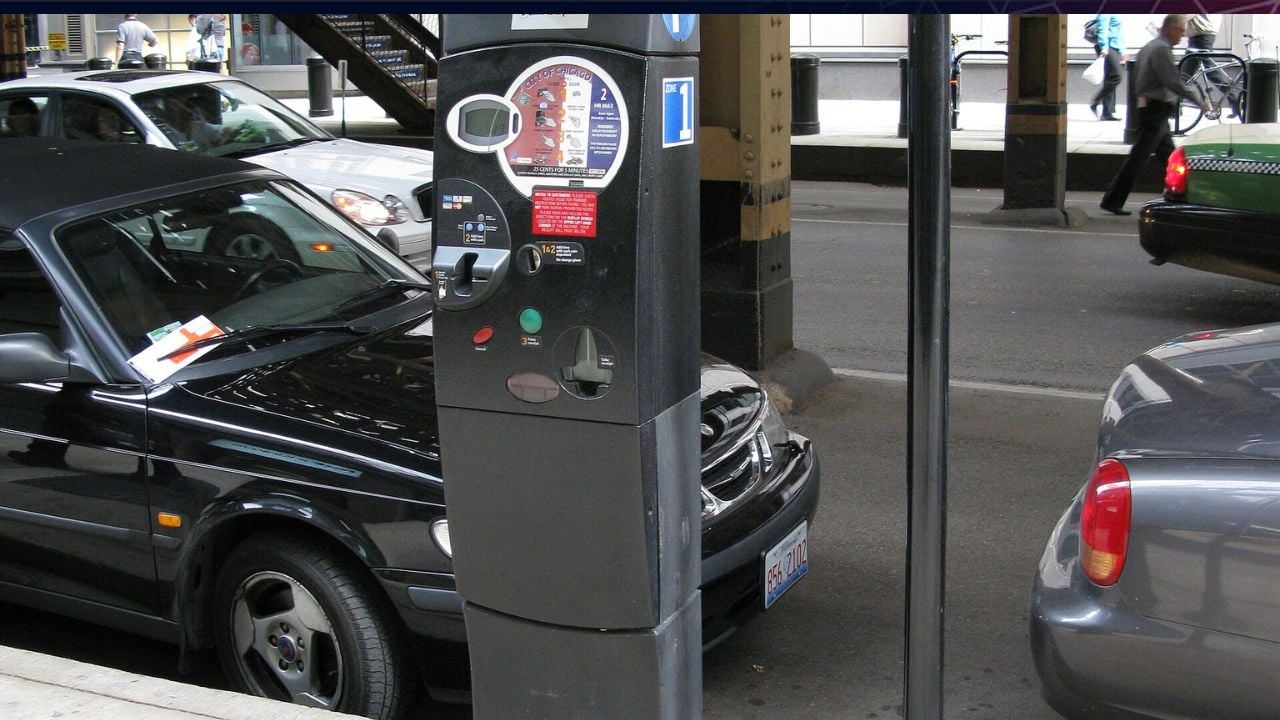

Thousands of drivers in Chicago may soon receive refunds after a major court ruling found the city illegally overcharged motorists for parking and city sticker violations for more than a decade.
A judge in Cook County determined that the city violated state law by charging drivers more than the maximum amount allowed for municipal ordinance violations. The decision could force the city to return tens of millions of dollars to drivers who paid excessive fines.
The ruling stems from a class action lawsuit that challenged the way Chicago calculated penalties for certain violations. Under Illinois law, the combined total of fines and penalties for a single ordinance violation cannot exceed $250.
However, the lawsuit argued that Chicago routinely ignored this cap by stacking additional late fees and penalties onto tickets. As a result, many drivers ended up paying hundreds of dollars beyond what the law permits.
Rideshare Driver Lost Income Over $1,600 in Sticker Fines
One of those drivers is Kyle Archer, a new father who says his experience highlights how severe the penalties became. Archer accumulated roughly $1,600 in fines related to city sticker violations. At the time, he was driving for rideshare companies to earn a living.
The financial burden had consequences beyond the tickets themselves.
According to Archer, once he became indebted to the city, he was no longer allowed to continue driving for Uber or Lyft. That restriction effectively cut off his ability to earn income through rideshare work.
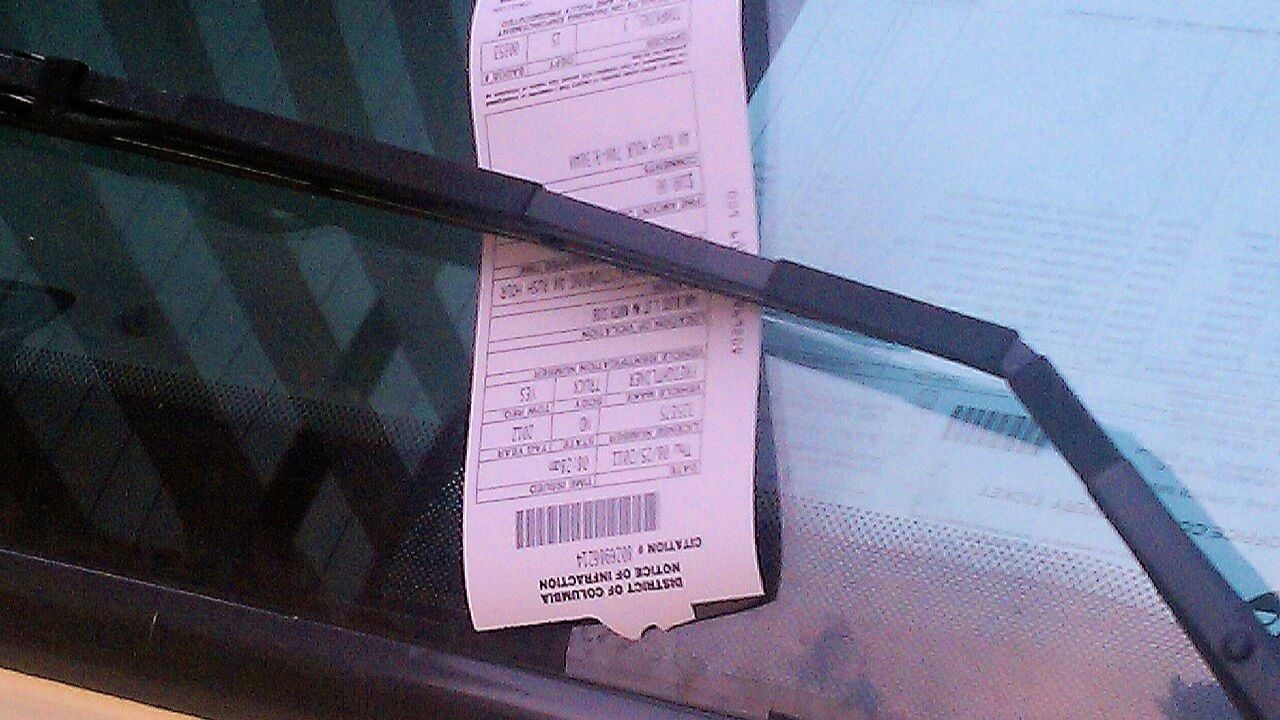
Archer’s case eventually became part of a broader class action lawsuit representing thousands of drivers who faced similar penalties.
Lawsuit Claims City Targeted Struggling Drivers
Attorneys involved in the case say the city’s practices disproportionately affected people who were already struggling financially. Many drivers accumulated large debts simply because they could not pay the original fines immediately. As late fees piled up, the total often climbed far beyond the legal limit.
Lawyers representing the drivers say about 80 percent of the violations involved city sticker tickets. These are citations issued when vehicles are not properly registered with a city sticker required for residents.
The lawsuit also revealed that Chicago quietly stopped imposing the excessive charges around three years ago, shortly after the case was filed. Attorneys argue that the change suggests city officials were aware the policy could not withstand legal scrutiny.
Despite multiple court setbacks during the litigation, the city continued to defend its position.
City Could Repay $163 Million
Now the judge’s ruling opens the door to significant refunds. Drivers who paid more than the $250 legal cap may be entitled to receive the difference between what they paid and the lawful maximum.
Legal experts involved in the case estimate the decision affects more than one million tickets issued over roughly ten years. The total amount tied to those excessive charges could reach about $163 million.
If the ruling stands, Chicago may have to repay tens of millions of dollars to drivers and potentially cancel millions more in outstanding penalties that exceed the legal limit.
City May Appeal
For now, however, refunds are not guaranteed.
City officials say they are reviewing their legal options and could still appeal the decision. An appeal could delay any potential repayment program while the case continues through the courts.
Meanwhile, attorneys representing the drivers are urging people to keep any records related to parking tickets or city sticker violations. Payment receipts, ticket notices, and other documentation could become important if a formal refund process is eventually created.
The case comes amid growing scrutiny over municipal ticketing systems and the financial pressure they can place on drivers. For thousands of Chicago motorists, the court’s decision may finally offer relief after years of paying fines that exceeded what the law allows.
Note: This article contains embedded video. Embedded media may not display on all platforms. The video is available on our website here.