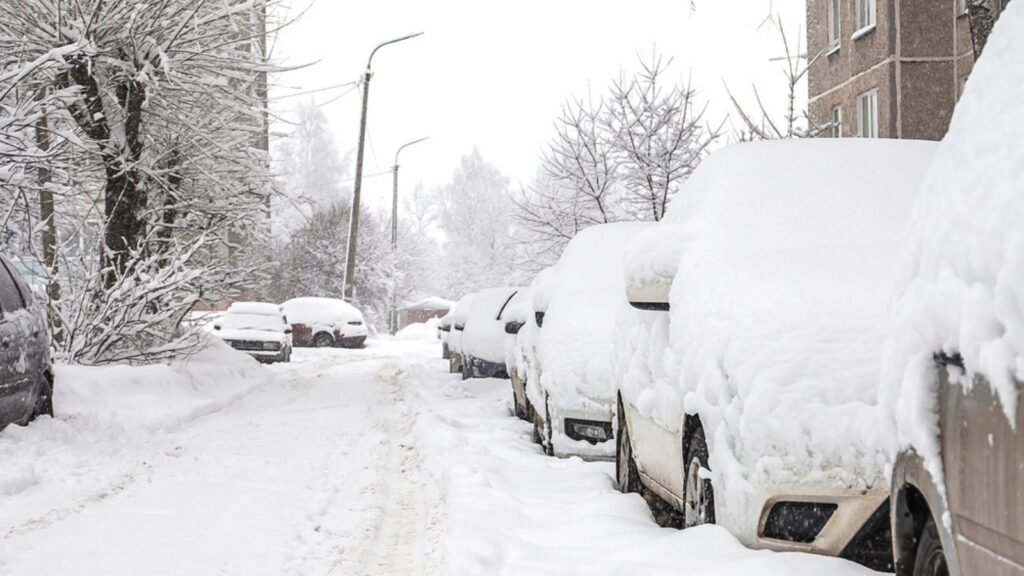
Winter transforms your car into something of a mobile freezer, and while that’s great for keeping your road trip snacks cold, it’s not ideal for a surprising number of everyday items. When temperatures dip below freezing, your vehicle becomes an environment that can damage, destroy, or render useless things you might not think twice about leaving behind.
From everyday electronics to emergency supplies that ironically become useless in extreme cold, your car’s interior can approach outdoor temperatures within a few hours when left parked in cold weather. Whether you’re dealing with single-digit temps or just consistent below-freezing weather, knowing what to bring inside can save you money, frustration, and potentially even keep you safer on winter roads.
Smartphones and Electronics
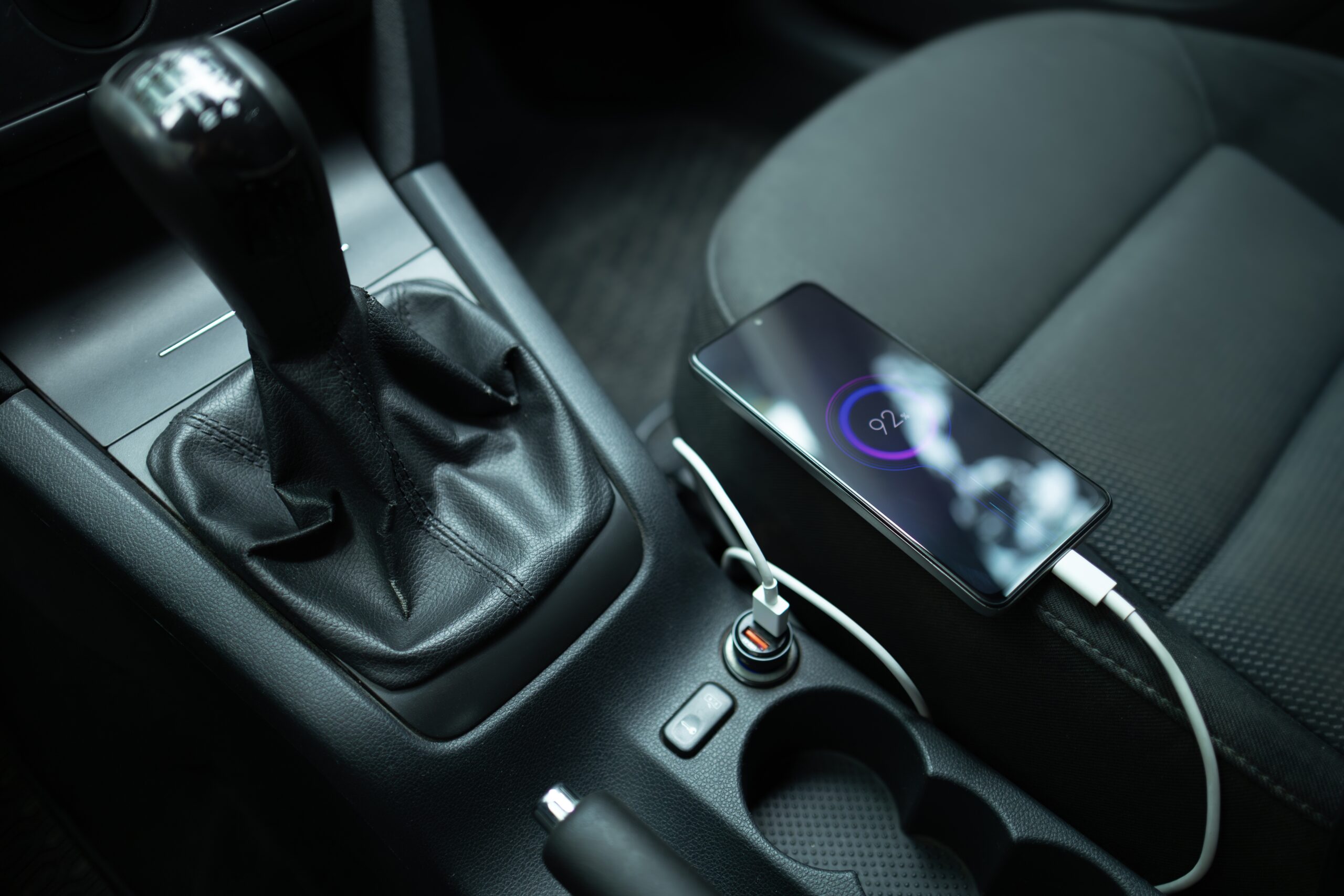
Your iPhone might love winter about as much as you love scraping ice off your windshield at 6 AM, which is to say, not at all.
Lithium-ion batteries, the power source in virtually all modern electronics, can suffer a noticeable temporary drop in usable capacity and power output below freezing, and charging a battery that’s below freezing can cause damage, and extreme cold can cause permanent damage to the battery cells. Even more concerning, condensation can form when a frozen device is brought into a warm space, and in rare cases internal moisture can cause damage, so let it warm gradually before use/charging. Your laptop, tablet, gaming devices, and even wireless earbuds are all vulnerable to the same issues.
If you absolutely must leave electronics in your car, at least power them down completely and give them time to gradually warm up before turning them on again.
Canned Beverages and Carbonated Drinks
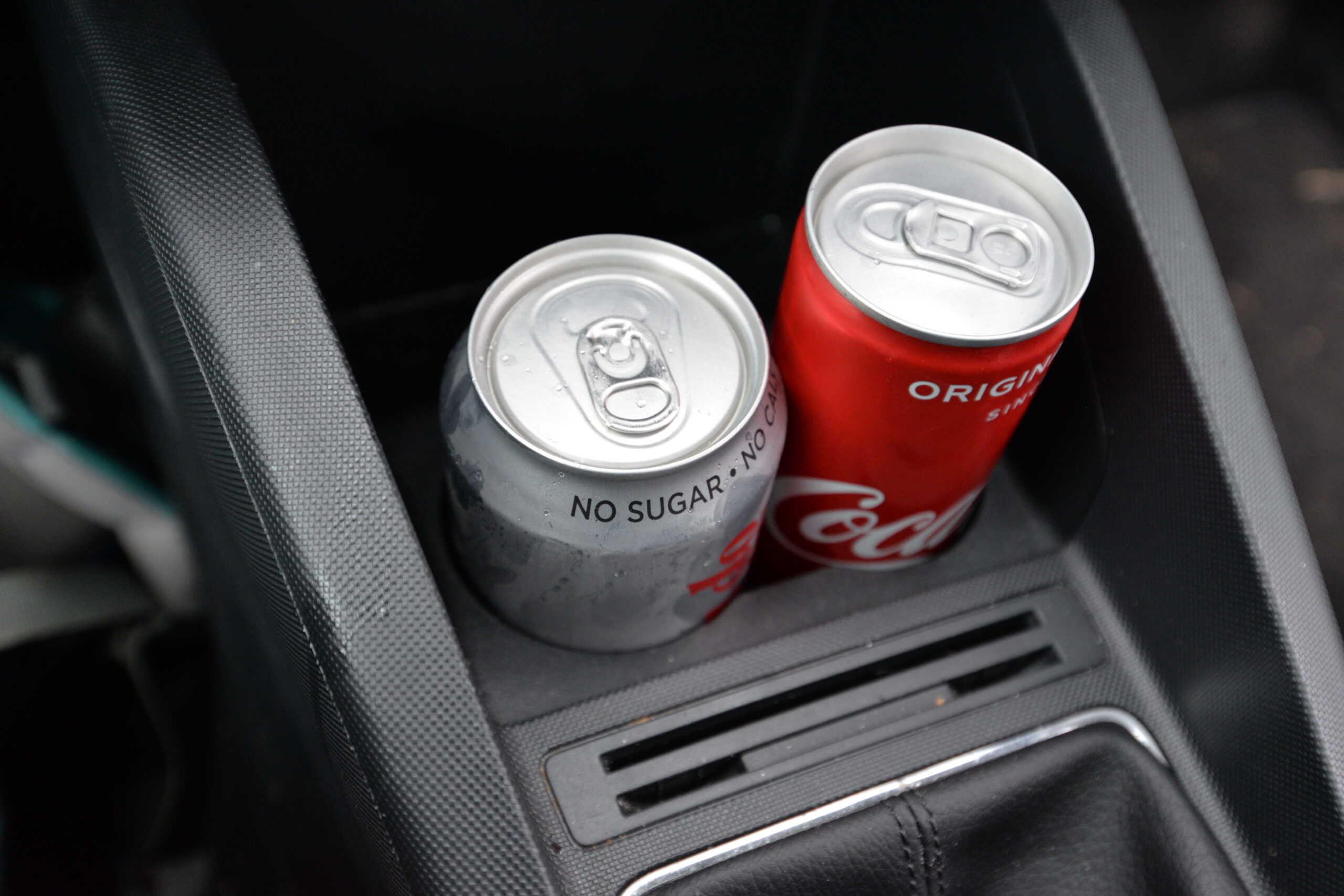
That case of LaCroix you forgot in the backseat is about to become a spectacular mess that you’ll be cleaning out of your car’s upholstery until spring.
When water freezes, it expands by about 9%, and since most beverages are primarily water, they follow the same physics, meaning that soda can or beer bottle is essentially a small bomb waiting to go off. Once that liquid expands beyond the container’s capacity, you’re looking at burst cans, shattered glass bottles, and sticky frozen puddles in every crevice of your vehicle.
Even if the container survives intact, the freeze-thaw cycle degrades carbonation and can alter the taste, so that celebratory road trip soda is going to be disappointingly flat anyway.
Medications and Prescription Drugs
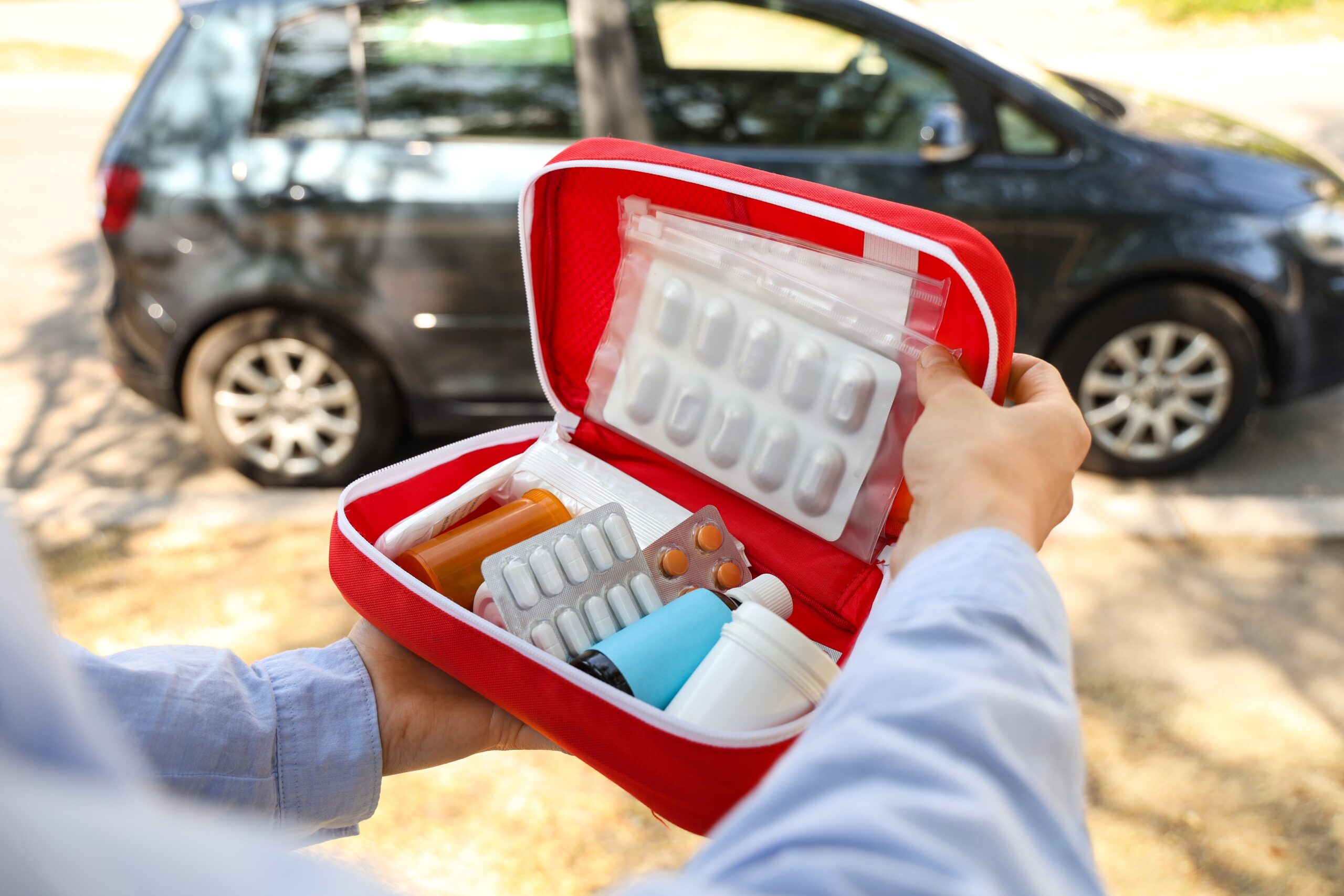
Leaving your medications in a frozen car is like storing them in conditions their manufacturers specifically warned against, which should tell you something right there.
Many medications are labeled for USP ‘controlled room temperature’ (68°F–77°F) with permitted excursions, and some are damaged by freezing, especially liquids and biologics like insulin, and exposure to freezing temperatures can break down the active ingredients, making them less effective or potentially creating harmful byproducts. Liquid medications are particularly vulnerable since they can separate, freeze, or change consistency in ways that make proper dosing impossible. Insulin, antibiotics, eye drops, and even common pain relievers can all be compromised by cold exposure, and there’s often no visible way to tell if they’ve been damaged.
Latex or Acrylic Paint
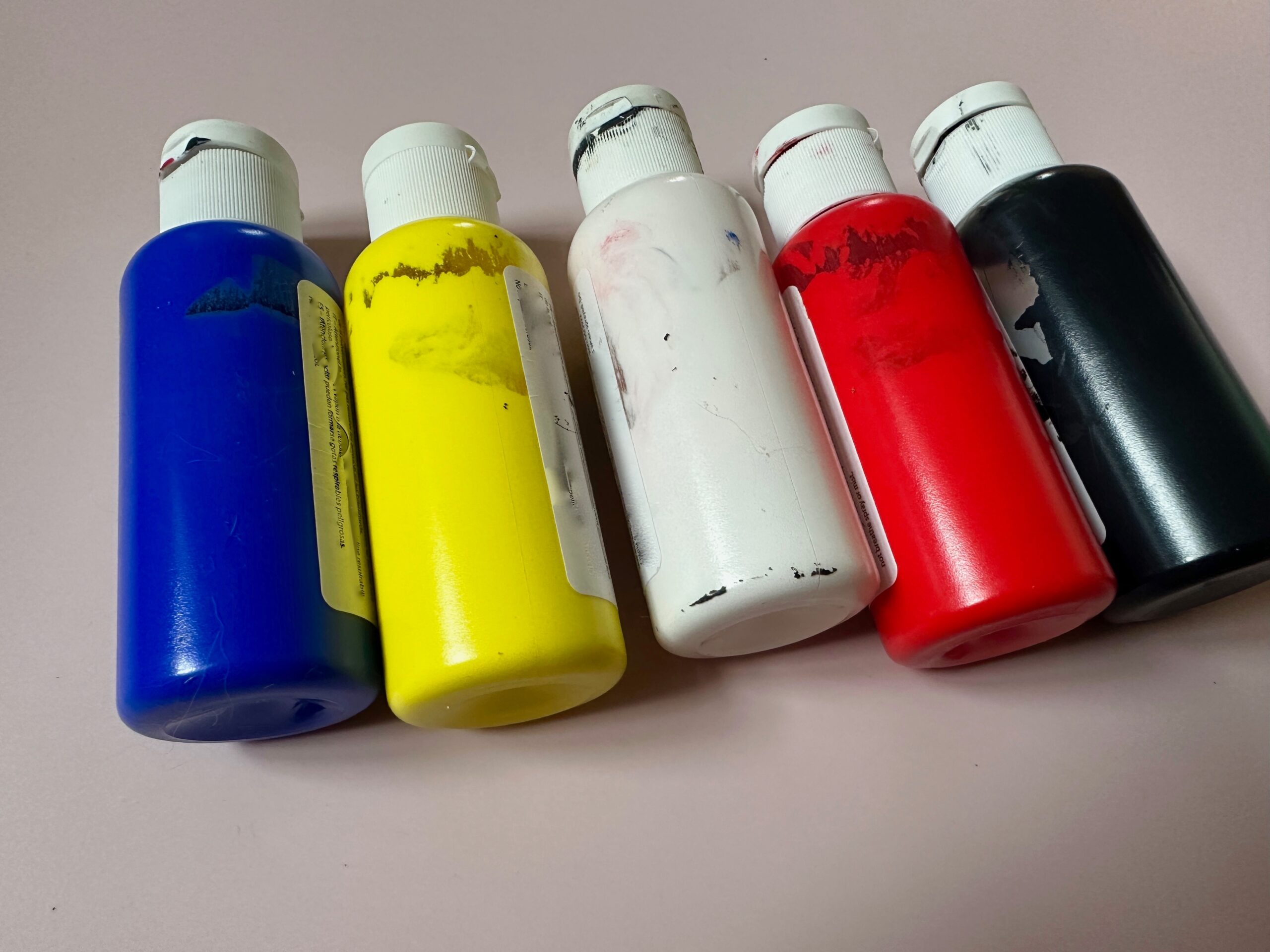
If you’ve been meaning to finish that interior painting project and left the supplies in your garage or car, winter weather has probably already ruined them without you noticing.
Water-based (latex) paints can be ruined by freezing around 32°F (exact point varies by formulation), and may not recover after thawing, and once frozen, the chemical bonds that keep the paint properly mixed and effective break down permanently, even after thawing, the paint becomes grainy, separated, and essentially unusable. The polymer resins and additives that give paint its coverage and durability don’t survive the freeze-thaw cycle, so you’ll end up with a chunky, separated mess that won’t adhere properly to any surface. Even if the paint looks okay after thawing, it’s likely lost its adhesion properties and color consistency.
Oil-based paints handle cold slightly better, but they can still thicken to an unworkable consistency and develop skin formations in freezing temperatures, making your next weekend project a non-starter.
Musical Instruments

Your guitar doesn’t appreciate being left in Arctic conditions any more than you would, and wooden instruments are particularly sensitive to temperature and humidity swings.
When wood is exposed to freezing temperatures, it contracts, which can cause cracks in the body, neck warping, or separation of glued joints, damage that can cost hundreds or even thousands of dollars to repair on quality instruments. The finish on guitars, violins, and other wooden instruments can also crack or craze when subjected to extreme cold, and even if the structural integrity remains, you’re looking at cosmetic damage that affects resale value. Brass and woodwind instruments face their own issues, with pads hardening, keys sticking, and valve oil thickening to the point where the instrument becomes unplayable.
Beyond the physical damage, bringing a cold instrument directly into a warm room creates condensation that can damage pads, corrode metal components, and warp wood even further.
Aerosol Cans
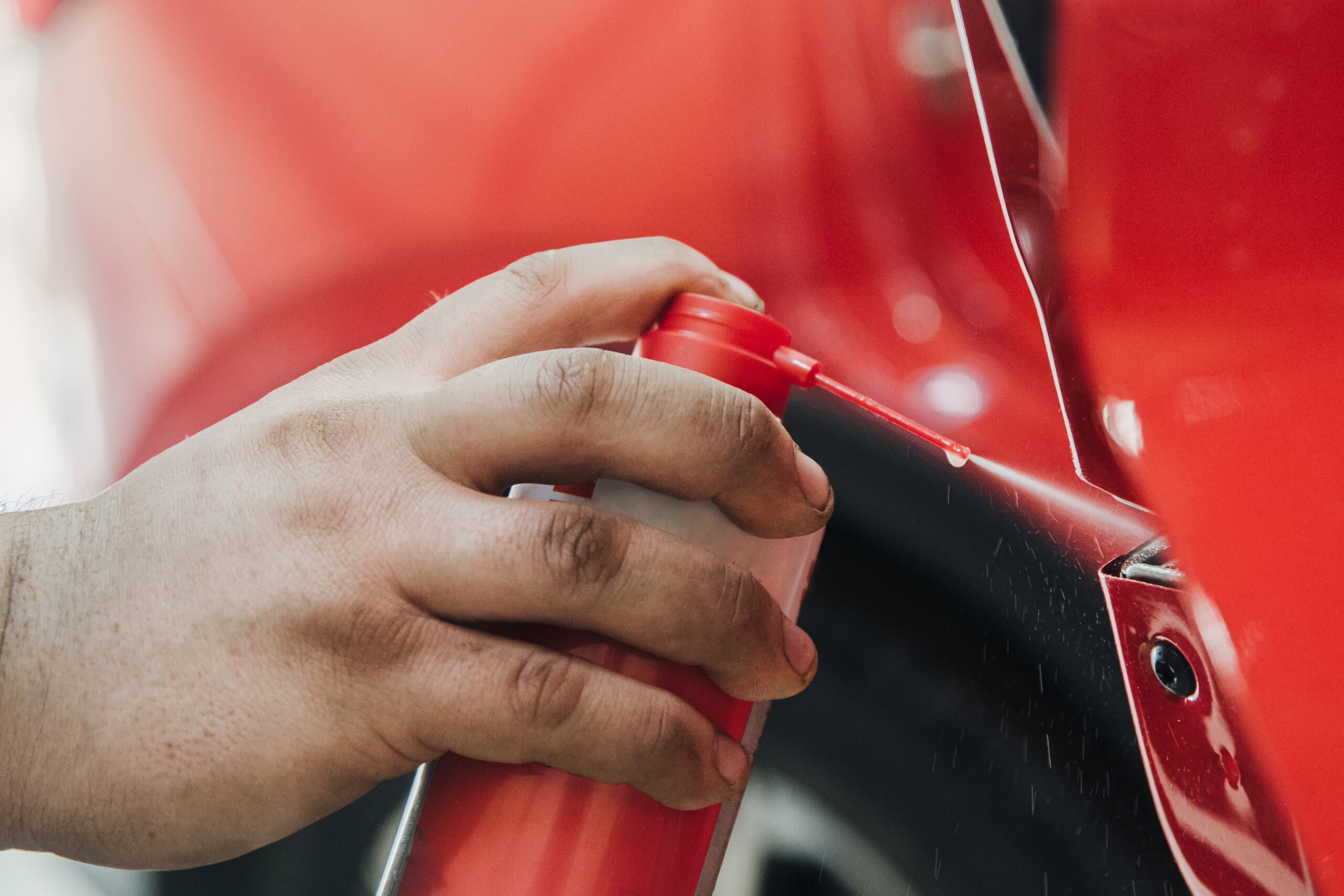
That can of de-icer you ironically left in your car might actually be creating more problems than it solves when temperatures plummet.
While most aerosol cans won’t explode from cold alone, the pressure inside drops significantly in freezing weather, making them ineffective when you actually need them, try spraying WD-40 or hair spray that’s been sitting at 10°F and you’ll get a weak dribble instead of a proper spray. More concerning is what happens when these cans warm up: vapor pressure drops in cold weather, so sprays can become weak or stop working; pressure rises again as it warms, which can be a problem if the can is damaged or corroded, especially if the can has any existing damage or corrosion. Propellants in aerosol cans can separate from their contents in extreme cold, and some products like shaving cream or whipped cream simply won’t work properly after freezing.
The propellant itself can also thicken or liquefy, meaning you might get a burst of liquid propellant instead of the product you’re trying to dispense.
Important Documents and Papers

Those insurance papers, vehicle registration, or work documents you left in the glove box are facing a more insidious threat than you might realize.
Paper absorbs moisture from the air, and when temperatures fluctuate between freezing nights and warmer days, condensation forms and gets absorbed into those documents, leading to warping, ink bleeding, and eventually mold growth. The freeze-thaw cycle causes any moisture in paper fibers to expand and contract repeatedly, breaking down the paper’s structure and making it brittle over time. If you’ve got important documents with thermal printing (like certain receipts or tickets), thermal-printed receipts fade mainly from heat, light, moisture, and chemical contact, and temperature swings/condensation can speed up deterioration or become illegible even faster than normal aging would.
While your car’s glove box might seem like a convenient filing cabinet, treating it like one during winter means those documents you might need in an emergency could be damaged, illegible, or stuck together when you reach for them.
Glasses and Sunglasses

Your eyewear is more fragile than you might think when Jack Frost comes calling, especially if you’ve invested in those fancy lenses with special coatings.
Anti-reflective, scratch-resistant, and UV-protective coatings can develop micro-cracks or delaminate from the lens surface when exposed to freezing temperatures and subsequent warming. Plastic frames become brittle in extreme cold and are prone to snapping with even minor pressure, something many people discover the hard way when they grab their frozen glasses and accidentally break them just trying to put them on. Metal frames fare slightly better but can become uncomfortably cold to the point of being painfully cold against skin in sub-zero temperatures on your nose and ears if you put them on immediately.
The real killer is condensation: walking from a freezing car into a warm building means instant fog that can take minutes to clear, and repeated condensation cycles can damage coatings and encourage lens separation in cheaper frames.
Eggs and Dairy Products
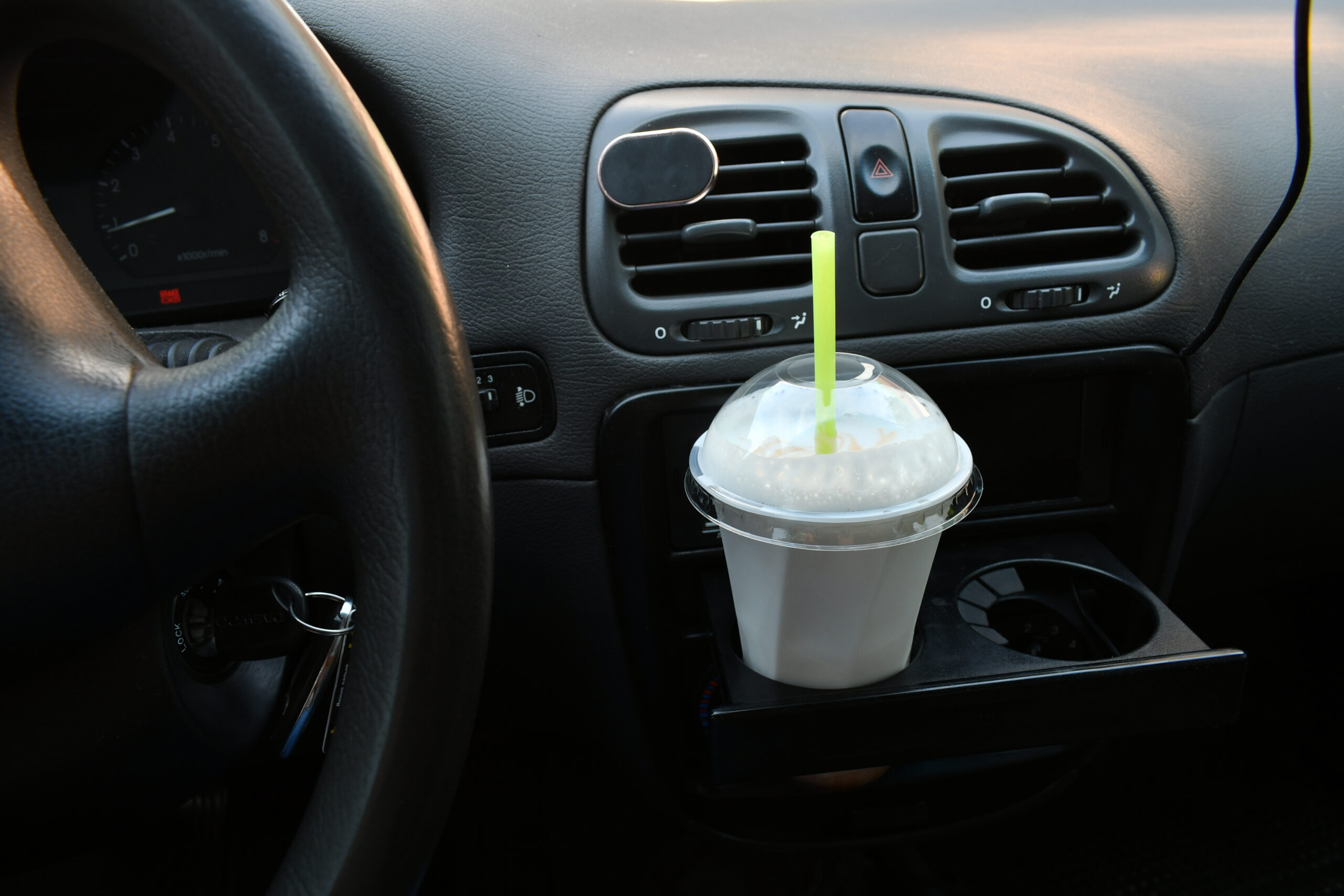
Forgetting a gallon of milk or carton of eggs in your car overnight during winter creates a peculiar problem that’s different from summer spoilage but equally wasteful.
Eggs can freeze at temperatures just below 32°F (exact point varies), and freezing can crack shells and damage texture, and when they do, the expanding liquid can crack the shells and cause the contents to leak once thawed, even if the shell looks intact, the membrane inside is often compromised. Milk and cream separate when frozen and then thawed, developing a grainy texture that no amount of shaking will fix, essentially ruining them for normal use. Cheese can become crumbly and lose moisture, yogurt separates irreversibly, and butter can develop off-flavors and a crumbly texture from the crystallization of its fat and water content.
The USDA notes that while frozen-then-thawed dairy products are technically safe to consume if they stayed frozen, the quality degradation means you probably won’t want to actually eat them.
Bottled Water
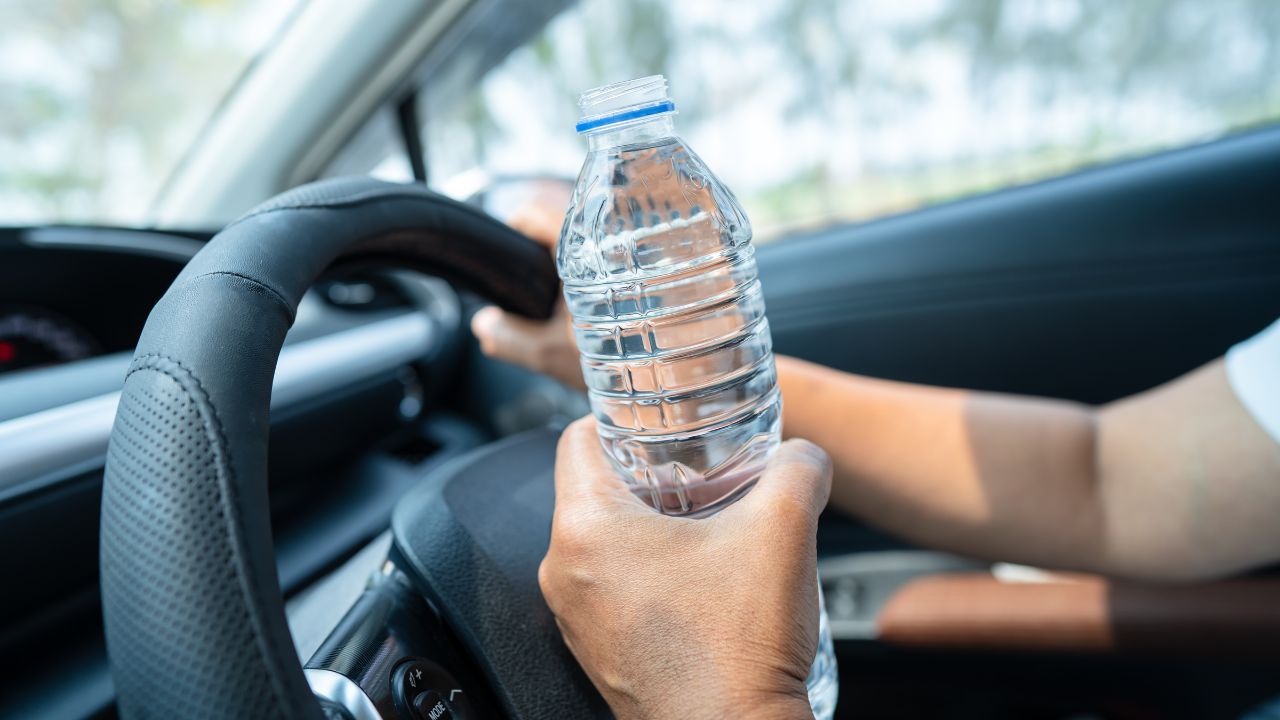
Water bottles left in your car are one of winter’s simplest casualties, but they illustrate a perfect lesson in physics you probably didn’t sign up for.
Pure water freezes at 32°F, and as it transitions to ice, it expands by approximately 9% in volume, which creates enormous pressure inside any sealed container. Plastic water bottles will bulge, crack, or split at the seams, while glass bottles can shatter entirely, leaving you with dangerous shards mixed with ice throughout your vehicle. Even reusable metal water bottles aren’t immune — the pressure can damage the seal, crack protective coatings, or in extreme cases, cause structural deformation.
The real annoyance comes when temperatures fluctuate above and below freezing, creating a cycle where bottles repeatedly freeze and thaw, leaking small amounts of water that can damage your car’s interior, promote mold growth, or freeze into difficult-to-remove ice patches in carpet and upholstery.
Leather Goods and Personal Items
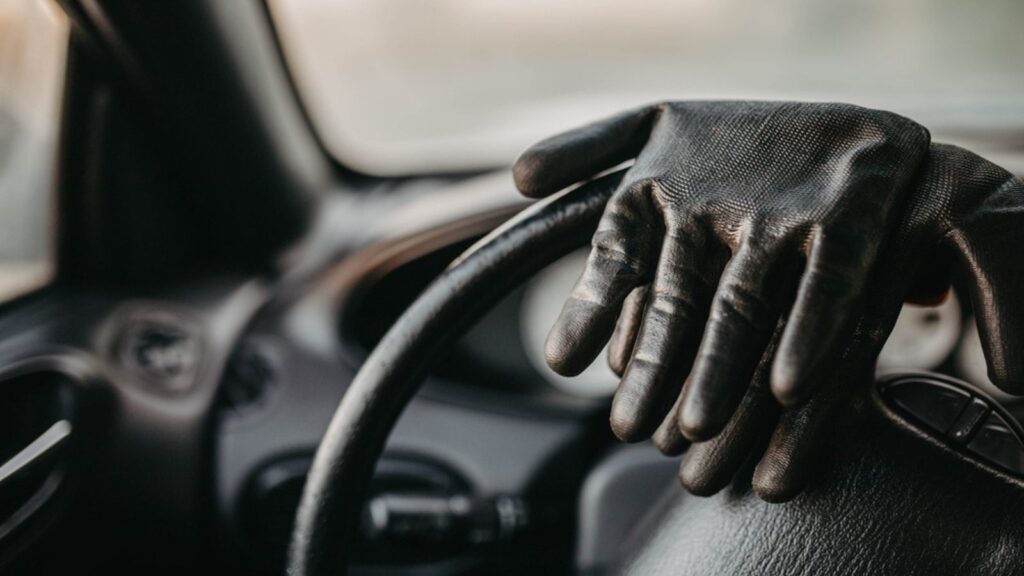
That leather jacket, handbag, or pair of gloves you left on the back seat deserves better treatment than spending the night in sub-zero temperatures.
Leather contains natural oils and moisture that keep it supple, and freezing temperatures cause these to crystallize and migrate out of the material, leaving it stiff, brittle, and prone to cracking. The repeated freeze-thaw cycles are even worse than consistent cold, causing the leather to dry out progressively until it loses its flexibility entirely and develops permanent creases or cracks. Wallets, belts, and leather-trimmed accessories face the same issues, and any moisture present in the leather can freeze and expand, damaging the fiber structure at a microscopic level.
Quality leather goods represent a significant investment — often $200 to $500 or more for jackets and bags — and treating them to regular overnight freezing sessions is essentially fast-forwarding their aging process by years.
Cleaning Supplies and Household Chemicals
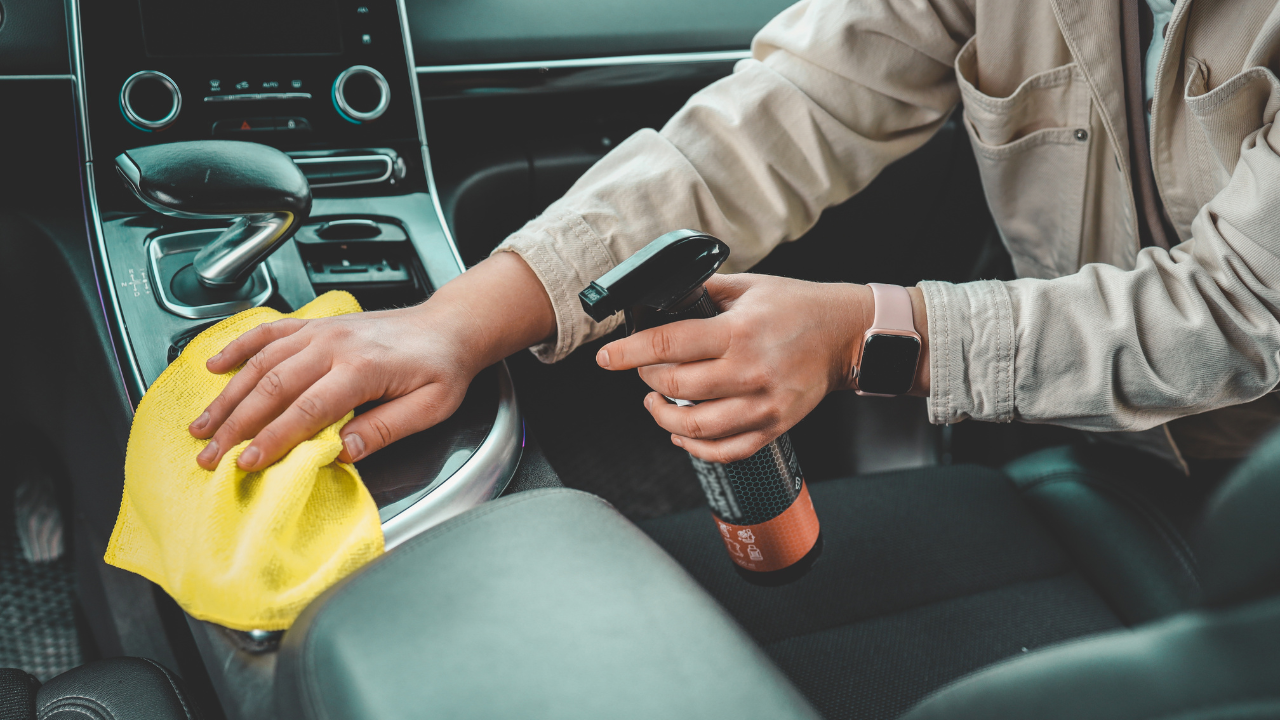
Those bottles of glass cleaner, detergent, or household cleaners rolling around in your trunk might survive a cold night, but their effectiveness probably won’t.
Water-based cleaning solutions freeze at or slightly below 32°F, and once frozen, the carefully balanced chemical formulations separate permanently, you’ll end up with distinct layers of ingredients that won’t recombine properly even with vigorous shaking. Spray bottles are particularly vulnerable since the freezing liquid can crack the trigger mechanism or the bottle itself, rendering them useless even if the solution survives. Bleach and other chemical cleaners can become destabilized by freezing, either losing their potency or, in some cases, creating off-gassing issues when they thaw.
Even products that don’t freeze solid often become too thick and viscous to dispense properly at low temperatures, meaning many household cleaners can thicken or freeze and crack spray bottles—but properly rated windshield washer fluid is formulated to resist freezing.
Conclusion

Taking a few extra minutes to clear out your car before winter fully sets in can save you from a variety of headaches, from ruined electronics to burst bottles and damaged valuables.
The key is remembering that your vehicle, for all its engineering, becomes essentially an outdoor storage space once you turn off the engine, with temperatures that match the environment within an hour or two. Most of these items are things we don’t think twice about leaving in the car during milder weather, which is exactly why winter catches so many people off guard with frozen phones, cracked sunglasses, or separated cleaning supplies.
Make it a habit to do a quick sweep of your car each evening during the cold months, grabbing anything that wouldn’t do well in your freezer at home — because that’s essentially what your car becomes when winter temperatures hit.