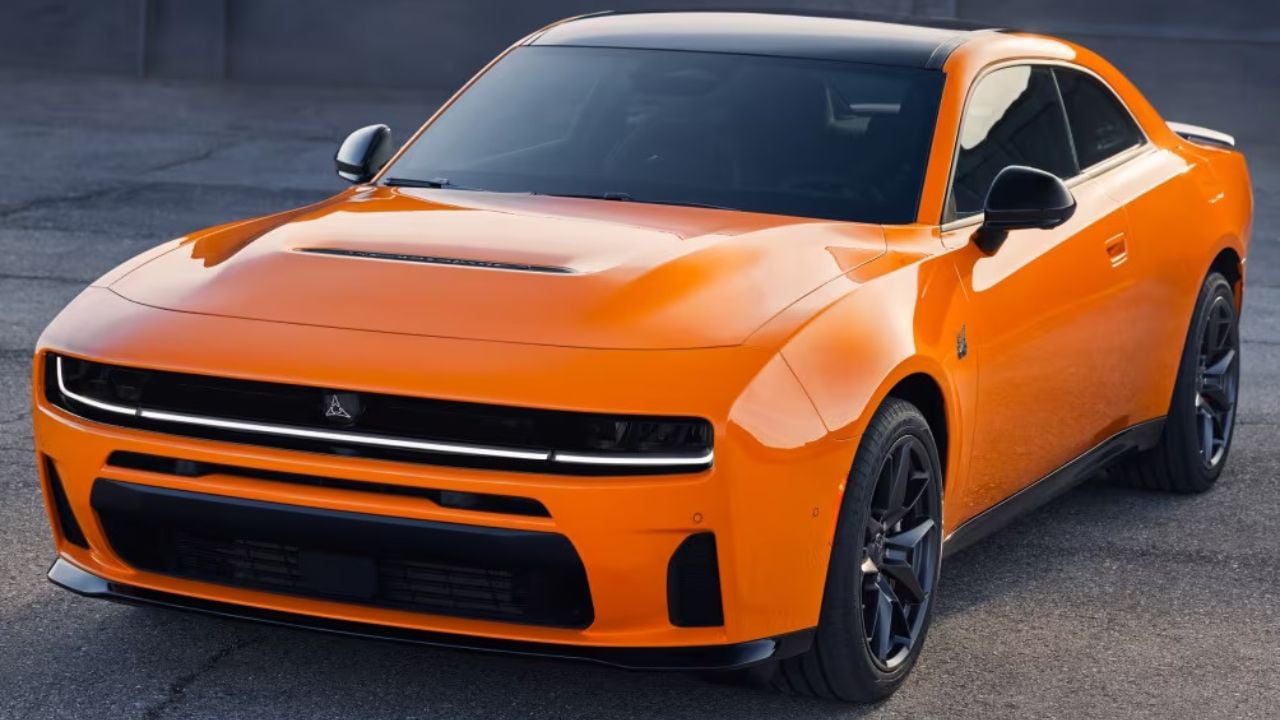
When the supercharged Hellcat V8 arrived at the end of 2014 for the 2015 model year, it instantly changed the tone of the modern horsepower wars. Dodge launched the 376 cubic inch supercharged HEMI in the Challenger and Charger with 707 hp, and from there, the engine spread across the Stellantis performance world, eventually reaching vehicles such as the Jeep Grand Cherokee Trackhawk, the Dodge Durango SRT Hellcat, and the Ram 1500 TRX. Over time, the Hellcat family also became the base for even wilder derivatives, helping turn the name into something far bigger than a single engine program.
That legacy still matters because Hellcat power has not disappeared completely. Dodge still sells the Durango SRT Hellcat, and Ram has already brought the formula back with the 2027 1500 SRT TRX. But in Dodge passenger cars, the center of gravity has clearly shifted. The new Charger has opened a different chapter, one built around the twin-turbo Hurricane inline 6 rather than the old supercharged V8.
The New Charger Shows Where Dodge Is Going Right Now

The gasoline-powered Charger Sixpack makes that direction impossible to miss. Dodge offers the standard output Sixpack in the Charger R/T with 420 hp and 468 lb-ft of torque, while the high-output version powers the Charger Scat Pack with 550 hp and 531 lb-ft. Those are serious numbers for a modern muscle car, and recent testing has shown that the faster Sixpack versions have the straight-line performance to back them up, even if they carry a lot more mass than the old Challenger.
That is what makes the conversation around Hellcat’s future so interesting. Enthusiasts keep looking at the new Charger’s engine bay and wondering whether Dodge could still bring back a V8. Company executives have been careful with their wording, but the broad message has become fairly clear. The 345 cubic inch and 392 cubic inch HEMI engines are not the obvious next move for this car. If Dodge ever decides to put a V8 back into the Charger, senior brand leadership has indicated that only a Hellcat-level engine would really justify the complexity, cost, and engineering effort.
Rumors About A Smaller Hellcat Miss The Bigger Story
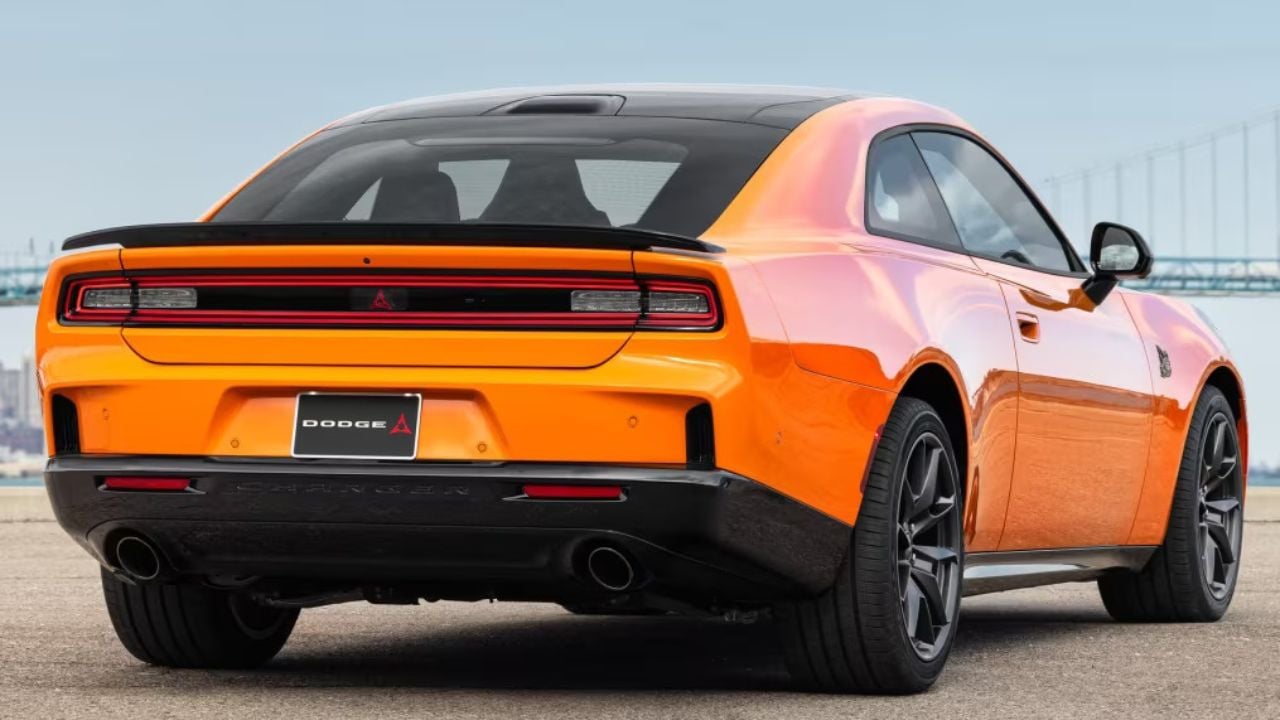
That is why talk of a next-generation Hellcat with fewer cylinders needs to be treated carefully. Right now, there is no official Stellantis confirmation that Dodge is developing a new six-cylinder Hellcat replacement in the literal sense. The more grounded reading of the current situation is simpler: the company already has a very powerful forced induction six-cylinder in the Hurricane, and it has barely started to explore that engine’s full ceiling in Dodge applications.
The Hurricane’s current output already makes that point. In standard form, the 183-cubic-inch twin-turbo inline 6 delivers 420 hp. In high output form, it reaches 550 hp. That places the Charger in territory that would have sounded extraordinary for a six-cylinder Dodge only a few years ago. It also gives SRT and the aftermarket a much stronger foundation than many traditionalists may want to admit. Turbocharged inline 6 engines have a long history of responding well to careful calibration, stronger cooling, and hardware upgrades, and Dodge clearly knows that.
SRT’s Real Opportunity Is Still Ahead

The most likely next step, then, is not a softer replacement for Hellcat. It is a much harder push from the Hurricane era. Road & Track reported earlier this year that Dodge leadership left the door open to a future Hellcat Charger, but the more immediate opportunity is to create stronger SRT models around the twin turbo inline 6 that is already here. That would let Dodge keep building performance credibility while avoiding the packaging, emissions, and cost complications that come with reviving every older V8 option at once.
That does not mean the old mythology disappears. Hellcat still carries enormous emotional weight, and Dodge knows that better than anyone. But the company’s actual product path suggests that the next big performance story may come from a different source. The new Charger has already proved that six-cylinder power no longer means compromise by default. If SRT pushes the Hurricane platform to its real limit, Dodge may find that its next cult engine does not need eight cylinders to earn the same kind of respect.
For now, the safest conclusion is this: Hellcat remains a living part of the brand, but Hurricane is the engine shaping Dodge’s immediate future. And if Dodge’s history teaches anything, it is that the company rarely leaves performance potential untouched for long.
This article originally appeared on Autorepublika.com and has been republished with permission by Guessing Headlights. AI-assisted translation was used, followed by human editing and review.