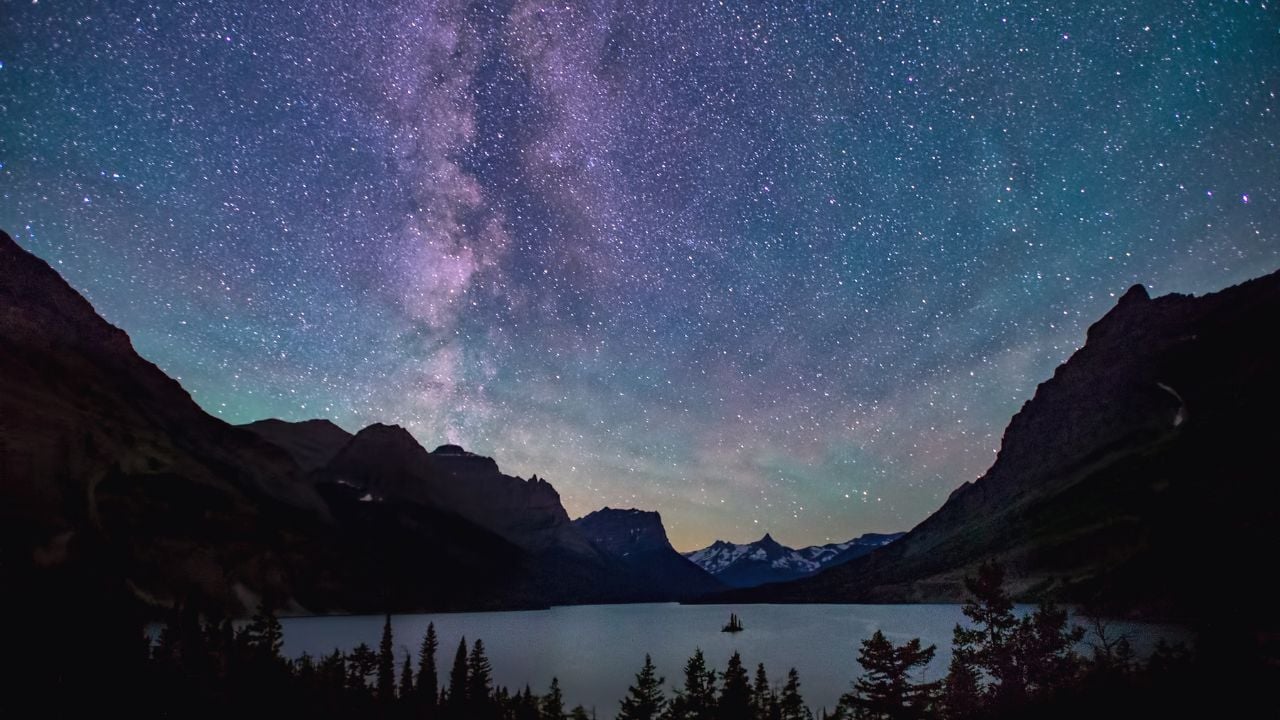
A trip can change character quickly once daylight disappears and the heavens take over. Across the United States, a number of protected landscapes still offer the kind of after-hours clarity that many travelers never see at home. In places where artificial light stays low and open skies stretch for miles, the night becomes part of the destination rather than just the end of the day.
That is what makes dark-sky parks so compelling. They do not simply give visitors something to do after dinner. They change the emotional shape of the trip itself. Silence deepens, the horizon feels wider, and the landscape starts working in two directions at once, first as scenery by day and then as a viewing platform after sunset.
The National Park Service says more than 45 parks in its system are certified as International Dark Sky Places, which gives travelers a reliable starting point when they want real credentials rather than vague hype. Some stand out because they pair serious darkness with ranger-led programming, while others impress through sheer scale, isolation, and the feeling that almost nothing artificial is competing with the sky.
Together, these five picks make a strong cross-country shortlist. They are broad enough for a multi-stop itinerary and specific enough for readers who want substance, whether that means telescope nights, astronomy festivals, research-grade observatories, or simply the kind of darkness that makes the Milky Way feel newly dramatic.
1. Bryce Canyon National Park, Utah
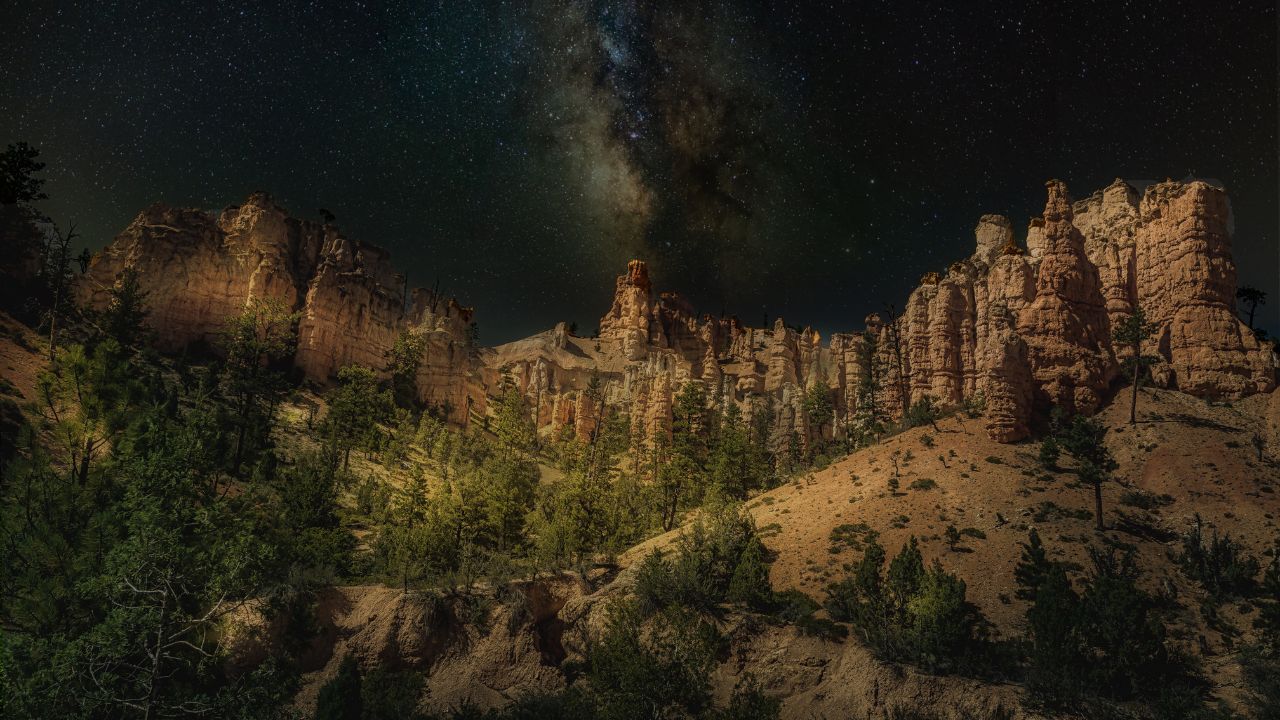
Bryce Canyon belongs in any strong roundup because the park has built an unusually approachable astronomy experience around its famous rock formations. The National Park Service highlights ranger-led astronomy programming and an annual Astronomy Festival with family-friendly daytime activities, special evening programs, telescope viewing, and constellation tours.
That structure helps first-time visitors feel as though they are stepping into something thoughtfully organized rather than wandering into darkness and hoping for the best.
The scenery does the rest of the work. Hoodoos and natural amphitheaters give the foreground a dramatic shape, which is one reason Bryce appeals to travelers who want both memorable viewing and strong photography potential.
The high elevation also helps sharpen the experience, especially on clear nights when the sky seems to open wider above the rock formations. Going during a darker moon phase and staying for the after-hours programming can make the evening much more immersive than a simple stop at an overlook.
2. Big Bend National Park, Texas
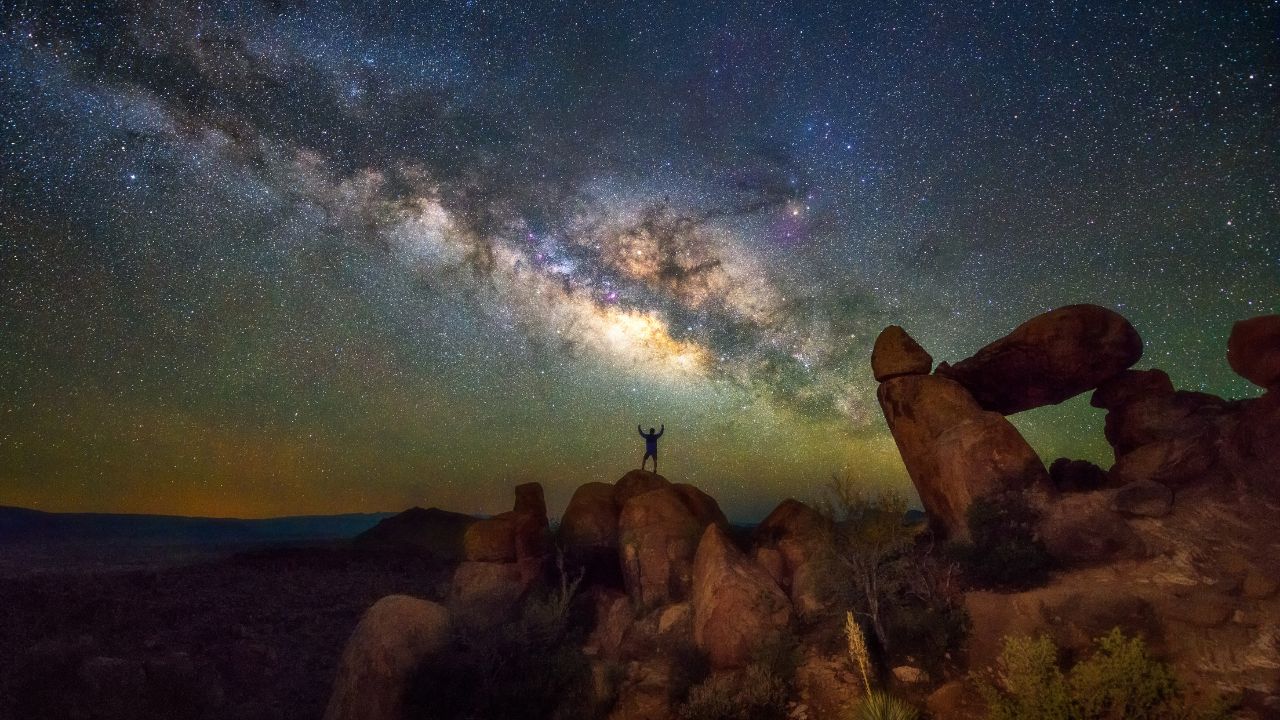
Big Bend feels enormous even before the stars arrive. According to the National Park Service, it has the least light pollution of any national park unit in the lower 48 states, which helps explain why the region is widely treated as one of North America’s standout stargazing settings. Once the desert loses its last color, the sense of isolation becomes part of the attraction, and that scale is a major part of what makes the park so memorable after sunset.
The broader area adds even more weight to its reputation. DarkSky says the Greater Big Bend International Dark Sky Reserve covers more than 9 million acres, making it the world’s largest reserve of its kind and the first bi-national one. That scale gives a visit unusual depth because the feeling of darkness extends beyond one scenic turnout and into an entire cross-border landscape.
For travelers who want a night sky that feels truly vast rather than simply pretty, Big Bend delivers a stronger sense of remoteness than almost anywhere else in the continental United States.
3. Natural Bridges National Monument, Utah
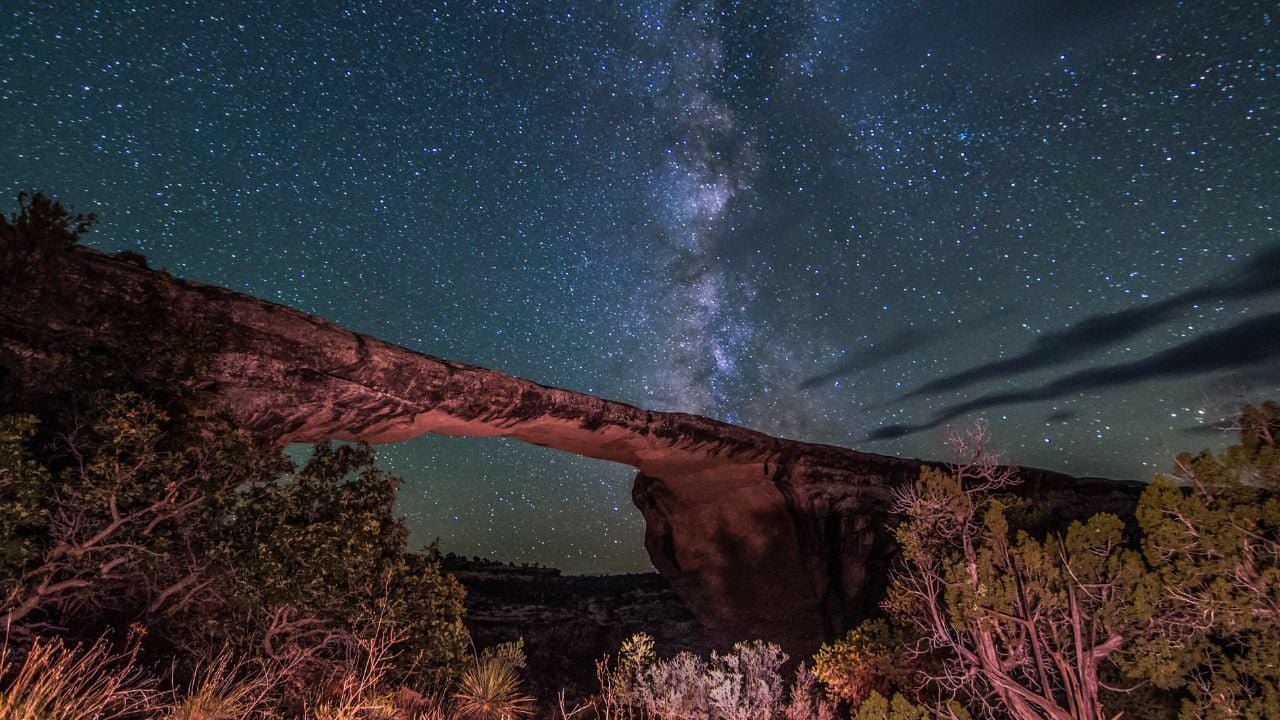
Natural Bridges carries a special kind of prestige because of its place in dark-sky history. The National Park Service states that it became the first International Dark Sky Park on March 6, 2007, and park materials continue to describe the monument as home to some of the darkest conditions in the country.
For readers who care about both scenery and significance, that combination is hard to ignore. It gives the monument an importance that goes beyond a good viewing spot and turns it into one of the landmark places in American dark-sky travel.
Its size is part of the appeal. A smaller setting can make an overnight visit feel focused, calm, and easier to plan than a sprawling park with countless moving parts. That simplicity works in its favor for travelers who want a dark-sky stop that feels purposeful instead of overwhelming. Add in the park’s own emphasis on the Milky Way rising over Owachomo Bridge, and the monument delivers a night experience that feels intimate without being underwhelming.
4. Cherry Springs State Park, Pennsylvania
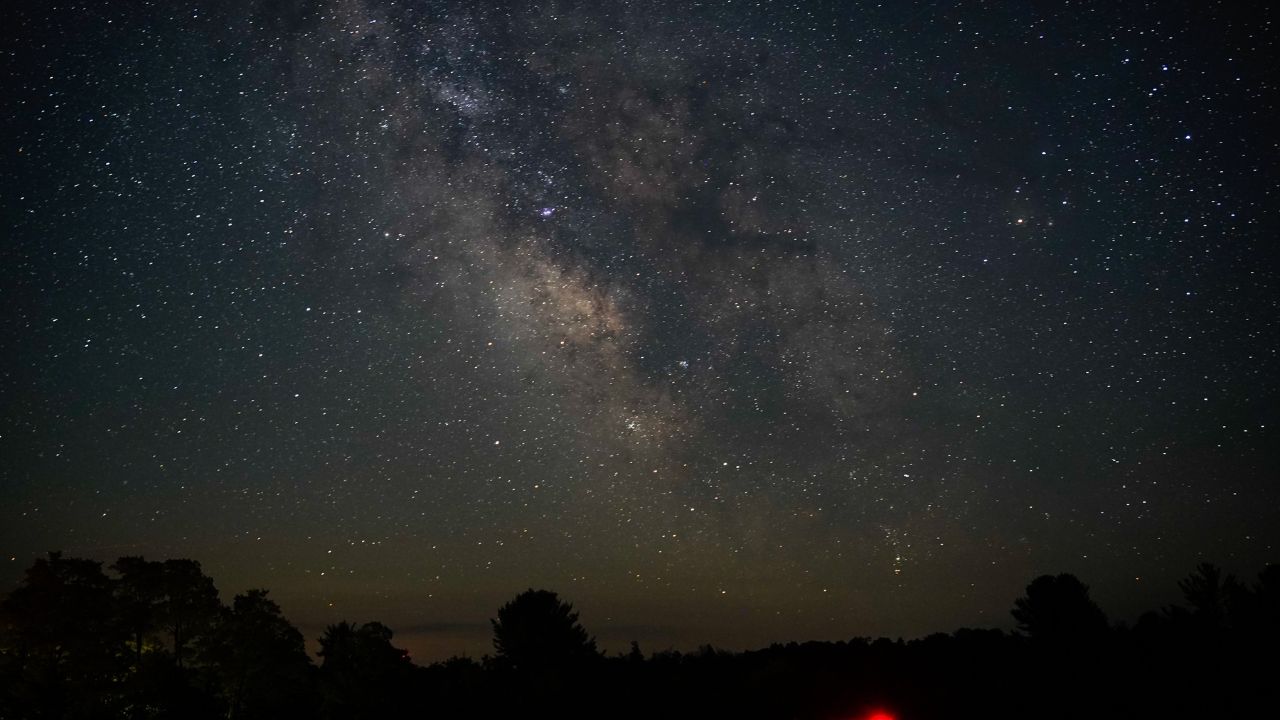
Cherry Springs proves that excellent stargazing is not limited to the desert Southwest. Pennsylvania says the site sits within the 262,000-acre Susquehannock State Forest, and the state describes the area as famous for views of the Milky Way, planets, and other difficult-to-see astronomical features. That makes it one of the strongest picks for East Coast readers who want serious viewing without a flight across the country. It is also a useful reminder that dark-sky travel does not always require a long-haul itinerary to feel legitimate.
Planning here is more deliberate than at many other places because the park is set up specifically for observers. State guidance notes that the Astronomy Field offers an excellent 360-degree view of the night sky, all lighting is shielded, white light has been converted to red, and the Overnight Astronomy Observation Field is reserved for registered users who want extended sessions.
Those details matter, especially for visitors bringing binoculars, cameras, or a deeper interest in the overhead show. For beginners, that level of structure can make the experience less intimidating and much easier to enjoy.
5. Great Basin National Park, Nevada
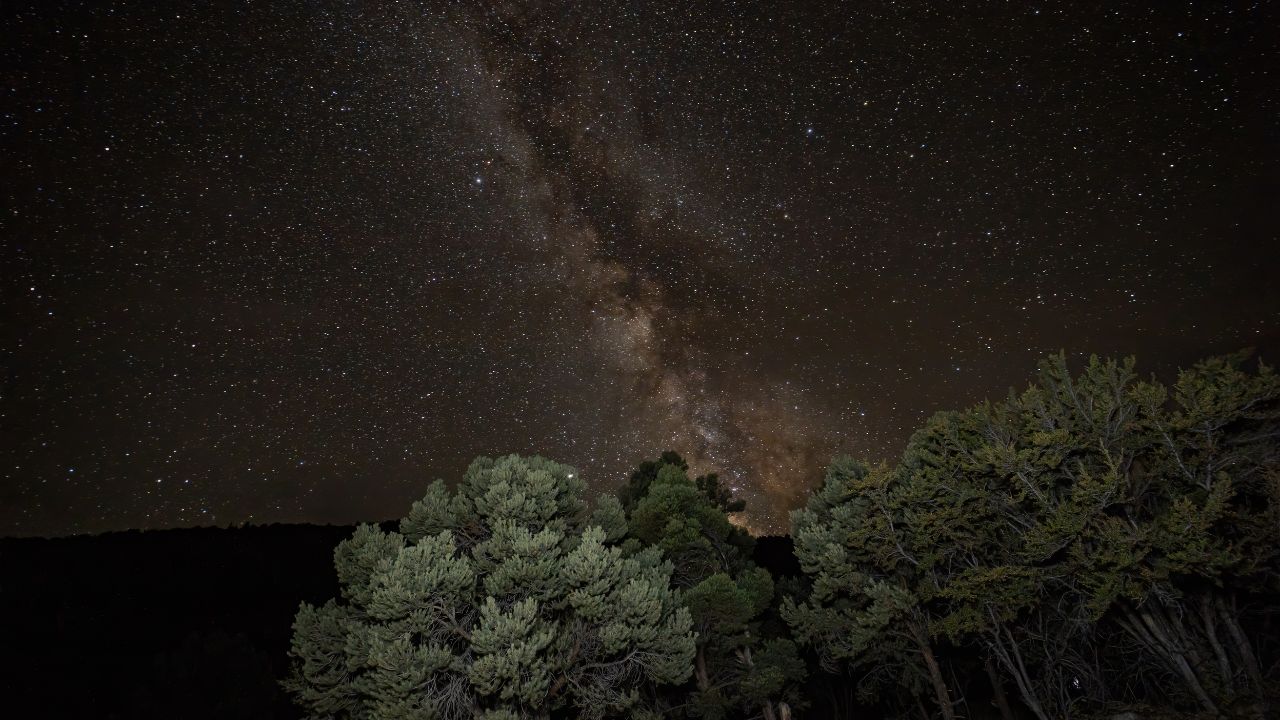
Great Basin earns its place through a rare blend of natural darkness and organized interpretation. The park’s official astronomy programs page says Great Basin was recognized as a Gold Tier International Dark Sky Park in 2016 and outlines regular ranger-led astronomy programs during the warmer months, including talks and telescope viewing.
That programming gives the destination an educational side without draining away the sense of wonder that makes a clear evening memorable in the first place. It is the kind of park that works well for travelers who want more than a beautiful sky and appreciate some context alongside the spectacle.
Another detail sets Great Basin apart from nearly every rival on this list. The National Park Service says the Great Basin Observatory is the first and only research-grade observatory ever built in a U.S. national park, and the park’s astronomy festival adds another reason to plan a trip around the calendar. That combination of serious science and accessible public programming gives the park a richer identity than many other dark-sky destinations. For travelers who like scenery paired with a stronger science element, few places feel as complete.