
Detroit’s biggest automakers are warning that an effort to put more American content into new vehicles could have an unintended consequence, namely making those vehicles considerably more expensive to build.
Ford, General Motors, and Stellantis are preparing to push back against proposed changes to the United States-Mexico-Canada Agreement, according to Reuters. The concern centers on tougher content requirements that would determine which vehicles qualify for preferential tariff treatment.
One proposal would require vehicles to contain at least 50 percent U.S.-made content to receive lower tariffs. Washington is also considering raising the existing requirement that 75 percent of qualifying vehicle content originate somewhere within North America.
The objective is to encourage automakers and suppliers to move additional manufacturing into the United States. Detroit argues that imposing those requirements on an industry built around deeply integrated North American supply chains could instead add billions of dollars in costs, potentially putting additional pressure on vehicle prices.
Detroit Sees A Multibillion-Dollar Problem
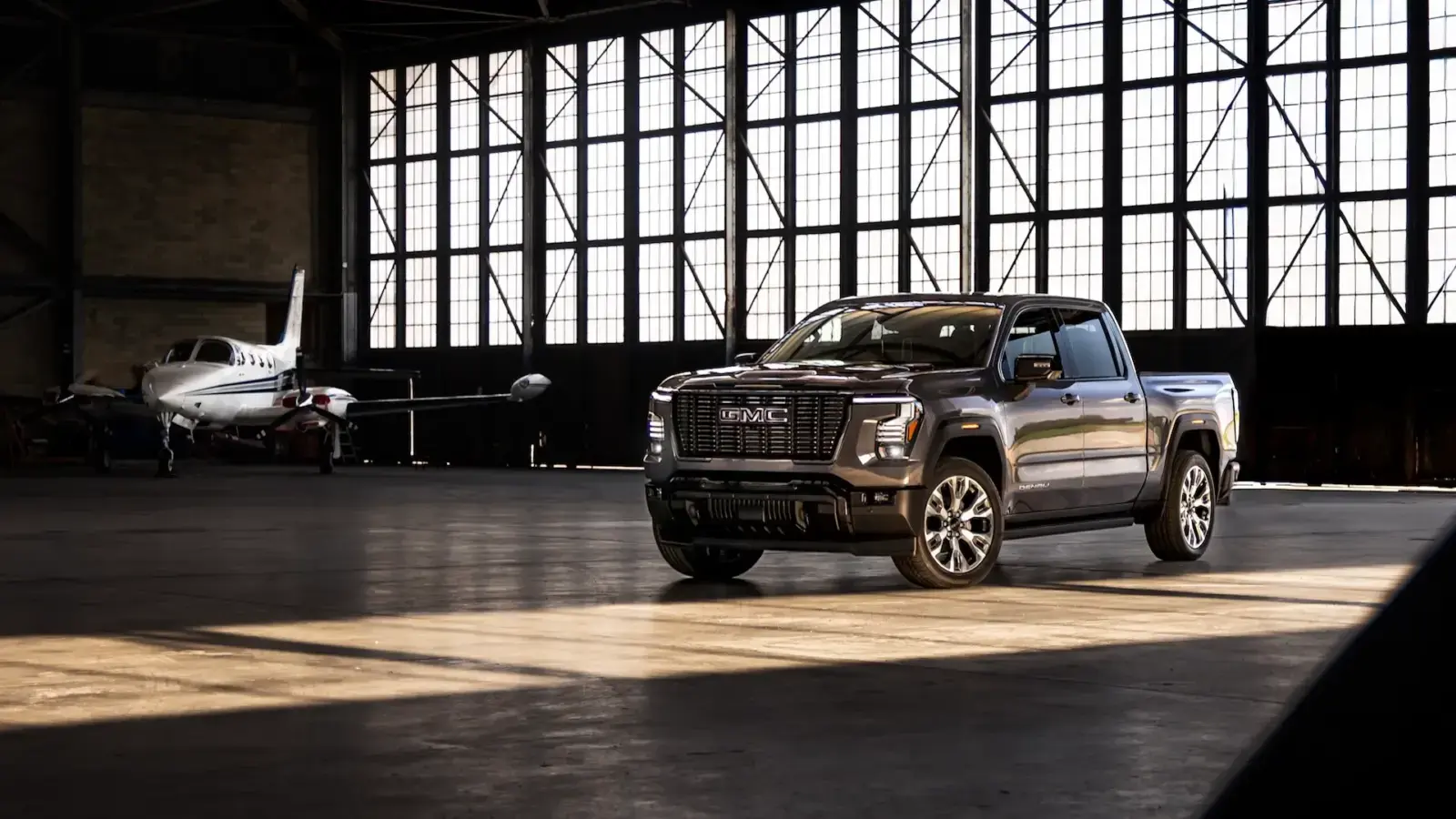
Two automakers estimate the proposed changes could add at least $2 billion in annual costs for each of Detroit’s three major manufacturers, Reuters reports. That would arrive while the companies are already dealing with substantial tariff expenses on vehicles, components, steel, and aluminum.
GM expects its gross tariff-related costs to reach between $2.5 billion and $3.5 billion this year. Ford, meanwhile, estimates tariffs will have a net impact of approximately $1 billion during 2026.
Those figures help explain why Detroit is pushing for favorable treatment under a revised trade agreement. Automakers could attempt to absorb some additional expenses, reorganize supply chains, increase domestic sourcing, or pass costs along through higher prices, with the eventual outcome likely depending on the final rules.
Building An American Car Isn’t Entirely American
Modern automotive manufacturing makes country-of-origin calculations surprisingly complicated. A vehicle assembled in Michigan, Kentucky, or Ohio can contain engines, transmissions, electronics, castings, and countless smaller components produced throughout the United States, Mexico, and Canada.
USMCA was designed around that interconnected manufacturing network. Raising the North American content requirement beyond the current 75 percent threshold while simultaneously introducing a 50-percent U.S.-specific requirement would force manufacturers to reconsider where many components originate.
Moving those supply chains isn’t as simple as relocating final assembly. Suppliers may need new factories, tooling, workers, and logistics networks, investments that can require years and substantial amounts of capital.
That creates an awkward situation for policymakers. Stronger domestic-content requirements could ultimately encourage additional U.S. investment, but the transition itself could increase manufacturing costs.
Ford Is Already Moving Production Home

Ford has already taken a visible step toward satisfying Washington’s push for additional domestic production. The automaker announced that it intends to move production of U.S.-market Lincoln models from China to American factories, with tariffs cited as a factor in the decision.
CEO Jim Farley told Reuters that Ford quickly recognized how seriously the administration was pursuing increased domestic automotive manufacturing. The company already produces a larger percentage of its U.S.-sold vehicles domestically than its Detroit competitors.
Commerce Secretary Howard Lutnick said he hopes other manufacturers will follow the moves being made by Ford and GM. U.S. and Mexican officials are expected to hold another round of trade discussions next month.
Detroit Says Foreign Automakers Have An Advantage
The Big Three’s argument isn’t simply that tariffs are expensive. They also contend that the current structure can leave foreign competitors facing a comparatively simpler route into the American market.
The American Automotive Policy Council, which represents Ford, GM, and Stellantis, has argued that manufacturers importing vehicles from Japan, South Korea, and Europe can face a flat 15-percent tariff while Detroit automakers contend with a complicated combination of duties affecting North American vehicles, parts, steel, and aluminum.
Foreign manufacturers dispute the idea that they are escaping the consequences. Autos Drive America, which represents international automakers operating in the U.S., says its members build vehicles containing significant amounts of American content and are also being hurt by the current trade environment.
Detroit isn’t arguing against American manufacturing. The dispute is over how quickly stricter domestic-content requirements can be imposed without raising production costs enough to undermine the very U.S.-built vehicles the policy is intended to support.