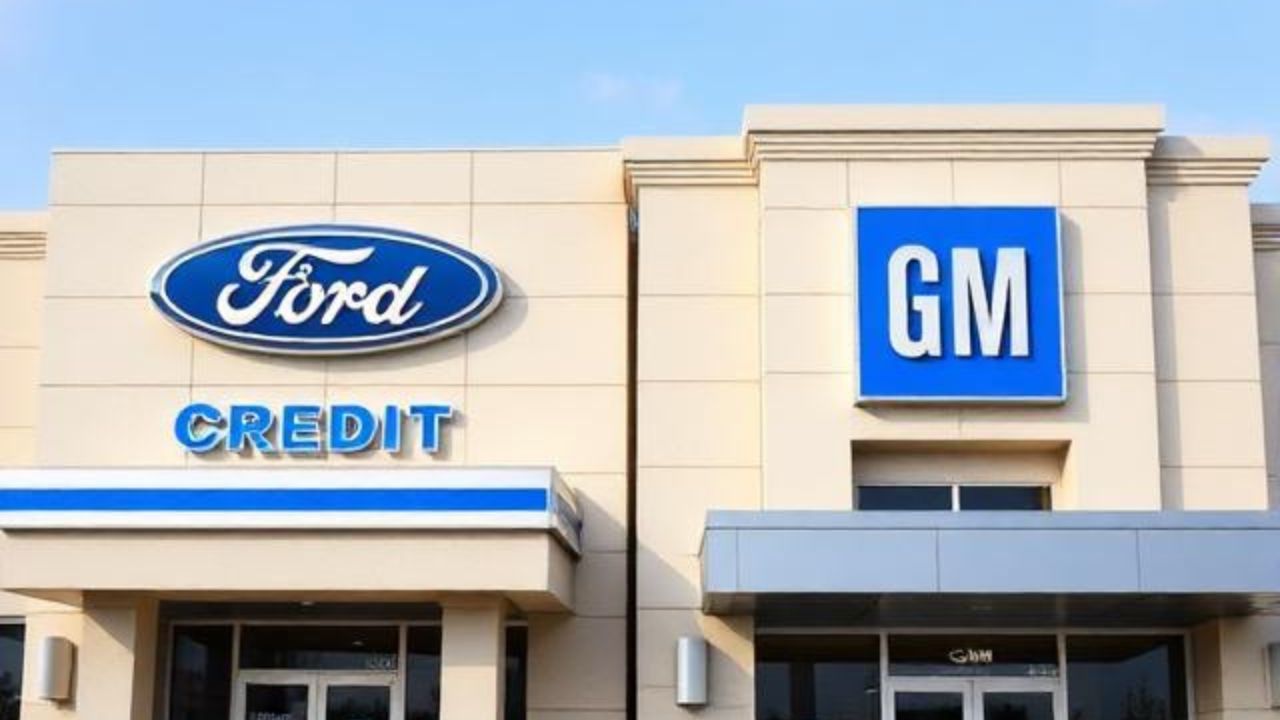

In a move that could reshape automotive finance in the United States, the Federal Deposit Insurance Corporation (FDIC) has approved deposit insurance applications from Ford Motor Company and General Motors Company, clearing the regulatory path for both iconic manufacturers to establish industrial banks.
The conditional approvals, and a requirement that both firms launch their banking arms within 12 months, mark a turning point in how automakers fund sales and interact with customers.
The newly authorized financial arms, to be chartered in Utah, signal Detroit’s embrace of a strategy that marries automobile sales with regulated banking services.
Ford’s bank will operate under the name Ford Credit Bank, while General Motors’ will become GM Financial Bank. Both lenders will be FDIC-insured, offering core banking products such as savings accounts and time deposits, alongside automotive financing services.
The most significant implication for this moment isn’t just the fact that car companies are entering banking, but the broader implications for consumer finance, dealer relationships, and industry competition.
Traditionally, automakers financed vehicle purchases by selling paper into the capital markets, arranging securitizations, or partnering with third-party lenders. With industrial banks, Ford and GM can tap retail deposits, a stable and relatively low-cost funding source not tied to volatile wholesale markets.
A Strategic Shift in Auto Finance
From a strategic standpoint, the FDIC approvals give the two manufacturers a new lever to support sales and dealer networks. Industrial banks will be able to buy retail installment contracts, which are the core of car loans, directly from dealers across the country.
Funding these purchases with deposits gathered through online platforms means a potentially cheaper cost of capital and greater control over lending rates and terms.

The move is widely seen as a credit positive for both captive finance units. By diversifying funding and reducing reliance on unsecured debt or securitization markets, Ford Credit Bank and GM Financial Bank could weather credit cycles more resiliently than they have in the past.
A more stable funding base also has the potential to translate into more competitive financing offers for customers.
There are also potential benefits for dealers, especially independent franchised outlets that rely on flexible floorplan financing to stock inventory. With manufacturer-backed banks in the mix, dealers might enjoy more favorable terms, particularly during periods of tight credit or inventory stress.
Tension With Traditional Banking and Oversight Debate
It’s a controversial move, despite support from sectors of the financial world. Industrial loan companies have long been a point of contention because they permit commercial entities to own banks without having full bank holding company status and supervision by the Federal Reserve.
Traditional lenders, and in particular the Independent Community Bankers of America (ICBA), have argued that this regulatory structure creates systemic risk and blurs the wall between commerce and banking.
The ICBA has called the FDIC approvals worrisome in public statements, asserting that allowing nonfinancial giants to gather taxpayer-backed deposits threatens financial stability and undercuts community banks that are subject to more stringent oversight.
This debate is rooted in a complex legacy that dates back to the 1980s, when industrial loan charters began to proliferate, and touches on decades-old legal boundaries between commercial and banking activities.
The regulatory environment has shifted in recent years, and the FDIC’s decision may reflect evolving views on how to balance competitive innovation with financial safety.
The Utah charter rules require both industrial banks to maintain rigorous capital positions and supervisory standards, and conditional approvals generally come with detailed requirements aimed at ensuring compliance and prudent risk management.
Industry Impact and Future Prospects
Ultimately, this decision makes the automotive industry a more direct player in financial services. Auto manufacturers have flirted with financial offerings for decades but owning an FDIC-insured bank places them in a new league of financial integration.
It also raises the question of whether other large corporations, including tech giants, might explore similar strategies to leverage deposits for financing their ecosystems.
For now, Ford and GM face a tight timeline to build out their banks, harmonize compliance infrastructure, and roll out products that meet customer needs.
The next 12 months will be critical in determining how quickly this vision becomes reality and whether it truly delivers a competitive edge in one of the most financed retail sectors in the U.S. automotive market.
Sources: Reuters