
In a world that’s more connected than ever, travel still carries unpredictability, and in 2025, some of the globe’s most alluring destinations come with caveats worth knowing. Political instability, civil unrest, economic collapse, natural disasters, or rampant crime can all turn a dream vacation into a risky ordeal. For travelers who want to explore responsibly and safely, awareness of current hot-spots and readiness to adapt are more essential than ever.
This article doesn’t aim to scare, but to inform. Each destination listed below has recently seen developments that raise legitimate concerns for foreign visitors. Whether you’re drawn by culture, history, or adventure, you’ll want to know the risks, the local dynamics, and whether, or how, to travel cautiously if you decide to go. Use this as a guide to prepare, plan, and perhaps reconsider some travel ideas until conditions improve.
Venezuela — Economic Collapse, Crime & Safety Instability

Venezuela remains one of the most volatile countries in Latin America, with economic turmoil, infrastructure breakdown, and widespread shortages making everyday life challenging even for locals. For travelers, this instability can translate into unpredictable risks: from unreliable utilities and limited medical care to inflation that erodes accessibility to basic goods. Overland travel or moving outside major urban centers can be especially risky.
Crime rates, including theft, robbery, and violent assaults, are reported to be high, sometimes targeting foreigners. Recent international advisories list Venezuela among nations where “do not travel” remains the strongest recommendation.
Travellers often face difficulties with safety, and incidents involving kidnapping or armed gangs have been reported. Infrastructure challenges further complicate consular or emergency services support.
If you still choose to visit, a high degree of caution is essential: stick to well-known areas, avoid night travel or isolated zones, and ensure you have contingency plans. Many experts recommend waiting for a significant stabilization before considering Venezuela as a travel destination.
Democratic Republic of the Congo (DRC) — Conflict Zones, Unrest, and Weak Governance
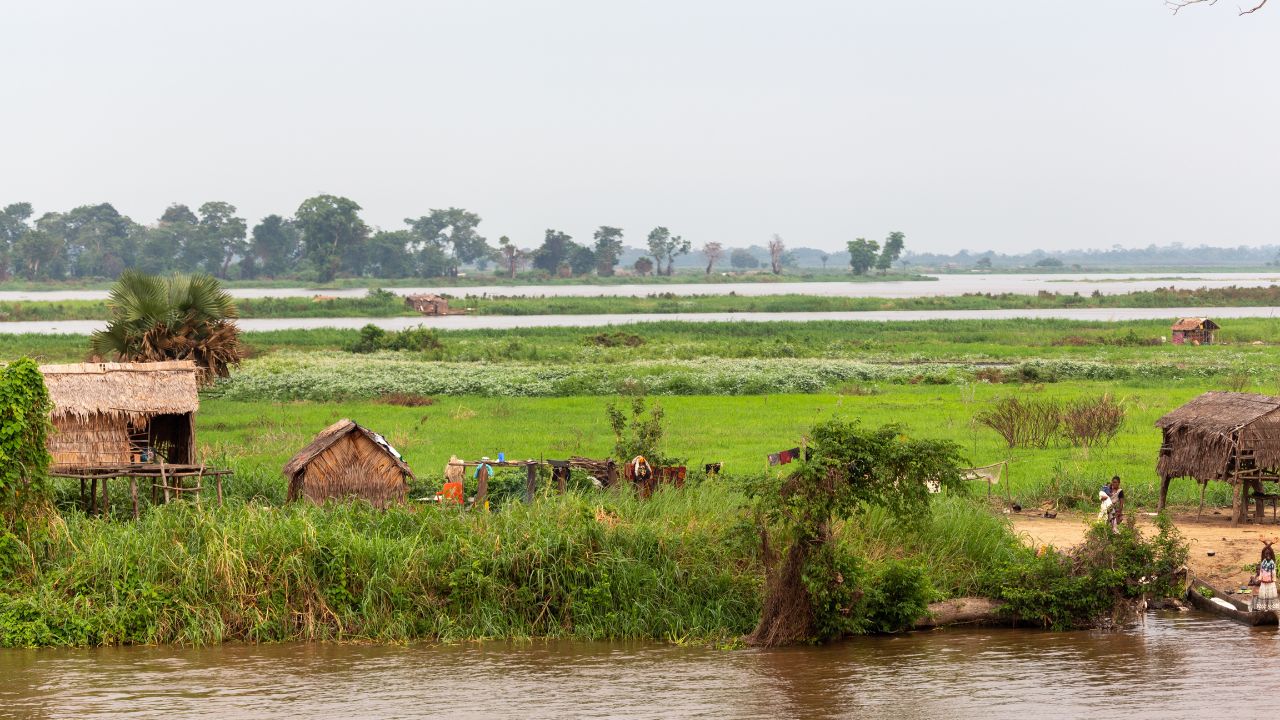
The DRC continues to struggle with internal conflict, especially in its eastern regions, along with widespread instability, weak governance, and frequent outbreaks of violence. Armed groups remain active, and clashes between rebels, militias, and government forces periodically erupt, even near population centers. Recent riots, such as those in the capital, underline how quickly unrest can affect even urban areas.
Security infrastructure and public services are limited or nonexistent in many areas, making it difficult to guarantee personal safety, access to medical care, or timely emergency assistance. Instability frequently leads to road blockades, sudden curfews, and unpredictable law-and-order breakdowns. These are conditions where foreigners may be especially vulnerable.
For travelers, the guidance is clear: avoid non-essential trips. NGOs and governments worldwide advise against travel to much of the country. If there’s a compelling need to be there, humanitarian, journalistic, or otherwise, extreme caution, local guidance, and contingency planning are critical. For leisure travelers, postponing the trip until peace and stability return is strongly recommended.
Ukraine — Active Conflict and High Risk
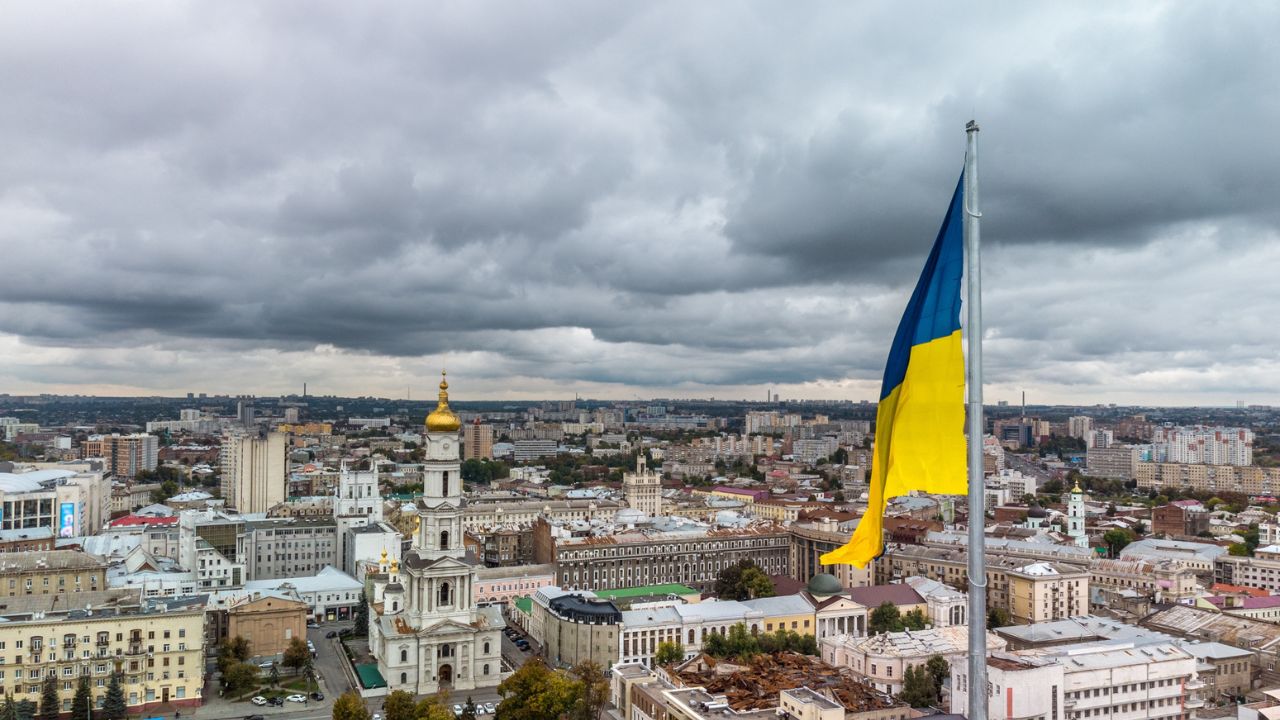
Ukraine remains under active conflict due to ongoing military operations, resulting in pervasive security risks across many parts of the country. The likelihood of shelling, drone strikes, unexploded ordnance, and rapid shifts in front lines makes it extremely unsafe for outsiders. International travel advisories continue to warn against any travel to Ukraine.
Even regions not directly in the combat zone face instability, infrastructure disruptions, unpredictable curfews, and limited access to emergency services, food or medical supplies. For foreign travelers, the risk of becoming collateral damage or being caught in sudden escalation remains too great to ignore. In addition, consular services and evacuation options are often constrained or unavailable.
Given all this, the only responsible travel recommendation is to avoid Ukraine entirely at this time. Vacationing, tourism, or even standard travel purposes are incompatible with the ongoing reality on the ground. Monitoring official advisories and international news remains vital if the situation evolves, but for now, “do not travel” is the standard.
Syria — War-Torn Zones, Instability, and Humanitarian Crisis
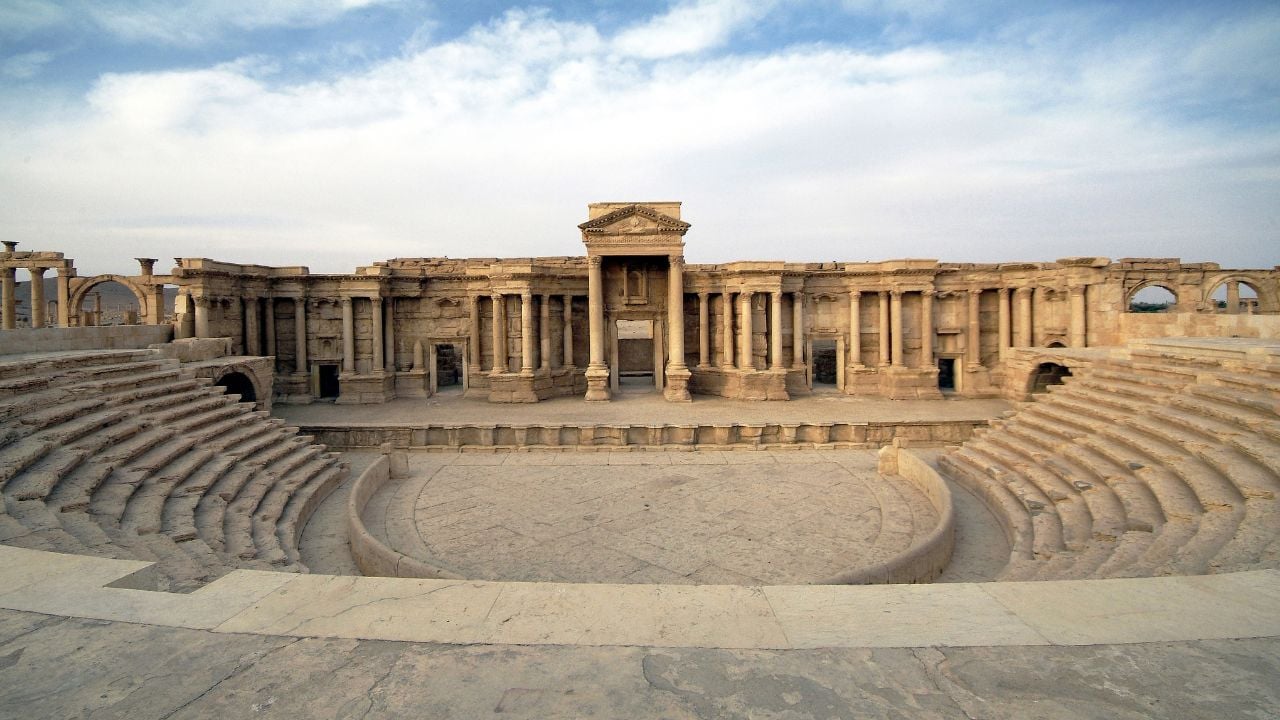
Syria has been devastated by prolonged conflict for years. The security environment remains deeply unstable, with frequent violence, widespread destruction, and breakdown of civil infrastructure. Humanitarian conditions are dire, and many areas are effectively inaccessible to foreigners.
For travelers, the risks are extreme: active combat zones, unpredictable terrorist or militant activity, possibility of hostage-taking, and a near-total lack of reliable medical or emergency services. Many governments issue “do not travel” warnings, meaning that standard travel insurance may not apply, and consular support could be extremely limited or unavailable. Visiting Syria as a tourist is strongly discouraged.
Unless you have an essential, mission-critical purpose, humanitarian work, journalism under strict safety protocols, or other urgent reasons, Syria is currently off-limits for casual travelers. The moral and security risks are high, and international travel advisories reflect that reality.
Somalia — Ongoing Conflict, Piracy Threats, and Security Vacuum

Somalia continues to suffer from a lack of central governance, persistent insurgency, and the presence of militant groups in many regions. Frequent attacks, terrorism, clan-based violence, and risk of piracy along the coast contribute to an environment where safety cannot be guaranteed.
Infrastructure, including roads, hospitals, and security services, remains extremely limited, particularly outside major urban hubs. For travelers, this means basic necessities and emergency response are often unreliable or absent. The risk of kidnapping, robbery, or being caught up in violent clashes is high and unpredictable. Maritime routes are also risky due to past incidents of piracy and hijackings.
Travelers are generally advised against visiting Somalia. If there’s an unavoidable reason to be there (e.g. humanitarian work), it should be under strict security protocols, with local contacts and contingency plans. Leisure, tourism or informal visits are strongly discouraged due to the extremely unstable conditions.
Sudan & South Sudan — Civil War, Displacement, and Dangerous Unrest

Sudan and South Sudan have been embroiled in recurrent civil conflict, ethnic tensions, and humanitarian crises. Large-scale violence, displacement of populations, breakdown of public order, and lawlessness are common in many areas, making them highly unsafe for foreigners.
Essential services, such as law enforcement, healthcare, transportation, and communication, are often degraded or inaccessible. Travel routes are unpredictable, and outbreaks of violence or clashes between armed groups can erupt with little or no warning. International aid and consular presence may also be limited, complicating evacuation or support.
Whether traveling for work, aid, or any other purpose, caution is crucial. For typical tourists, it is strongly advisable to postpone travel until stability is restored and security conditions are significantly improved.
Afghanistan — Conflict, Terrorism, and Extreme Risk

Afghanistan remains under “Do Not Travel” advisories from many governments due to ongoing conflict, terrorist activity, and widespread instability. The security situation remains dire, with high risk of violence, kidnapping, lack of reliable governance, and extremely limited humanitarian or medical infrastructure.
Airports, major cities, and rural regions alike face serious danger. Access to basic services is highly unreliable, and foreign visitors are at considerable risk simply by traveling. The presence of insurgent groups, frequent attacks, and the lack of rule of law make Afghanistan one of the world’s most dangerous destinations for outsiders.
There is no safe way to travel for leisure in Afghanistan at this moment. Any necessary travel should only be attempted under strict, mission-oriented circumstances with robust security arrangements, and even then only with full awareness of the potential consequences.
Haiti — Instability, Crime Waves, and Humanitarian Crisis

Haiti continues to face deep political instability, gang violence, and a crumbling public infrastructure. Crime rates remain alarmingly high, including kidnappings, armed robberies, and violent assaults. Many foreign governments advise against travel to Haiti for these reasons.
The collapse of essential services, from policing to public utilities and medical care, makes travel not only risky but also unpredictable. Even in “safer” zones, foreign visitors may find themselves vulnerable due to poor security, lack of reliable transport, and limited access to emergency support. News reports frequently highlight dangerous conditions even in central areas.
For non-essential travel, Haiti is largely considered off-limits at present. Those with valid reasons to visit should rely on trusted local contacts, avoid isolated areas, and ensure they have comprehensive contingency plans. Tourism, especially spontaneous, is strongly discouraged.
Libya — Ongoing Conflict, Lawlessness, and Unstable Governance

Libya has seen years of conflict, shifting power dynamics, and fractured governance, which have severely undermined public safety and law enforcement. Militant groups, armed militias, and sporadic fighting create a dangerous environment for anyone, especially foreign visitors.
Essential infrastructure and institutions remain fragile or nonexistent in many areas. Hospitals, security services, and transportation networks may be unreliable or unsafe. Foreign travelers risk violent crime, unpredictable attacks, or being caught in clashes between factions, often with little warning and no emergency support.
Given the volatile situation, most governments maintain a “do not travel” advisory for Libya. Even humanitarian or official missions face severe risks. For leisure travelers or vacationers, Libya remains extremely unsafe and travel should be postponed until a stable peace is restored.
Iraq — Terrorism Threats, Instability, and Security Concerns

Parts of Iraq continue to experience violence, terrorist attacks, and ongoing instability, especially in regions outside major, more secure cities. Risks include bombings, kidnappings, sectarian violence, and sudden security crackdowns. The threat environment remains serious and unpredictable.
Even when visiting historically or culturally significant areas, travelers must contend with checkpoints, restricted zones, security curfews, and a lack of reliable support infrastructure. Healthcare, public services, and emergency responses can be limited or overwhelmed in times of crisis, increasing the danger for outsiders.
Unless your travel is essential, such as humanitarian work, journalism, or specific official duties, it’s strongly recommended to avoid Iraq for the time being. Safety conditions simply don’t support casual tourism or exploratory visits.
Myanmar (Burma) — Civil Unrest, Armed Conflict, and Human Rights Risks

Myanmar remains under strong travel warnings due to widespread civil unrest, military crackdowns, and ongoing armed conflicts in several regions. Ethnic conflicts, sporadic violence, and political instability make many areas hazardous, even for locals. Foreign travelers are at heightened risk of arbitrary detention, violence, or being caught in crossfire.
Human rights concerns, including restrictions on movement, limited access to healthcare, and weak legal protections, create a precarious environment for visitors. Even routine travel between cities or regions can become dangerous if tensions flare. Infrastructure is often inadequate to guarantee safety or consistent emergency response.
Non-essential travel to Myanmar should be avoided. For humanitarian or diplomatic efforts, strict protocols and local guidance are vital. As a tourist destination, Myanmar remains too uncertain and risky under current conditions.
Belarus — Political Repression, Uncertainty, and Possible Escalation

Belarus is currently under heavy international scrutiny due to its internal political situation, described by many as authoritarian and unstable. Recent international travel advisories list it as “do not travel,” citing risks related to political repression, potential for civil unrest, and arbitrary enforcement of laws.
For travelers, this means potential surveillance, limitations on movement, unpredictable police or government behavior, and limited consular support if things go wrong. Even seemingly harmless actions could carry unexpected consequences, especially for foreigners who may be under more scrutiny. The environment lacks transparency and guarantees of fair treatment under law.
Given these risks, leisure travel to Belarus right now is inadvisable. Visitors who must travel should do so only with a clear understanding of local laws, possible restrictions, and full awareness of the political climate. For tourism, waiting until stability returns is strongly recommended.
Yemen — Active Conflict, Humanitarian Crisis, and Extreme Danger

Yemen remains embroiled in a brutal civil war and humanitarian crisis, with widespread violence, frequent aerial bombings, territorial fragmentation, and severe shortages of food, water, and medical services. The environment is extremely hostile to foreign presence.
The lack of stable governance, combined with pervasive threats from militant groups and ongoing territorial conflicts, makes any travel there highly dangerous. Infrastructure is nearly destroyed in many regions, emergency services are unreliable or nonexistent, and access to basic needs may be cut off at any moment.
For anyone considering travel to Yemen, even for humanitarian or journalistic reasons, the risks are among the highest globally. Tourism is effectively impossible; the only remaining visitors are those with critical mission-driven purposes, operating under stringent security protocols.
Lebanon — Instability from Regional Conflict, Economic Collapse, and Security Risks
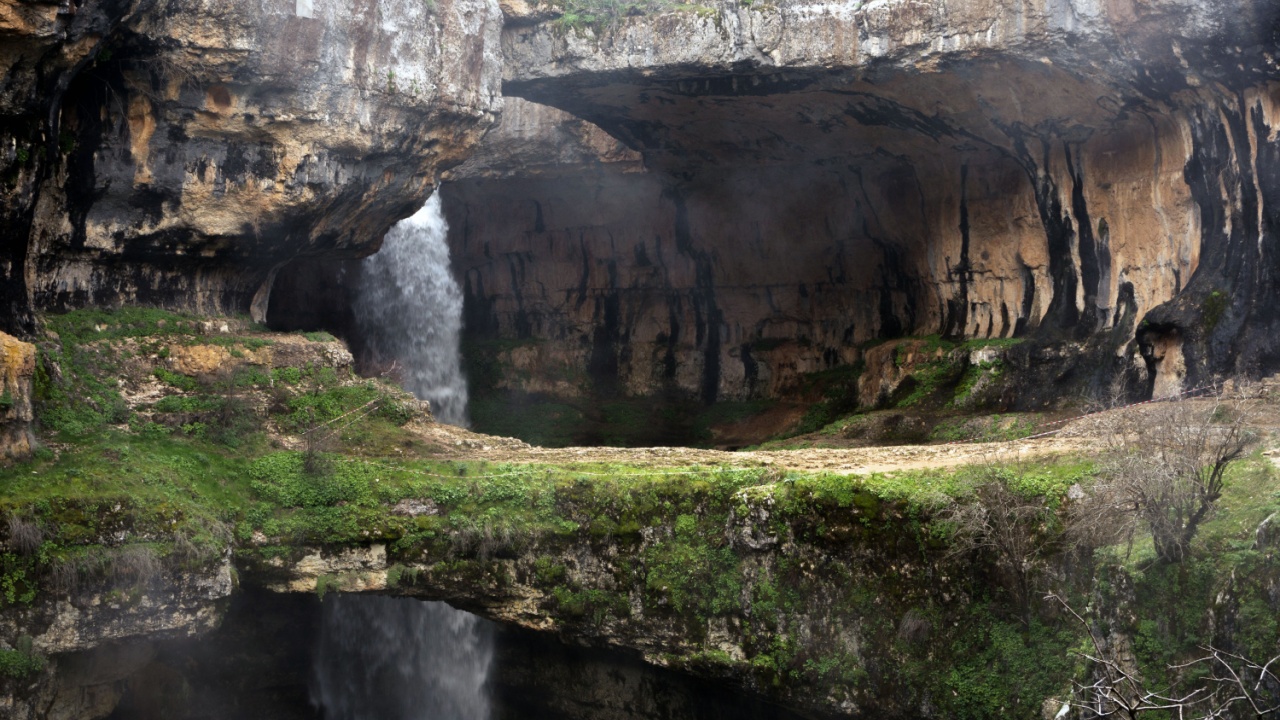
Lebanon is currently dealing with a complex mix of political instability, economic collapse, and spillover effects from regional conflicts. Civil unrest, protests, and occasional outbreaks of violence have created an unpredictable environment, risky even in areas previously considered safe.
Compounding the problem, essential services such as electricity, healthcare, and security infrastructure have deteriorated significantly. For travelers, this means unreliable support systems, risk of crime, and limited ability for consular help or evacuation if a crisis erupts. These issues make even standard sightseeing a potentially unsafe endeavor.
Visitors considering travel to Lebanon should weigh carefully whether the trip is necessary. If you decide to go, it’s critical to stay updated on local news, avoid demonstrations or politically charged gatherings, and limit movement to well-known, stable areas. For many travelers, postponing the trip is the safest option.
Tanzania (Certain Regions) — Rising Unrest, Crime, and Safety Warnings in Safari Zones

Recent updates to travel advisories have flagged parts of Tanzania, including some popular safari and tourist regions, as risky due to rising crime, social unrest, and reports of discrimination or harassment, particularly of LGBTQ+ travelers. This shift has surprised many, given Tanzania’s long-standing reputation as a safari destination.
Authorities have warned that protests can erupt unpredictably, and security forces may respond harshly. Moreover, regions near borders or remote areas occasionally face threats from militant activity or banditry. For tourists heading to national parks or remote lodges, even routine travel may involve heightened risk. Travelers are advised to “reconsider travel” and stay alert, avoid public displays of affection, and keep a low profile.
If you still plan to visit Tanzania, careful planning is essential: travel only to well-known and safe lodges, avoid remote or border areas, check for recent local news, and register with local embassies or consular services. Flexibility, vigilance, and respect for local laws are key, but many experts recommend postponing the trip until stability improves.