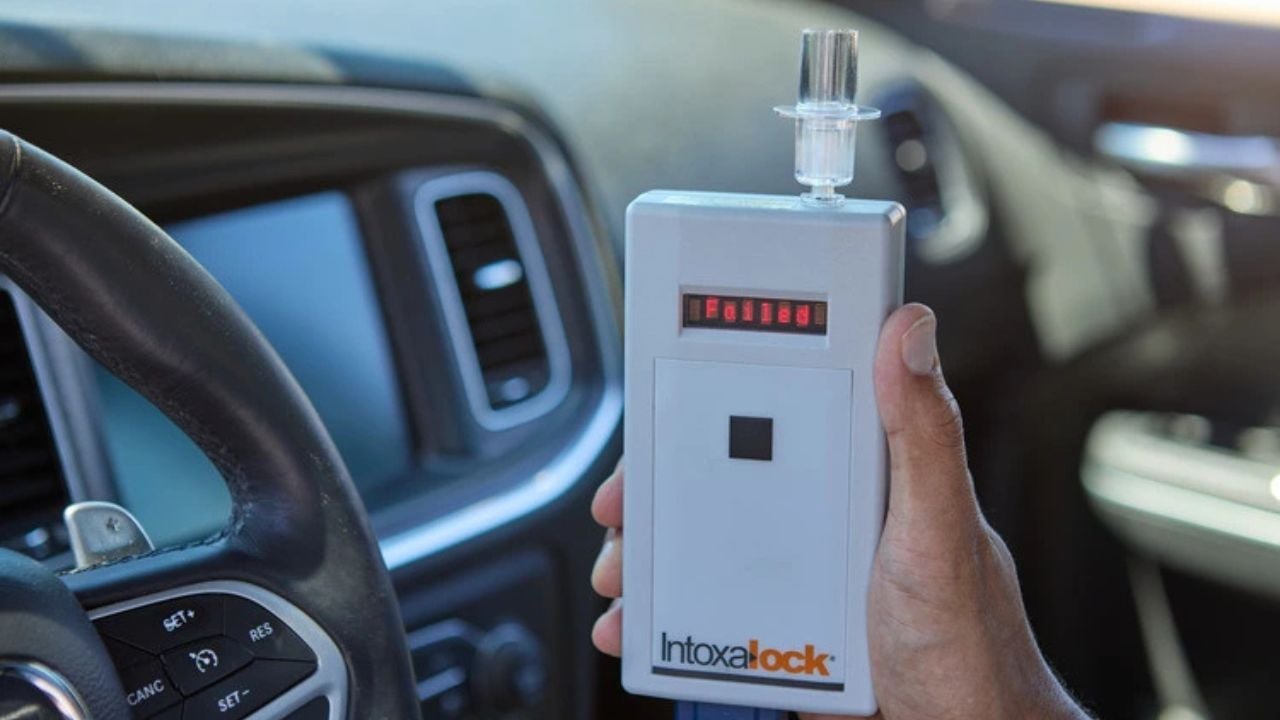

A recent cyberattack has turned a road safety device into an unexpected immobilizer, leaving thousands of drivers stranded for reasons that have nothing to do with alcohol.
According to reporting by multiple outlets such as WIRED, TechCrunch, and AutoEvolution, a hack targeting U.S.-based breathalyzer company Intoxalock has caused widespread disruption, effectively preventing some drivers from starting their vehicles.
The irony is hard to miss. These ignition interlock devices are designed to stop drunk driving, not sober people trying to get to work on time.
Here is how the system normally works.
Drivers who are required by law to install these devices must provide a clean breath sample before the car will start. If the system detects alcohol above a very low threshold, the engine stays silent. It is a strict but effective measure that has been widely used across the United States.
The problem now is not alcohol. It is connectivity.
A Cyberattack That Left Drivers Stranded
The cyberattack, which reportedly occurred around mid-March, forced Intoxalock to pause parts of its system as a precaution. That decision triggered a domino effect. These devices require periodic calibration and server communication to function properly. When that link breaks, the car simply refuses to cooperate.
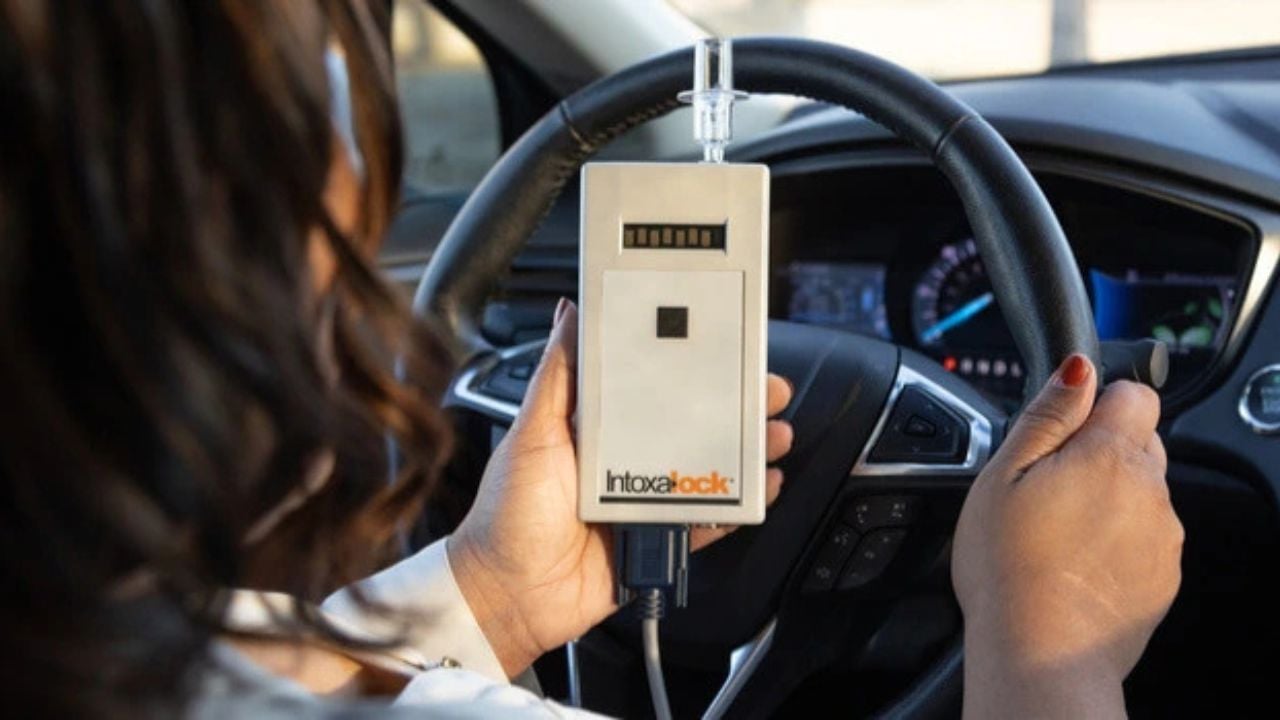
In practical terms, this means drivers who were due for calibration found themselves locked out of their own cars. No failed breath test. No wrongdoing. Just a digital hiccup with very real consequences.
Reports from multiple outlets paint a chaotic picture. Some drivers across states like Maine, New York, and Minnesota were unable to start their cars for days. In some cases, vehicles sat idle in repair shop parking lots because technicians could not complete required servicing.
One driver summed it up perfectly, describing their car as a “paperweight.” It is the kind of description that would be funny if it were not so inconvenient.
AutoEvolution notes that this incident highlights a growing tension in modern automotive tech. As cars get increasingly connected, they also become increasingly vulnerable. The very systems designed to enhance safety and accountability can become single points of failure when something goes wrong behind the scenes.
The Company’s Response and Lingering Questions
Intoxalock, for its part, has acknowledged the cyberattack but has been cautious about sharing details. The company has not confirmed the exact nature of the attack, whether it involved ransomware, data theft, or something else entirely. That uncertainty only adds to the unease.
What the company can’t hide is the scale of disruption. The company’s devices are used by tens of thousands of drivers annually, meaning even a short disruption can ripple across a large population.
To mitigate the fallout, Intoxalock reportedly offered temporary extensions for device calibration deadlines and worked to restore services as quickly as possible. Some customers were also promised assistance with costs related to the disruption.
A Warning for the Future of Connected Cars
Still, the episode begs answers to uncomfortable questions. If a safety device can be knocked offline by a cyberattack, what does that mean for other connected car systems? Could similar vulnerabilities affect remote key access, over-the-air updates, or even autonomous driving features in the future?
That said, the situation reinforces a growing reality: Technology may be making cars smarter, but it is also making them more dependent on invisible systems that drivers rarely think about until something breaks.
And when it does break, you might find yourself completely sober, fully ready to drive, and still going absolutely nowhere.
Sources: TechCrunch, WGME, WIRED, Auto Evolution